Practical tips to help children develop brushing habits in a calm and positive manner.
Brushing teeth is one of the pillars of oral health and children's oral health. However, for many parents, this moment becomes a daily challenge. Refusals, crying, or distraction are common behaviors, especially between the ages of 2 and 6. The good news is that there are simple strategies, supported by clinical experience and scientific evidence, often recommended by a pediatric dentist, that help create oral hygiene habits without conflict.
According to the Director-General of Oral Health, tooth decay continues to be one of the most common chronic diseases in childhood. Studies indicate that correct brushing with fluoride toothpaste, twice a day, can significantly reduce the risk of decay. Establishing a positive routine from an early age makes all the difference in a child's oral development, a universal guideline in consultations with any pediatric dentist.
Why do children resist brushing?
Resistance to brushing is part of child development. Between the ages of 2 and 4, children seek to assert their autonomy. If they associate brushing with imposition or discomfort, the likelihood of opposition increases.
Sensory factors also play an important role. Some children have a heightened sensitivity to the taste of toothpaste, the texture of the brush bristles, or the sensation of water in their mouth.
Understanding these variables allows for an individualized approach, something that can be guided by a pediatric dentist during the clinical assessment.
Simple tricks recommended by a Pediatric Dentist
1. Establish consistent times
Brushing should occur at the same times of day. Predictability reduces resistance and reinforces the habit, being a common recommendation from any pediatric dentist in a preventive context.
2. Encourage active participation
Allowing the child to choose the toothbrush or participate in the process increases commitment. The adult should supervise and, if necessary, complete the brushing to ensure it is effective, at least until the age of 10.
3. Use playful strategies
Songs with a duration of approximately two minutes help to meet the recommended time. Creating small stories or positive challenges can increase motivation, a strategy often suggested by a pediatric dentist to improve adherence to oral hygiene.
4. Apply the correct amount of toothpaste
Up to 3 years old, it is recommended to use an amount equivalent to a grain of rice. From that age, a portion the size of a pea. The concentration of fluoride should be adjusted according to age and individual cavity risk, an assessment that should be made during a consultation with the pediatric dentist.
5. Reinforce positive behaviors
Specific praise has a proven impact on children's behavior. Phrases like “You brushed the back teeth very well” are more effective than criticism.
Common mistakes that compromise children's brushing
As important as knowing what to do is understanding what should be avoided. Some behaviors, even well-intentioned, can hinder the creation of a healthy habit. For example, using brushing as a form of punishment associates the moment with a negative experience. Allowing the child to fall asleep regularly without brushing their teeth significantly increases the risk of cavities, especially because saliva flow decreases during sleep.
Another frequent mistake is the excessive use of toothpaste. Amounts greater than recommended do not increase effectiveness and can raise the risk of unnecessary fluoride ingestion. It is also common to underestimate baby teeth, assuming that they “will fall out.” However, primary teeth are essential for chewing, speech development, and maintaining space for permanent teeth.
The importance of fluoride in preventing childhood cavities
Fluoride strengthens tooth enamel and reduces demineralization caused by acids produced by plaque bacteria. Scientific recommendations advocate for the use of fluoridated toothpaste from the eruption of the first tooth.
During regular check-ups, cavity risk is assessed and additional measures, such as sealants or topical fluoride applications, may be recommended. These decisions should always be individualized and guided by a pediatric dentist, considering the specific characteristics of each child.
Diet and caries risk: what parents should know
The prevention of childhood caries does not depend only on brushing. The frequency of sugar intake plays a decisive role. It’s not just the amount of sugar that matters, but especially the frequency with which the child consumes it throughout the day.
Frequent snacks rich in simple carbohydrates, juices or sugary drinks keep the oral pH low for prolonged periods, promoting the demineralization of enamel. For this reason, it is recommended to limit the consumption of sugary foods to specific times and to avoid intake after brushing.
Nutritional education is an integral part of the consultation with the pediatric dentist. An effective preventive approach integrates proper oral hygiene and balanced eating habits.
Clinical curiosity
Nighttime brushing takes on special importance because during sleep there is a decrease in saliva flow. Reduced saliva production means less capacity to neutralize acids. Therefore, brushing before bed should not be neglected, and the child should not consume any food, liquid or solid after that.
The role of the pediatric dentistry consultation
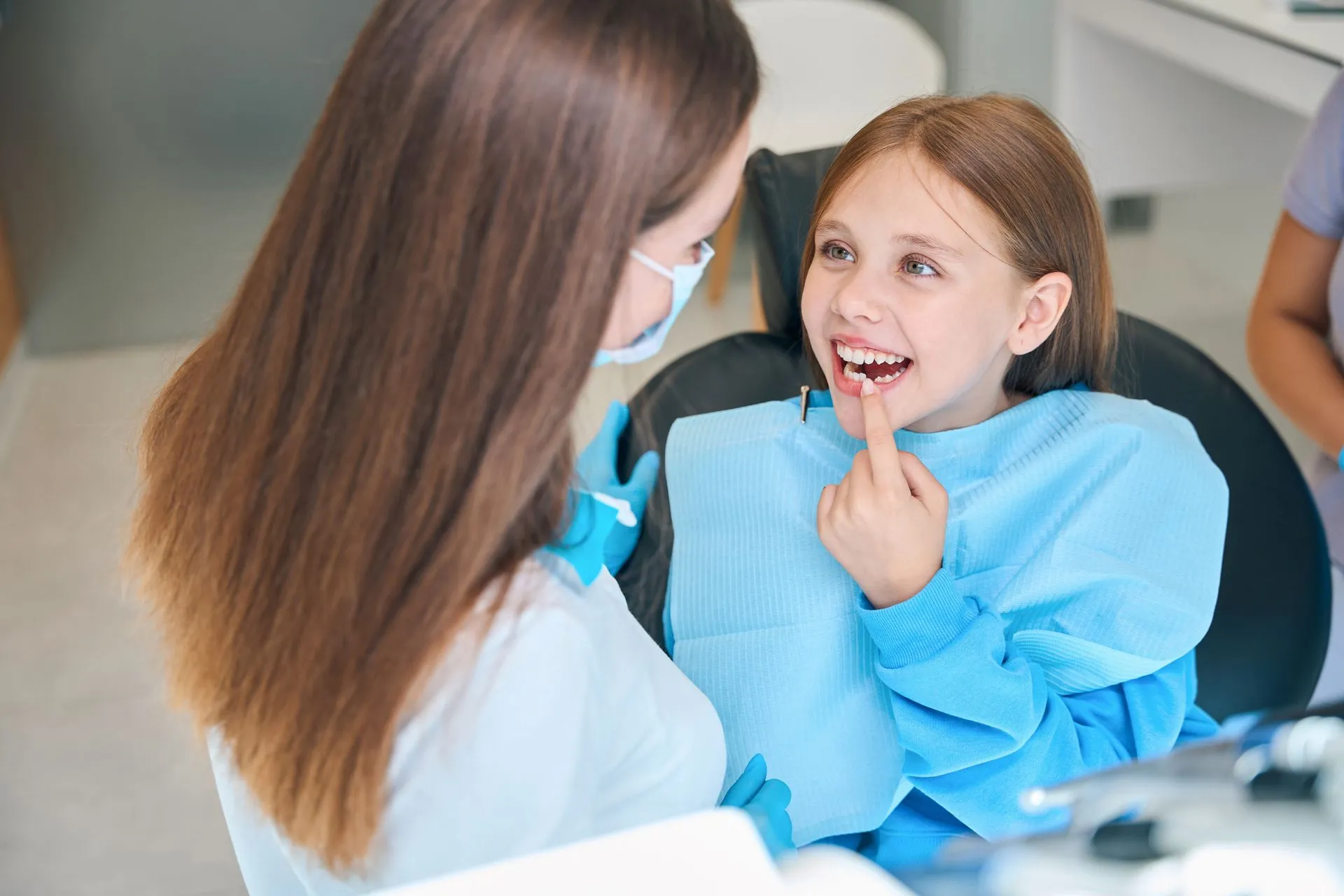
The first consultation should occur by the first year of life or after the emergence of the first tooth. Regular follow-up allows for the prevention of cavities, monitoring of growth, and guidance for parents on diet and oral hygiene habits.
Early intervention reduces the need for more complex treatments in the future and contributes to a positive relationship between the child and the pediatric dentist.
Frequently Asked Questions
Creating brushing habits without conflict requires consistency, example, and proper guidance. When parents integrate oral hygiene into the family routine in a natural and structured way, the child tends to see this moment as part of the day, rather than as an imposition.
Regular follow-ups at the Pediatric Dentistry Appointment allow for adjusting strategies, reinforcing good practices, and preventing problems before they arise. Investing in children's oral health from the earliest years is investing in their confidence, well-being, and overall development.