Find out what tartar is, how it forms, and how it can affect breath and oral health.
Bad breath, clinically referred to as halitosis, is a common condition that affects a significant portion of the adult population. Although many people associate the problem with digestive factors or the consumption of certain foods, the truth is that in over 80% of cases, the source of bad breath lies in the oral cavity. Among the main causes is dental tartar, a silent, progressive, and often undervalued condition, but with a direct impact on oral health and quality of life.
In this article, we clearly and thoroughly explain what it is, how it forms, why it can cause bad breath, and what the consequences are for oral health. We also share clinical recommendations and answer the most frequently asked questions on the subject.
What is dental tartar
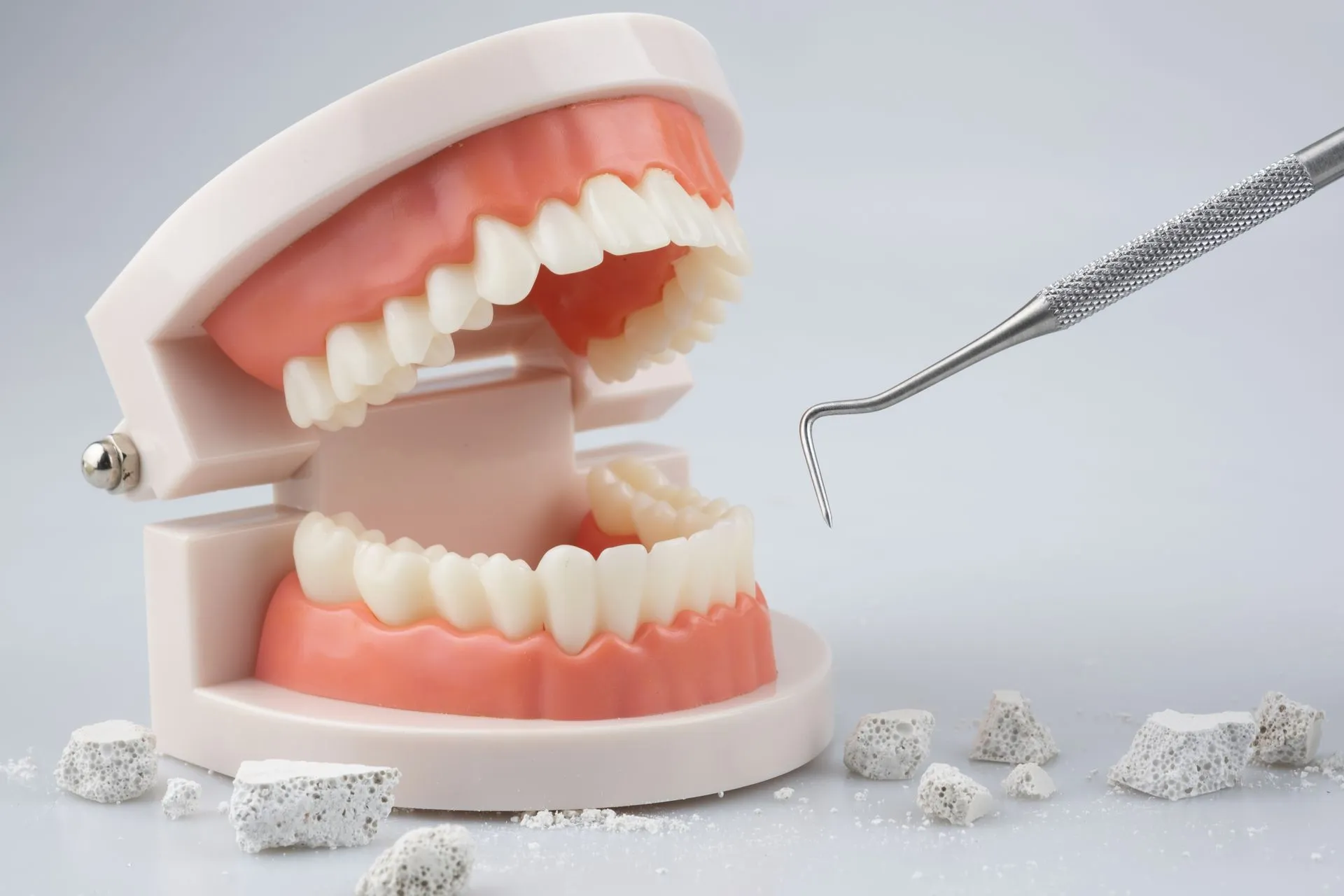
Also known as dental calculus, it is the result of the mineralization of bacterial plaque. Bacterial plaque is a colorless and sticky film composed of bacteria, food debris, and saliva, which constantly forms over the teeth. When it is not removed through effective brushing and the use of dental floss, this plaque hardens due to the deposition of minerals present in saliva, turning into tartar.
Unlike bacterial plaque, it cannot be eliminated with daily oral hygiene. Its removal requires professional intervention, through descaling performed by a dentist or oral hygienist.
There are two main types of tartar:
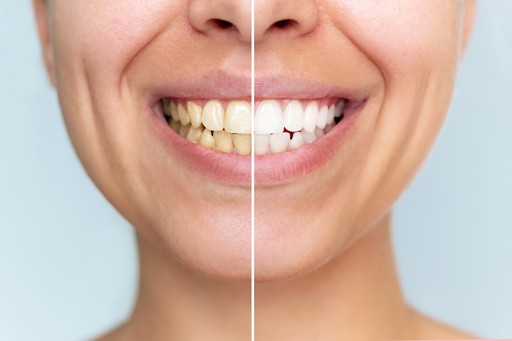
Supragingival tartar, visible above the gum line and usually yellowish or brown in color;
Subgingival tartar, harder to detect, forms below the gum and is often associated with gum inflammation and periodontal disease.
How tartar forms
Formation is a continuous and cumulative process. Studies indicate that dental plaque can begin to mineralise in as little as 24 to 72 hours after its formation, especially in hard-to-reach areas, such as the inner surface of the lower teeth, the outer surface of the upper molars, and the interdentinal spaces.
Factors that increase the risk of tartar formation:
Poor oral hygiene; Irregular or incorrect brushing;
Absence of interdental cleaning, such as using dental floss;
Frequent consumption of sugary foods;
Smoking;
Changes in saliva composition;
Prolonged use of certain medications
Individual predisposition also plays a significant role. Some people have a greater tendency to accumulate tartar, even when maintaining good oral hygiene habits, which reinforces the importance of regular check-ups, following the recommended schedule by the oral hygienist.
Why does tartar cause bad breath?
This is a condition that is closely associated with bad breath because it acts as a reservoir for bacteria. These bacteria, especially anaerobic ones, produce volatile sulfur compounds during the decomposition of proteins present in food residues and in sloughed-off cells from the oral mucosa. It is these compounds that release the unpleasant odour characteristic of halitosis.
Moreover, the rough surface facilitates the adhesion of more dental plaque, perpetuating the cycle of bacterial proliferation. When tartar accumulates near the gums, it favours the development of gingivitis and in more severe cases of periodontitis, inflammatory conditions that significantly worsen bad breath.
According to scientific literature, the presence of periodontal disease is one of the main causes of chronic halitosis, with tartar being a determining factor in its development and progression.
Impact of tartar on oral health
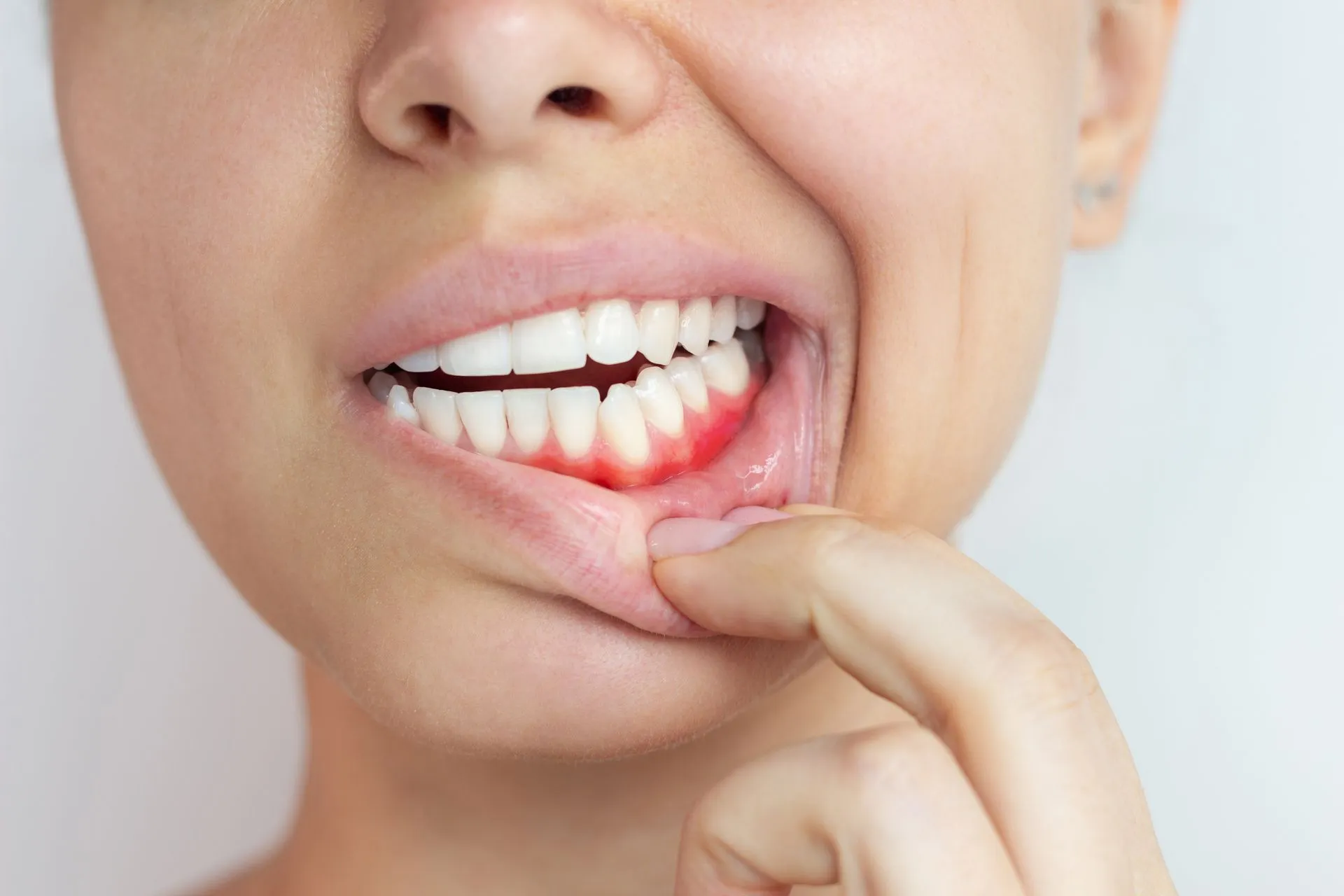
In addition to bad breath, there are other significant consequences for oral health. Its continuous presence causes inflammation of the gums, characterized by redness, swelling, and bleeding during brushing. This initial phase, referred to as gingivitis, is reversible if treated promptly.
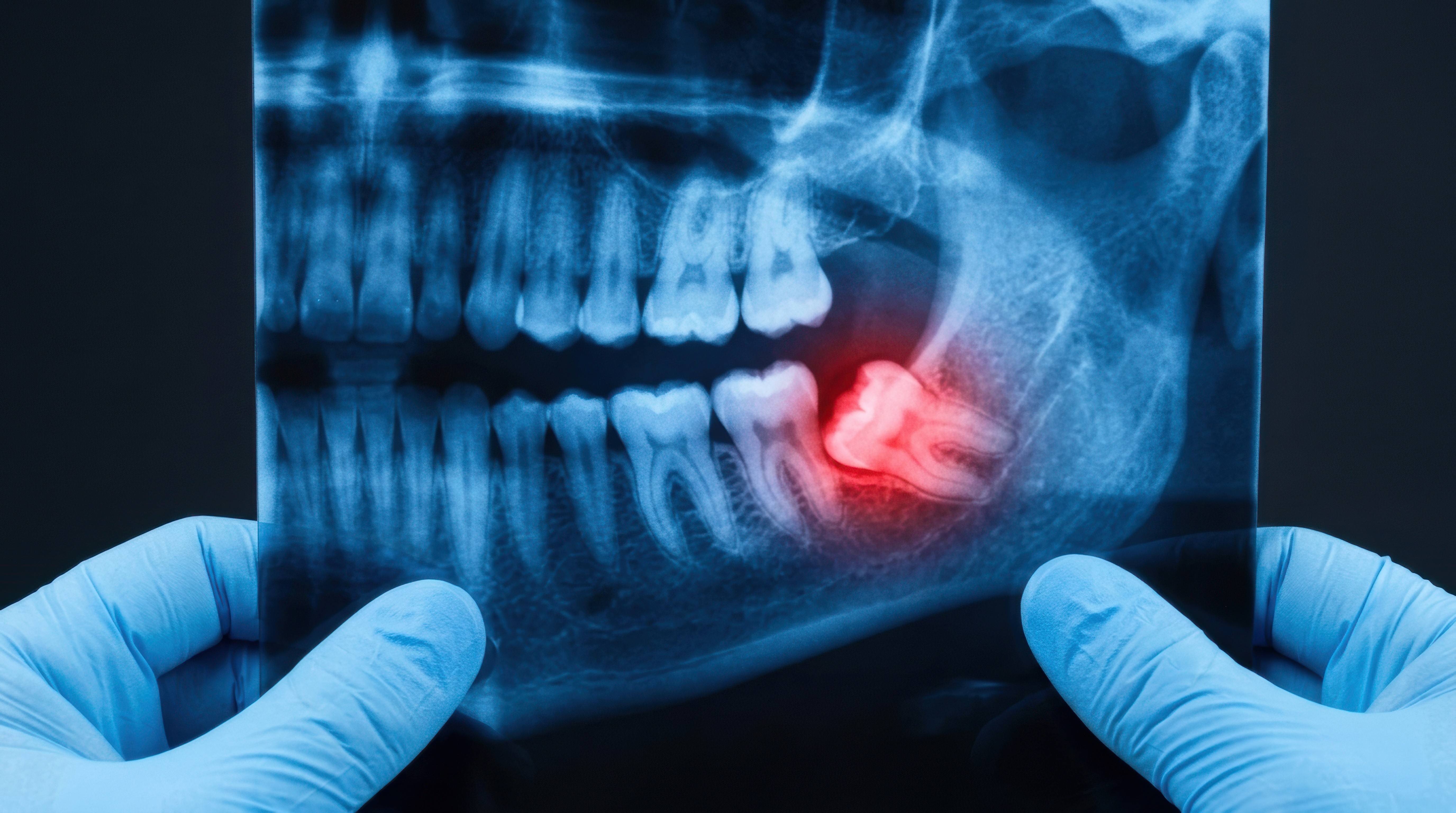
If left untreated, gingivitis can progress to periodontitis, a chronic disease that affects the supporting tissues of the teeth, including the bone. At this stage, gum recession, tooth mobility, and, in more advanced cases, early tooth loss may occur.
Studies also demonstrate an association between periodontal disease and certain systemic conditions, such as cardiovascular diseases and diabetes, reinforcing the importance of a preventive and integrated approach to oral health.
How to improve tartar and freshen breath
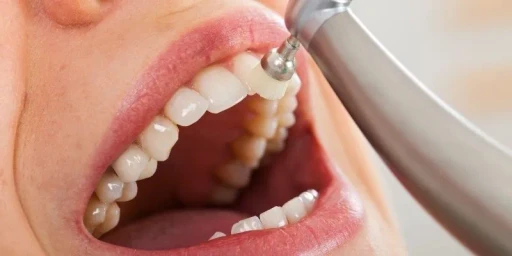
The only effective way to remove it is through professional tartar removal. This procedure, performed in a clinical setting, allows for the elimination of supragingival and subgingival tartar deposits, smoothing the tooth surface and making it harder for plaque bacteria to re-adhere.
After tartar removal, many patients report an immediate improvement in breath, as well as a feeling of cleanliness and oral freshness. In cases of periodontal disease, more in-depth treatment may be necessary, such as root scaling or other specific therapies.
Maintaining the results depends on rigorous oral hygiene at home. Brushing should be done at least twice a day, using an appropriate technique and a fluoride toothpaste. Daily use of dental floss or interdental brushes is essential to remove plaque from areas where the toothbrush cannot reach.
In some cases, the oral hygienist may recommend specific mouthwashes as a supplement, but never as a substitute for mechanical oral hygiene.
Interesting Facts
Studies show that the composition of tartar can vary depending on diet, hygiene habits, and the oral microbiota of each individual. Curiously, it preserves biological traces for long periods, being even used in archaeological research to study the diet and diseases of ancient populations.
Another relevant fact is that oral-origin halitosis tends to be more intense upon waking, due to the decrease in saliva flow during sleep, which favours bacterial activity on the tartar and accumulated plaque.
Frequently Asked Questions
Dental tartar is one of the main causes of oral origin bad breath and a determining factor in the development of gum diseases and periodontal diseases. Its formation is silent, but its effects can be significant, both in terms of oral health and overall well-being.
Prevention involves proper oral hygiene, regular check-ups, and a personalized approach based on clinical evaluation. Investing in tartar removal is not just an aesthetic or comfort issue, but an essential step to maintaining a healthy, functional, and confident smile.