Get answers to the main questions about dental cleaning and understand why it is essential to prevent oral problems.
Dental cleaning, also known as an oral hygiene appointment, is one of the most important clinical actions in the prevention of oral diseases. Despite this, it continues to cause doubts and fears, mostly associated with the idea of pain or discomfort.
But does dental cleaning really hurt? Or is it a myth that persists from old and outdated experiences?
In this article, we clarify myths and facts about dental cleaning, explain why this procedure is essential to maintain healthy teeth and gums, how it is performed nowadays, and what the advantages of the Guided Biofilm Therapy (GBT) technology are, especially for patients suffering from tooth sensitivity.
What is dental cleaning or an oral hygiene appointment
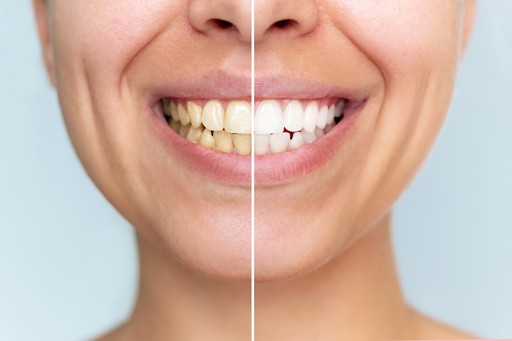
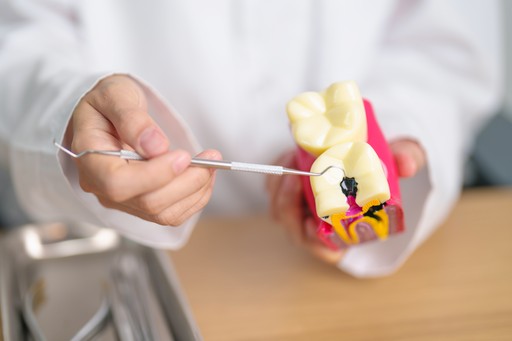
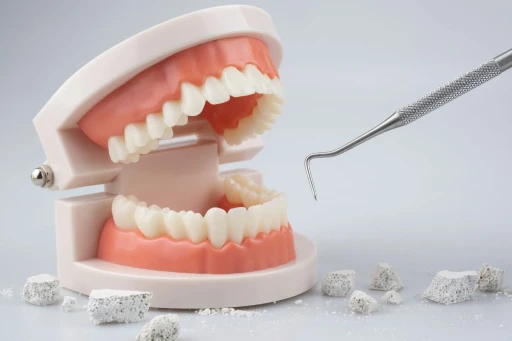
Dental cleaning is a preventive clinical procedure that aims to remove bacterial plaque and tartar accumulated on the teeth and below the gum line. This accumulation can occur continuously, even in people with good oral hygiene habits, and is the cause of problems such as gingivitis, periodontitis, decay and bad breath.
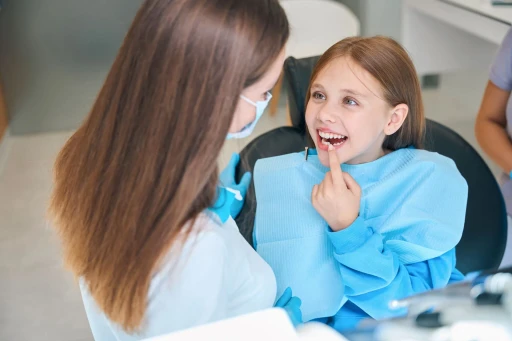
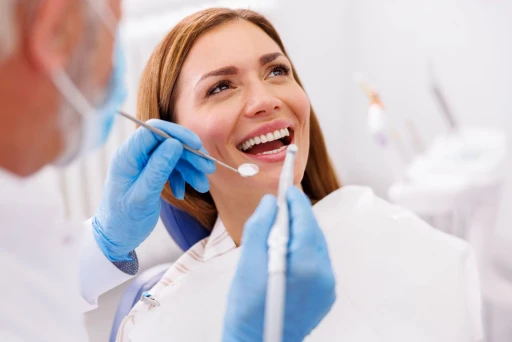
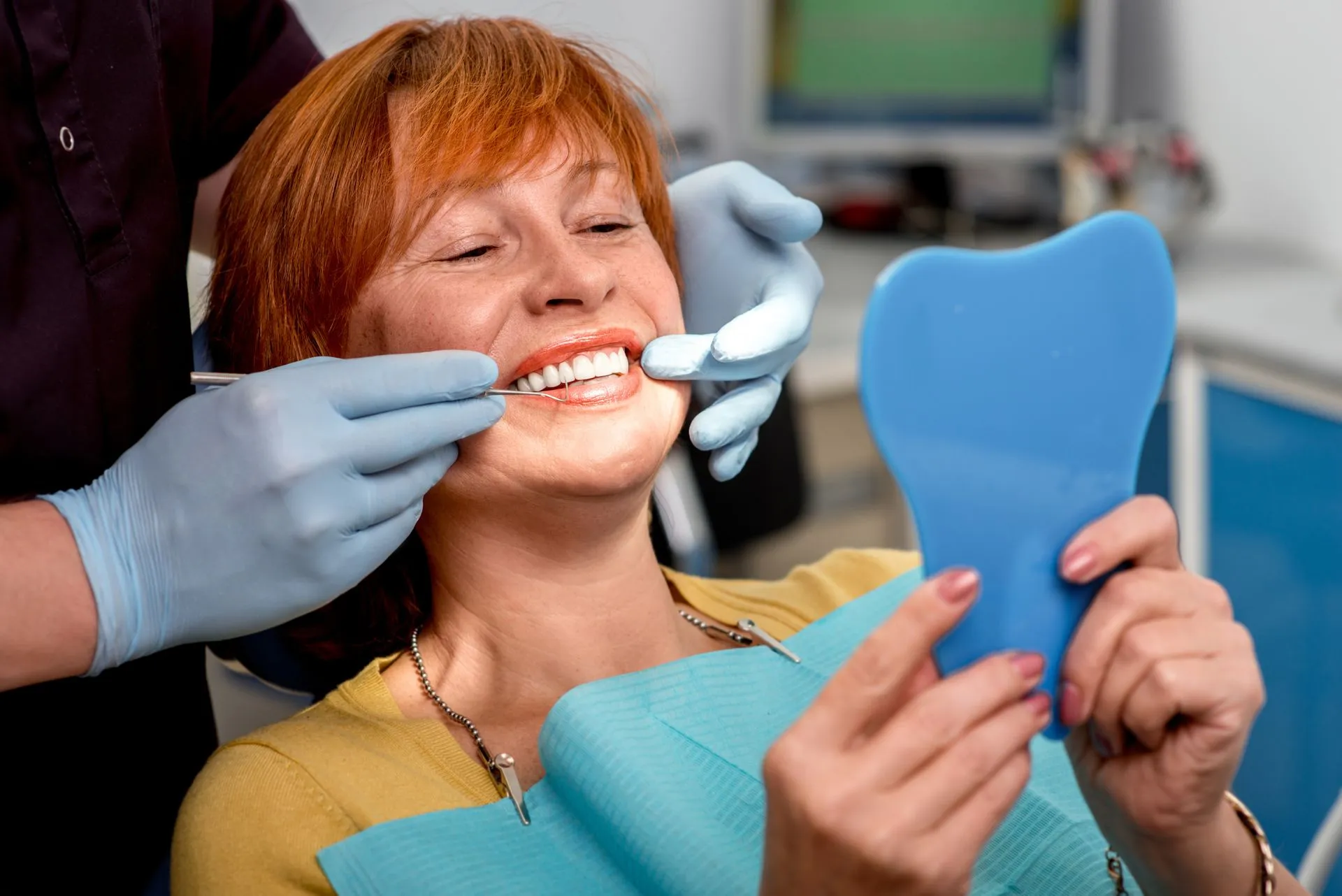
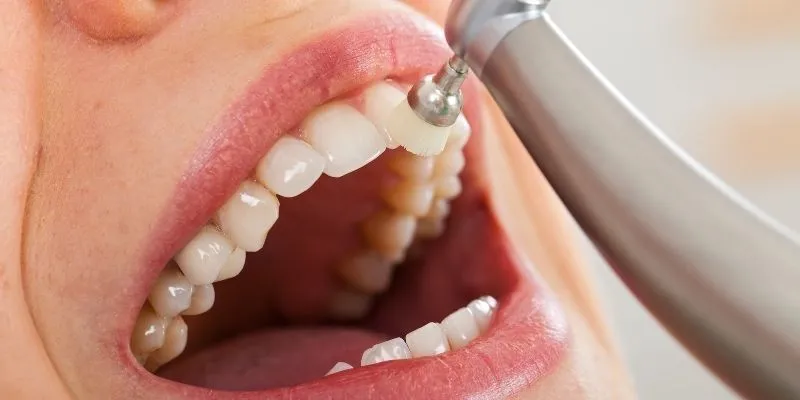
During the oral hygiene appointment, the professional performs a thorough examination of your teeth, gums and the rest of the oral cavity. They also assess the presence of bacterial biofilm, tartar and stains, and adapt the treatment to the specific needs of each patient, using specialised equipment to perform a professional dental cleaning and remove the accumulation of bacterial plaque and tartar from the teeth and along the gum line.
Myth or Truth: Dental Cleaning Hurts
One of the most common myths is the idea that dental cleaning is painful. In most cases, this does not correspond to reality. For patients with healthy gums or slight inflammation, the oral hygiene performed in-office is a comfortable and well-tolerated procedure.
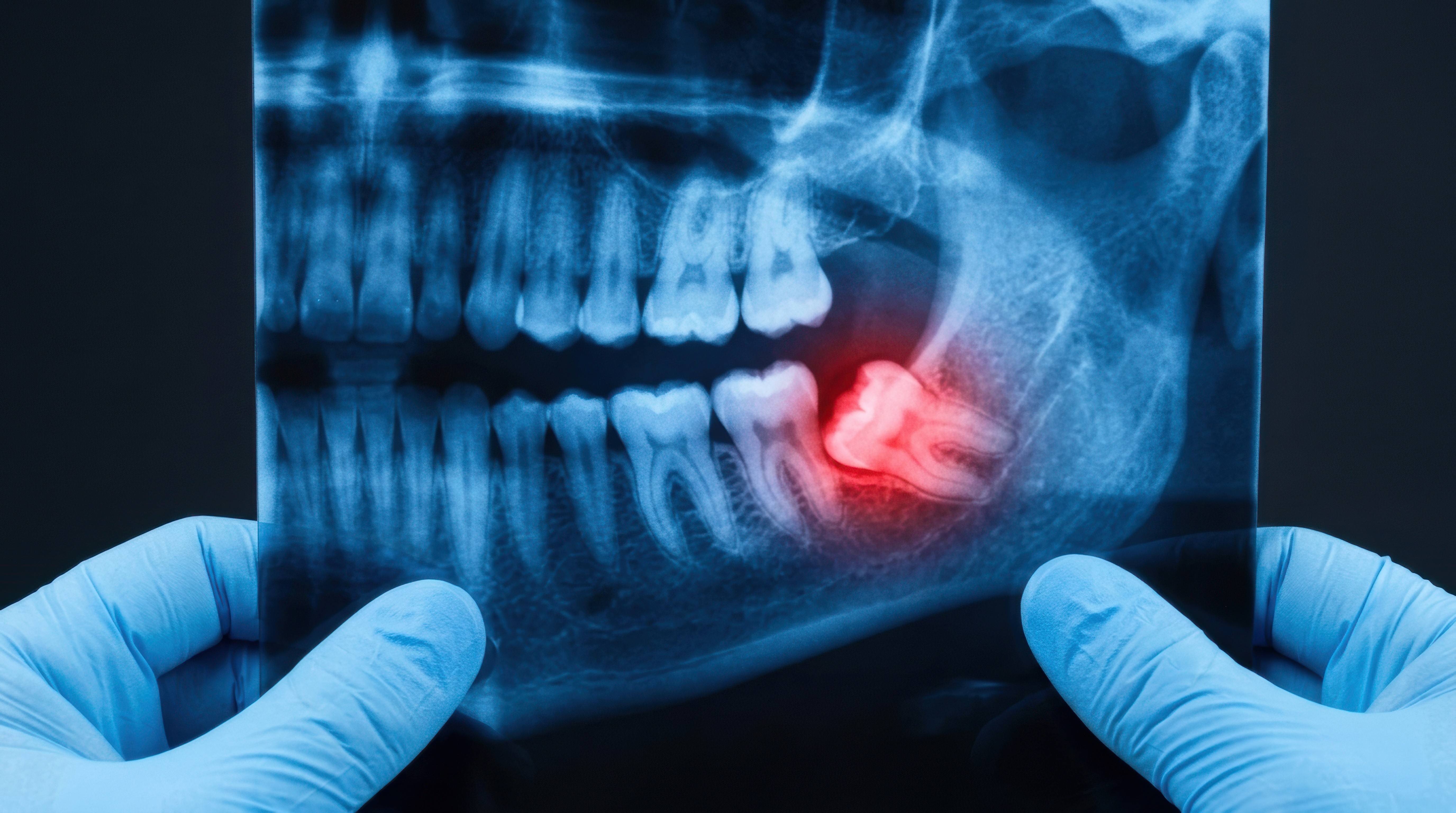
The feeling of discomfort may arise mainly when there is significant gum inflammation, gum recession, or periodontal disease. In these cases, the discomfort does not result from the procedure itself, but rather from the pre-existing condition of the tissues. Still, the healthcare professional can use anesthesia whenever necessary, ensuring the patient's comfort.
The evolution of techniques and equipment has made the oral hygiene appointment much smoother and more effective than in the past.
The Role of Guided Biofilm Therapy (GBT) Technology
Guided Biofilm Therapy represents a significant advancement in how professional dental cleaning is performed. This clinical protocol is based on scientific evidence and focuses on the selective removal of the bacterial biofilm, which is primarily responsible for oral diseases.
The GBT protocol uses a revealing dye to identify the biofilm, allowing for a precise and personalized approach. The removal is carried out using minimally invasive technologies, such as airflow with fine erythritol particles, which effectively cleans without harming the tooth enamel or gum tissues.
This approach makes the oral hygiene appointment more comfortable, predictable, and effective, significantly reducing dental sensitivity and discomfort while increasing patient adherence to regular appointments.
Why is dental cleaning so important
The oral hygiene consultation serves not just an aesthetic purpose. Its main function is preventive. Plaque that is not removed can evolve into tartar, which causes gum inflammation and the progression of periodontal disease.
Scientific studies show that periodontal disease is associated with a higher risk of systemic diseases, such as cardiovascular diseases and poorly controlled diabetes. Regular removal of bacterial biofilm helps reduce inflammation and maintain overall health.
Additionally, dental cleaning helps prevent bad breath, preserve the supporting tissues of the teeth, and extend the durability of previous treatments such as implant rehabilitation.
How often should dental cleaning be done
The frequency of the oral hygiene consultation should be determined individually. In general, dental cleaning is recommended every six months.
However, patients at higher risk for periodontal disease, smokers, and those with implants or orthodontic devices may benefit from more frequent consultations.
Clinical assessment is essential to determine the appropriate interval and ensure effective prevention.
What you may feel after dental cleaning
After dental cleaning, it is common to feel smoother and cleaner teeth. In some cases, there may be slight temporary tooth sensitivity, especially in areas with gum recession. This sensitivity tends to disappear in a few days.
Gum bleeding after the consultation is usually minimal and decreases as inflammation reduces. Improvement in breath is often immediate, especially when there was significant plaque accumulation.
Curiosities about oral hygiene
Studies indicate that bacterial biofilm starts to form a few hours after brushing, which explains the importance of daily hygiene and regular consultations. Interestingly, most people effectively clean only about 60% of the tooth surface, leaving critical areas uncleaned and forgetting the interproximal spaces that the brush cannot reach
The GBT technology was specifically developed to address this reality, focusing on the causes of problems rather than just their consequences and playing an important educational role with the patient, who can more easily understand where to improve daily oral hygiene.
Frequently Asked Questions
The idea that dental cleaning is painful is, in most cases, a myth. Thanks to scientific and technological evolution, notably the Guided Biofilm Therapy protocol, the oral hygiene appointment is now a comfortable, safe, and essential procedure for the prevention of oral diseases.
Maintaining regular oral hygiene appointments is an investment in health, well-being, and the longevity of your smile. More than just treating problems, the oral hygiene appointment enables you to avoid them, based on a rigorous and personalized clinical approach.