Before the festivities, take care of your smile. A dental check-up allows for early detection of problems, prevents discomfort, and starts the year with confidence and well-being.
December is a month of reviews, busy schedules, and some excesses at the table. It is also a perfect time to look at your oral health and ensure that you go into the new year without unpleasant surprises. A dental check-up is not "just for when it hurts": it is a routine appointment that assesses teeth, gums, and oral cavity tissues, identifies potential risks, and allows for the diagnosis and treatment of small issues before they become major problems.
Why have a dental check-up?
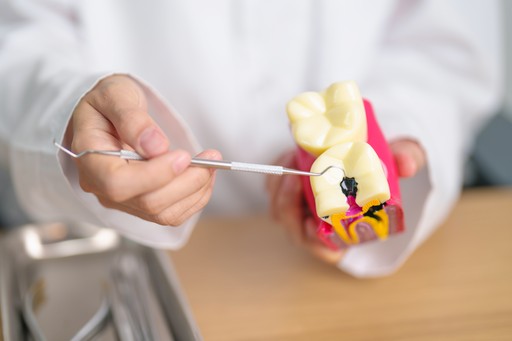
Most oral diseases progress silently. Tooth decay, for example, can start as a small demineralization and only signal, in an advanced state of the disease, when there is already a cavity. Worldwide, epidemiological studies show that tooth decay remains one of the most prevalent diseases throughout life, with a real impact on quality of life.
The same happens with periodontal disease. Bleeding gums, persistent bad breath, or gum recession are not "normal changes of age" - they are signs of inflammation that can progress to periodontitis, a more serious condition that can lead to loss of support for the teeth. National data indicates high prevalences of periodontal disease in adults, reinforcing the importance of regular monitoring.
What happens during a dental check-up?
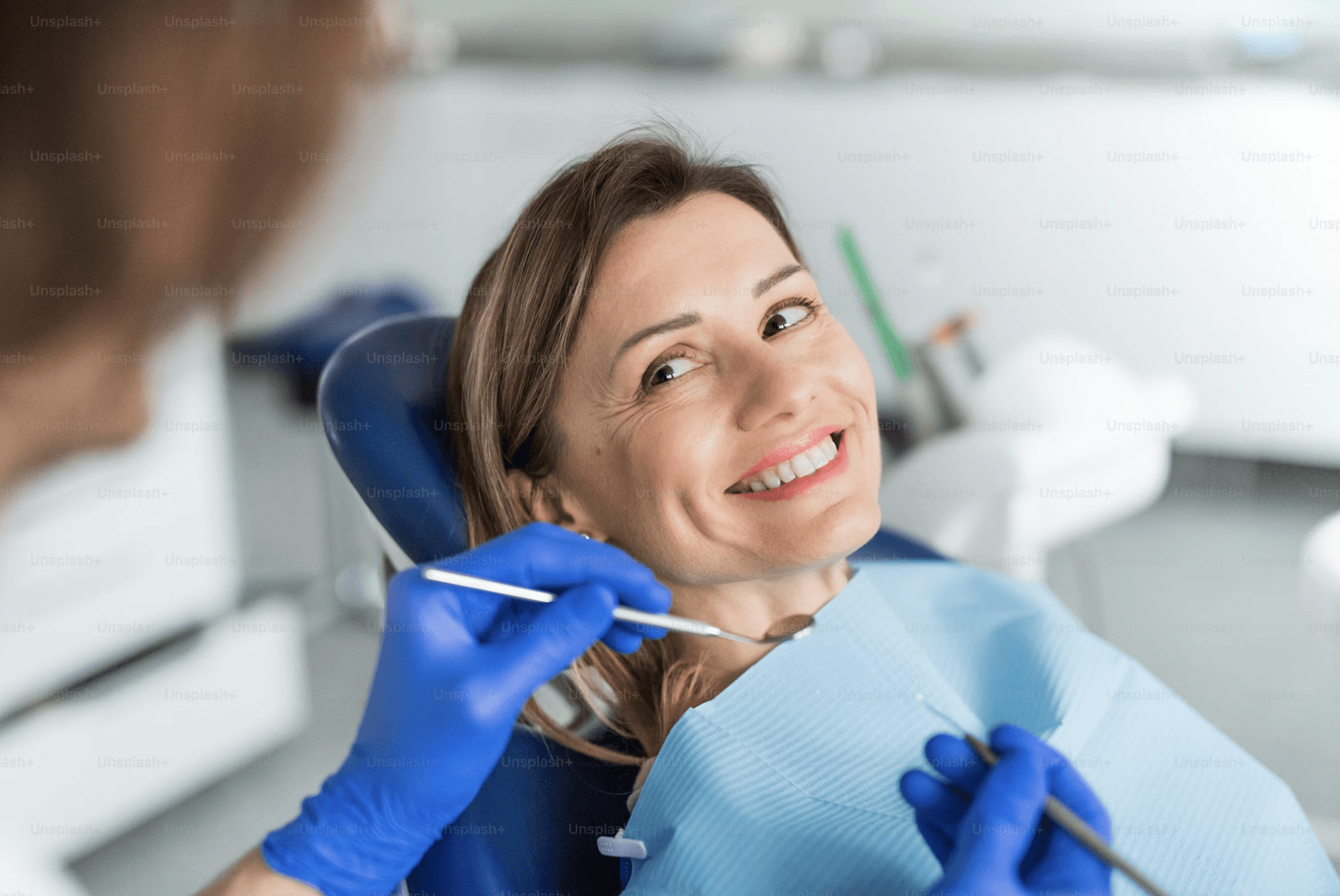
During a check-up or dental evaluation, the clinical team conducts a thorough and detailed analysis that includes:
Radiological examinations
In a dental check-up, a panoramic X-ray is performed which will allow the dentist to observe what is not visible to the naked eye: dental cavities between teeth, infections in the root, cysts, bone loss, or impacted teeth. If necessary, other complementary examinations may also be performed that are important for a complete diagnosis.
Clinical history
The dentist starts by investigating your medical and dental history, your main complaints, and present risk factors. Tobacco, alcohol, diabetes, stress, bruxism or a diet high in sugar can have a significant impact on the prevention plan.
Detailed observation of the oral cavity
During the dental check-up, a clinical assessment of the teeth, gums, tongue, cheeks, throat, and roof of the mouth is performed.
Personalized plan
In the end, a clear treatment plan will be provided with the necessary treatments and their respective priorities. In clinics with a multidisciplinary team, like MALO CLINIC, this plan may involve consultations in different areas such as periodontology, endodontics, orthodontics, or oral rehabilitation, always in an integrated manner and whenever possible with a focus on preserving natural dentition.
Guidance on professional oral hygiene
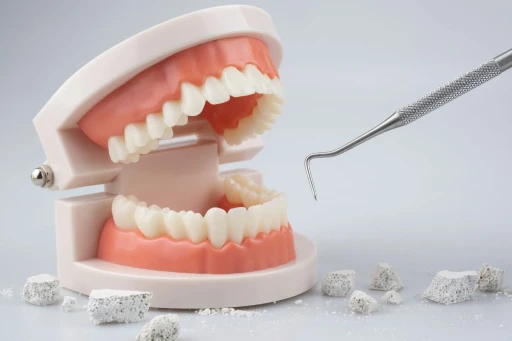
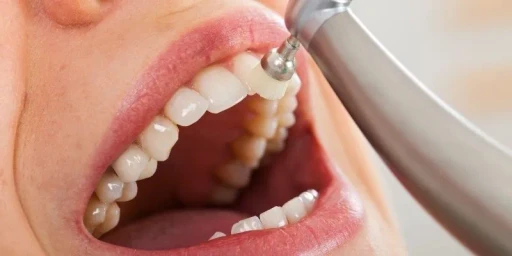
It will be recommended to regularly (typically, every 6 months) have an oral hygiene consultation with a professional. Most people think that tartar is “dirt”. In fact, it is mineralized plaque, so hard that it can only be removed with appropriate clinical instruments. And the more tartar there is, the greater the gum inflammation, hence the importance of regular oral hygiene performed by a qualified professional.
When conducting a dental check-up, our team will also guide you on the most suitable hygiene routine for your clinical situation and risk level for certain oral diseases: type of toothbrush, technique, interdental hygiene options, among others.
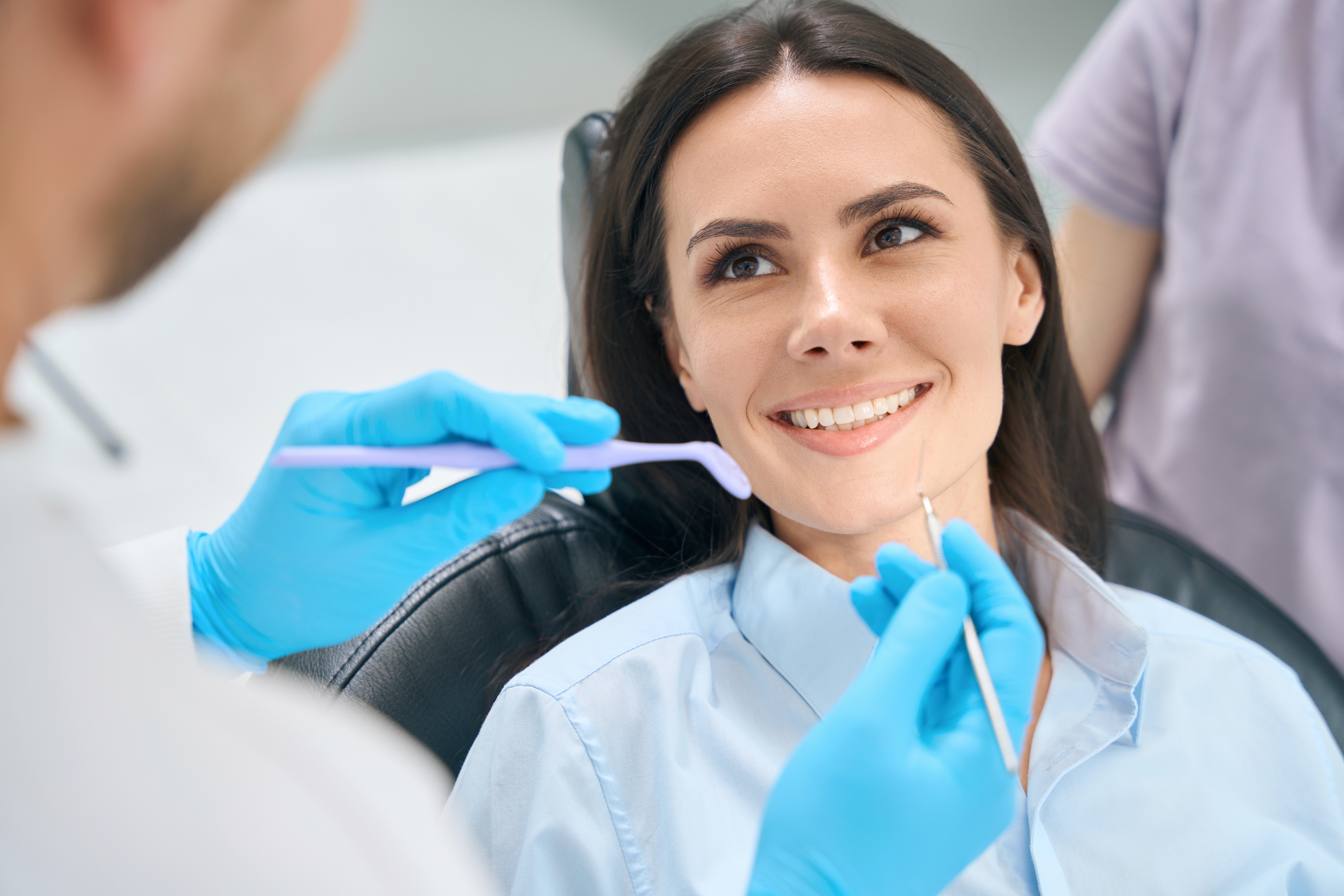
Investing in Prevention
For all these reasons, prevention is indeed the best investment for your smile and your wallet. There is a simple rule in dentistry: the earlier you detect it, the easier it is to treat. Understand in more detail why:
Tooth Decay
An initial lesion can be treated with topical fluoride, sealing or small restorations. If ignored, it can reach the nerve tissue, requiring endodontic treatments (root canal), often involving the placement of crowns and, in extreme cases, tooth extraction and subsequent replacement of the lost tooth.
Periodontal Disease
Gingivitis treated in time usually reverses with more effective oral hygiene . Established periodontitis demands longer treatments (sometimes surgical) and impacts overall health, being associated with a higher cardiovascular risk and other systemic infections, as well as uncontrolled diabetes.
Oral Cancer
When diagnosed early, treatment is less aggressive and survival rates tend to be higher. In late stages, the survival rate dramatically decreases. This is why a simple routine check can literally save lives.
How often should I have a dental check-up, an oral hygiene consultation, or routine?
After an initial assessment appointment and any necessary priority treatments, the general recommendation for adults is to see the oral hygienist or dentist every six months.
However, some individuals may require more frequent check-ups due to clinical conditions, such as patients with periodontal disease, those wearing braces, smokers, or those at high risk for cavities or periodontal disease.
Think of this like a car service: you don't wait for the engine to stop before going to the workshop.
Quick Tips to Keep Your Smile Healthy Until the Next Appointment
Brush your teeth twice a day with fluoride toothpaste for two minutes.
Remove food debris between your teeth daily using floss or interdental brushes; cavities and gum inflammation “love those forgotten spaces”.
Moderate your consumption of sugar and acidic drinks. At parties, try to alternate sweets with water.
If you smoke, consider reducing or quitting: tobacco is one of the main risk factors for major oral diseases.
Inspect your mouth. Sores that do not heal in two weeks, white/red patches or persistent pain deserve professional evaluation.
Frequently Asked Questions
A dental check-up is a simple decision with a huge impact: it alleviates worries, prevents diseases, and avoids more complex and expensive treatments in the future. During this festive season, give yourself this care. Your "self" of next year will thank you, with a healthier, more confident smile ready for whatever comes. Book your dental check-up today!