
From causes and treatments to cold sores during pregnancy. Know it all.
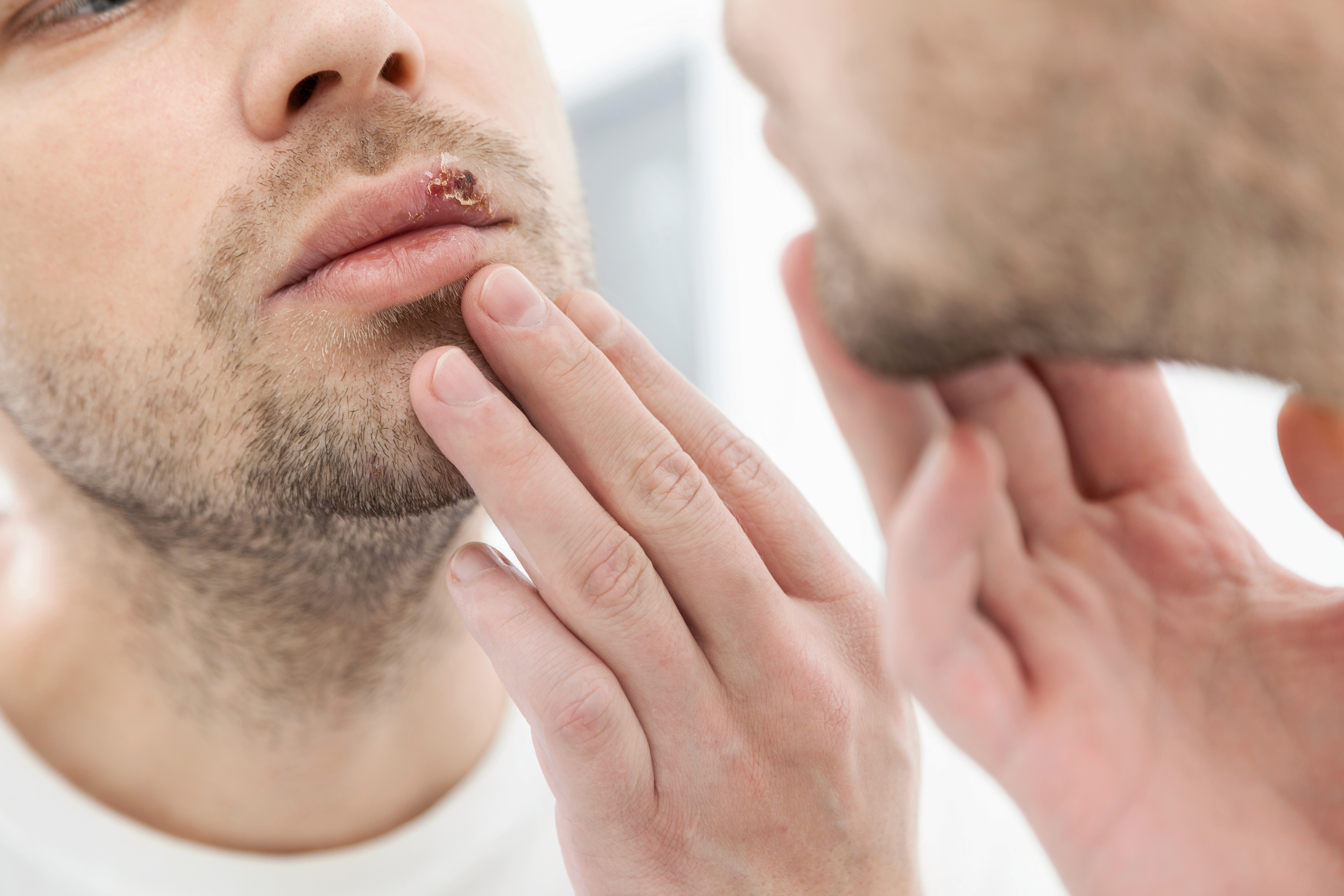
Cold sores, also known as oral herpes, are a common viral infection that is estimated to affect around 90% of the population. If infected, the patient never fully eliminates this virus, even if it does not manifest. Its main symptoms consist of the appearance of painful blisters that contain fluid (vesicles) that cause itching in the lip area and around the mouth. However, cold sores are not limited to that area; they can also appear inside the nose, on the cheek, or on the chin. The healing process occurs when the vesicles burst, turning into scabs.
Cold sores are highly contagious and can be transmitted through direct contact with active lesions or through contaminated objects. Moreover, the discomfort caused can last several days until the blisters fully heal.
What are the main causes of cold sores?
Transmission of cold sores can occur even when the infected person does not show symptoms. Therefore, it is enough to have contact with the skin or contaminated object from someone who has the virus for this pathology to spread.
Some ways to contract cold sores include:
Direct contact with active lesions: Transmission can occur through direct contact with active lesions, meaning the blisters that appear during an outbreak of herpes (whether oral or genital). For this reason, transmission can occur through kisses or engaging in sexual relations with an infected person. Additionally, transmission can also occur if a person touches an active lesion and then touches their eyes or nose.
Contact with infected skin: Even in the absence of visible lesions, herpes can be transmitted through skin-to-skin contact with an infected area. This means that even areas without visible lesions can transmit the virus.
Use of contaminated objects: Herpes can also be transmitted through the use of objects contaminated by the infected person, such as towels, cutlery, glasses, or lipsticks.
Transmission during childbirth: In some cases, herpes can be transmitted during vaginal delivery if the mother is infected with the virus (vaginal) at the moment of birth. It is important to be aware that cold sores during pregnancy do not necessarily pass the virus to the baby. However, if left untreated, it can spread to the vaginal area – causing genital herpes – which is particularly dangerous for newborns.
Although there are phases when the virus may be 'asleep' and not manifest, certain factors can trigger a cold sore outbreak, such as:
Stress: Emotional or physical stress is one of the main triggers of herpes outbreaks. This happens because stress weakens the immune system, making the body more susceptible to outbreaks of the virus.
Exposure to sunlight: Prolonged exposure to the sun, especially on the lips, can trigger cold sore outbreaks since it compromises skin immunity.
Illnesses and infections: Other illnesses or viral infections, such as colds or respiratory infections, can trigger herpes outbreaks as they weaken the immune system.
Injuries in the affected area: Certain physical traumas, such as cuts, injuries, or even medical procedures in the affected area, can leave the skin damaged and trigger herpes outbreaks.
Hormonal changes: During the menstrual cycle, pregnancy, or menopause, outbreaks of herpes can be triggered in some individuals. In the case of pregnancy, although cold sores do not pass to the baby, it is crucial to treat the infection as soon as the first symptoms appear to prevent the virus from spreading to the vaginal area, causing genital herpes.
How is the diagnosis made?
The diagnosis of herpes can be made based on the symptoms presented by the patient, through clinical observation, and when necessary, laboratory tests. Some common approaches to diagnosing herpes include:
Clinical history and physical examination: To diagnose the disease, the doctor generally starts by asking about the patient's symptoms and their medical history, including previous episodes of herpes or other related health problems. During the physical examination, the doctor looks for characteristic signs of the virus, such as vesicles or ulcers on the skin.
Laboratory tests: If necessary, the doctor may also request laboratory tests to confirm the herpes diagnosis, such as blood tests.
Treatment
Although there is no cure for cold sores, there are medications that can help reduce the severity and duration of outbreaks, as well as prevent their recurrence.
Antiviral creams: Certain antiviral ointments or creams can be applied directly to the lesions to help reduce pain, itching, and healing time. This treatment works by inhibiting the spread of the virus.
Oral antiviral medications: In cases of more severe or recurrent outbreaks, the doctor may also prescribe antiviral medications orally.
In addition to treatments, there are certain preventive measures that can be taken, such as avoiding direct contact with infected individuals during active outbreaks, avoiding sunburns, maintaining good personal hygiene, and not sharing certain items like utensils, glasses, towels, and lipsticks. These behaviors can help reduce the risk of contracting or transmitting the virus.
Should we perform dental procedures during an active cold sore episode?
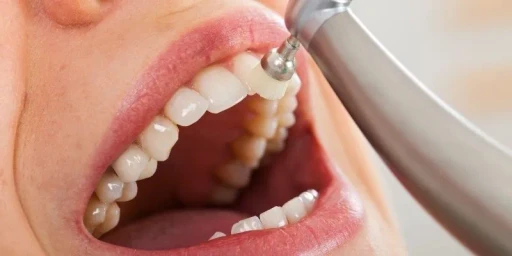
It is completely contraindicated to carry out dental medical treatments during an active cold sore episode. With the presence of vesicles with fluid, there is a high risk of contaminating other areas, namely ocular and intraoral. This contamination can occur because most dental procedures produce aerosols that can carry droplets which, consequently, transmit the virus. For this reason, the safest course of action is always to postpone dental medical appointments until the lesions are completely healed.