Learn how to identify this problem at an early stage and discover the most effective solutions.
A crossbite, often overlooked, is a malocclusion that represents a change in the alignment of the teeth and how they fit together. This condition can have significant impacts on facial growth, chewing, speaking, and even the development of the temporomandibular joint (TMJ). Recognizing this problem early is essential to ensure efficient treatment, which can prevent more serious complications in the future, such as irregular dental wear, pain, and facial asymmetries. Learn the warning signs and the most indicated solutions to effectively correct a crossbite.
What is a crossbite?
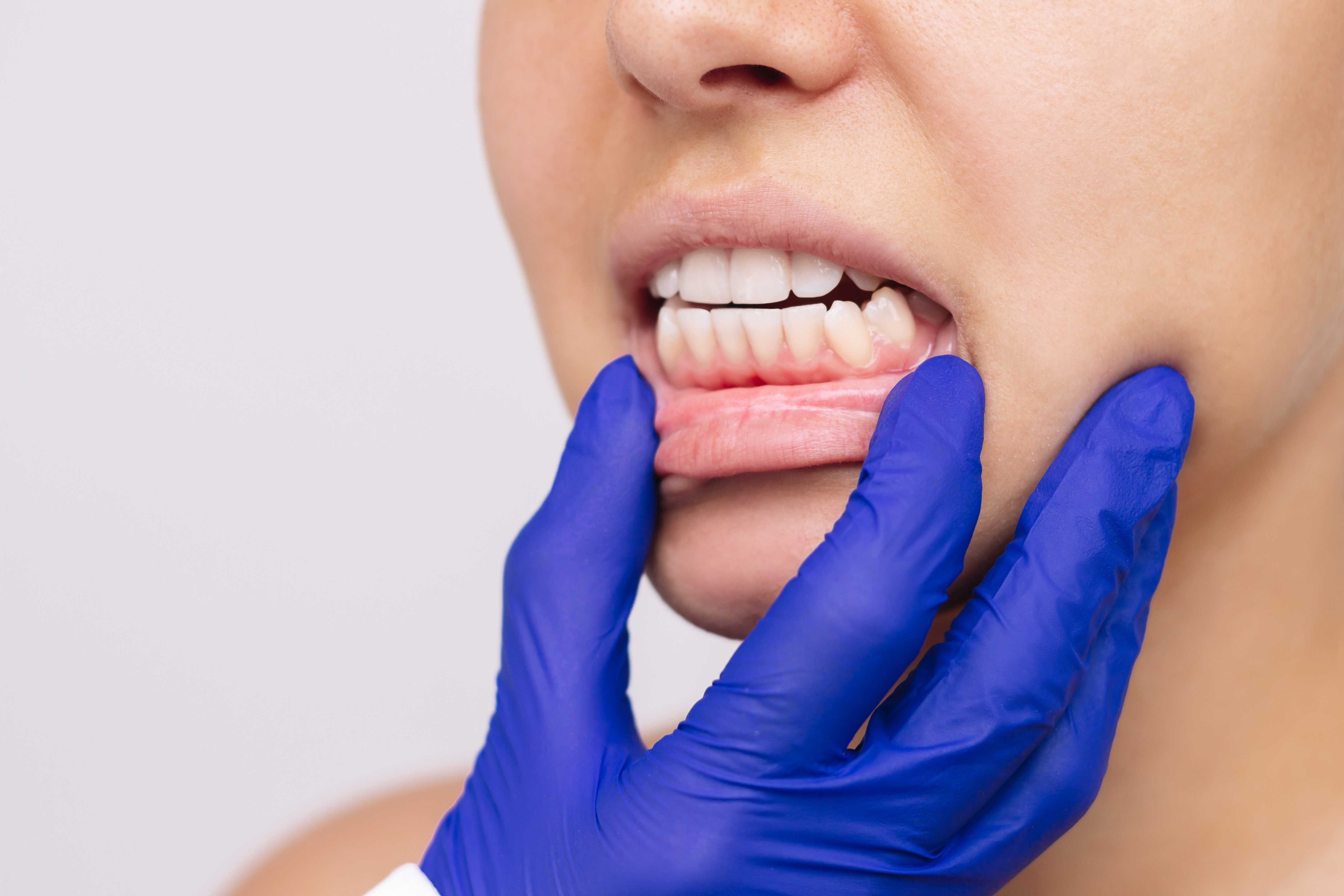
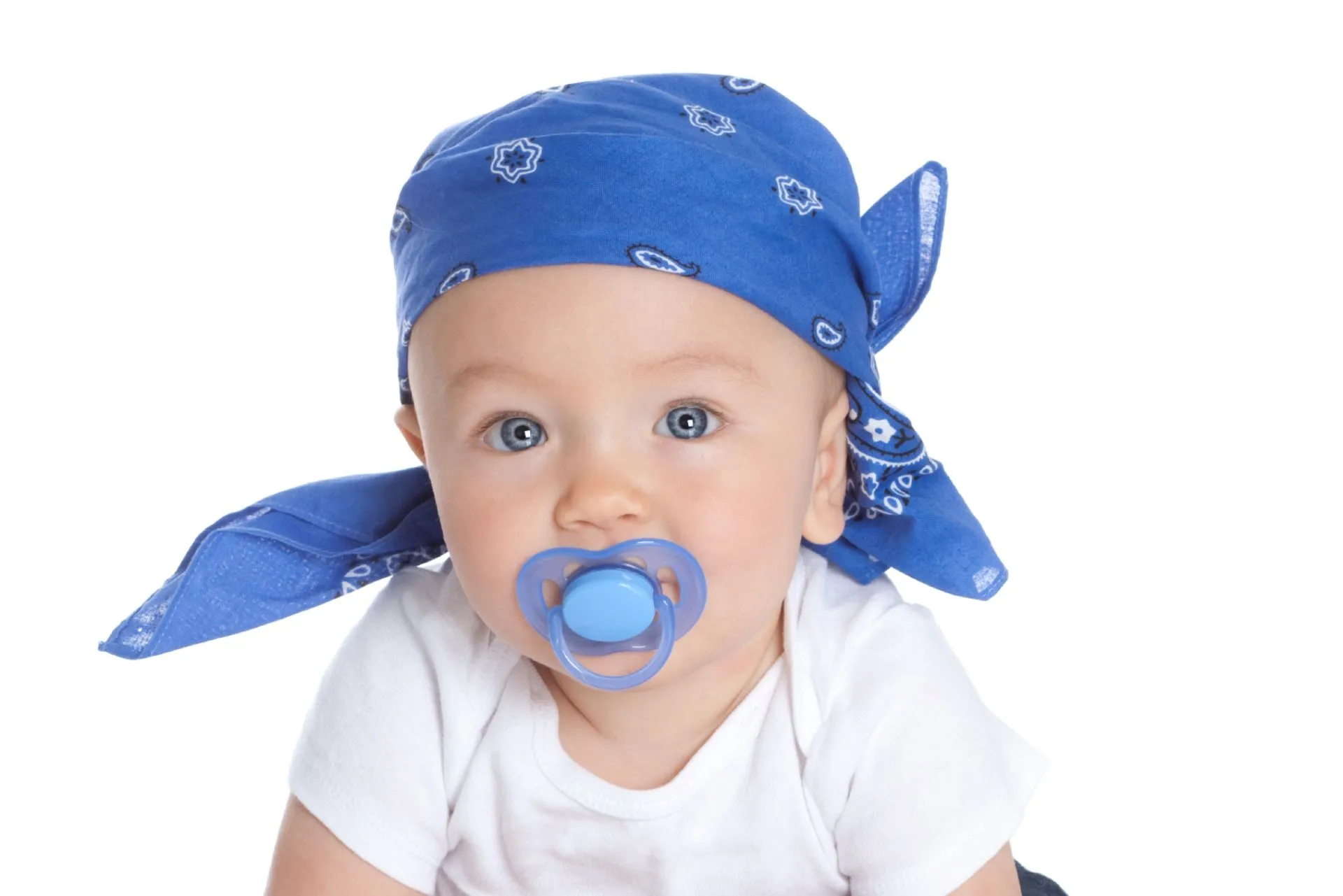
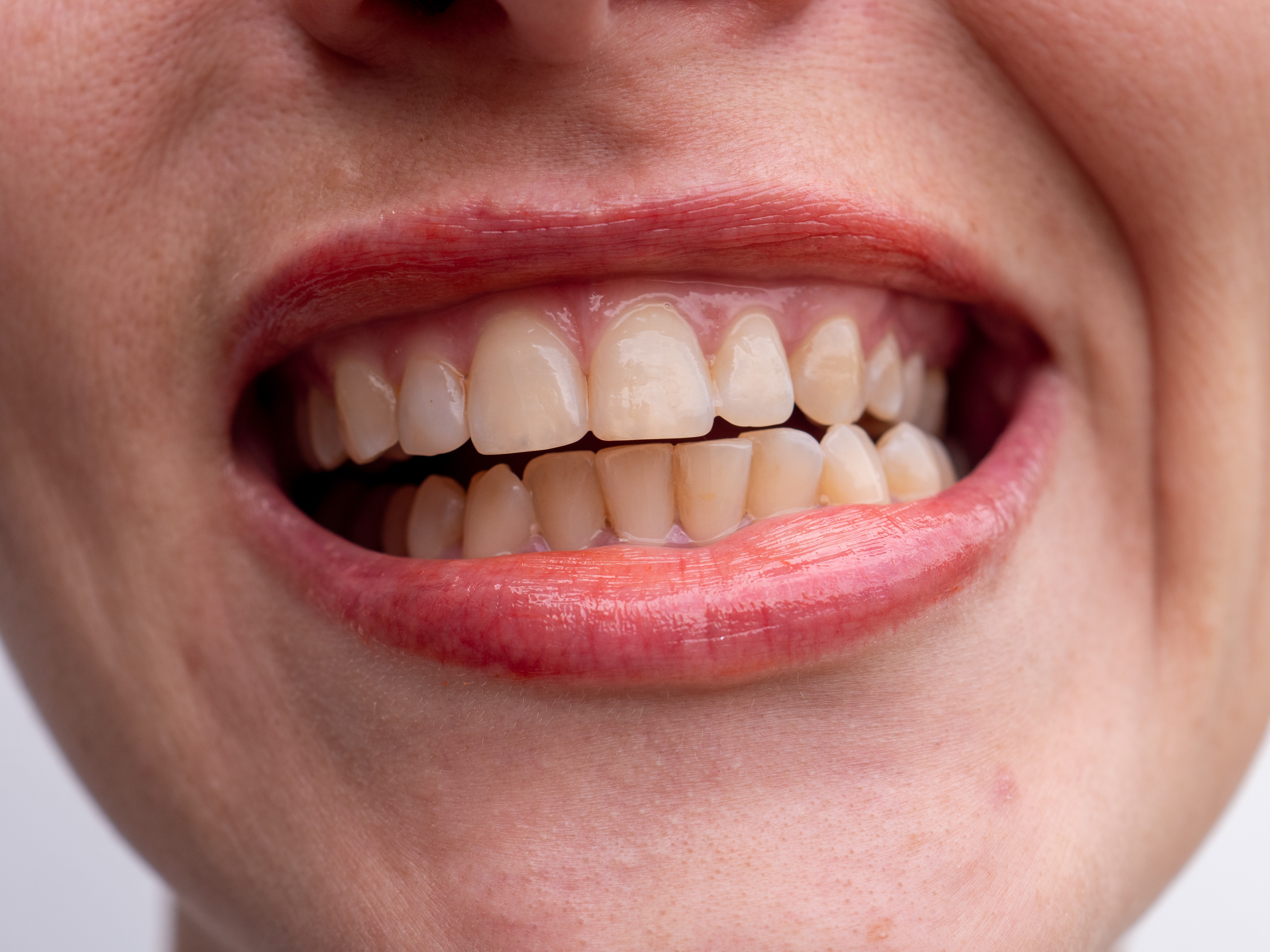
In a situation of normal occlusion, when we bring our teeth together with our mouths closed, the lower jaw teeth fit inside the opposing teeth of the upper jaw. When this is reversed - that is, when one or more teeth of the upper jaw close inside the teeth of the lower arch - we are faced with a crossbite. A crossbite can be unilateral, when this inversion happens only on one side of the jaws, or bilateral if it involves both sides. This condition may have a genetic origin, but it is often observed in children who have oral breathing, prolonged pacifier use, or thumb sucking habits.
This irregular dental pattern can alter the growth of the jaws and compromise facial symmetry, making early identification and correction essential. The unilateral posterior crossbite is the most prevalent, with misalignment between the upper jaw and the mandible creating imbalances in chewing, favouring the asymmetrical development of the face and consequently the adoption of compensatory postures.
How to diagnose?
The diagnosis of crossbite in children should be performed by a pediatric dentist or a dentist specializing in child orthodontics. Clinical observation is accompanied by photographs, imaging exams, analysis of chewing and breathing patterns.
Some early signs that parents should watch for:
Jaw deviation when closing;
Chewing always on the same side;
Difficulties in chewing;
Inequal dental wear;
Asymmetrical smile;
Headaches or jaw pain.
What is the best time to intervene?
The treatment of crossbite is most effective when started early, as long as the child is old enough to cooperate. At this stage, the bones are still developing and respond better to orthopedic and functional approaches. Intervening during the ideal window, which generally occurs between the ages of 5 and 9/10, can prevent complications and avoid more invasive and complex treatments in the future.
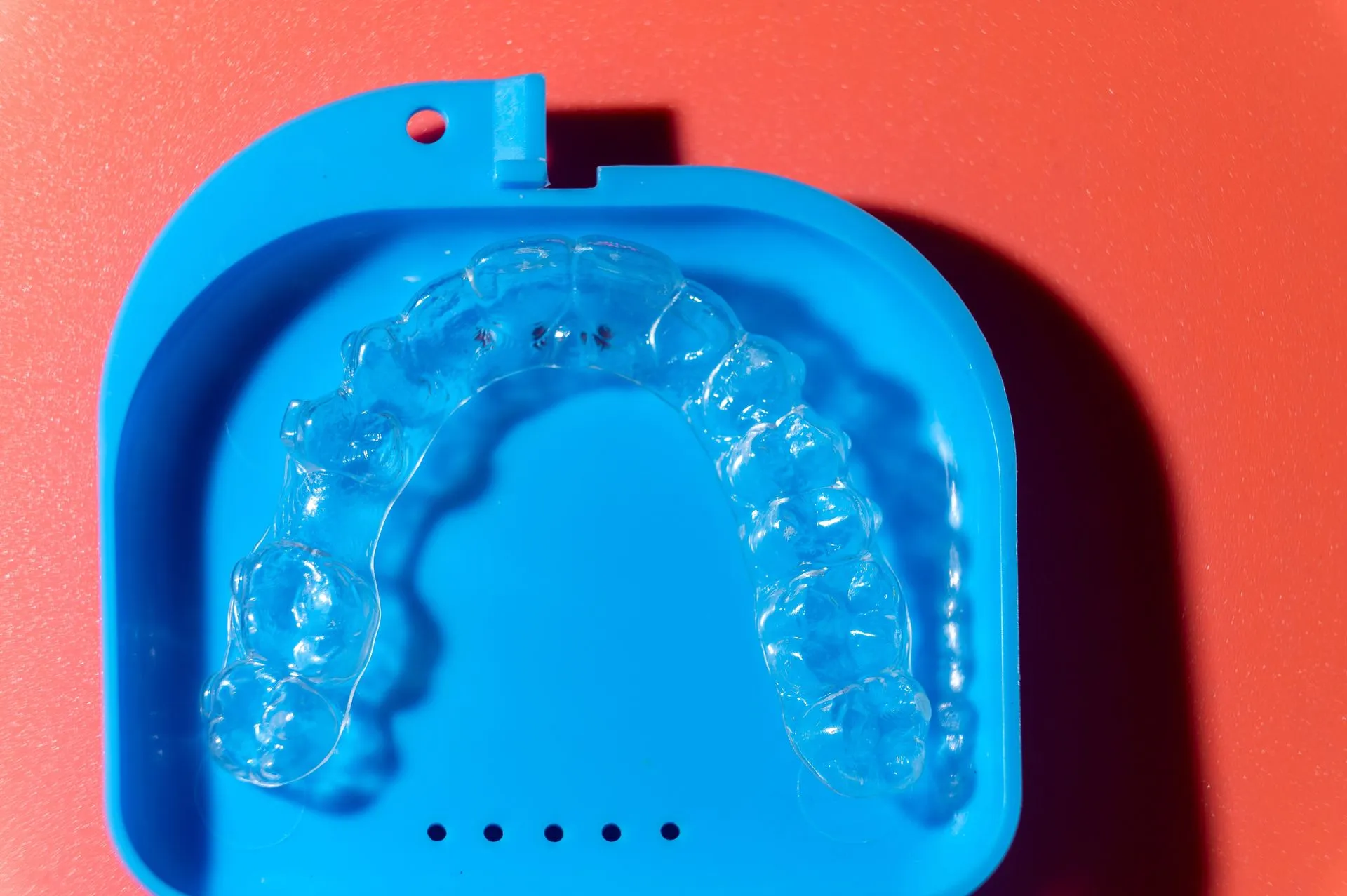
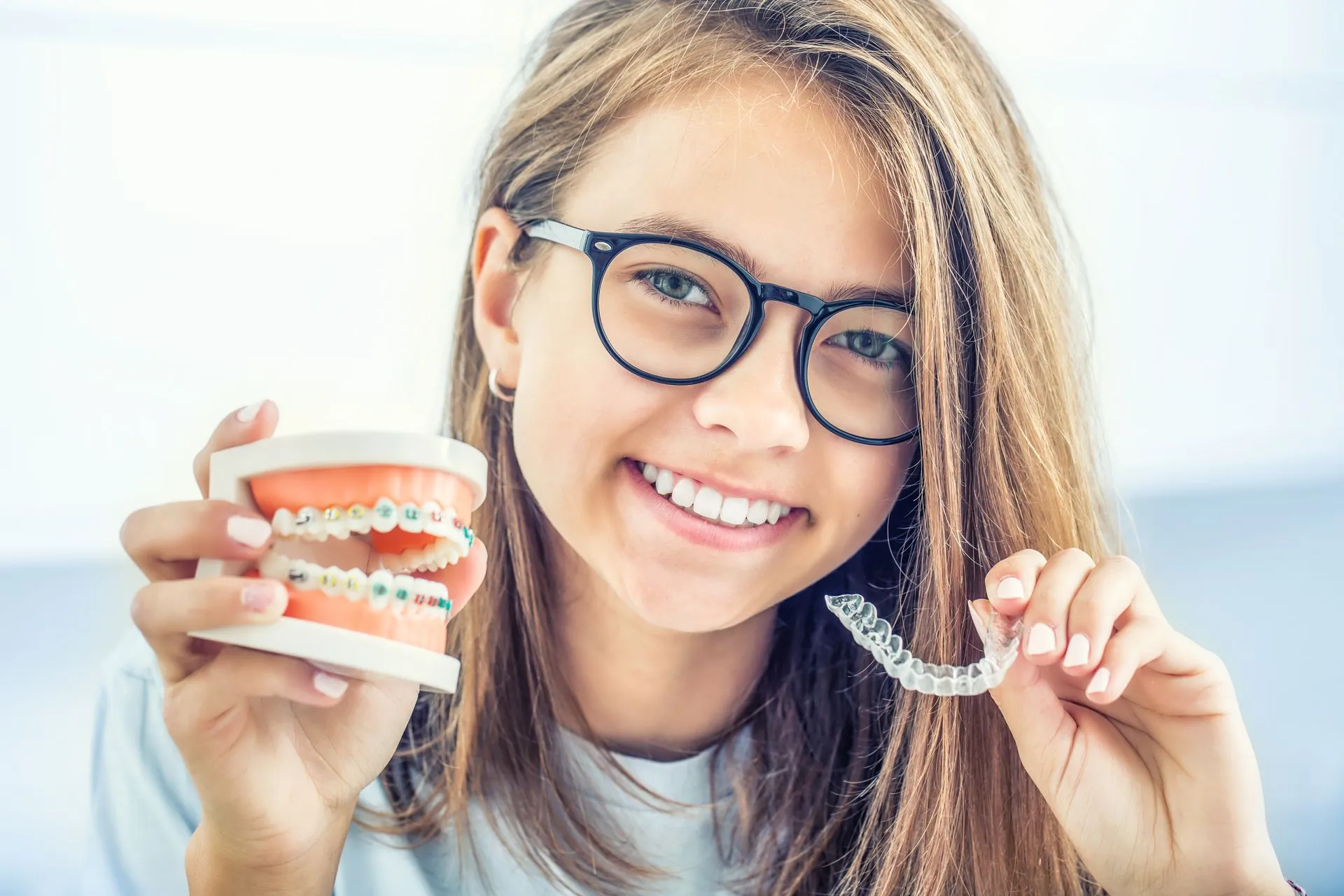
Among the recommended treatments at this stage are the use of palatal expanders, which help widen the upper jaw, and removable orthodontic appliances that assist in the correct repositioning of the teeth and jaws.
What is Functional Orthopedics of the Jaws?
Functional Orthopedics of the Jaws uses removable orthopedic devices, completely customized for each child, which naturally and progressively stimulate bone growth and promote the correct positioning of the teeth, eliminating undesirable functional interferences.
In the case of a crossbite, the aim of treatment is to expand the upper jaw, correcting the discrepancy between the jaws. By intervening in the bony structure, it is possible to retrain the neuromuscular system of the mouth and face, restoring not only facial aesthetics harmoniously but also the functions of chewing and speaking.
Consequences of not treating in time
The lack of correction of the crossbite in a timely manner can lead to visible facial asymmetries, unilateral muscle overload, joint pain, and persistent occlusion problems. In cases of anterior crossbite, it is common to see underdevelopment of the upper jaw (retrognathism), compromising not only facial aesthetics but also respiratory function.
Nighttime respiratory disorders associated with poor mandibular positioning can affect sleep quality and, consequently, academic performance. Furthermore, failure to intervene early may make future treatment more complex and prolonged, often requiring more invasive orthodontic or surgical approaches in adulthood.
Treating Crossbite in Adults
Treatment of crossbite in adults tends to take longer than in children or adolescents, as the facial bony structure is already fully developed and more rigid. Nevertheless, with specialized follow-up and the collaboration of the patient, it is entirely possible to achieve satisfactory results, ensuring a functional and healthy bite.
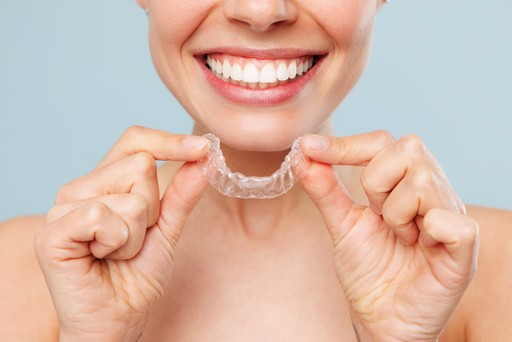
Intervention generally involves the use of fixed orthodontic appliances or invisible aligners, which can, in some cases, be combined with removable orthopedic devices to optimize results. Additionally, in more complex situations, it may be necessary to resort to complementary techniques, such as assisted expansion or even surgical procedures, ensuring effective and lasting treatment.
The importance of a multidisciplinary approach
At MALO CLINIC, crossbite treatment is performed by a specialized team, which includes functional orthopedists and orthodontists, and may also involve the collaboration of speech therapists and otolaryngologists, whenever necessary. This integrated approach ensures more complete and lasting results, as it addresses the functional cause of the problem, and not just the position of the teeth, thereby promoting a global balance of oral and facial health.