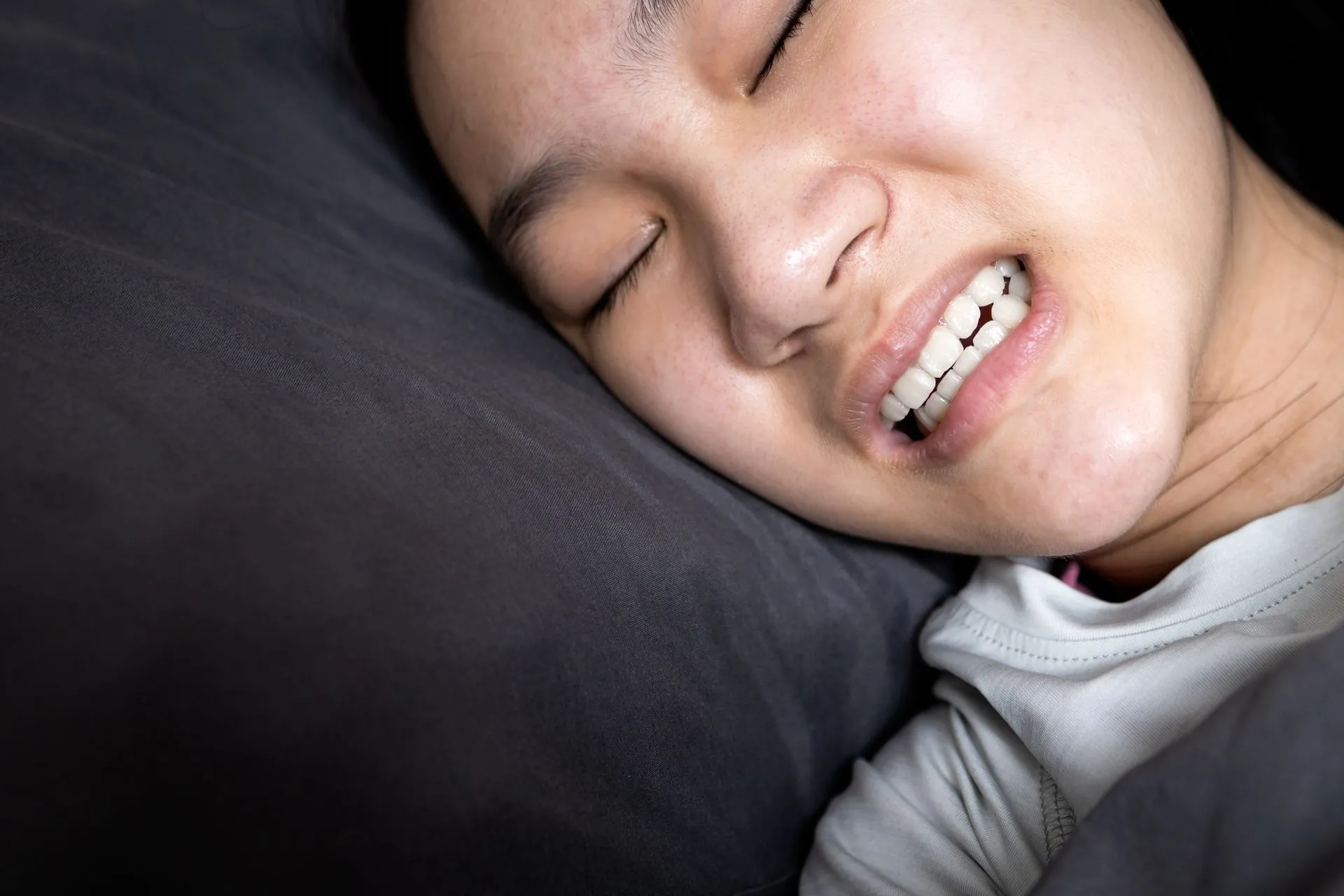
Finished orthodontic treatment and think everything is sorted?
It's a common thought, but it's not correct. Orthodontic treatment doesn't end when the fixed brace is removed or when the treatment with clear aligners is completed – and that's where the retainer comes in, an essential ally for maintaining the results obtained with the treatment. In this article, we explain what a retainer is for, how long it should be worn, and the risks of neglecting its use.
What is a retainer?
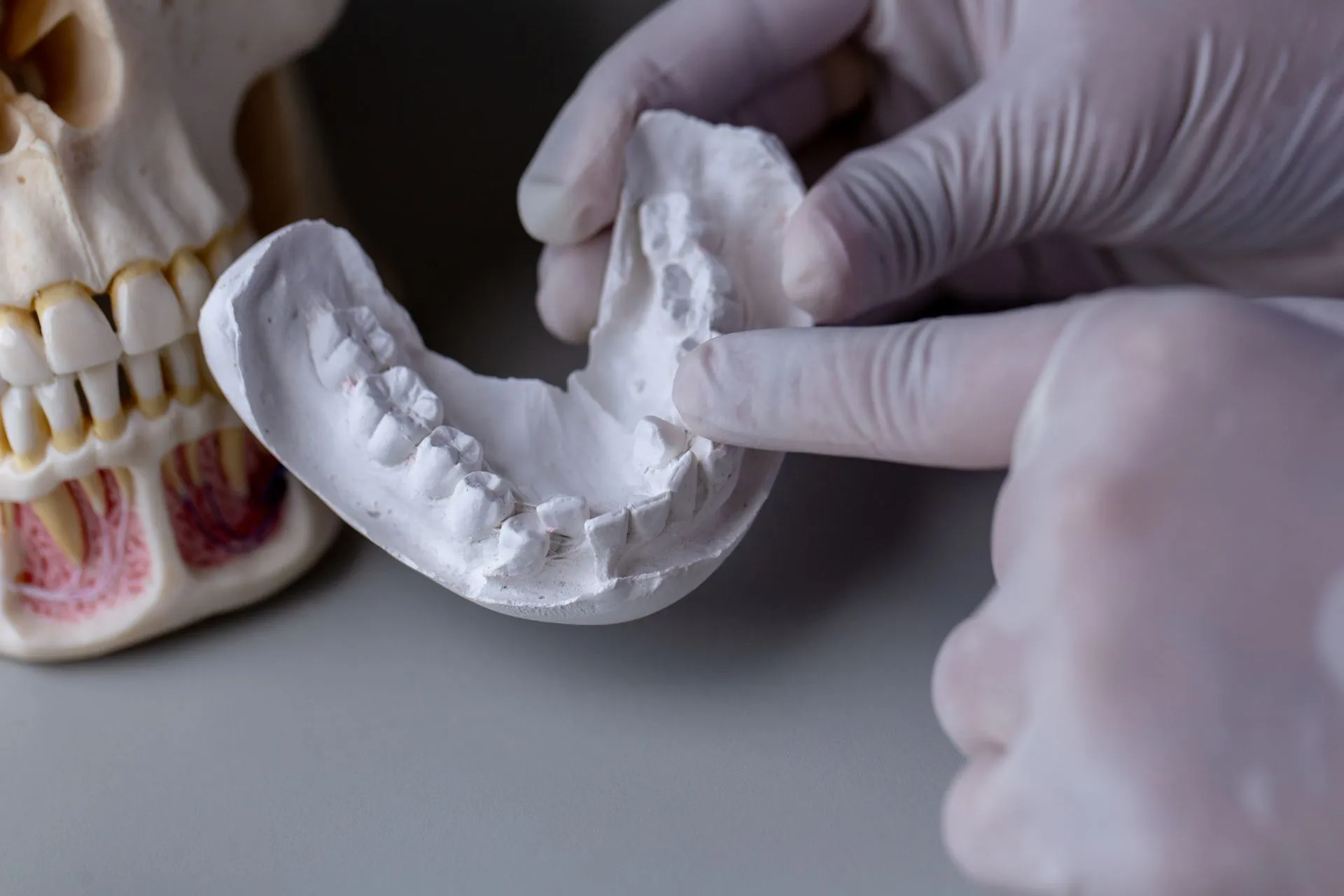
It's an orthodontic device that is placed after the removal of fixed braces or after treatment with clear aligners. Its function is to prevent teeth from moving back to their original position — a phenomenon called orthodontic relapse.
There are two types of retainers:
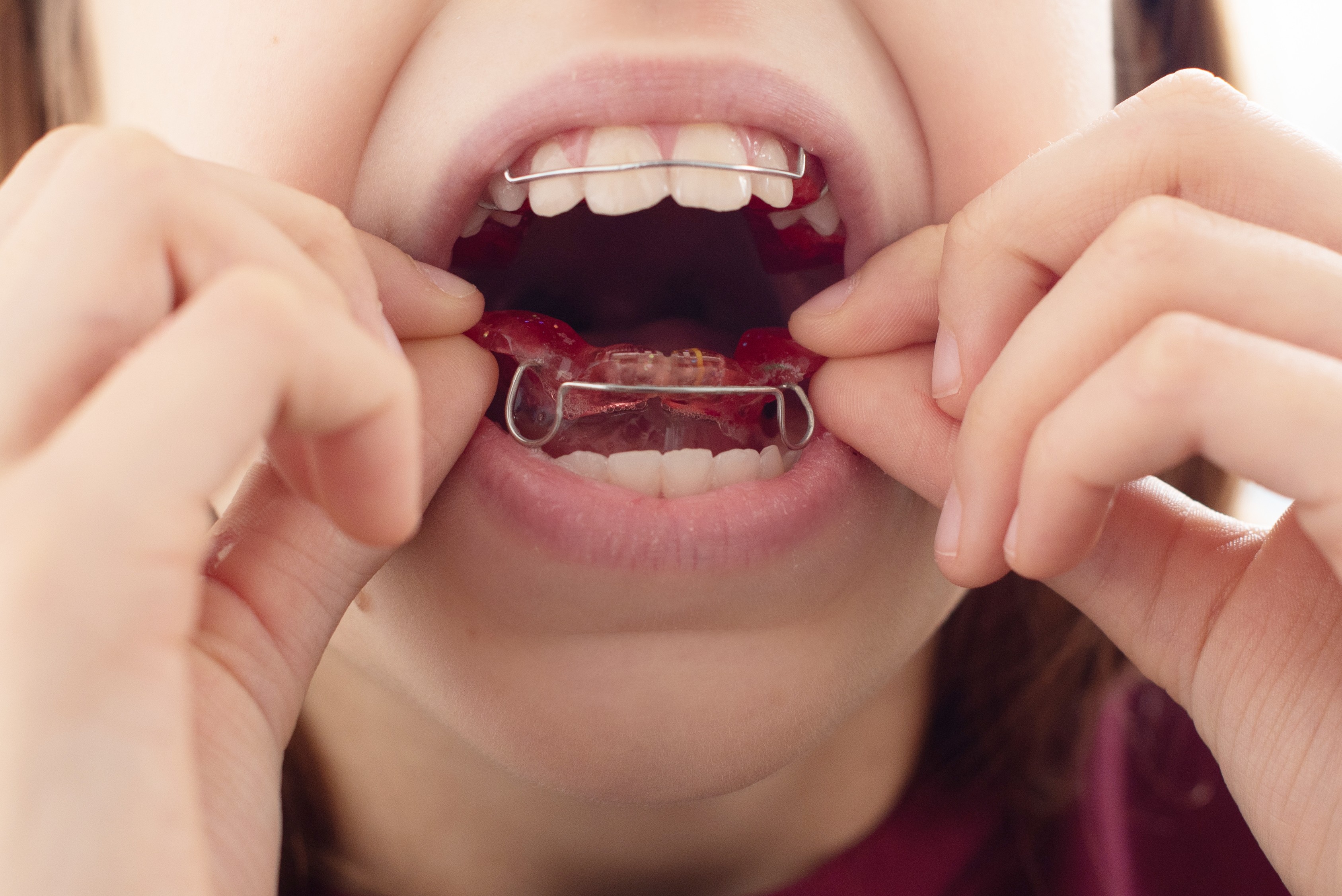
Fixed retainer: consists of a thin metal wire fitted to the back of the teeth. Normally, the retainer is used on the lower teeth, but depending on the clinical case, it can also be recommended for the upper teeth.
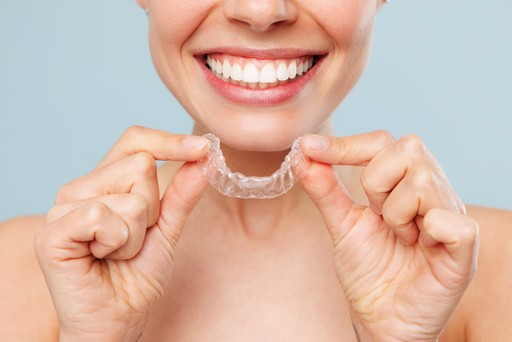
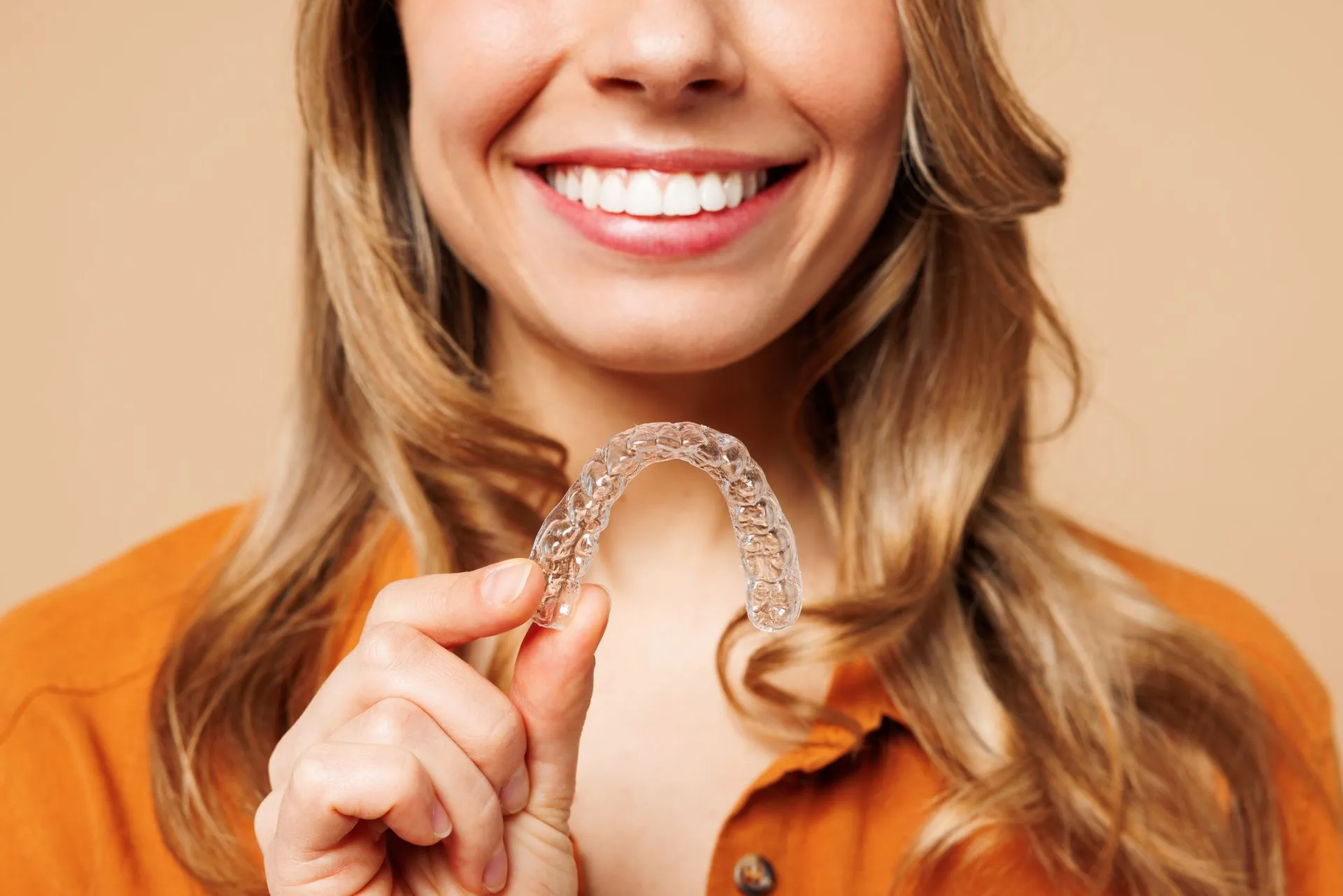
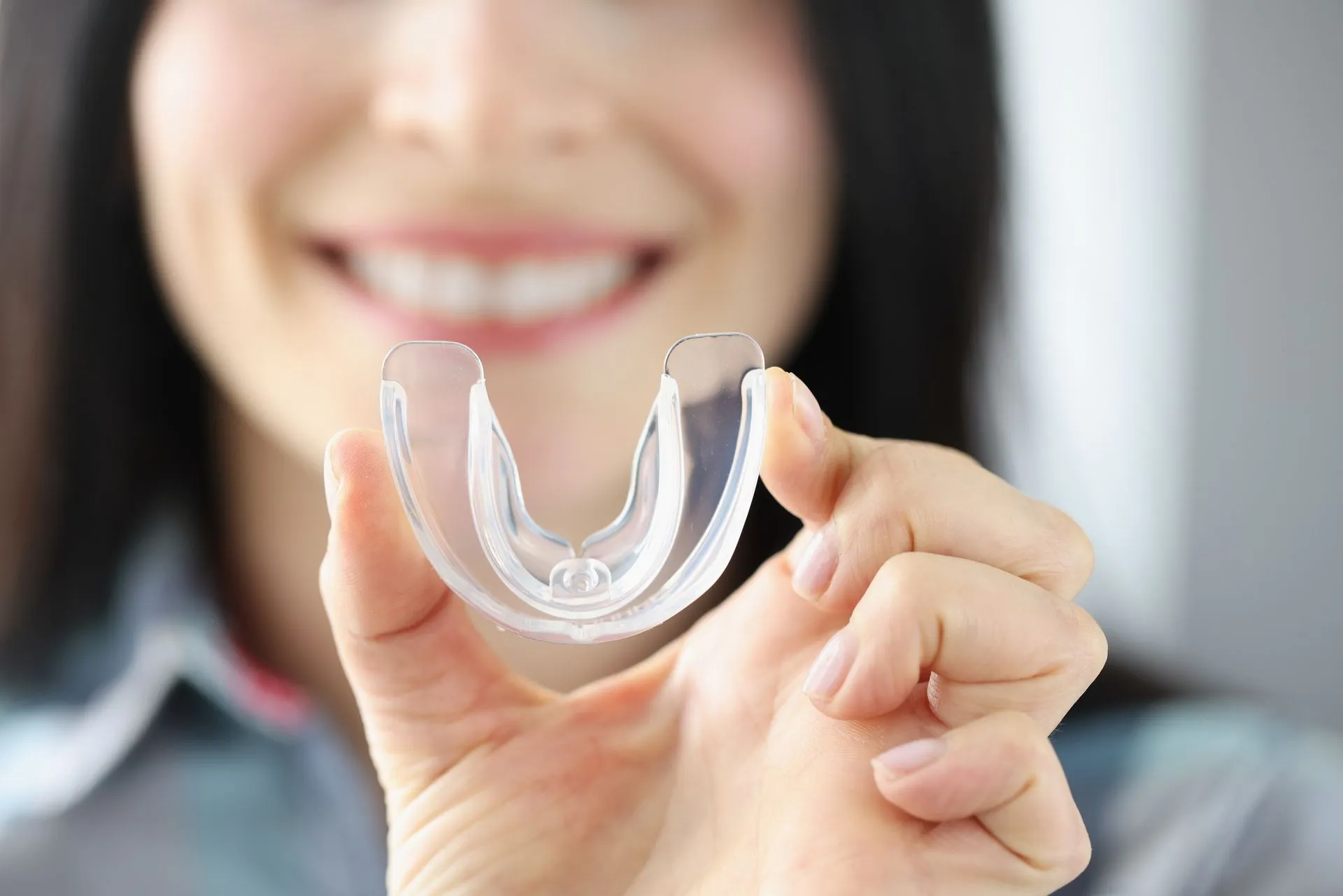
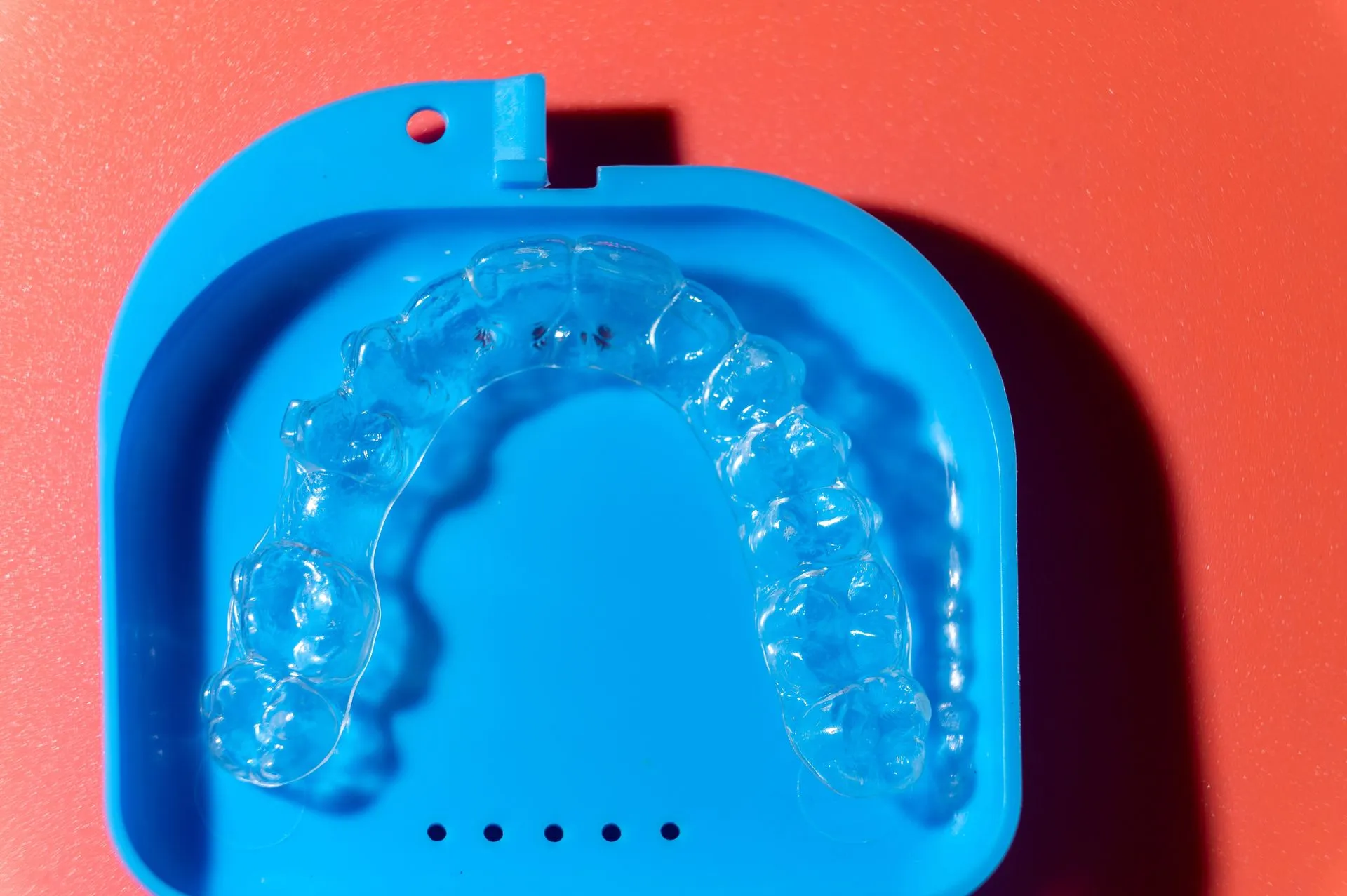
Removable retainer: consists of a clear tray, similar to a clear aligner, recommended to be worn at night.
Once orthodontic treatment is completed, the teeth are in a new position, but all supporting tissues, such as the gums, bone, and ligaments, are still in the process of regenerating. Without the use of a retainer, the probability is that the teeth will gradually return to their initial position, compromising the entire investment made in time, effort, and money.
Essentially, it's as if there is a biological memory regarding the initial position of the teeth and the periodontal ligament, responsible for connecting the tooth to the bone, which will tend to move the tooth back to where it was before treatment. Only with time and the use of a retainer is it possible to stabilise this new position.
Thus, the retainer serves mostly to:
Prevent tooth movement;
Stabilise the alignment achieved;
Maintain dental aesthetics and a harmonious smile;
Preserve bite functionality.
What is a dental retainer for?
How long should you use the retainer?
The duration of use of a fixed retainer depends on the clinical case and the recommendation of the orthodontist. However, it is common to use it for several years, and in some cases, the fixed retainer is maintained permanently and indefinitely.
Regarding the removable retainer, it should be used every night.
Maintaining this habit is simple and does not cause discomfort, making a difference in maintaining the treatment results and stability of the smile.
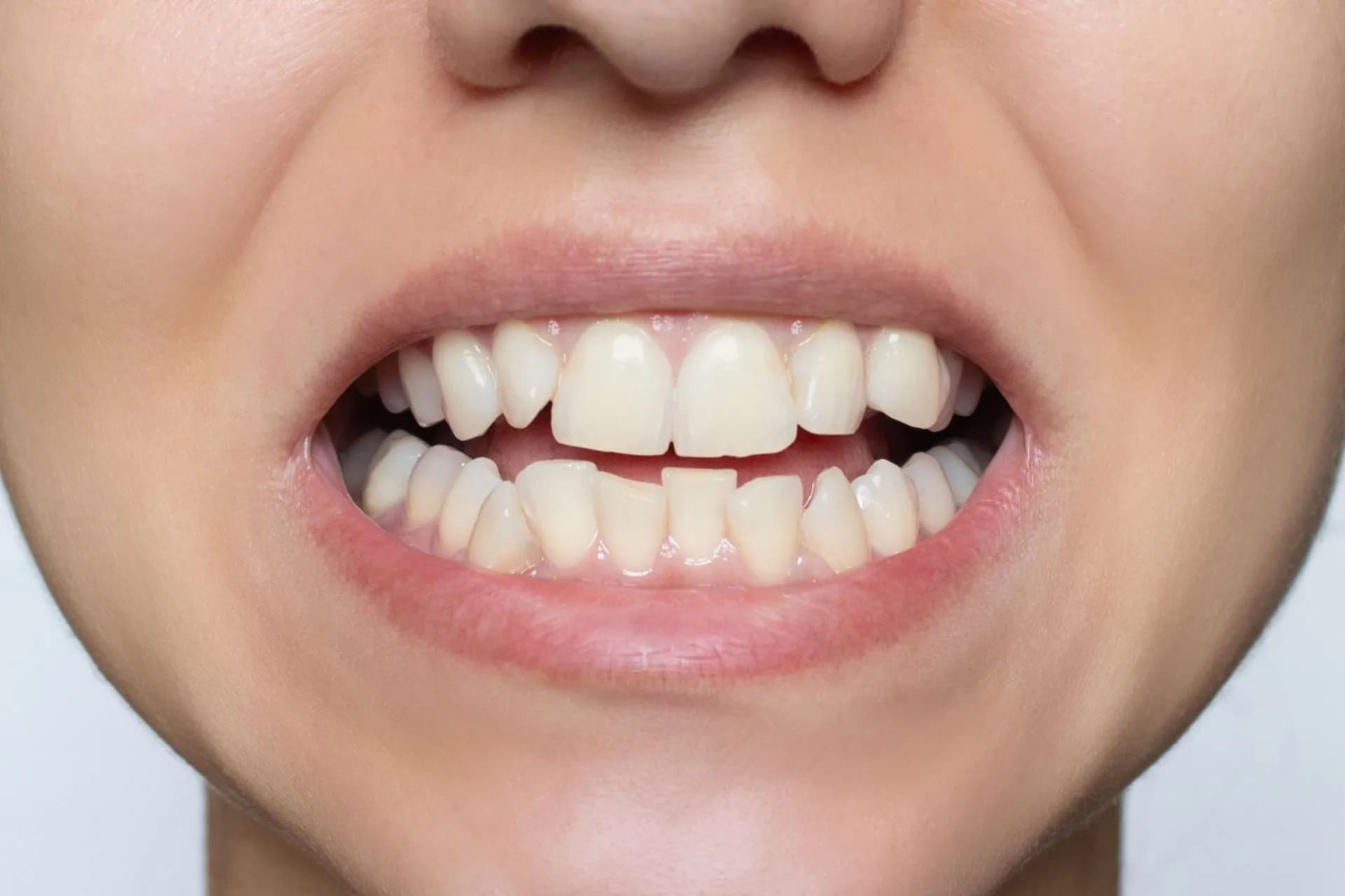
What if you don’t use the retainer?
Many patients, after completing orthodontic treatment, undervalue the importance of using the retainer. The result? Teeth misaligned again.
Care to take with the retainer
Maintain strict oral hygiene, especially if it is a fixed retainer, which is more susceptible to plaque and tartar accumulation.
Regular appointments with the dentist and oral hygienist, ideally every 6 months, not only to allow for professional oral hygiene with effective removal of plaque and tartar but also to adjust daily oral hygiene methods and ensure that the fixed retainer remains intact.
Avoid very hard and sticky foods that can dislodge or damage the fixed retainer.
Do not lose or damage the removable retainer. If either of these situations occurs, the retainer should be replaced quickly.
Frequently Asked Questions
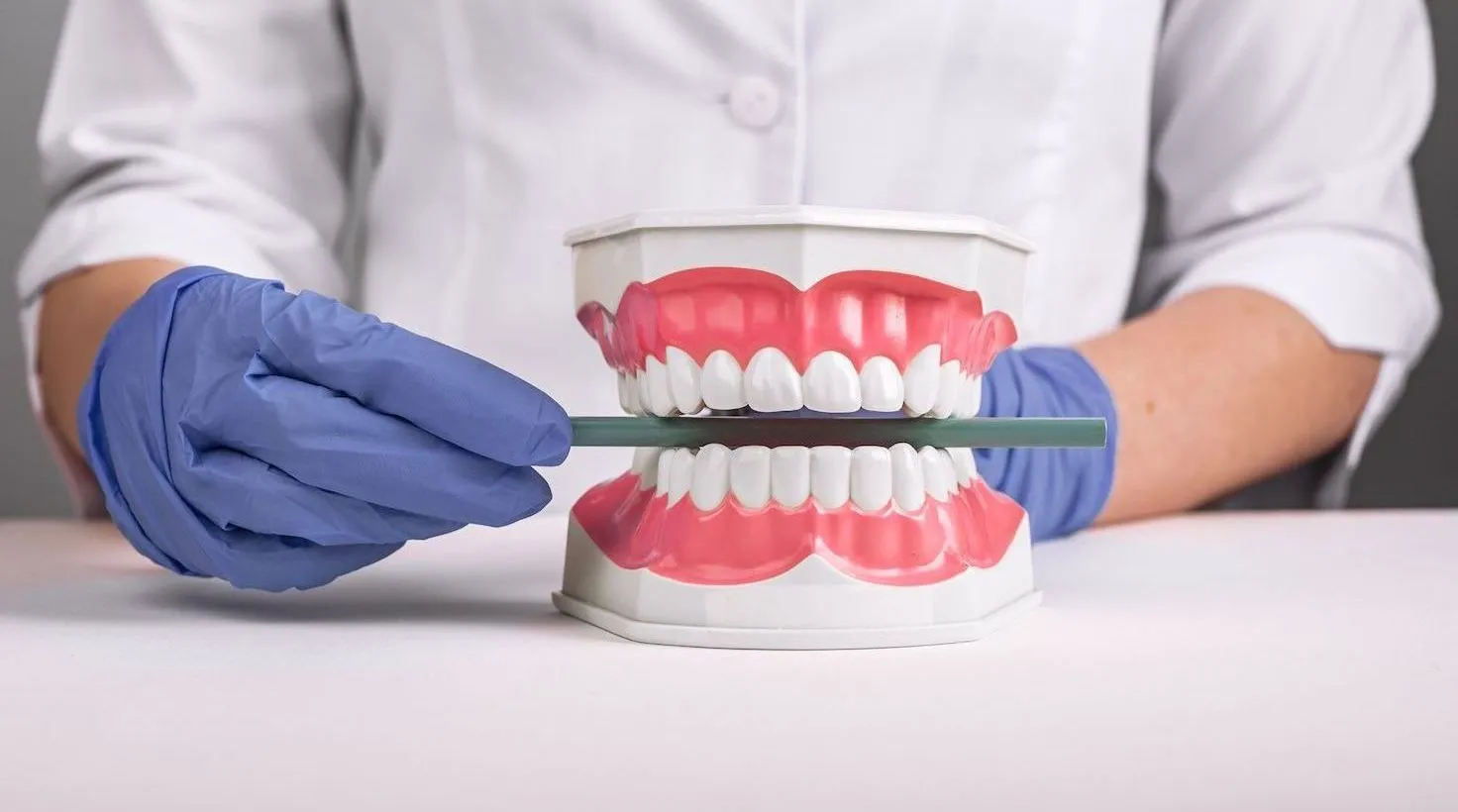
The retention device is as important as the appliance chosen for orthodontic treatment. It should therefore be considered an essential part of orthodontic care. According to the American Association of Orthodontists (AAO), orthodontic retention should be viewed as a vital phase of treatment, not as optional. The stability of the teeth depends almost exclusively on the correct use of this device.
Want to protect your smile in the long term? Talk to us.