
Devices and early intervention
Is the orthodontic appliance the most suitable for children? In what situations and from what age is it advisable to resort to orthodontic treatment? It is very common for parents to question the importance and necessity of orthodontic treatment for their children. Therefore, to clear up any doubts, we explain the actual advantages of early intervention!
What are the benefits of using an orthodontic appliance during childhood?
Choosing to use an orthodontic appliance in childhood offers advantages that go far beyond aesthetics. In fact, the use of an appliance has benefits mainly in functional terms, at the skeletal, dental, respiratory, and phonetic levels. Moreover, its use during childhood means a simpler and more effective approach, saving more complicated and costly treatments at older ages. Here are some benefits of this treatment during this early stage of life:
Improvements in the growth and development of arches and teeth;
Improvements in speech, breathing, and chewing;
Prevention of temporomandibular joint problems related to the jaw;
Improvement of self-esteem.
In what situations should children resort to this treatment? And what is the indicated specialty?
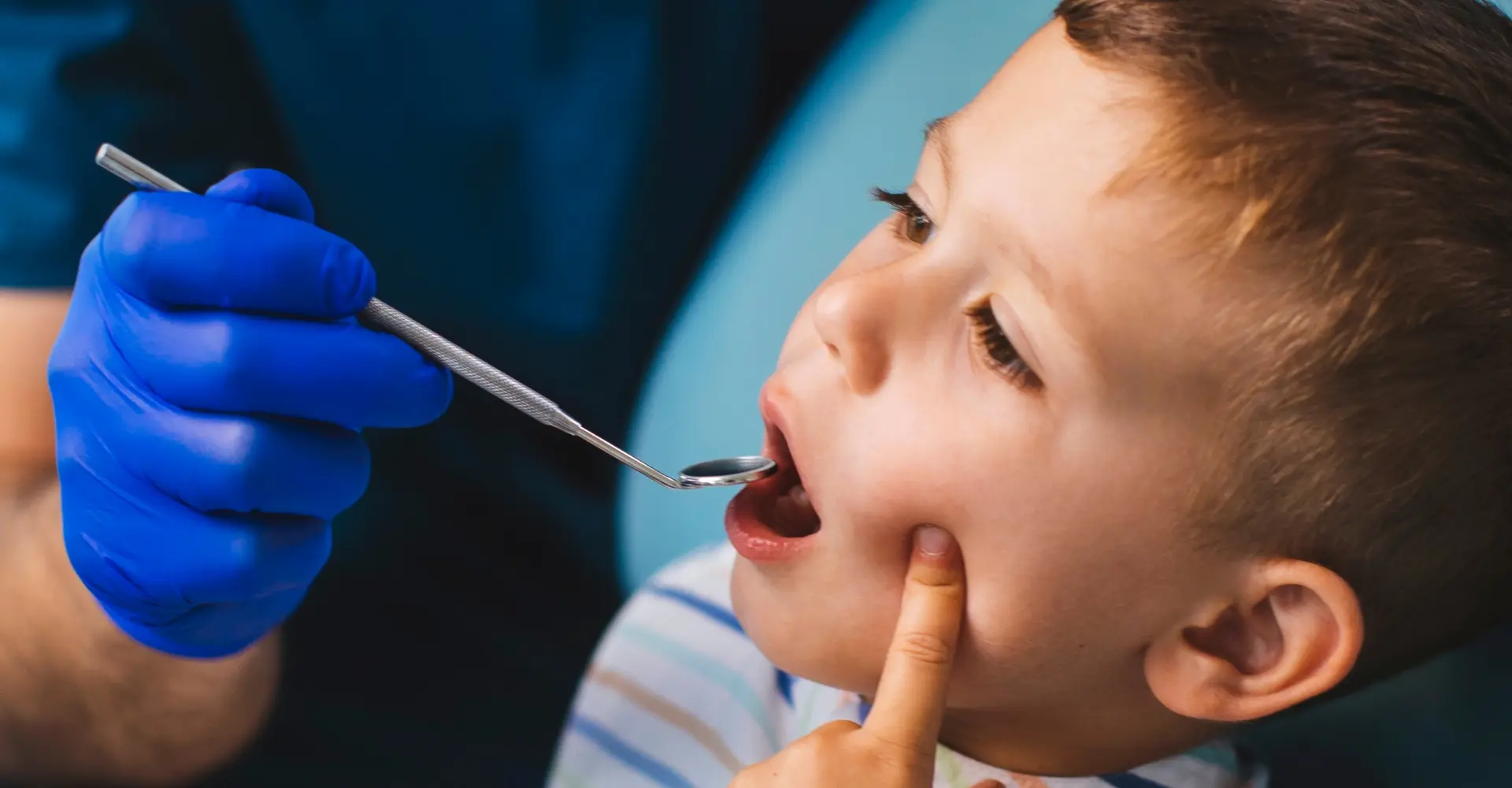
As with any treatment, prior diagnosis to determine the recommended procedure for each case is essential. Therefore, the specialty involved in this type of treatment is Orthodontics, or more specifically, Functional Jaw Orthopedics. This is the specialty that diagnoses, prevents, controls, and treats growth and development problems affecting dental arches and their bony bases.
Thus, we reveal some of the main conditions associated with orthodontic problems for which children should use the appliance:
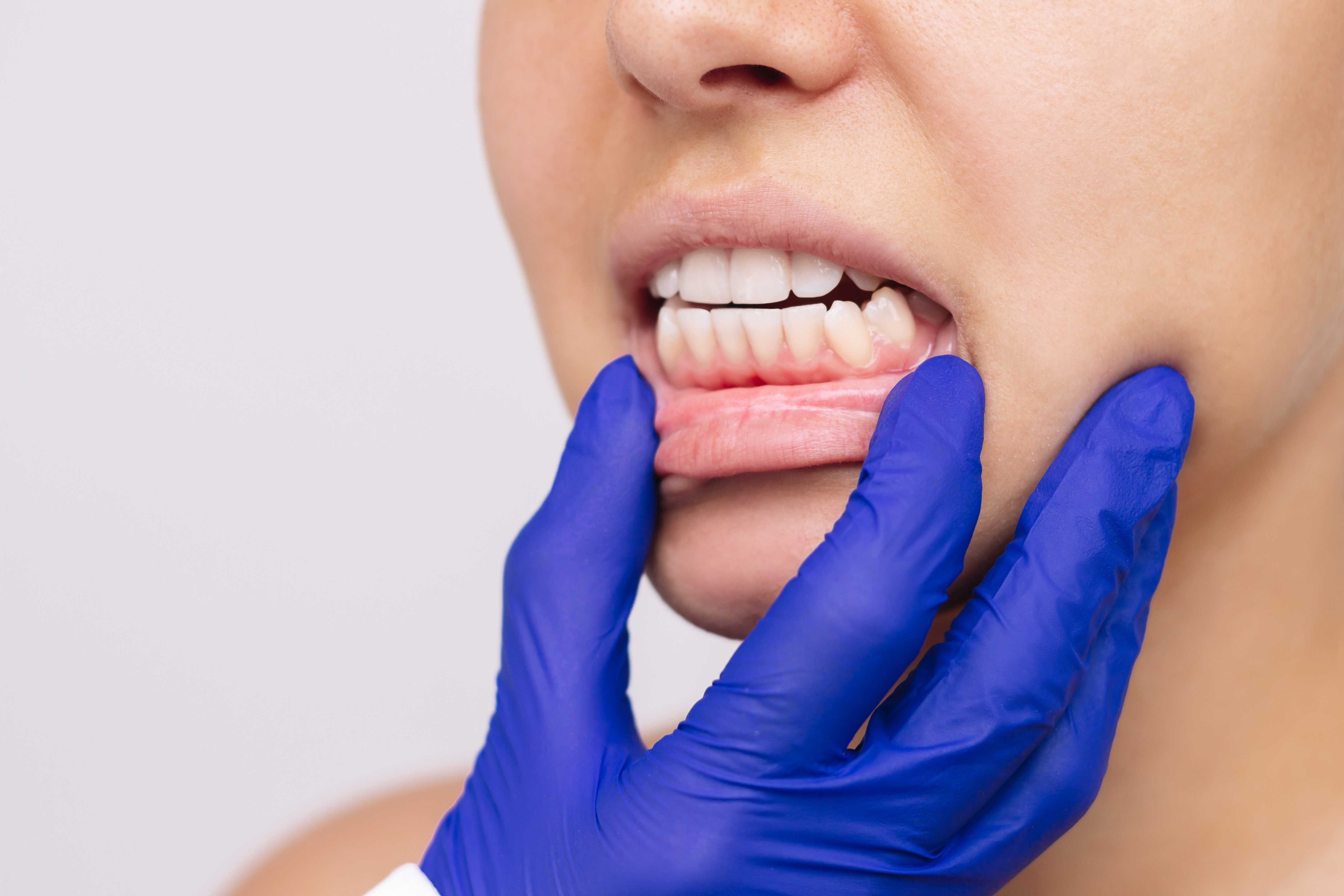
Development of overlapping or spaced teeth (crooked teeth);
Crossbite or open bite;
Poor tongue positioning;
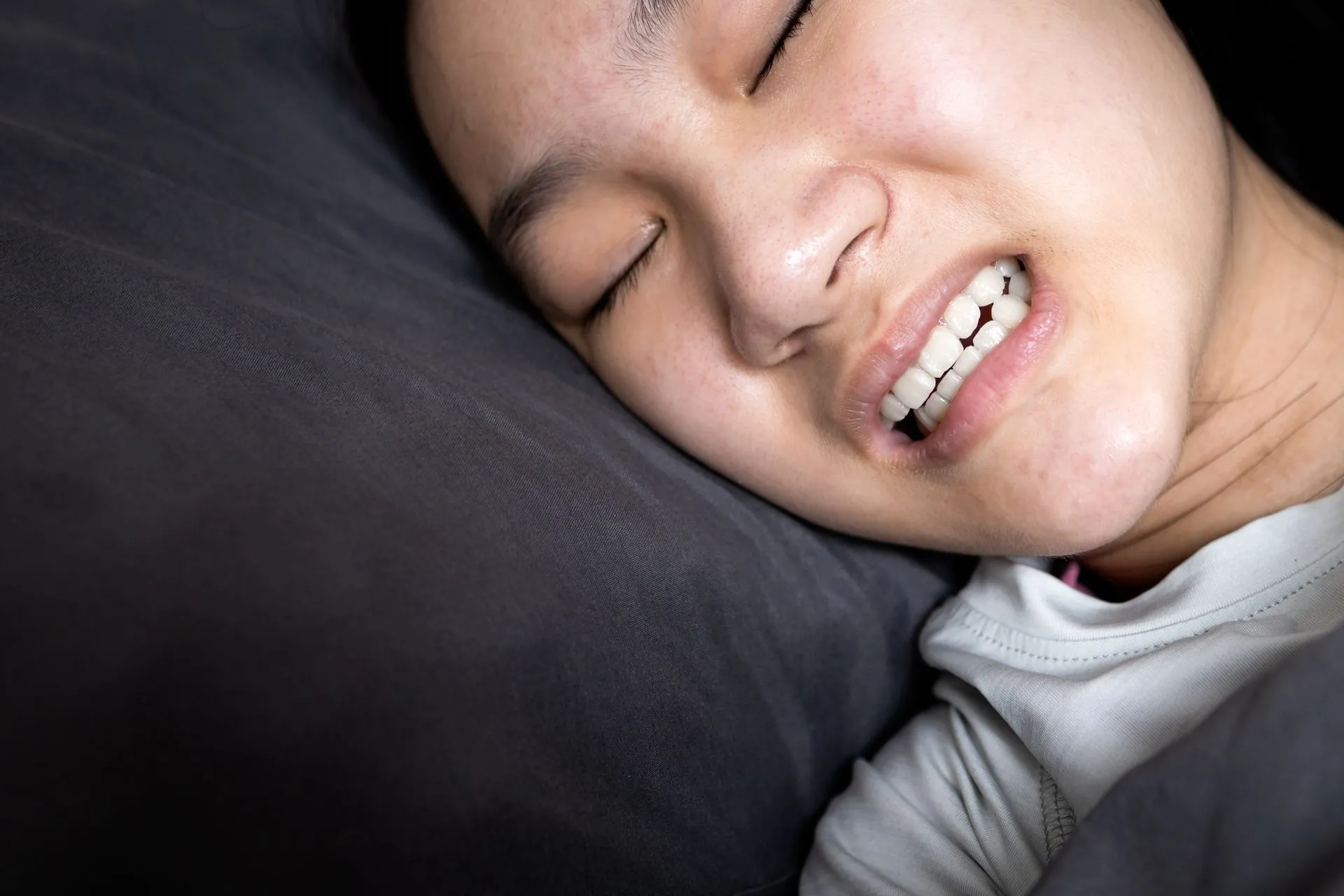
Bruxism;
Sleep apnea;
Incorrect position of the lower jaw.
From what age is the orthodontic appliance recommended?
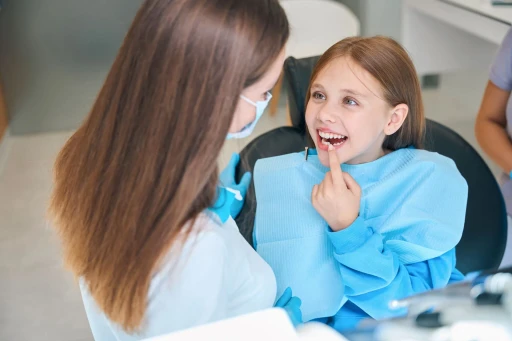
The implementation of orthodontic treatment – when necessary – is highly recommended in the early stage of life. Ideally, the first assessment of the need to use an appliance should take place around the age of 6-7 years. At this stage, the child is beginning the transition from deciduous teeth – or milk teeth – to permanent teeth, and most orthodontic problems can already be detected.
Nonetheless, the existence of milk teeth does not prevent orthodontic treatment. The appropriate age to start using an appliance should always depend on the diagnosis made by the orthodontist, who will determine the correct timing to begin treatment.

But how does this type of treatment work? And what types of orthodontic appliances for children are there?
Orthodontic treatment is a painless and minimally invasive process that uses appliances to reshape the bone, muscle, and joint structures of the face through sensory stimuli. These appliances remove undesirable interferences during growth and physiological development and promote better functionality of the dental arch. Through the stimuli created by the appliance, the teeth, muscles, and joints adapt and correct their position and development.
For this treatment in childhood, there are three types of appliances that may be recommended, and their choice should always be made based on the orthodontist's indications.
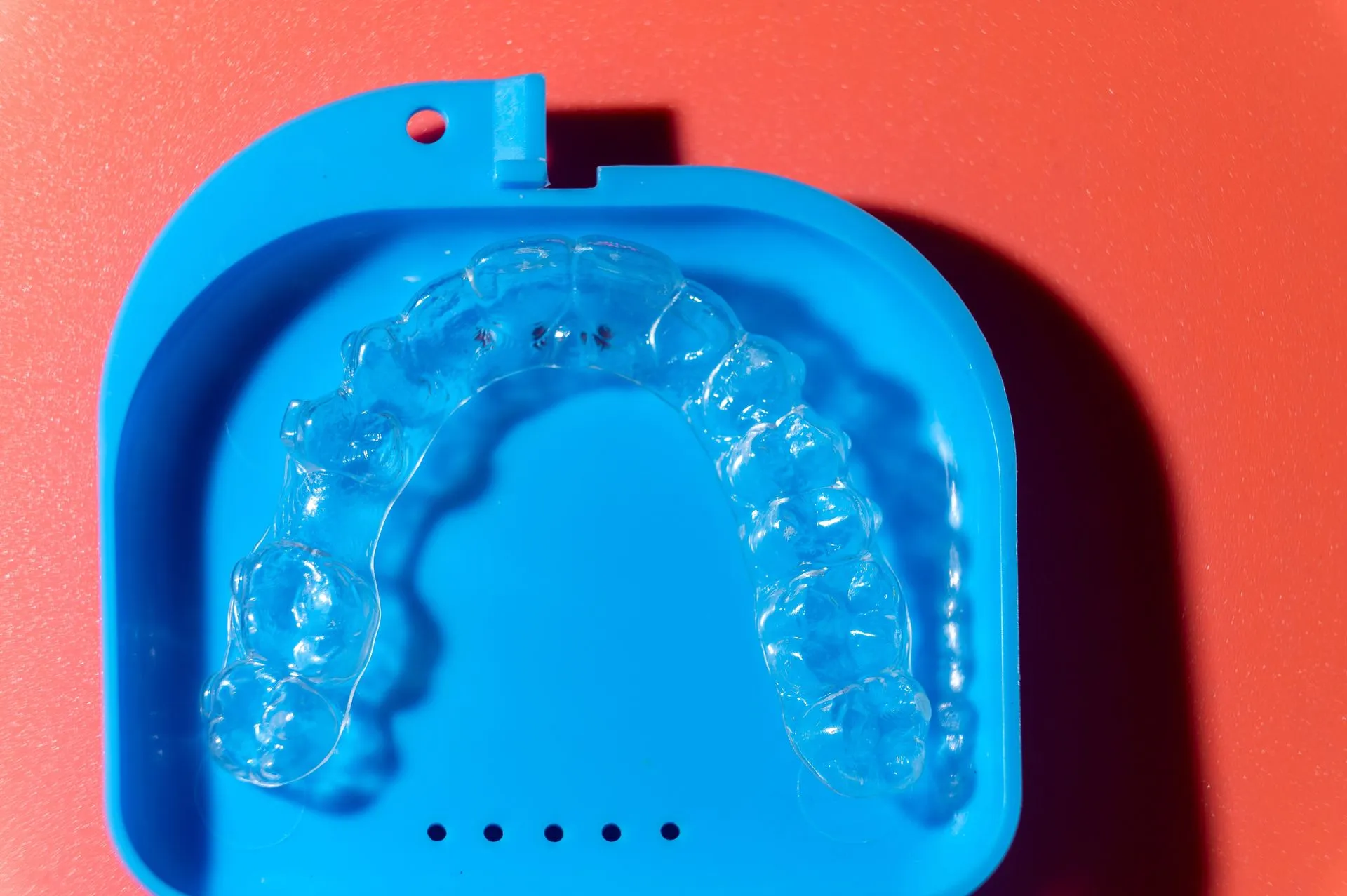
Removable appliance: The removable appliance is one of the main options during childhood, and it can be used during the mixed dentition phase, typically up to the age of 12. This type of appliance acts on the bone development of the patients and should be removed at certain times, such as when eating or performing oral hygiene. To ensure that it does not compromise the effectiveness of the treatment, it should be used for several consecutive hours without interruption.
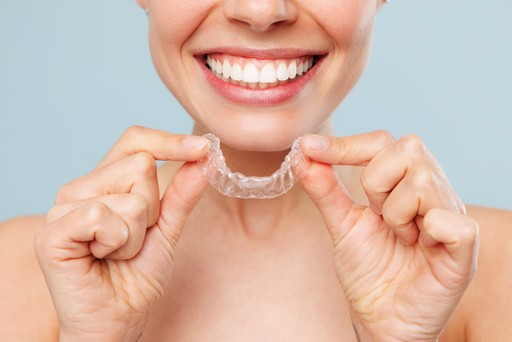
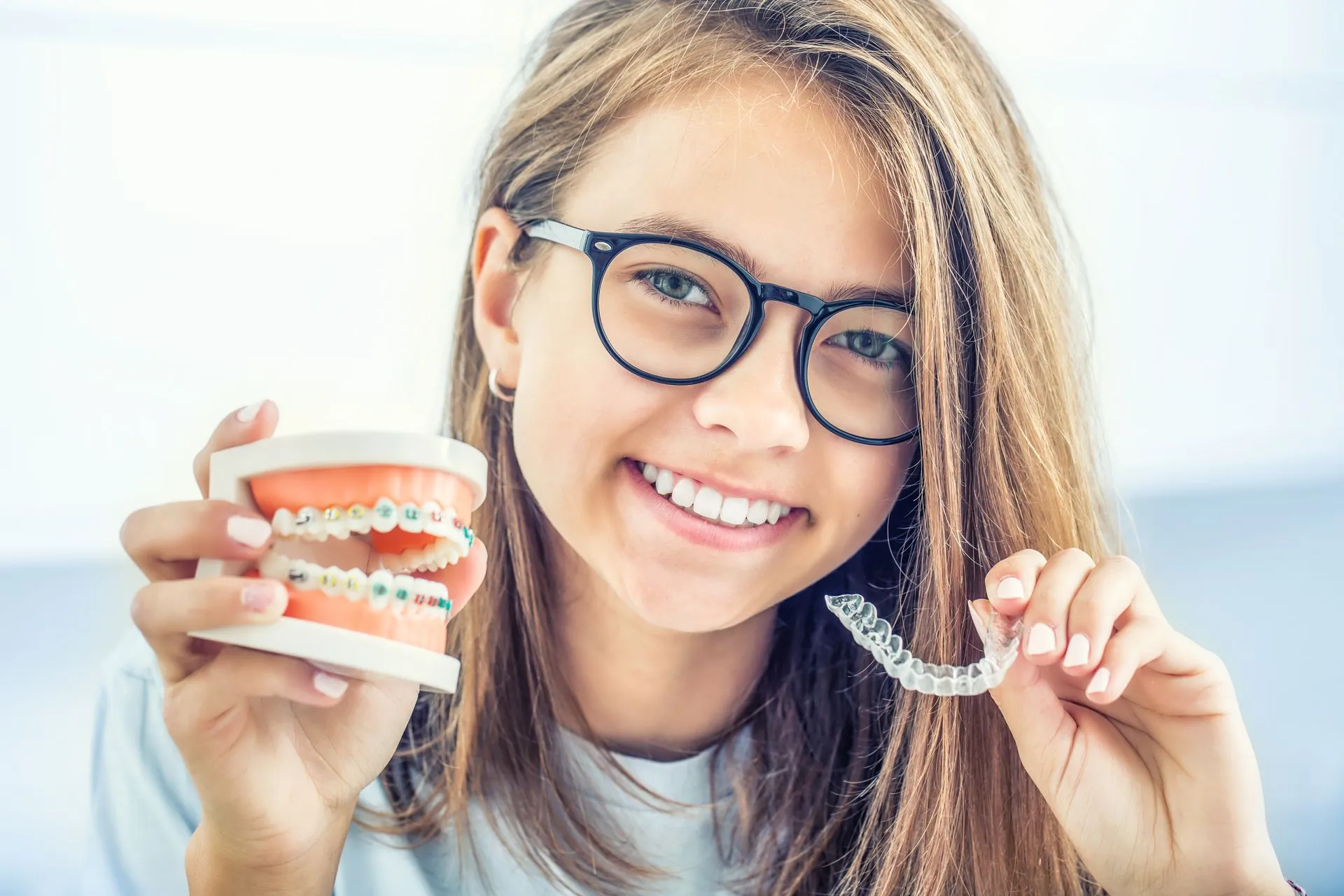
Dental aligners: Perhaps the most discreet option for aligning and correcting orthodontic issues, the invisible appliance can be used by children from the age of six. The invisible aligners consist of the use of clear trays that, when fitted to the teeth, provide the necessary pressure for them to be in the correct position. They are personalized for each patient and removable, making daily oral hygiene and mealtime easier.
Fixed appliance: For children who are already entering their teenage years, there is also the fixed orthodontic appliance, recommended for patients who have already developed their permanent dentition. This appliance consists of placing brackets that are adhered to the teeth to which a wire arch is applied, with an average usage time of two years.
How long does treatment with orthodontic appliances for children take?
The duration of orthodontic appliance use can be influenced by various factors, and it varies from child to child. Nevertheless, most treatments extend between 12 and 24 months, requiring the orthodontist's supervision throughout the treatment.
Essential habits to ensure the success of treatment
Although the use of orthodontic appliances yields effective results, it is very important to follow some habits to ensure the success of the treatment. Here are the habits to maintain for achieving a healthy and aligned smile:
Properly clean the appliance: For removable appliances, appropriate cleaning systems are recommended, and it is essential to teach children to clean their appliance independently and correctly. In the case of fixed appliances, there is a modified oral hygiene routine that includes using accessories such as an interdental brush and a dental floss threader; Maintain follow-up appointments with the orthodontist: keeping routine appointments is essential to ensure the success of orthodontic treatment, to monitor it and adapt it to each patient's needs;
Maintain oral hygiene habits: during the treatment, all daily oral hygiene habits must be maintained, such as brushing the teeth at least twice a day and using dental floss appropriate to the type of appliance.
Keep routine Oral Hygiene appointments: during treatment, it is essential to maintain routine appointments at least every 6 months;
Avoid foods that may damage the fixed appliance: in the case of fixed appliances, it is necessary to follow the orthodontist's recommendations regarding the type and consistency of foods to avoid damaging the components of the appliance. Gummy candies, chewing gum, caramels, hard or dried fruits, and carbonated beverages are some examples of foods to avoid.