
Discover when this habit can become a problem
Although quite common in the first years of life, prolonged use of a pacifier or the habit of thumb-sucking can cause changes in the growth of the jaw, tongue positioning, and even the development of speech. In this article, we explain when and how to intervene, and what treatments are available to correct the consequences of these habits.
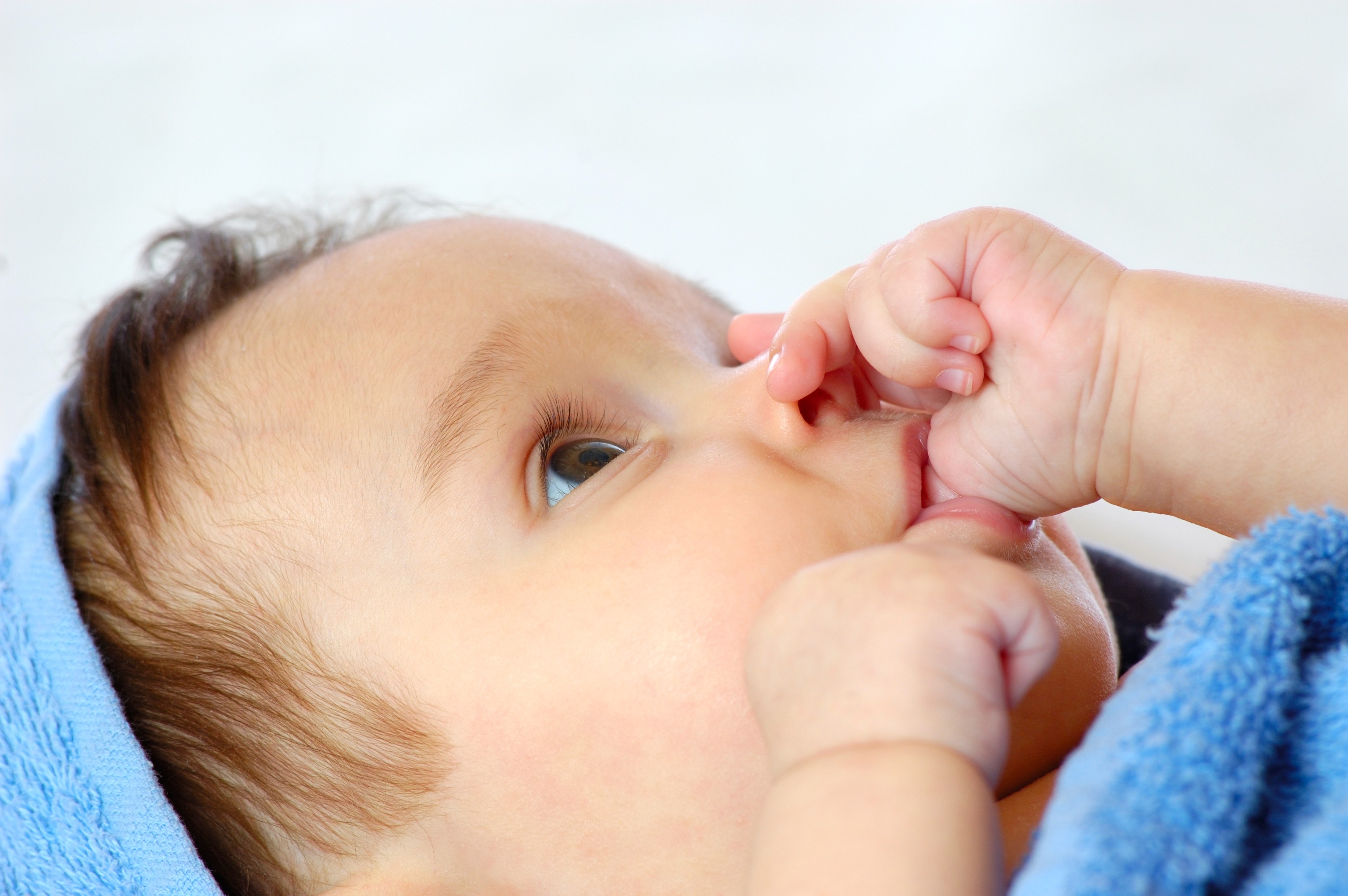
Why do babies suck their thumbs or use pacifiers?
The sucking reflex is innate and essential in the first months of life, not only for feeding but also for the comfort and emotional self-regulation of the baby. This is why many babies resort to non-nutritive sucking as a way to calm themselves. This behavior is normal until about the age of 2, but when it continues beyond that phase, it can have negative consequences for the child’s orofacial development.
When does the habit become harmful?
The continuation of these habits beyond the age of 2 can begin to interfere with normal jaw growth and dental positioning. These imbalances can affect speech, chewing, breathing, and even the child’s facial aesthetics. Studies show that the strength and frequency of the habit are more relevant than its isolated duration. Even if it is only for a few hours a day, if repeated every day, it can exert enough pressure to cause morphological changes. In this sense, the sooner the habit is interrupted, the less the impact will be.
Most common consequences of these oral habits
Among the most common problems associated with non-nutritive oral sucking habits are:
Development of malocclusions such as:
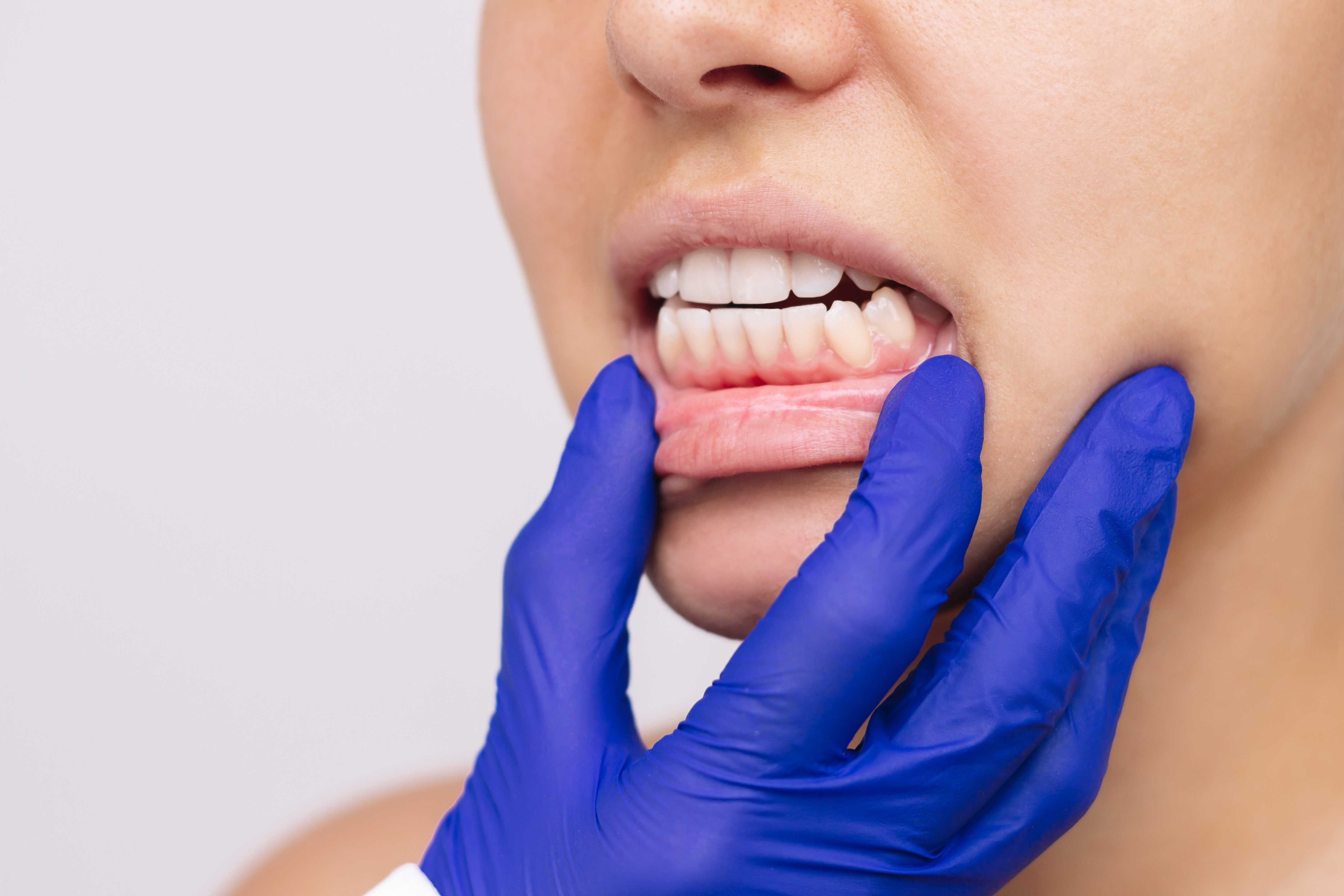
Anterior open bite, characterized by the front teeth not touching when the child closes their mouth, creating a vertical space between them.
Posterior crossbite, when the upper teeth “fit” inside the lower ones, usually due to changes in the growth of the upper arch, often associated with the narrow palate shape caused by sucking on a pacifier or their thumb.
Increased overjet, which is the increased projection of the upper incisors relative to the lower ones (top teeth much farther forward than the bottom ones).
Changes in the shape and growth of the jaw and face
Resulting in a deformed dental arch and possible facial imbalances.
Functional problems, such as:
Difficulty in chewing and swallowing
Changes in breathing, predominantly oral breathing patterns, which can impact sleep, posture, and even the child’s facial features.
Speech disorders, due to incorrect tongue and tooth positioning. It is very common to have difficulty pronouncing sounds like “s”, “z”, or “t”.
Greater likelihood of requiring orthodontic treatment in the future
How to intervene? The role of parents and caregivers
The approach should be gradual, empathetic, and tailored to the child's age and personality. Direct reprimands, ridicule, or punishments tend to be ineffective. The process may take time, but consistency and family support make all the difference. Here are some strategies you might consider:
Avoid leaving the pacifier within the child's reach, making it less likely that they will remember it or feel the urge to use it;
Gradually establish rules and schedules (e.g. only use the pacifier for falling asleep);
Positive reinforcement: praise periods without the use of the pacifier or thumb sucking;
Replace the pacifier with alternative comfort objects like a soft toy, blanket, or special toy, especially at bedtime;
Talk in a friendly and affectionate manner with the child about growing up and why to give up the habit. - Gradual changes to the pacifier, making a small hole that progressively enlarges will diminish the sucking sensation, making the pacifier less attractive, so that the child themselves loses interest.
Avoid comparing the child with siblings or peers who have already given up the habit. Each child has their own pace, and pressure can lead to more anxiety.
Symbolic exchanging or donating is also an effective strategy used by some families. Offering the pacifier to the Fairy, Santa Claus, or even to a baby helps create a positive milestone related to the end of the habit.
It is extremely important that once removed, it should not be returned in situations of crying or tantrums. Consistency in the decision is crucial for the child to understand that they cannot reverse the situation.
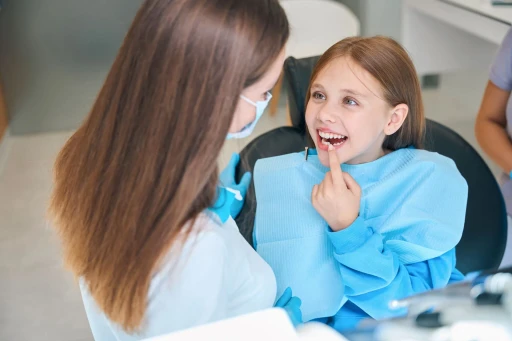
If the habit persists beyond the age of 2-3 years or causes distress, it may be necessary to seek professional support from a pediatric dentist or child psychologist to guide the parents.
What is Functional Jaw Orthopedics and how can it help
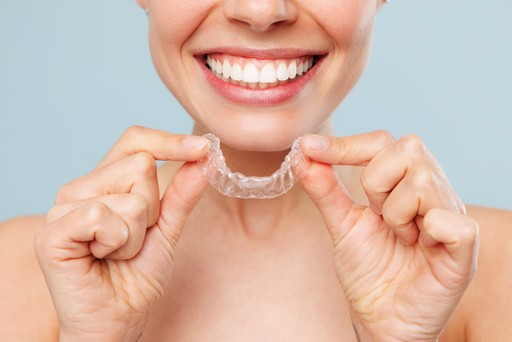
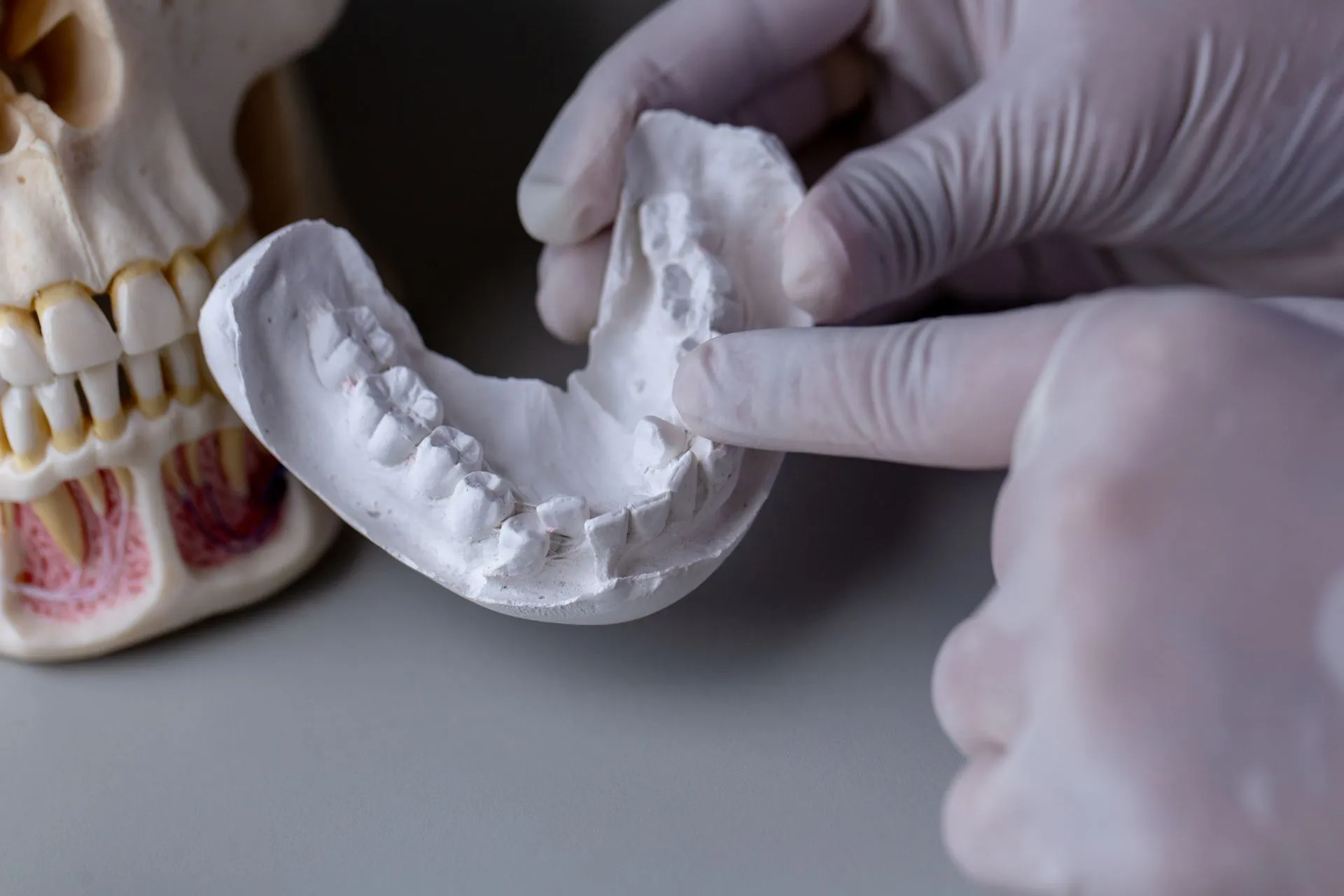
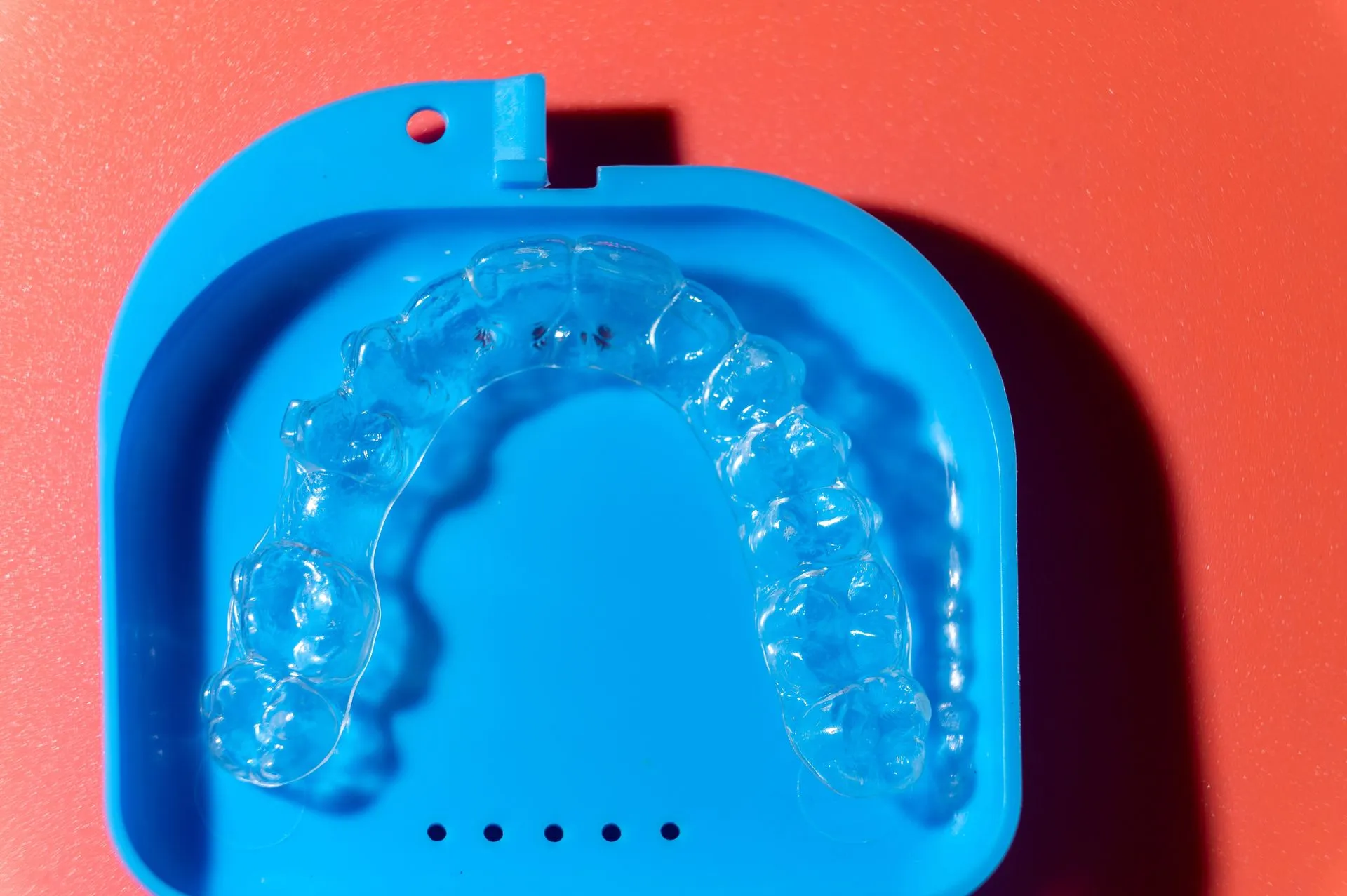
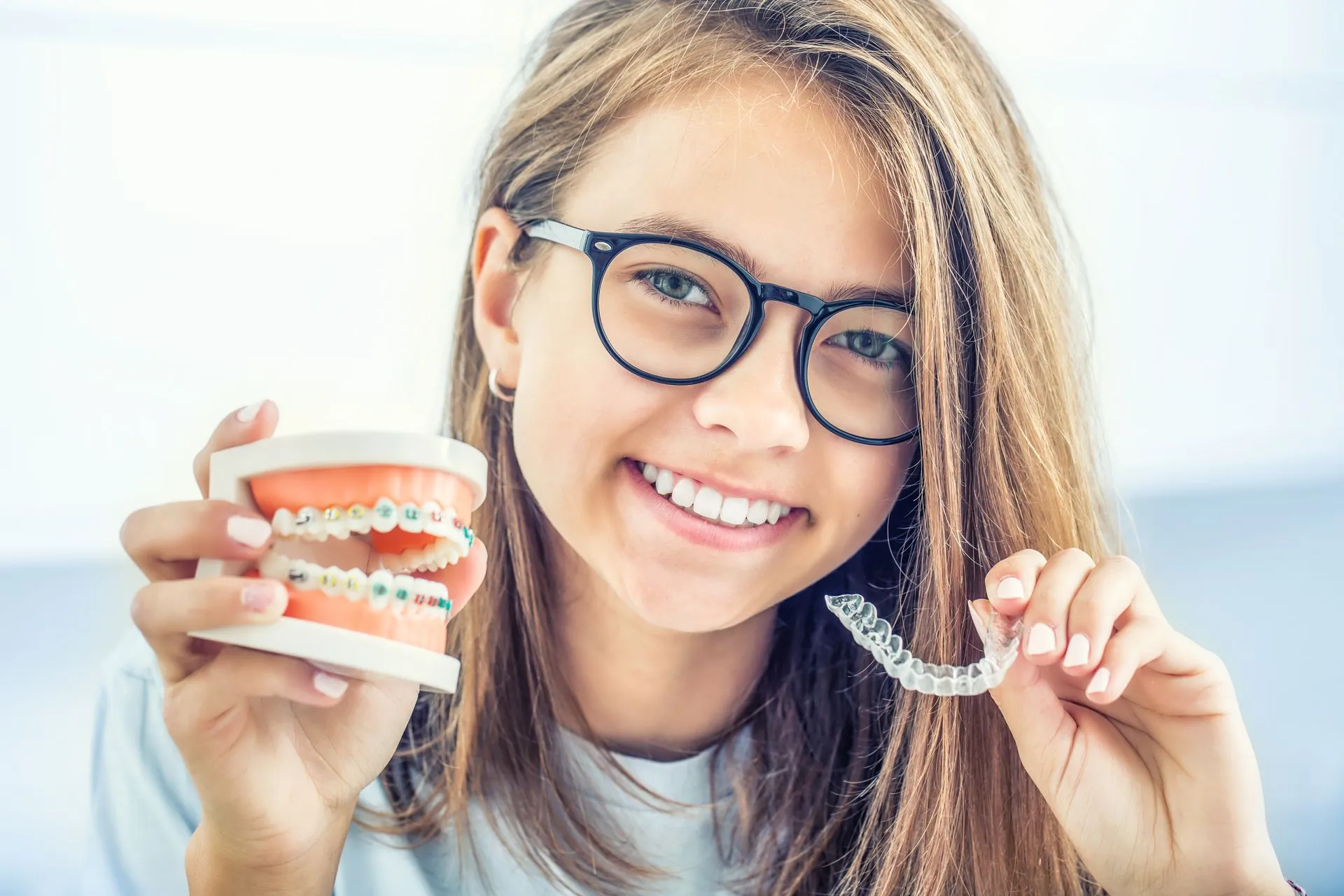
Functional Jaw Orthopedics works on the early correction of imbalances caused by oral habits such as thumb sucking or pacifier use. It uses removable appliances customized for the child that promote the reeducation of orofacial muscles and the functional recovery of affected structures. In addition to correcting the position of teeth and jaws, it helps to restore proper patterns of breathing, swallowing, and speech.
The earlier treatment begins, the more effective and simpler the process will be.
When is the right moment to intervene?
Ideally, the habit should be eliminated between the ages of 2 and 3. If it persists beyond this age range, it is common for there to already be consequences, and in this sense, advice should be sought from a pediatric dentist or specialist in functional orthopedics. An early diagnosis allows for the treatment of mild changes with simple Functional Jaw Orthopedic appliances and behavioral reeducation, avoiding more complex treatments in the future.
Multidisciplinary follow-up: more than just a dental issue
In some situations, intervention may require a multidisciplinary approach, involving pediatric dentists, speech therapists, and child psychologists. Each professional works on a specific dimension: dental structure, muscular function, language, and behavior. This collaborative effort allows for integrated solutions, focusing on the source of the problem and not just on the symptoms.
Frequently Asked Questions
Oral habits such as thumb sucking or using a pacifier may seem harmless, but they have a real impact on a child's development. Ignoring the problem is delaying a correction that could be simple. At MALO CLINIC, you will find experienced professionals in Pediatric Dentistry and Functional Orthopedics of the Jaw, ready to assist your child with clinical rigor and personalized attention. Schedule your assessment and ensure a healthier and more balanced future for your child.