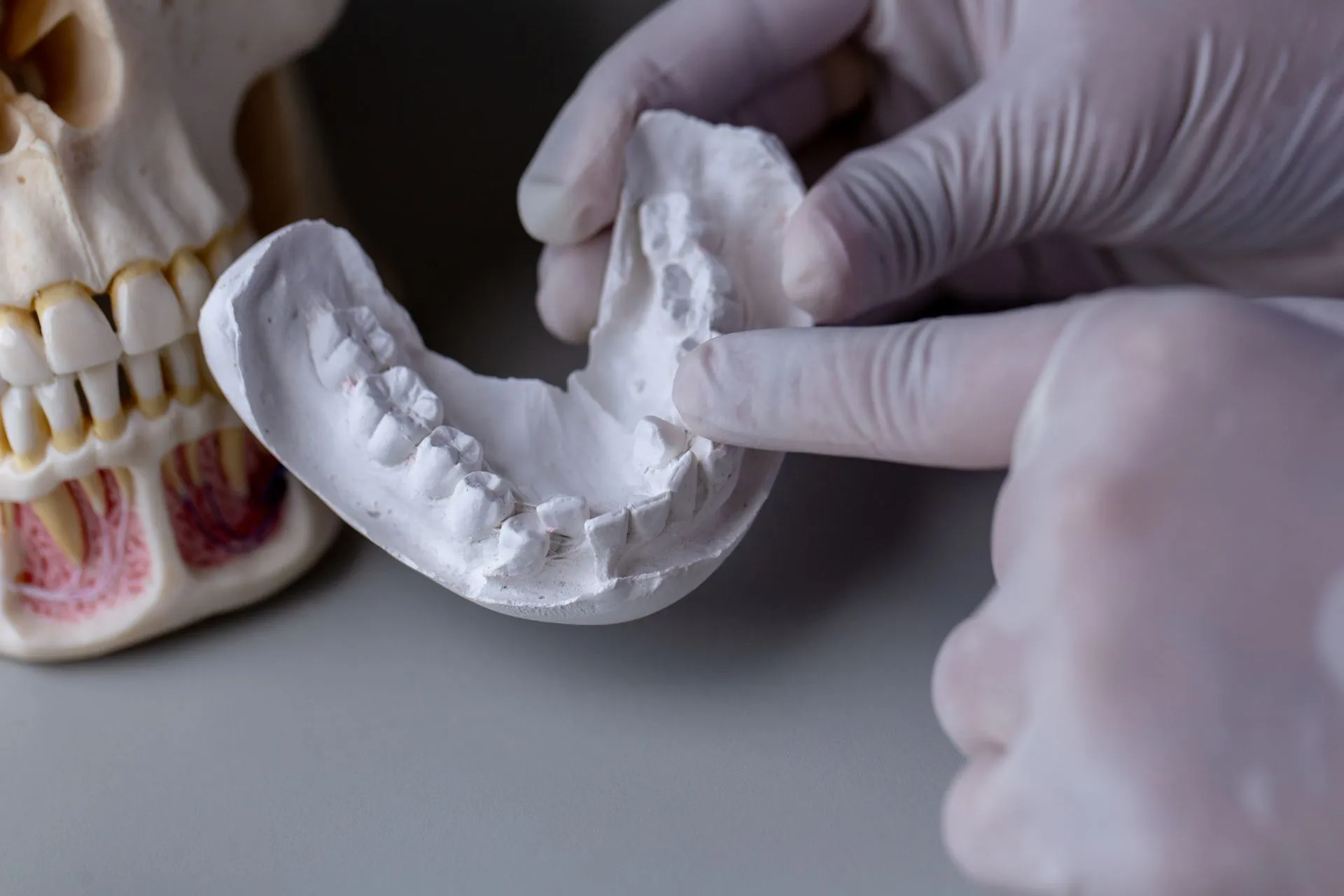
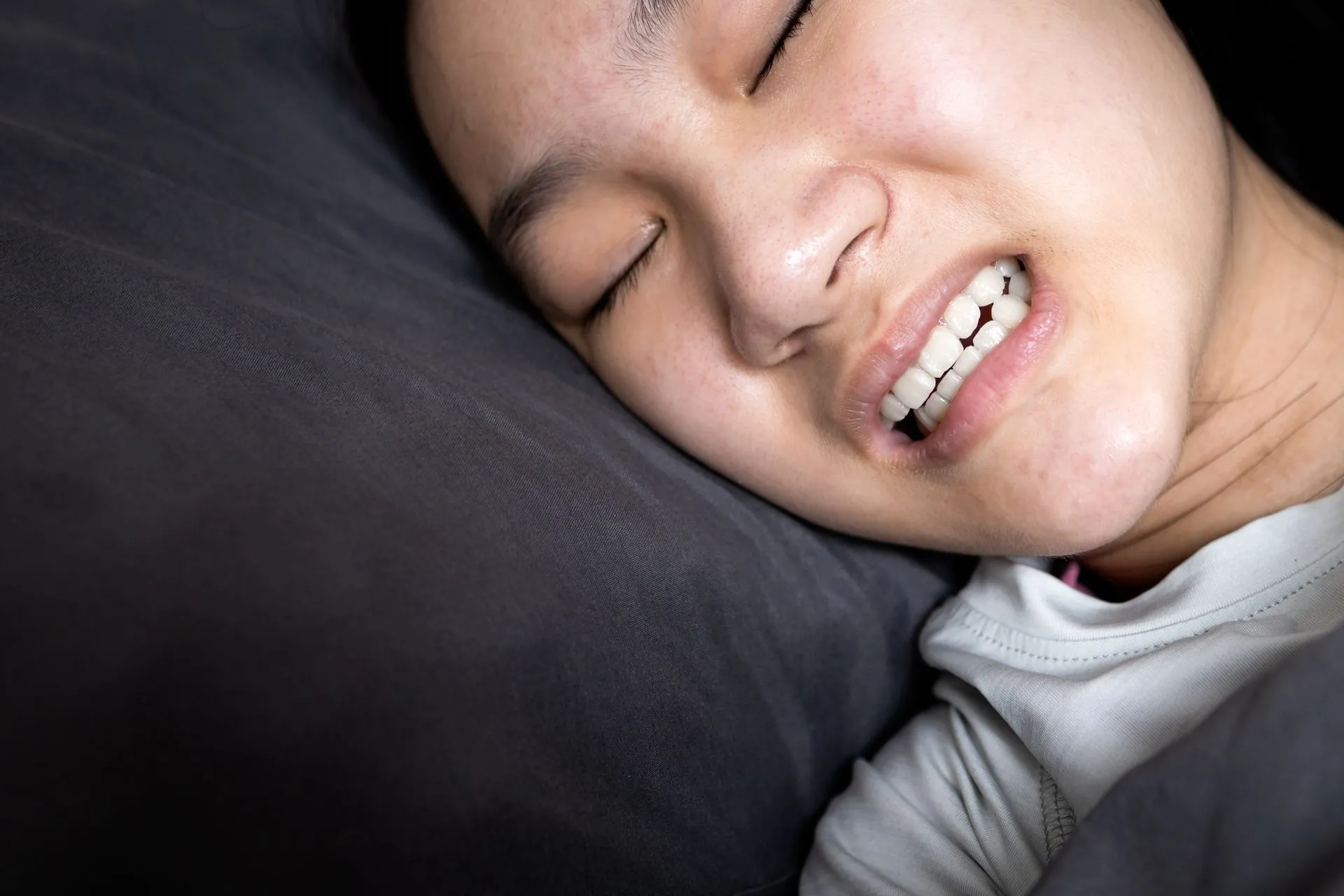
Child bruxism is a condition in which children grind or clench their teeth, usually unconsciously. This behaviour can occur during the day (daytime bruxism) or during the night (nighttime bruxism), with the latter being the most common among children.
Due to their young age, children may be unable to recognise this condition, so parents play a crucial role in its identification. For this reason, it is essential to be aware of the main causes, symptoms, consequences, and treatments.
What are the main causes of child bruxism?
The causes of bruxism in children are not always clear, but may include:
Stress or anxiety: Situations such as changes in routine, school or family problems can lead to increased feelings of stress and anxiety, and consequently trigger this behaviour in children.
Respiratory problems: Conditions such as sleep apnoea or nasal congestion may be associated with the onset of child bruxism.
Dental problems: Incorrect alignment of the teeth can also lead to abnormal wear, due to excessive pressure exerted.
Feeling of pain: Some children may grind their teeth in response to pain, especially ear pain.
Genetic factors: Bruxism may also have a genetic component.
Symptoms and consequences of child bruxism:
When not identified early and properly monitored and treated, bruxism can lead to the emergence of various complications.
For this reason, it is important for parents to be particularly attentive to:
Teeth grinding
It can be audible and noticed by parents, both at night and during the day.
Headaches
Some children may experience headaches, especially in the temples, due to muscle tension caused by the pressure exerted by the teeth. To determine if this is the case, parents should be attentive to any complaints from the children.
Ear pain upon waking
Like headaches, ear pain can be a sign of child bruxism.
Popping sounds in the jaw joint when opening and/or closing the mouth
Bruxism can lead to the occurrence of clicks when opening or closing the mouth, such as when eating.
In addition to these, bruxism can also have other long-term consequences, such as:
Changes and pain in the jaw joint
Especially upon waking, the child may feel pain in the jaw due to the excessive pressure exerted during the night.
However, besides temporary pain, bruxism can even provoke changes in the temporomandibular joint (TMJ), which can condition the ability to fully open or close the mouth, hindering chewing and quality of life.
Dental wear
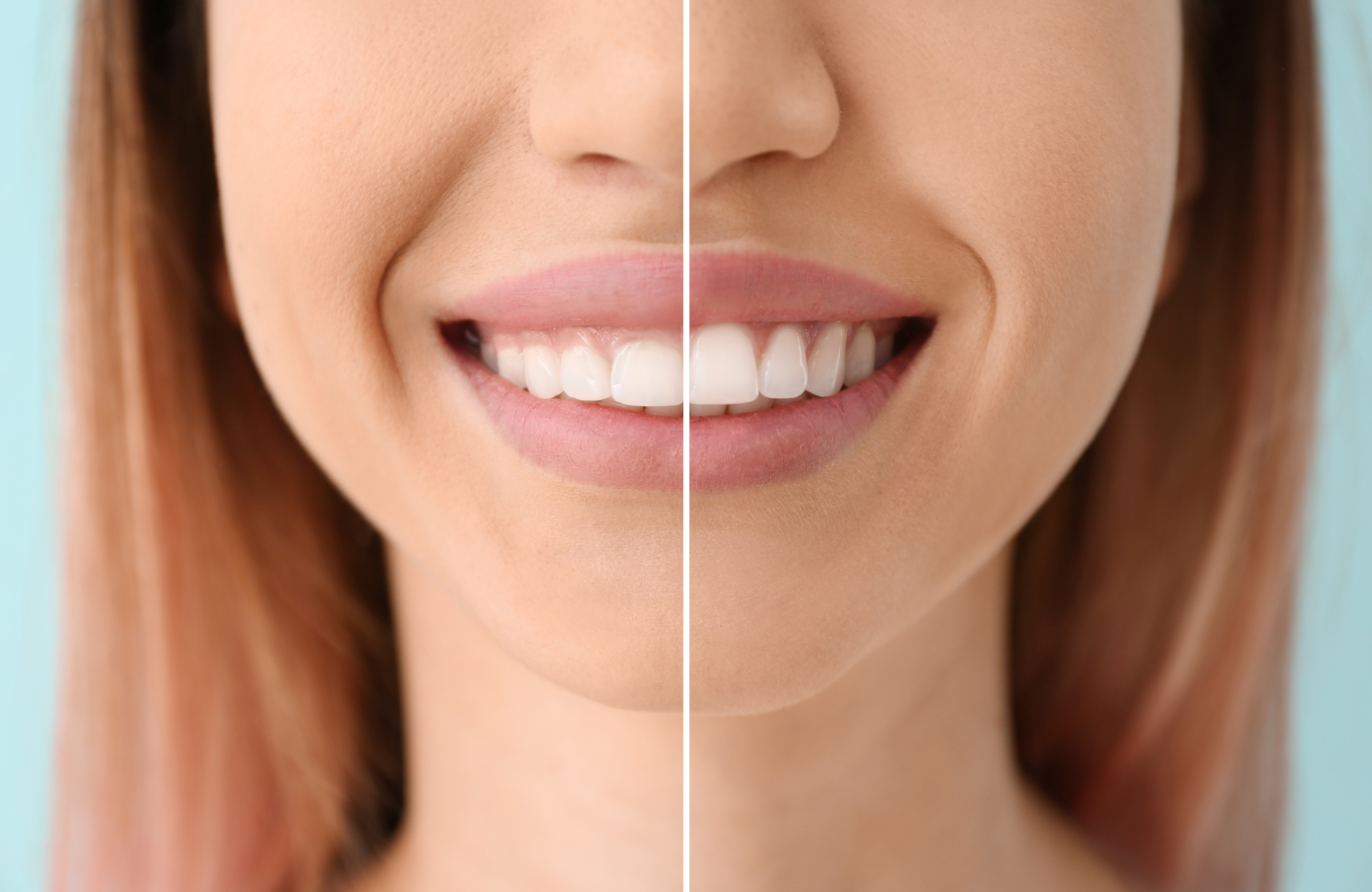
The constant contact of the teeth can lead to abnormal wear of the dentition, which increases sensitivity and can lead to the emergence of other oral complications.
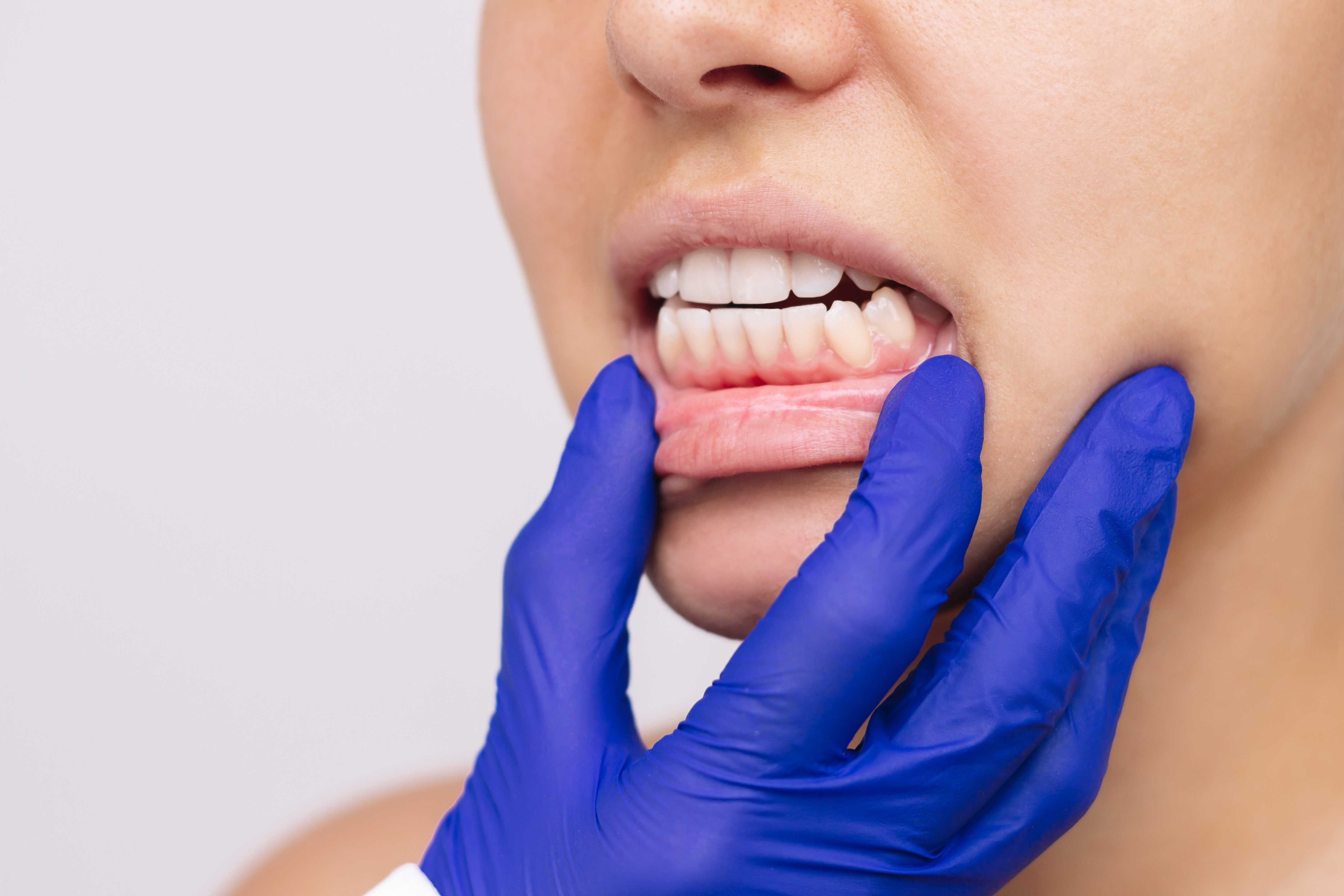
Dental misalignment or occlusion problems
Child bruxism can also lead to misalignment of the teeth, which can impact not only the teeth but also the gums, bones, muscles, ligaments, and joints.
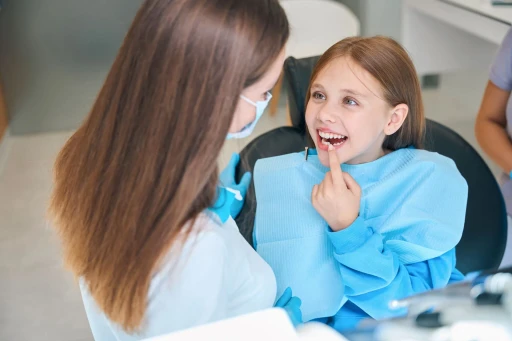
If any of these symptoms are observed, parents should take the child to a consultation with a dentist or paediatrician to confirm the diagnosis and initiate the most appropriate treatment.
What are the treatments for childhood bruxism?
The treatment of childhood bruxism can vary depending on the underlying cause and severity. Some options include:
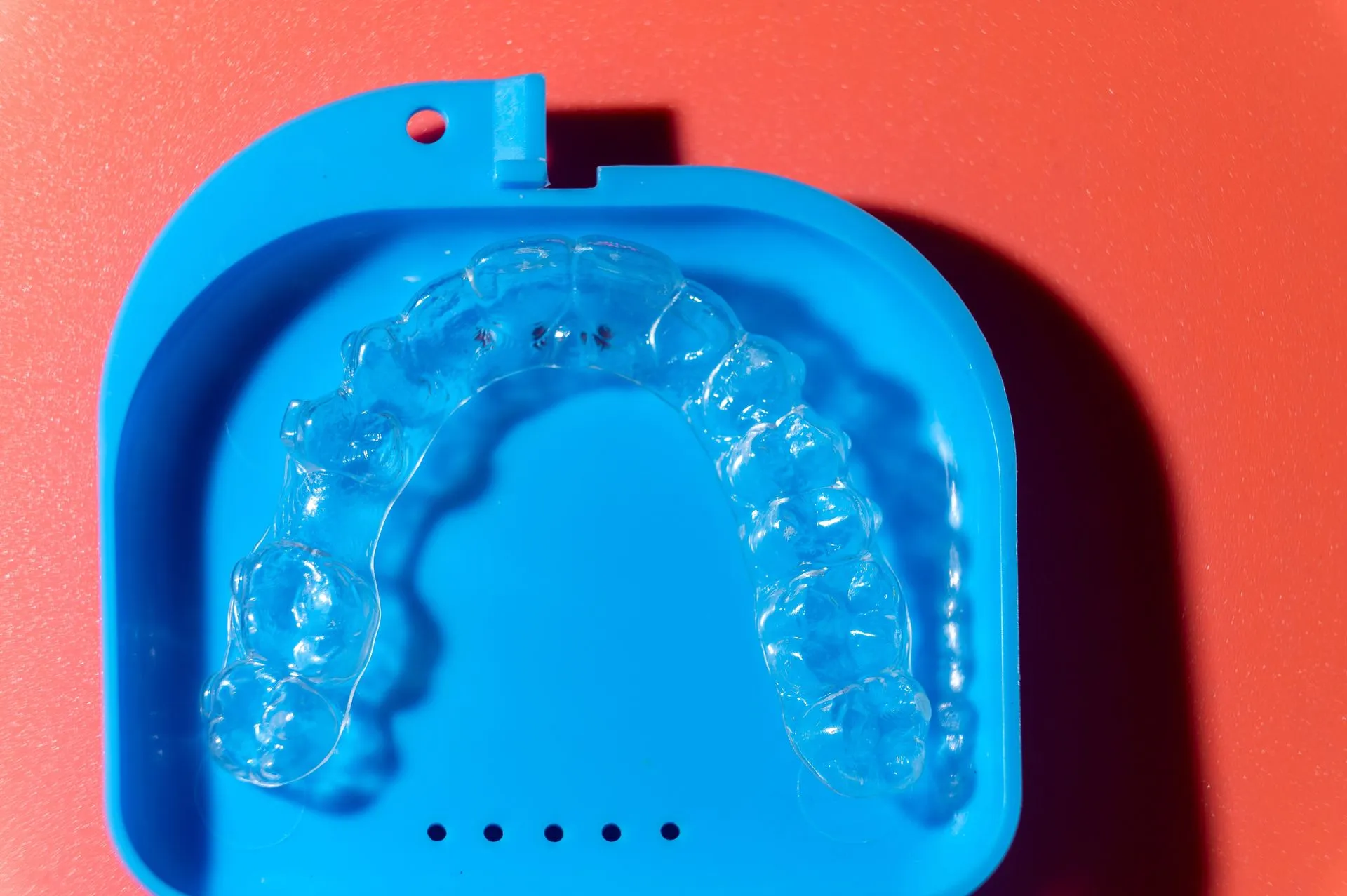
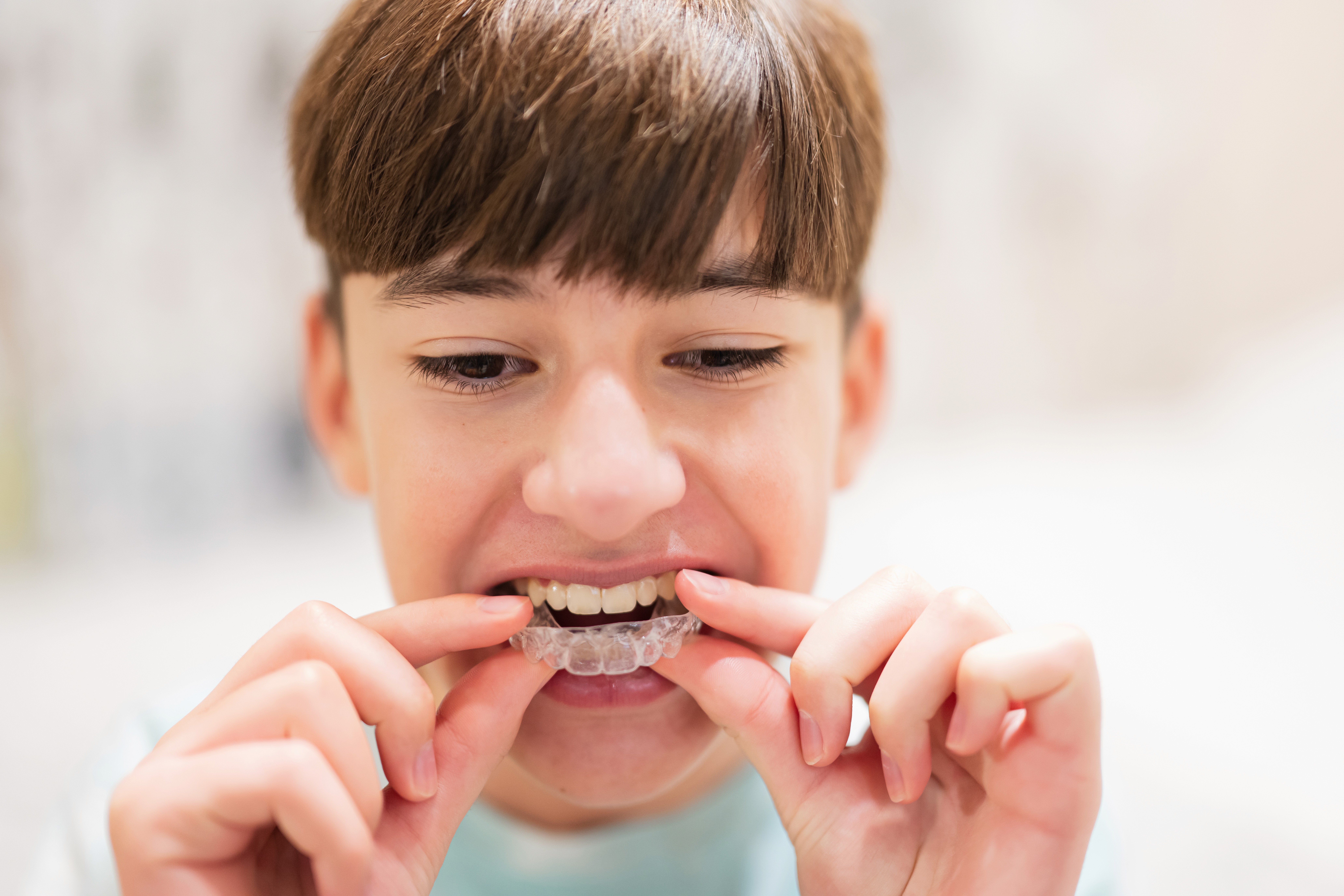
Dental protection
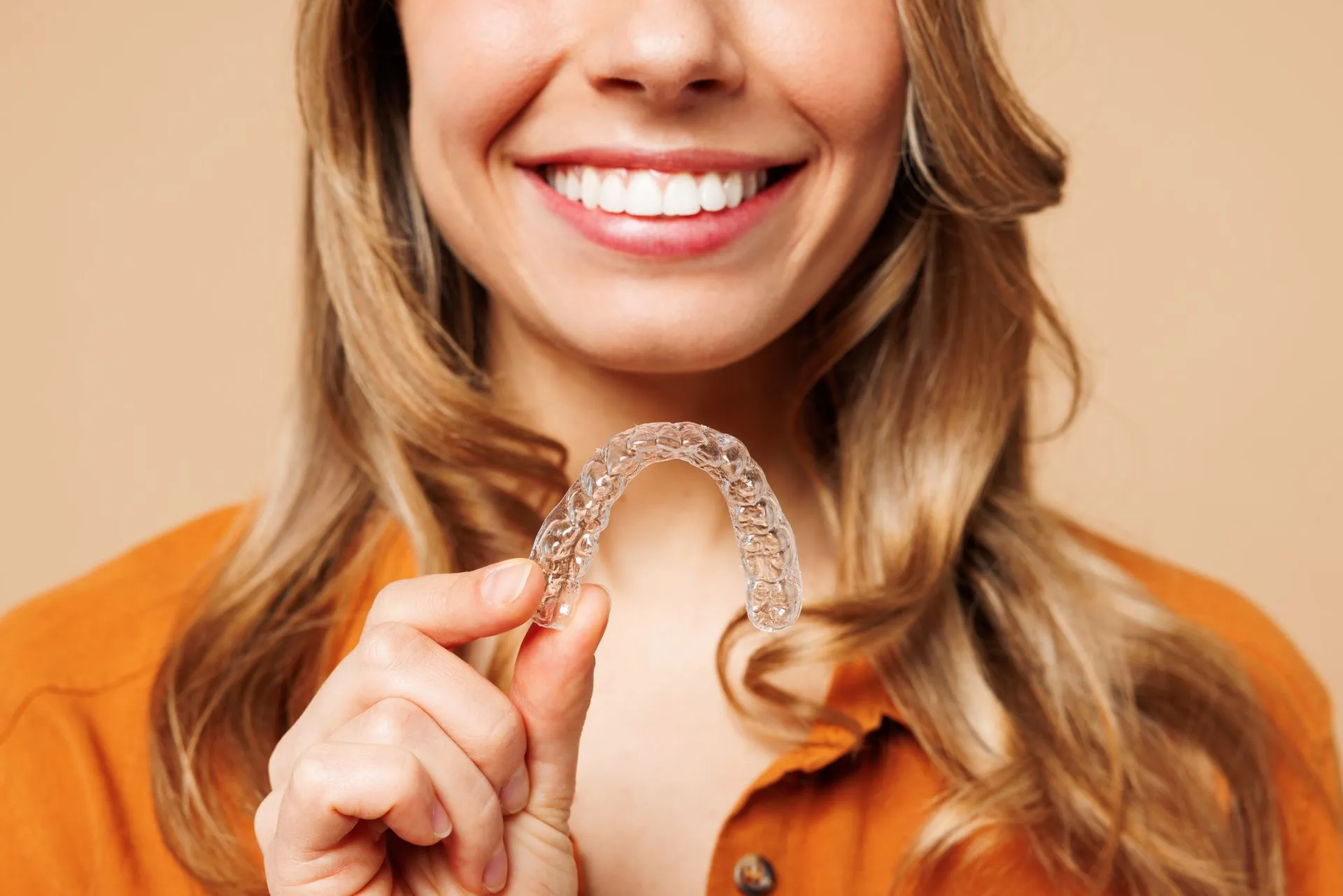
Night guards or splints can help protect the teeth from wear by preventing the teeth from grinding against each other. This treatment is particularly effective in children who suffer from night bruxism, as this is a behavior that occurs during sleep.
Monitoring and stress management
Since many cases of childhood bruxism arise due to stress, it is essential to teach certain relaxation techniques that may be helpful. Additionally, psychological support is also recommended to understand the factors that are triggering this feeling.
Treatment of underlying medical issues
Treating conditions such as sleep apnea or dental problems can alleviate bruxism.
Counseling and education
Educating the child and parents about the condition can help reduce worry and better manage the situation.
Reducing sugar consumption before bedtime
Making some lifestyle changes for the child can minimize bruxism, particularly reducing sugar intake before going to sleep.
The importance of regular medical follow-up
Regularly consulting a dentist as well as a pediatrician is essential to monitor the child's growth and any potential complications that may arise.
Moreover, maintaining regular dental check-ups at least every six months can help detect signs of bruxism, determining the most appropriate intervention and adapting it whenever necessary. On the other hand, pediatric follow-up is also crucial to assess other possible causes of bruxism, such as respiratory problems.
Although childhood bruxism may appear transiently and sometimes resolve on its own, in some cases, interventions may be necessary that not only prevent long-term oral health damage but also address other underlying issues.