
Daily Oral Care and Prevention
There are questions about daily oral hygiene whose answers should always be at the tip of your tongue. How many times should we brush our teeth a day? What is the correct way to do it? When should we use dental floss? To leave no doubts, we explain everything about the daily oral care to have in order to avoid complications and ensure that the smile remains healthy. Developing good oral hygiene habits is the best way to prevent oral diseases.
What is the importance of a daily oral hygiene routine?
It is very common to associate a lack of oral hygiene only with dental or gum problems that can cause some pain or discomfort. But what if we told you that oral health – or the lack of it – can indeed have an influence on overall well-being, possibly being associated with diseases and complications in the lungs, heart, or head or even diabetes? In fact, the symptoms of compromised oral health can be felt in various ways – going beyond the mouth – even impacting quality of life. Therefore, the best way to avoid any problems is to take care of oral health to ensure the maintenance of overall health.

But what are the precautions that should be part of oral hygiene routine?
1. Brush your teeth at least twice a day
Daily brushing of the teeth and tongue is a fundamental process to remove the plaque that naturally accumulates on the surface of the teeth and maintain oral hygiene. Through brushing, bacteria are removed, preventing complications such as dental cavities or gum inflammation. However, to ensure that brushing fulfills its purpose and effectively protects the oral cavity, it is essential to learn how to do it correctly. Here are some steps we should always keep in mind while brushing our teeth:
Brushing should be done at least twice a day, the first in the morning and the second before going to bed;
Each brushing should last about 2-3 minutes. The movements should be circular, from one end of the jaw to the other, brushing two teeth at a time until covering the entire surface of all teeth. It is also essential not to forget to brush the tongue, from its base to the tip, removing bacteria and freshening the breath;
During the two hours following brushing, no food should be ingested, so as not to compromise its effects;
Contrary to what many believe, we should not brush our teeth immediately after meals. Ideally, brushing should occur only 30 minutes after each meal, as this is the time needed for saliva to balance the pH, reducing the risk of dental erosion;
It is essential to use a soft-bristle toothbrush, replacing it every three months. A tip is to change the toothbrush at the beginning of each season.
Regarding toothpaste, it should contain fluoride, as it strengthens tooth enamel and helps prevent dental cavities. However, it is essential to pay attention to the amount of toothpaste used in each brushing, which should not exceed the size of a pea. Still, the type of toothpaste to use should be determined by the dentist or oral hygienist, who can assess, according to the dentition of each patient, which toothpaste is most suitable.
2. Use dental floss
Often not included in the routine, dental floss should also be part of daily oral hygiene. This tool aims to remove the plaque and food debris that accumulate between the teeth, preventing gum disease, cavities, and bad breath. Its use should therefore be a complement to brushing, included in daily oral hygiene. But how do you use dental floss?
Before starting to brush, about 40 centimeters of floss should be taken from the package, which should be wrapped around the middle fingers of both hands: most of the floss on one finger and a small part of the opposite end on the other, using a new piece of floss for each inter-dental space. Only then should the teeth be brushed. If you have questions, ask your oral health professional for advice.
3. Maintain a healthy diet
Promoting oral health also involves maintaining a varied and balanced diet. In addition to its impact on overall health, the foods and beverages we consume have an effect on oral health and hygiene. In fact, foods and drinks with high sugar levels are true enemies of oral health, as they promote the erosion of enamel and open doors to certain complications, such as dental cavities. Therefore, foods like chocolates or gummies and certain sugary drinks like sodas should be consumed in moderation – ideally during or right after meals – to avoid oral problems. Instead, some foods and drinks that help strengthen oral hygiene should be favored, such as:
Water;
Milk (as long as it is without sugar or chocolate);
Foods rich in fibers (such as cereals and fruits);
Foods rich in vitamin D (such as certain fish and yogurts).
4. Keep routine appointments with the dentist or oral hygienist
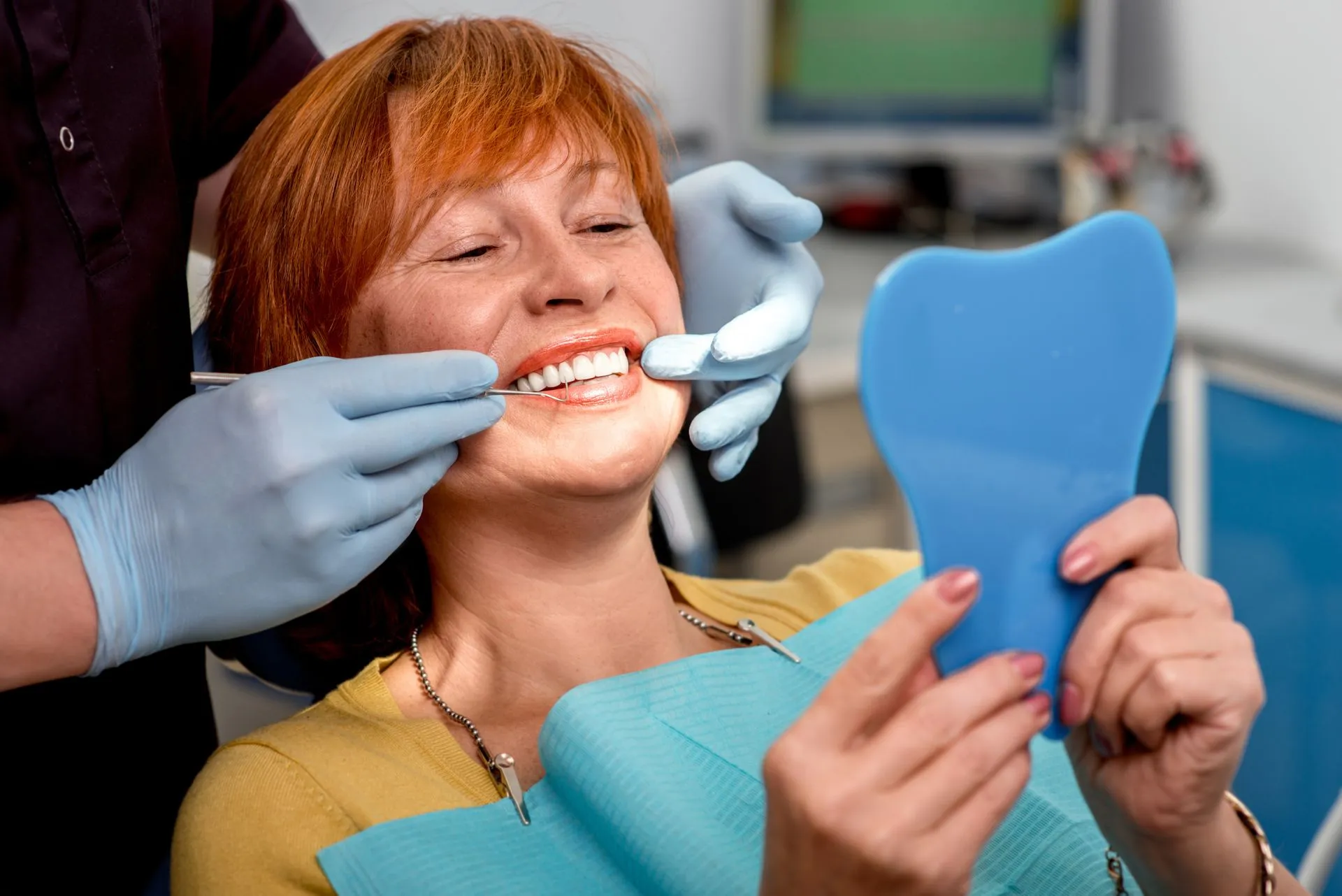
Even if all daily oral care is ensured, it is essential to have regular visits to the dentist or oral hygienist in order to monitor the state of the oral cavity, acting whenever necessary. These appointments should occur at least every six months, and it is always important to monitor any signs of discomfort or pain related to oral health. During visits, all possible doubts should also be clarified with the dentist/oral hygienist, to ensure that oral health is always a priority. The best way to prevent issues is to stay on top of it!