Dental Aesthetics

Dental Aesthetics

Dental aesthetics: a beautiful smile without Botox or fillers

Discover natural and long-lasting dental aesthetic solutions so you can rejuvenate your smile and support your lips without invasive procedures.

Written by:

Pedro Cosme | Director of the First Time Department

Peter Cosme

Director of the Department of First Times

No. 4468/OMD

Dental aesthetics: a beautiful smile without Botox or fillers

Dental aesthetics as a natural alternative to facial rejuvenation

If the smile is our calling card, the teeth correspond to a picture in which the lips and face compose the frame. Ageing affects the teeth, skin, and facial tissues, also altering the volume and tone of the face. Over the years, the teeth lose volume due to erosion of their structure, the lower ones tilt inwards and warp, while the upper teeth tilt outwards and wear down on the inside. This causes the mouth to close too much, resulting in a decrease in the vertical dimension of the face and the collapse of the lips and the lower third of the face, creating an aged appearance and with the skin of the face and lips being less supported.

Just as someone who loses a lot of weight ends up with what are called “excess skin”, someone who loses dental structure and height has excess tissue in the face that collapses, particularly at the level of the lips, cheeks, chin, and nasolabial folds. This causes numerous wrinkles to appear and deepening of the facial folds, creating a prematurely aged appearance, and excess lateral volume in the face, which looks fuller and less slender, making the person appear “heavier”.

By trying to correct these changes only with fillers, we are not resolving the root of the situation; we are only perpetuating it, leading to the need for multiple and successive facial harmonization procedures that, without addressing the true root of the problem, do not treat it genuinely and definitively, only masking it in the short term.
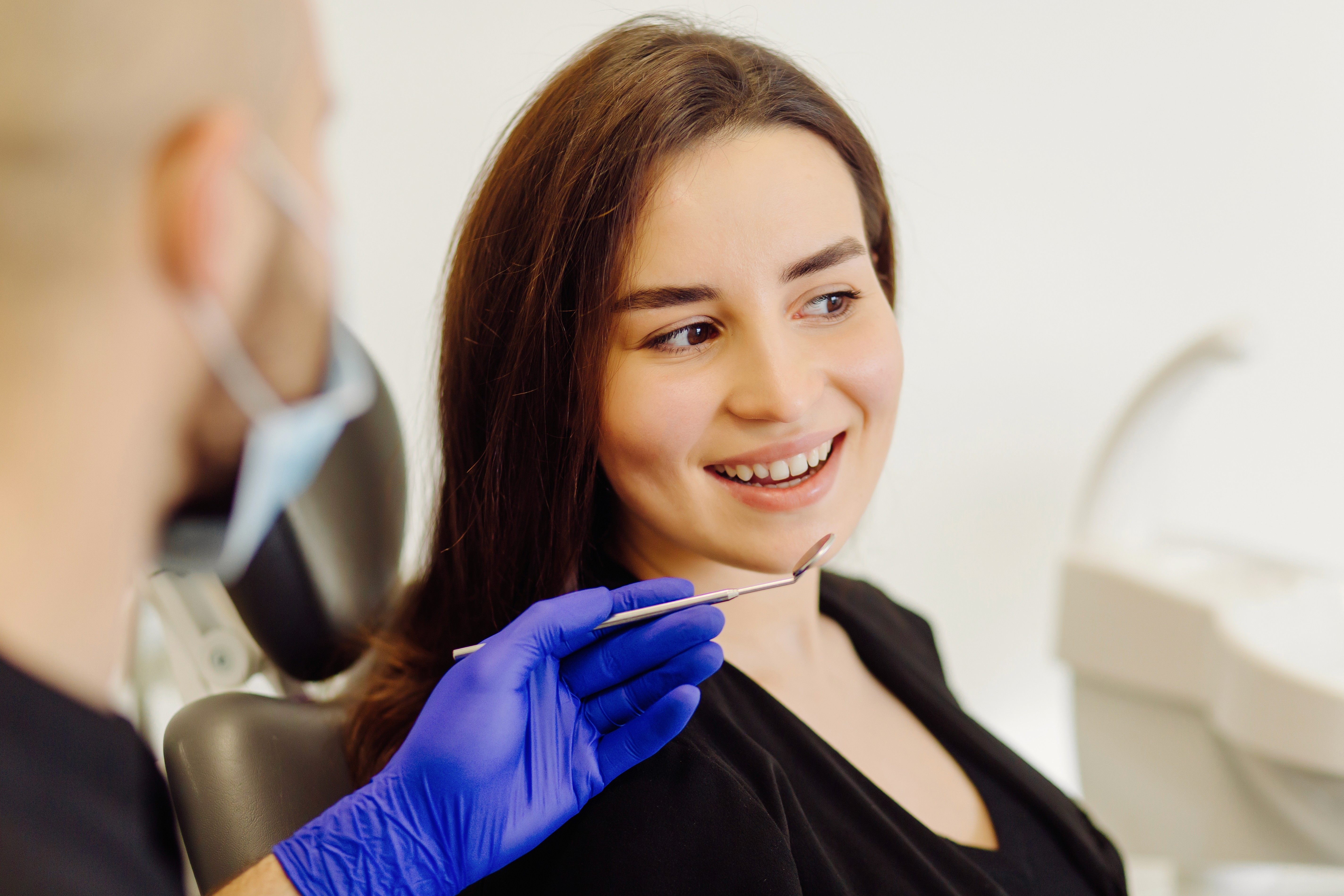
Dental aesthetic solutions for lip support and smile rejuvenation

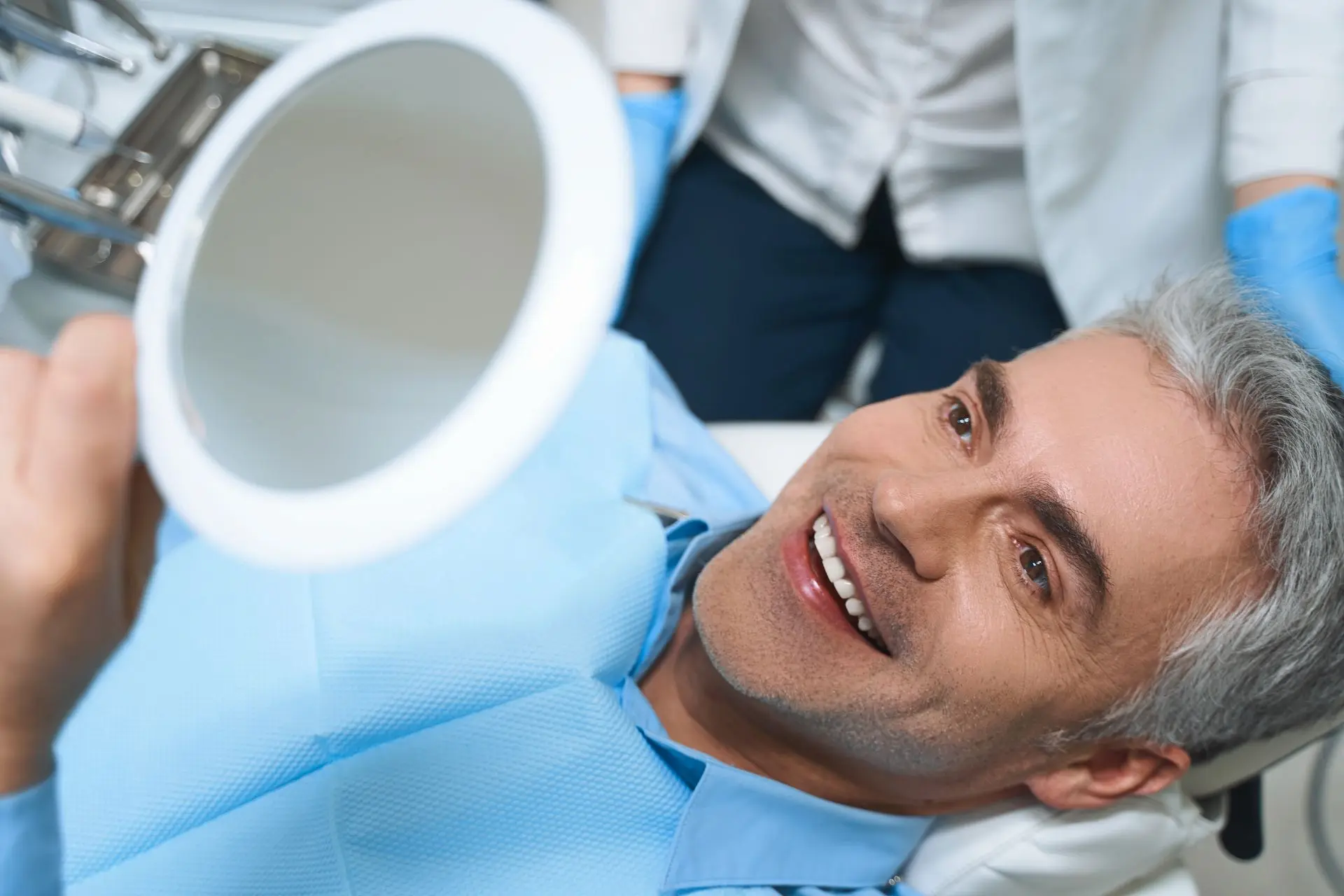
Unlike procedures such as Botox or facial fillers, which have a temporary effect and only treat the surface, dental aesthetic approaches act on the structure, promoting a lasting alteration of facial harmony. Oral rehabilitation with crowns, veneers, or implants can restore the height and shape of teeth, replace lost lip volume, and improve peri-oral skin support. According to studies published in the Journal of Esthetic and Restorative Dentistry, increasing vertical dimension through prosthetic restorations can significantly improve facial profile and perceptions of youth, often leading to the conclusion that harmonization procedures are unnecessary.

Even in cases of absolute need for fillers, dental aesthetic treatment should always be done before these procedures, making them appear more natural and significantly more durable. Hence the great importance of the total integration of these treatments, combining dental rehabilitation and aesthetics with facial harmonization.

Dental veneers: aesthetics without compromising naturalness

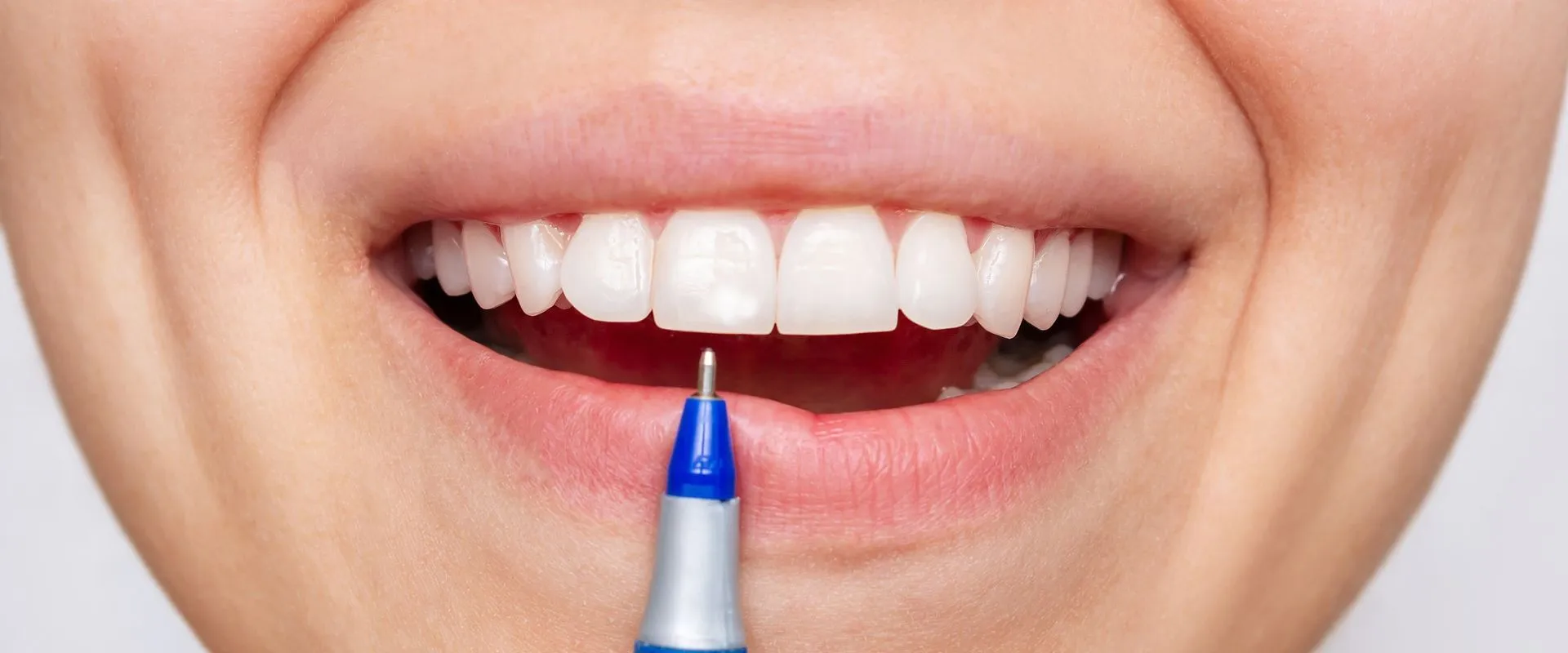
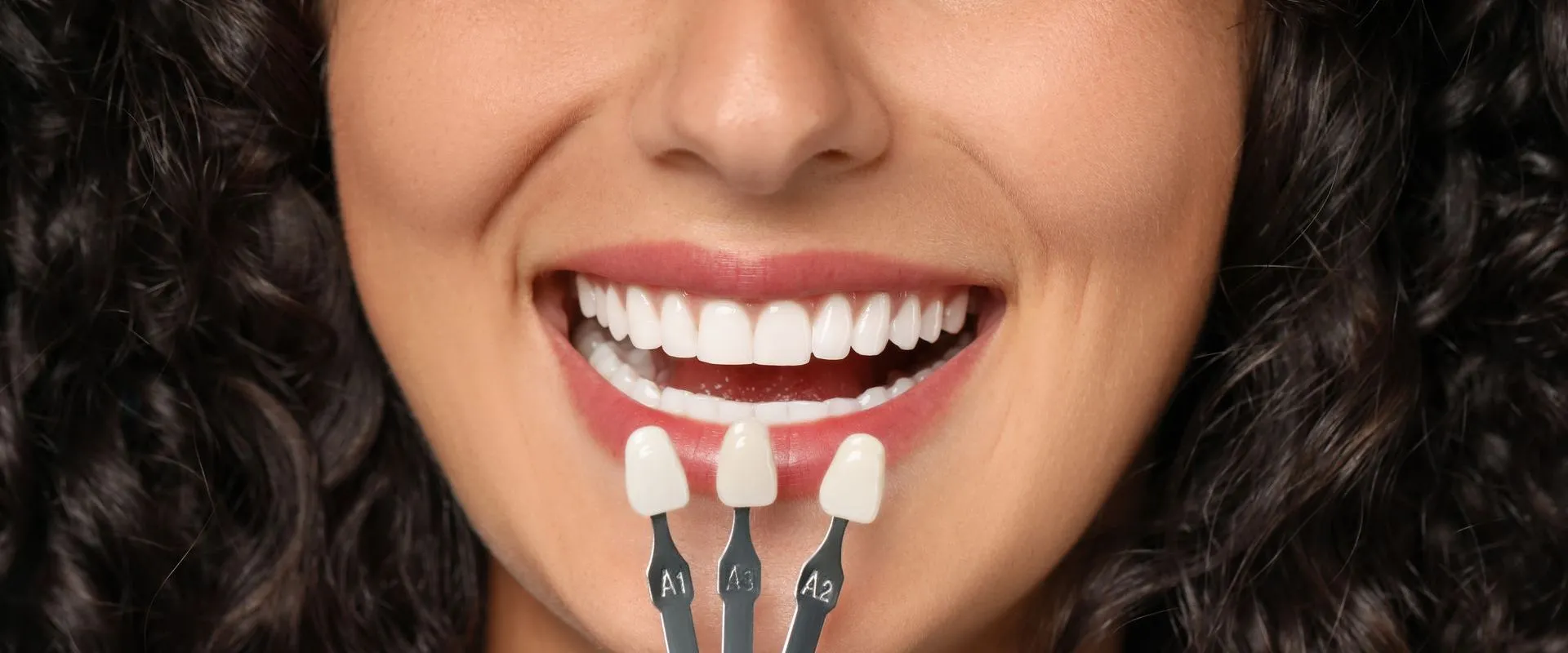
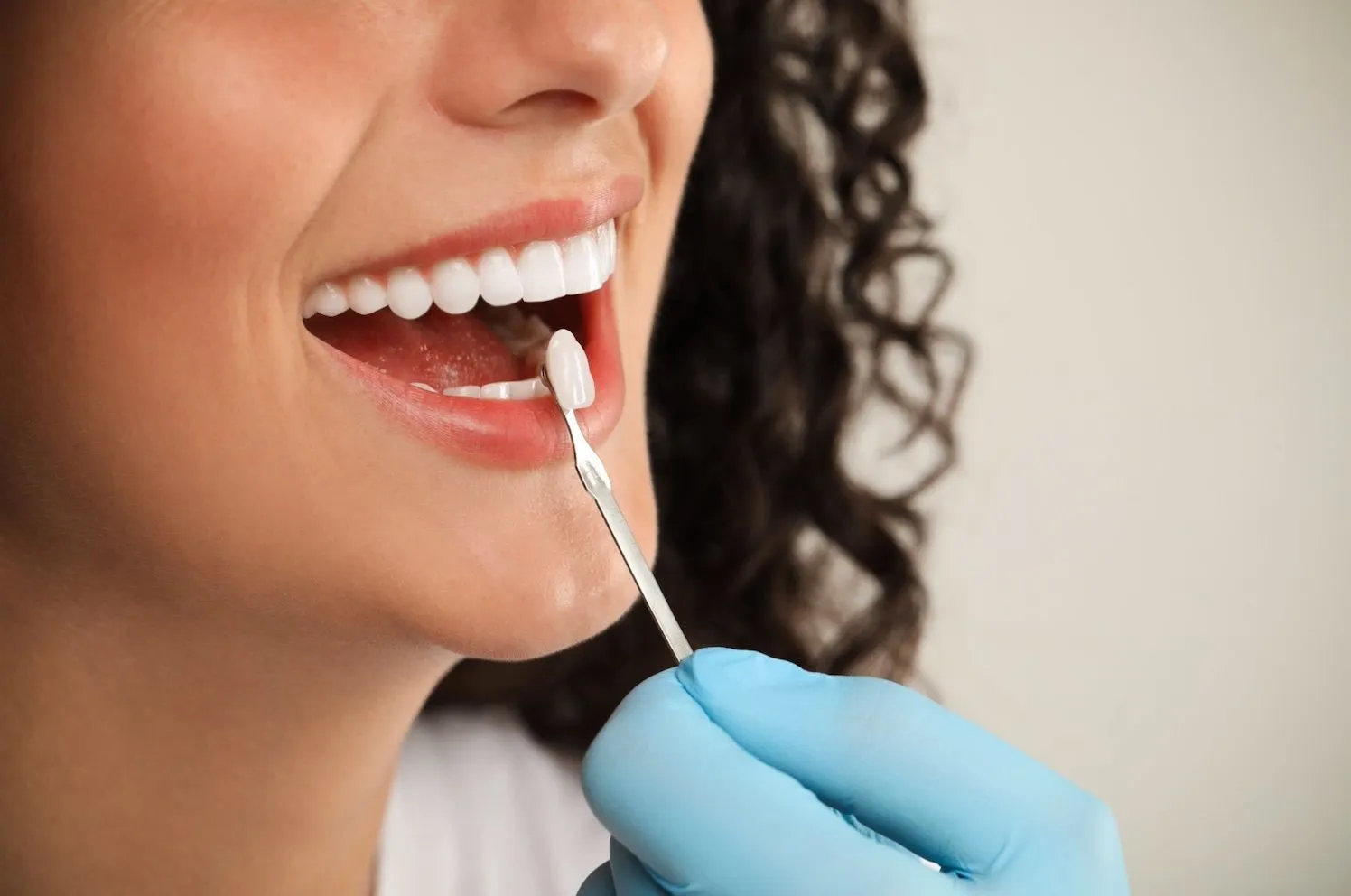
Ceramic veneers are one of the most sought-after dental aesthetic solutions for non-invasive dental rejuvenation. These thin ceramic sheets, applied to the outer surface of the teeth, allow for corrections in color, shape, size, and slight misalignments. With a thickness of between 0.3 mm and 0.5 mm, modern veneers preserve dental structure and provide highly aesthetic and predictable results.

Teeth whitening: clarity and youth within reach

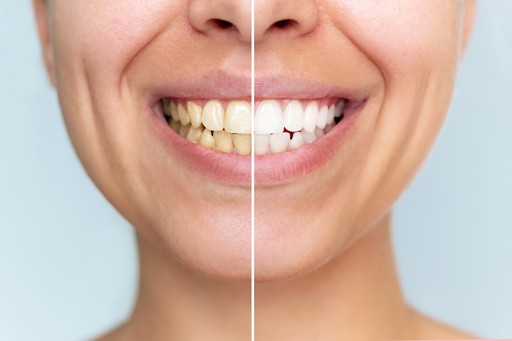
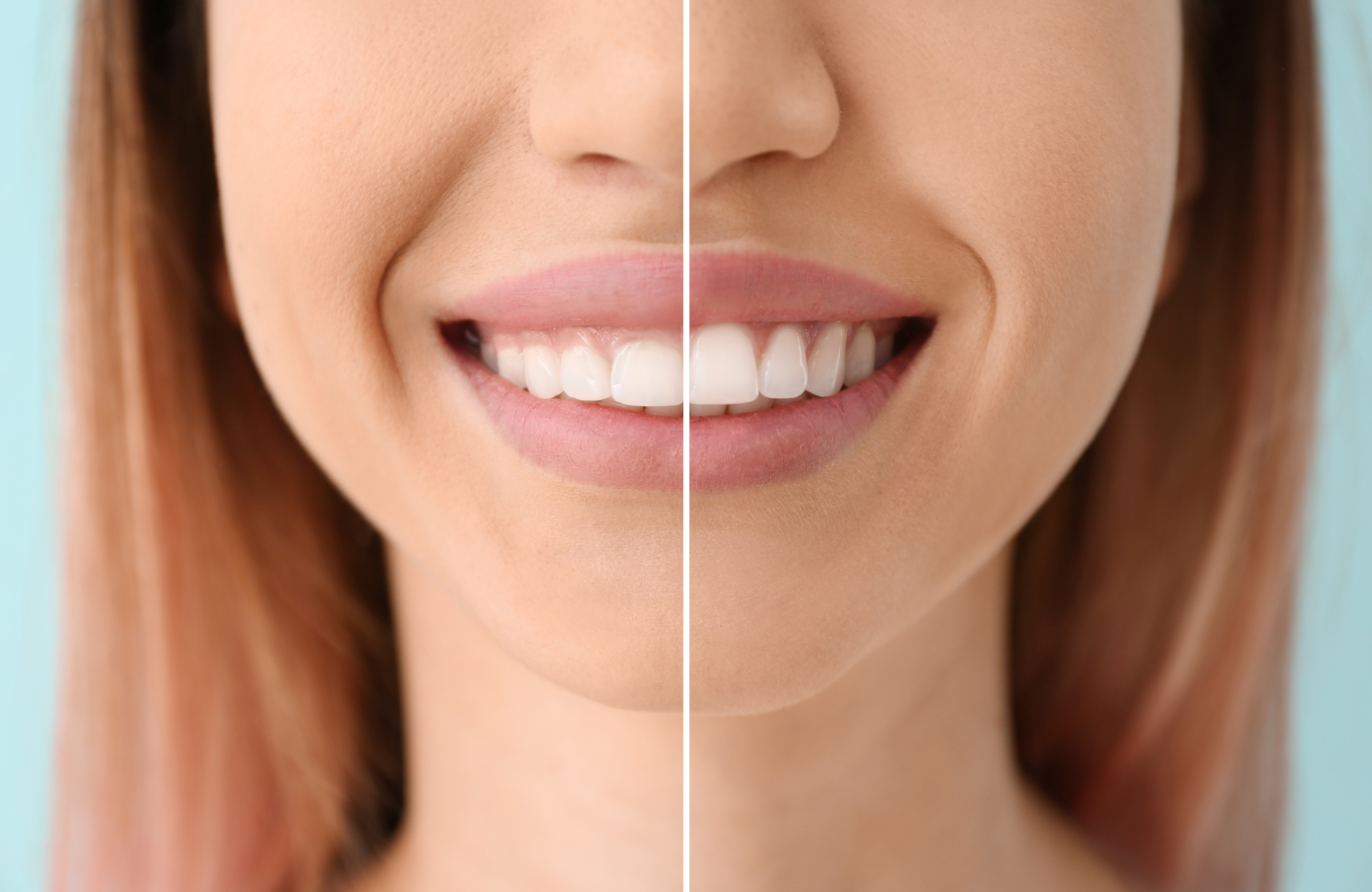
Professional teeth whitening, when performed under clinical supervision, is a safe and effective option for rejuvenating the smile. With agents such as hydrogen peroxide or carbamide, this procedure removes extrinsic pigmentation, resulting in whiter teeth with a healthy appearance. Studies show that a white smile is associated with perceptions of health, attractiveness, and youth.

Correction of dental wear and vertical dimension

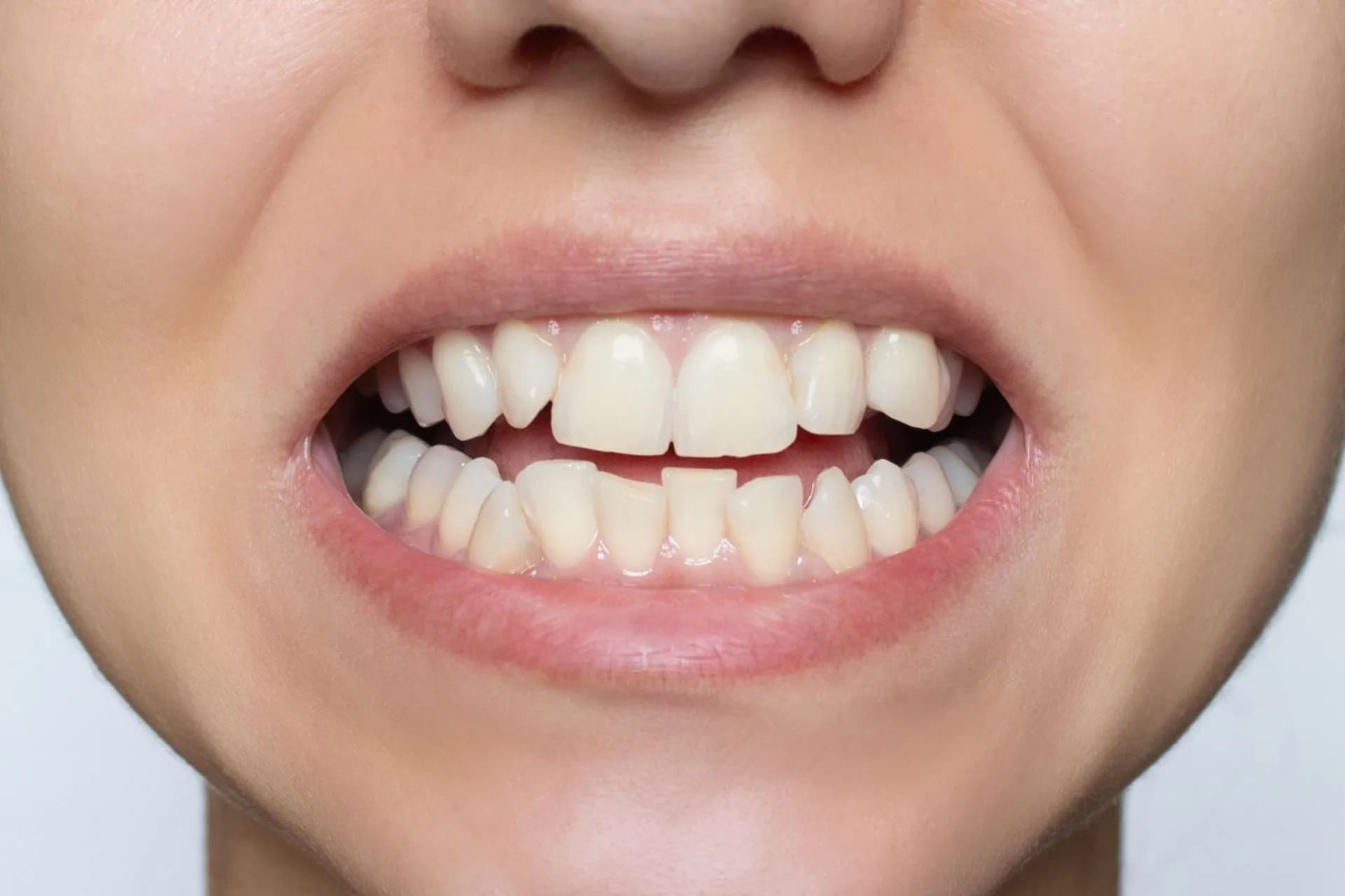
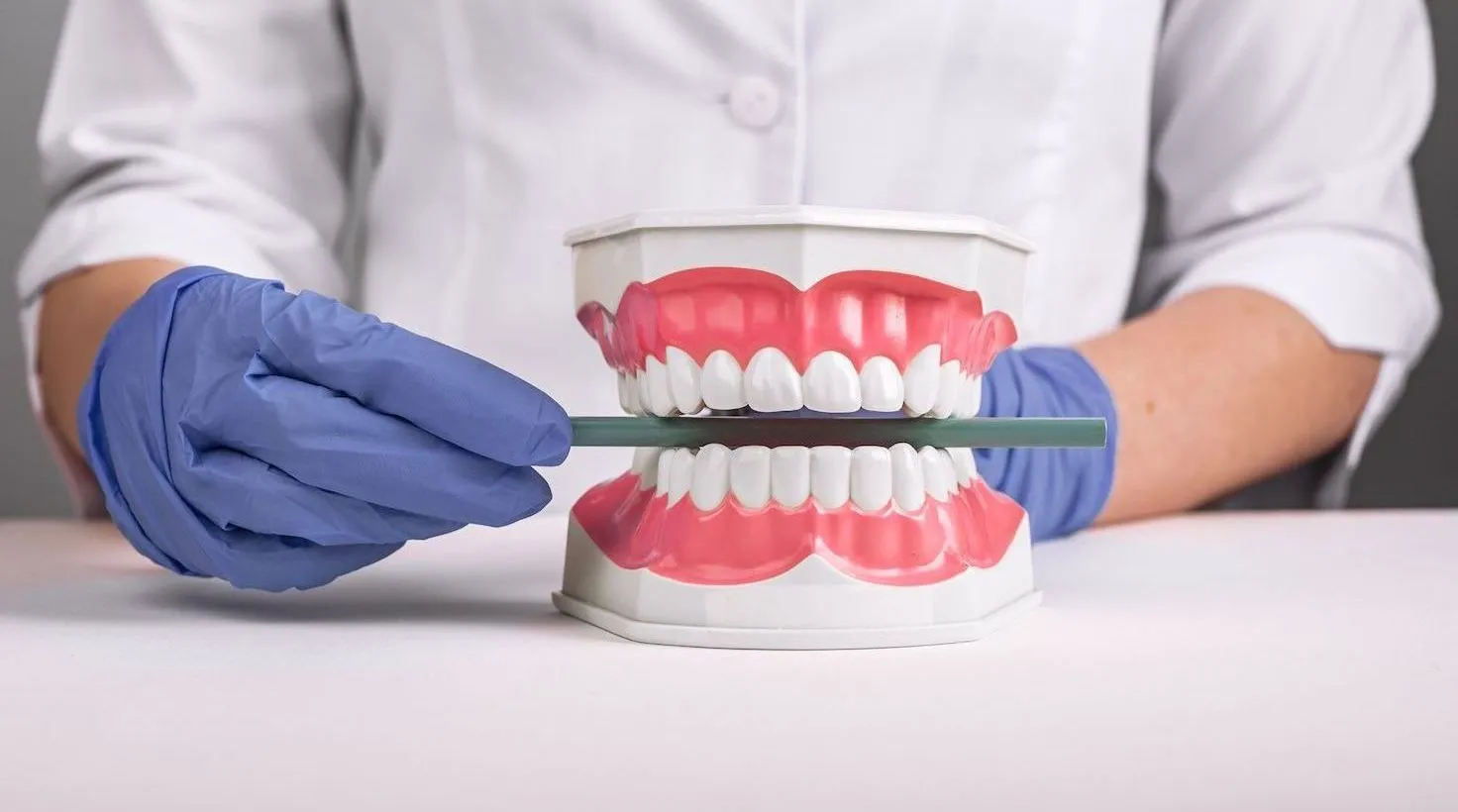
With age, the progressive wear of teeth, especially in patients with uncontrolled bruxism, leads to loss of facial height, promoting the closeness between the nose and chin and accentuating facial grooves and wrinkles. Rehabilitation with crowns or ceramic veneers allows for the restoration of original proportion and height, re-establishing appropriate support for the lips. It is a restorative approach that addresses the root of facial aging, rather than just its superficial effects.

A dental rejuvenation plan must be personalized

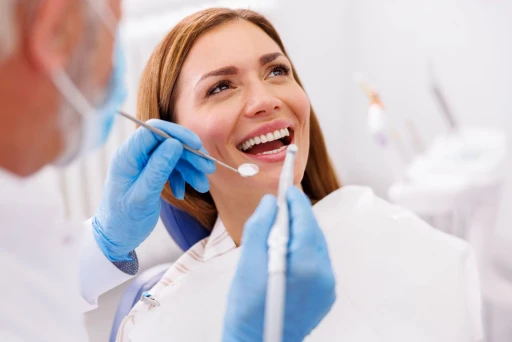
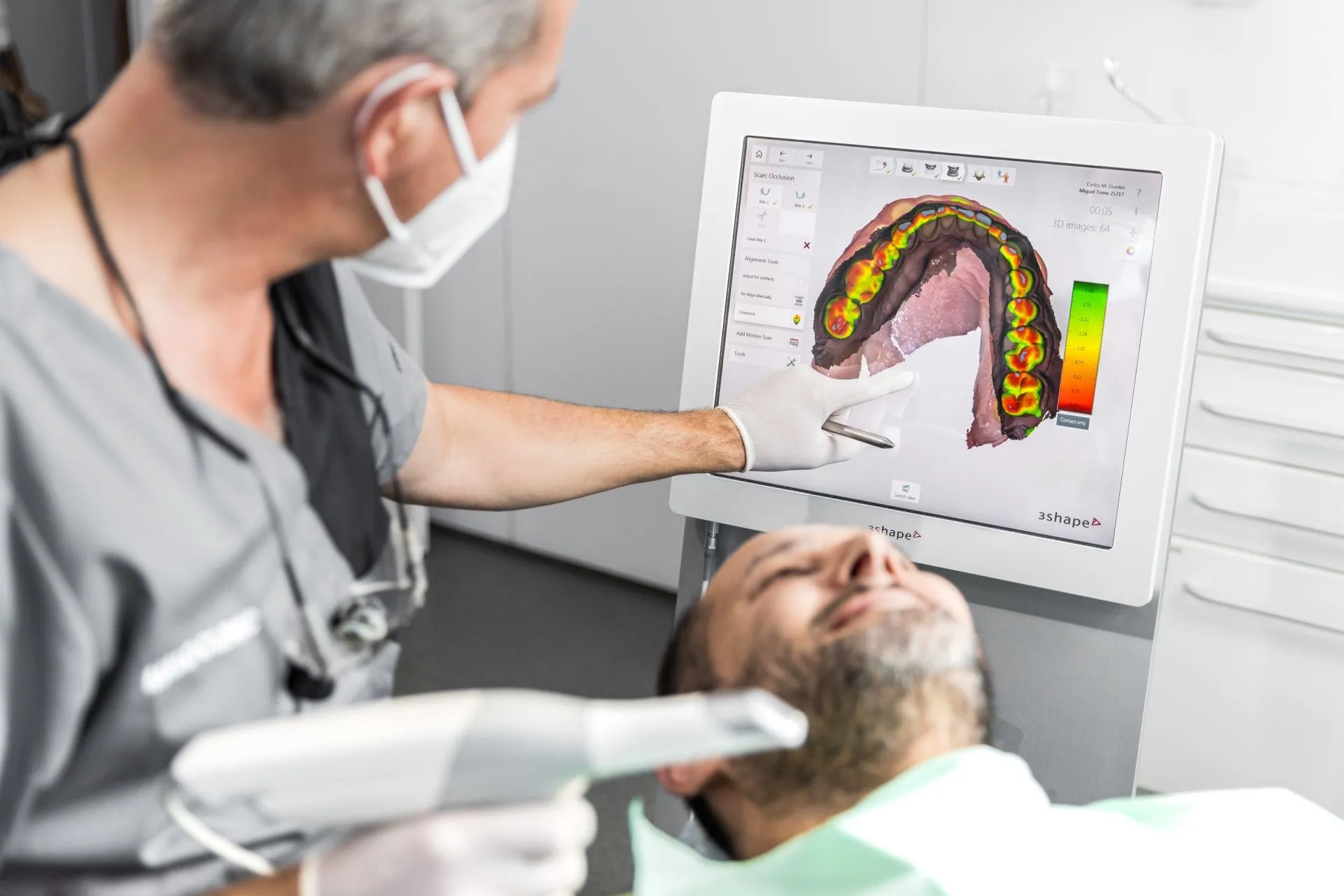
Every face is unique, and therefore, the aesthetic rehabilitation plan should be carefully designed based on photographs, digital examinations, aesthetic mockups, and the clinical experience of the team. At MALO CLINIC, the multidisciplinary collaboration among dentists, oral hygienists, and laboratory technicians allows for planning integrated solutions that respect oral physiology and the individual traits of the patient.

Frequently Asked Questions

1

Can dental treatments replace Botox?

Yes, in the vast majority of cases. Dental rehabilitation acts on the supporting structure, which in itself already provides a lifting effect and lip filling, leading to a true rejuvenation of the face that in most cases dispenses with facial harmonization procedures.

2

Do facets damage the teeth?

No, provided that they are clinically indicated and properly planned and executed. Nowadays, there are ultraconservative techniques that minimize dental wear.

3

How long does the effect of teeth whitening last?

The effect of teeth whitening can last between 1 to 3 years, depending on the patient's habits (such as coffee, wine, or tobacco consumption) and oral maintenance. Even after that time, the teeth rarely return to their original color, requiring only a brief repetition of the procedure to lighten them again.

4

Is there a risk of sensitivity?

Yes, temporary, and only in some cases. But it can be controlled with the use of desensitising gels and professional monitoring.

5

Do dental rehabilitations change the shape of the face?

They change subtly and positively. The restoration of tooth height and the harmonization of the smile directly influence the lower third of the face. Even in cases where facial harmonization is necessary, dental treatments should always be performed before these procedures because only dental rehabilitation corrects the original problem.

6

What is the ideal age to start a dental aesthetic plan?

There is no defined age. It all depends on the dental condition and the aesthetic and functional needs of each person. From the age of 18, it is possible to evaluate and intervene with veneers, whitening, or minor corrections. However, many patients start this type of plan between the ages of 30 and 50, when they begin to notice signs of wear or changes in the aesthetics of their smile.

7

Does teeth whitening work on existing crowns or veneers?

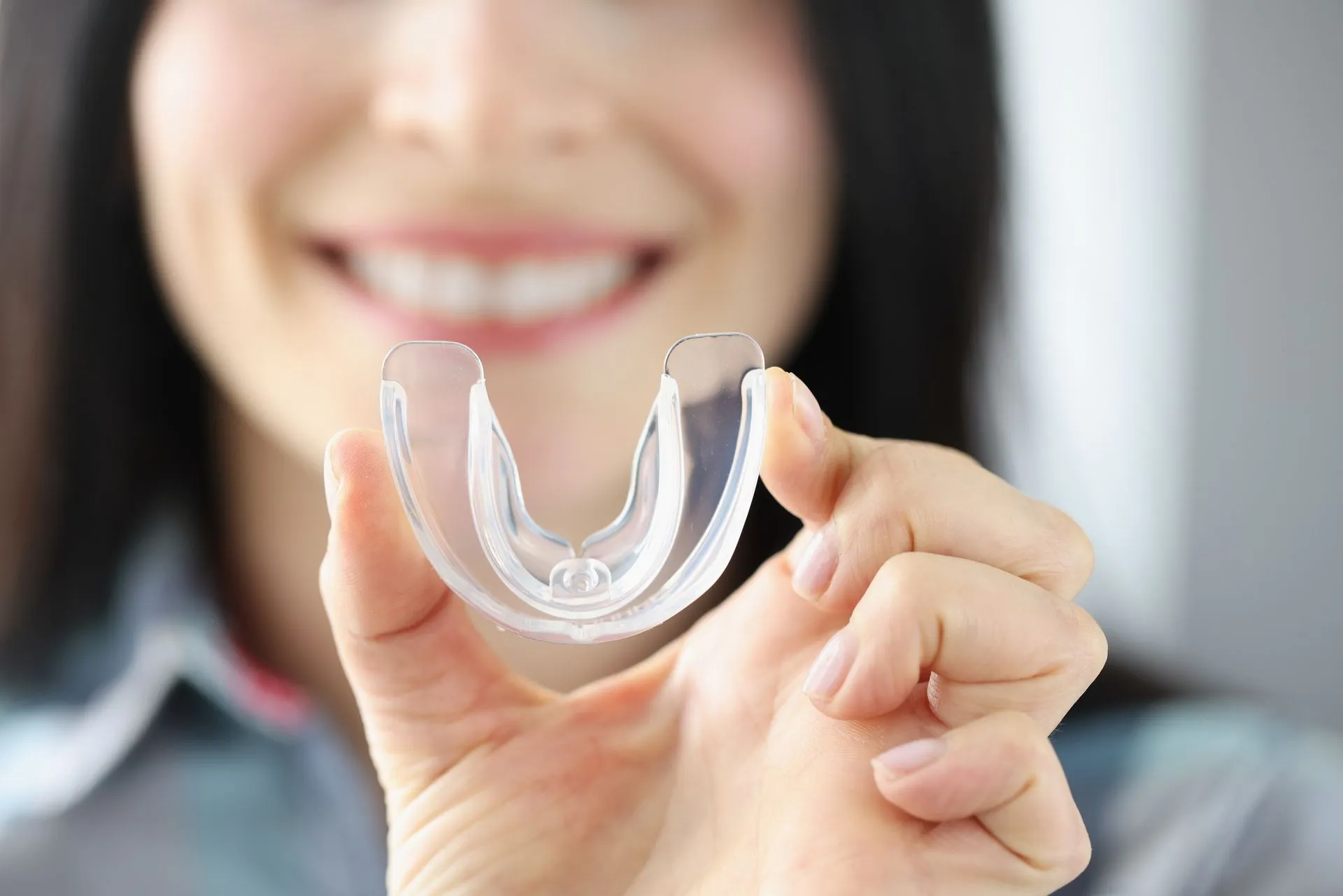
No. Whitening only affects natural teeth. If the patient has visible restorations, veneers, or crowns, it is important to have a preliminary assessment with the dentist to plan the colour harmonisation. In some cases, it may be necessary to replace old restorations to achieve a uniform aesthetic result. However, in rehabilitations with veneers, since the interior part of the tooth is fully maintained, it is possible to achieve some whitening with properly designed trays.

1

Can dental treatments replace Botox?

Yes, in the vast majority of cases. Dental rehabilitation acts on the supporting structure, which in itself already provides a lifting effect and lip filling, leading to a true rejuvenation of the face that in most cases dispenses with facial harmonization procedures.

2

Do facets damage the teeth?

No, provided that they are clinically indicated and properly planned and executed. Nowadays, there are ultraconservative techniques that minimize dental wear.

3

How long does the effect of teeth whitening last?

The effect of teeth whitening can last between 1 to 3 years, depending on the patient's habits (such as coffee, wine, or tobacco consumption) and oral maintenance. Even after that time, the teeth rarely return to their original color, requiring only a brief repetition of the procedure to lighten them again.

4

Is there a risk of sensitivity?

Yes, temporary, and only in some cases. But it can be controlled with the use of desensitising gels and professional monitoring.

5

Do dental rehabilitations change the shape of the face?

They change subtly and positively. The restoration of tooth height and the harmonization of the smile directly influence the lower third of the face. Even in cases where facial harmonization is necessary, dental treatments should always be performed before these procedures because only dental rehabilitation corrects the original problem.

6

What is the ideal age to start a dental aesthetic plan?

There is no defined age. It all depends on the dental condition and the aesthetic and functional needs of each person. From the age of 18, it is possible to evaluate and intervene with veneers, whitening, or minor corrections. However, many patients start this type of plan between the ages of 30 and 50, when they begin to notice signs of wear or changes in the aesthetics of their smile.

7

Does teeth whitening work on existing crowns or veneers?

No. Whitening only affects natural teeth. If the patient has visible restorations, veneers, or crowns, it is important to have a preliminary assessment with the dentist to plan the colour harmonisation. In some cases, it may be necessary to replace old restorations to achieve a uniform aesthetic result. However, in rehabilitations with veneers, since the interior part of the tooth is fully maintained, it is possible to achieve some whitening with properly designed trays.

Dental aesthetics is an effective, long-lasting, and natural solution for those wishing to rejuvenate without resorting to invasive procedures. More than just beautiful teeth, these approaches restore the patient's self-esteem, functional comfort, and a truly rejuvenated smile. Consult an experienced clinical team to assess your situation and outline the most suitable plan for your case.

Explore related articles

Book your
Appointment

Fill out the form and our team will get in touch with you to schedule your appointment.

Book your
Appointment

Fill out the form and our team will get in touch with you to schedule your appointment.

Book your
Appointment

Fill out the form and our team will get in touch with you to schedule your appointment.

We accompany each step of your clinical journey, focusing on your comfort, confidence, and smile.

@ 2026 ALL RIGHTS RESERVED - MALO CLINIC SA NIF 503411434 ERS No. 12920

Developed by

We accompany each step of your clinical journey, focusing on your comfort, confidence, and smile.

@ 2026 ALL RIGHTS RESERVED - MALO CLINIC SA NIF 503411434 ERS No. 12920

Developed by