Discover the impact that perimenopause can have on your oral health
Perimenopause and menopause are physiological phases of a woman's life that can occur between the ages of 35 and 55 and involve significant hormonal changes, particularly with a decrease in oestrogen levels.
The most common signs and symptoms include menstrual irregularity to complete absence of menstruation, sleep disturbances, mood changes, androgenic weight gain in the abdominal area, rapid muscle loss, decreased metabolic rate, transient memory loss, and hot flushes. These often coincide with increased cardiovascular risk and diabetes, worsening of the lipid profile, and progression of osteopenia.
Given the complexity of these complaints, oral health is often not a concern, and its value in potentially aggravating some of these situations is underestimated.
Hormonal changes of perimenopause and menopause, and their influence on oral health
During perimenopause, the production of oestrogen and progesterone decreases, affecting various tissues in the human body, including the oral mucosa and gums. These hormonal changes can result in:
Xerostomia (dry mouth): can lead to reduced saliva production, contributing to the sensation of dry mouth and hindering chewing and swallowing ability.
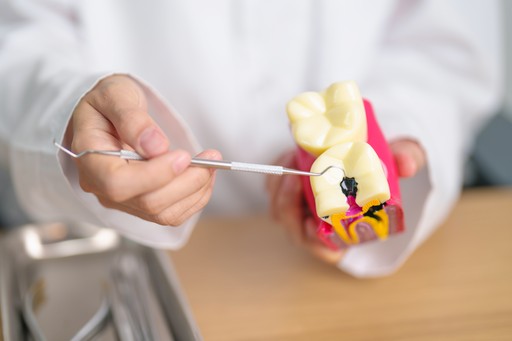
Dental caries: The reduction in saliva increases the presence of bacteria in the mouth, which can lead to a higher risk of cavities and subsequent bad breath.
Periodontal disease: the gums may also become more sensitive and prone to inflammation, increasing the risk of gingivitis and, in more severe cases, periodontitis (which affects the tissues supporting the teeth).
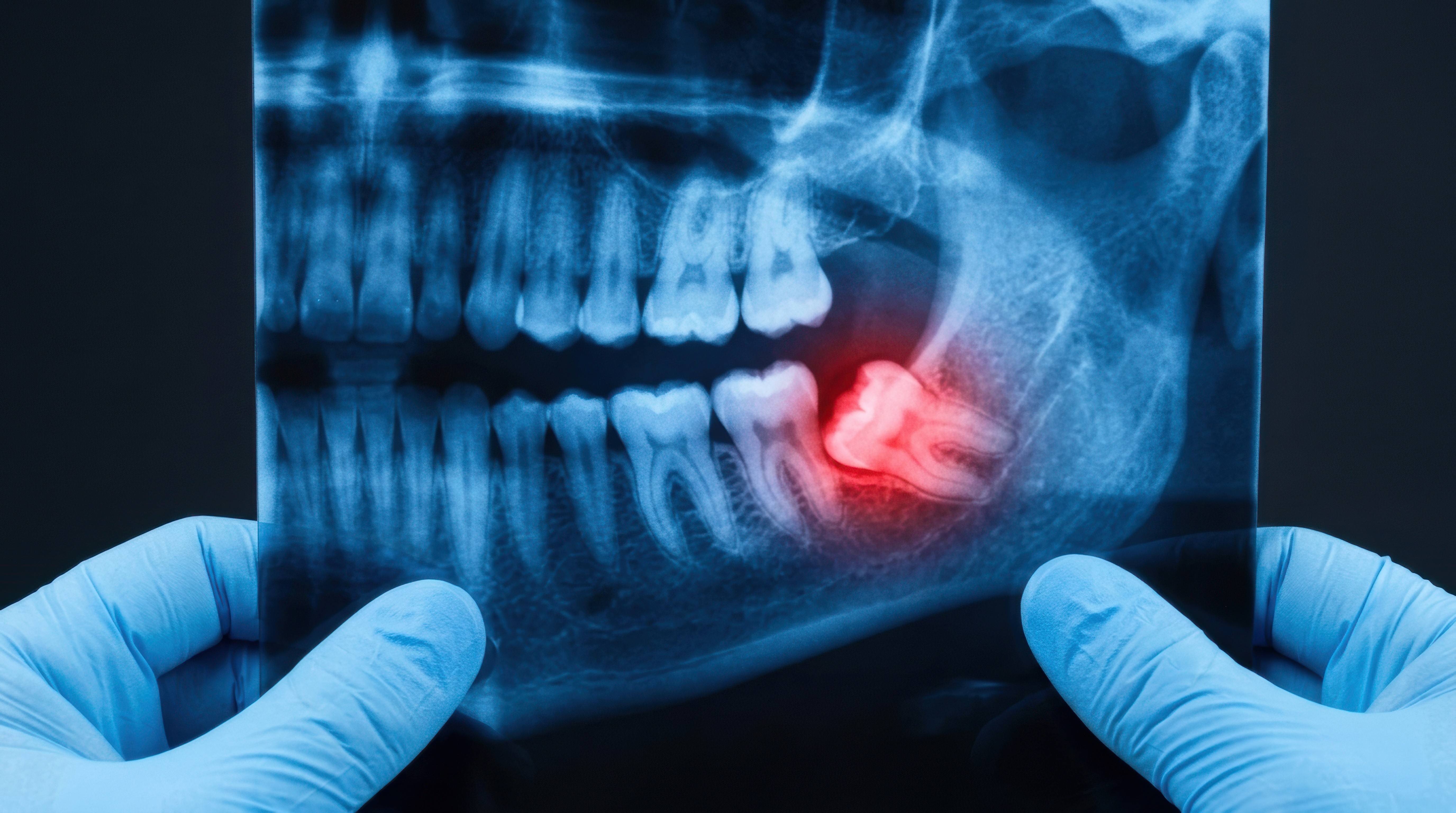
Osteoporosis and tooth loss: The decrease in bone density can affect the bones supporting the teeth, contributing to their mobility and, in more advanced cases, eventual loss.
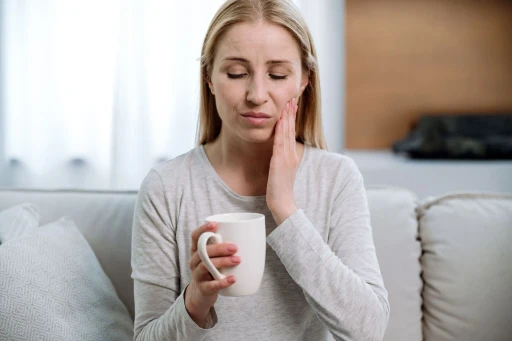
Dental sensitivity: During this period, some women report even greater dental sensitivity following xerostomia, caries, and periodontitis.
Burning mouth syndrome: sharp, burning pain that is persistent and may affect the tongue, the roof of the mouth, the lips, and the gums, resulting in altered taste. Often associated with and aggravated by xerostomia and commonly linked to complex nutritional deficits.
How to care for oral health during menopause?
There are some important habits to ensure that the most common complications, both from perimenopause and menopause, are minimized. Some recommendations include:
Ensure hydration: Drinking water frequently and chewing sugar-free gum can help combat dry mouth (properly confirmed with your dentist to avoid aggravating other conditions).
Maintain a strict oral hygiene routine: Brush your teeth at least twice a day with a fluoride toothpaste, as well as using dental floss daily.
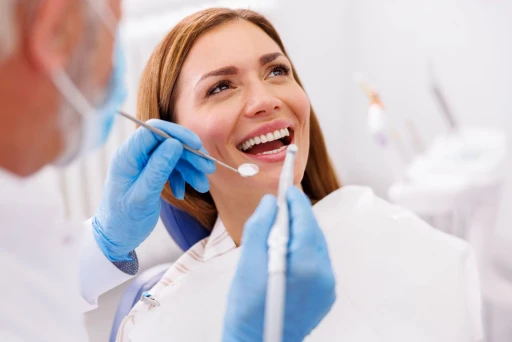
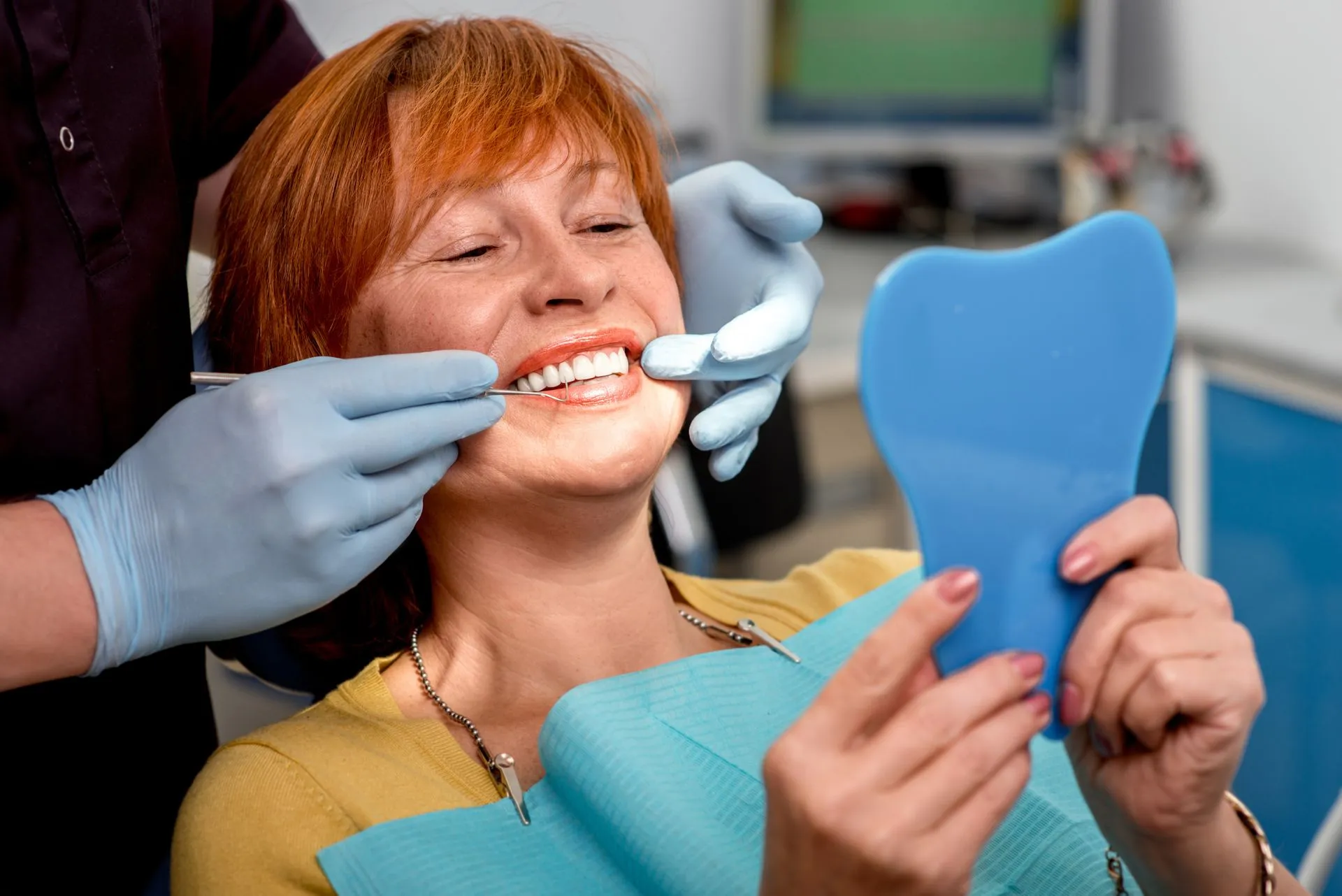
Regularly visit the dentist: Ensuring regular check-ups, at least every six months, is essential to monitor the health of your teeth and gums, allowing for the prevention, identification, and timely treatment of any potential problems.
Ensure a balanced diet: Foods rich in calcium and vitamin D help maintain bone health, preventing issues like tooth loss. At the same time, it is important to avoid foods and drinks (alcohol) high in sugar to reduce the risk of cavities.
Avoid harmful habits like smoking: At this time, the mouth is more susceptible to complications, so tobacco can exacerbate certain infections and can even lead to tooth loss. For this reason, regardless of age, it is important to quit smoking to ensure that oral and general health are strengthened.
Implement specific treatments if necessary: In some cases, your dentist may even recommend specific products or treatments, particularly for complications like xerostomia or sensitive gums.
Is it possible to prevent common oral complications of menopause?
Prevention is key to minimizing all these complications as much as possible. Thus, in addition to adequate oral hygiene and regular visits to the dentist, adopting a healthy lifestyle can make a significant difference.
A balanced intake of essential nutrients, engaging in physical exercise to strengthen bones, and reducing harmful habits such as smoking and excessive alcohol consumption are fundamental measures to maintain oral health during this phase of life.
In a consultation, can the dentist identify this phase?
No. Although there are more common conditions in perimenopause and menopause, also associated with a specific age range, oral health alone is not sufficient to identify this phase. However, it is important to inform your dentist, so that they can identify the most appropriate procedures.
Menopause can be a phase with additional challenges for oral and general health, but with the right care, it is possible to maintain a beautiful and healthy smile and well-being. Being attentive to changes in the mouth and seeking professional help when necessary is crucial to prevent more serious problems. Support during this phase of life can make a difference for a better quality of life.