In this article, we explore the different types of toothpaste, what to consider when choosing a toothpaste, and how to use them correctly. We also discuss the potential dangers of some toothpastes and share frequently asked questions and helpful tips to ensure a healthy and bright smile.
What to consider when choosing a toothpaste
When choosing a toothpaste, there are several factors you should consider:
Fluoride: The presence of fluoride is essential to prevent cavities and strengthen tooth enamel. Check the amount of fluoride indicated on the packaging. For an adult patient, a toothpaste with 1450 ppm of fluoride is recommended. In children, the fluoride concentration in toothpaste depends on the child's age and the risk of cavities.
Specific oral health needs: People with gum issues or teeth with sensitivity may be advised to use specific toothpastes, specially formulated for these conditions.
Active ingredients: Learn to identify certain ingredients in the composition of toothpastes, such as the presence of potassium nitrate for sensitive teeth or pyrophosphates to combat tartar. You should also be aware of potentially irritating ingredients. Some toothpastes contain sodium lauryl sulfate (SLS), which can cause irritation in people with sensitive oral mucosa.
Flavor: Although mint flavor is the most common, the truth is that many people do not tolerate it. Fortunately, there are already several options on the market, such as fruit-flavoured toothpastes or even bubblegum. Choosing a variety of flavours that are enjoyable can make the brushing moment more pleasant, contributing to consistency in oral hygiene habits.
Types of toothpaste and their functions
1. Fluoride toothpastes
Fluoride toothpastes strengthen tooth enamel, making it more resistant to acids and often contributing to the remineralisation process. In this sense, they are essential for the prevention of cavities.
2. Toothpastes for dental sensitivity
Recommended for people who feel discomfort when consuming hot, cold, or sweet foods or beverages, this toothpaste contains desensitizing ingredients such as potassium nitrate, arginine, or NovaMin technology, which act on the exposed nerve endings of the teeth, alleviating the symptoms associated with dental sensitivity. If you suffer from sensitivity, consult your oral hygienist about the most recommended toothpaste for your case. Also, do not neglect routine check-ups as it is important to understand the cause of dental sensitivity and the need for any intervention.
3. Toothpastes for gum issues
They are ideal for those suffering from gum inflammation, with or without bleeding during brushing. They include ingredients such as zinc, cetylpyridinium chloride, glycyrrhetinic acid, or natural extracts with antibacterial properties, which help control inflammation and bleeding or other signs of gingivitis. Note that gingivitis, if not controlled, can progress to periodontitis, which in more severe cases is responsible for premature tooth loss.
4. Whiteners toothpastes
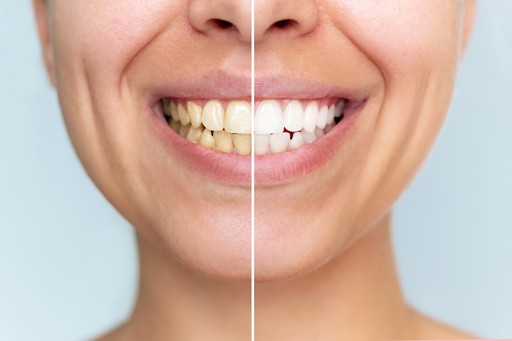
They promise a whitening effect in a few uses and the removal of superficial stains caused by food and drinks. However, these toothpastes contain abrasive agents that can wear down enamel over time, potentially increasing dental sensitivity and the risk of cavities in the long run.
5. Activated charcoal toothpastes
A very popular trend widely referred to on social media, activated charcoal toothpastes claim teeth whitening results by removing stains. However, studies indicate that activated charcoal is also a very abrasive component, and like the aforementioned whitening toothpastes, it can cause long-term dental wear.
6. Fluoride-free toothpastes
Indicated for people who do not tolerate fluoride or who prefer natural alternatives. However, it is important to emphasize that they do not provide the same protection against cavity lesions.
7. Children's toothpastes
Formulated with a lower concentration of fluoride, adjusted to the age range for which they are intended and the respective risk of dental cavities, they are tailored in flavor to children's taste. The appealing packaging featuring superheroes, princesses, and other elements of children's imagination helps make the brushing experience fun.
Ideal amount of toothpaste
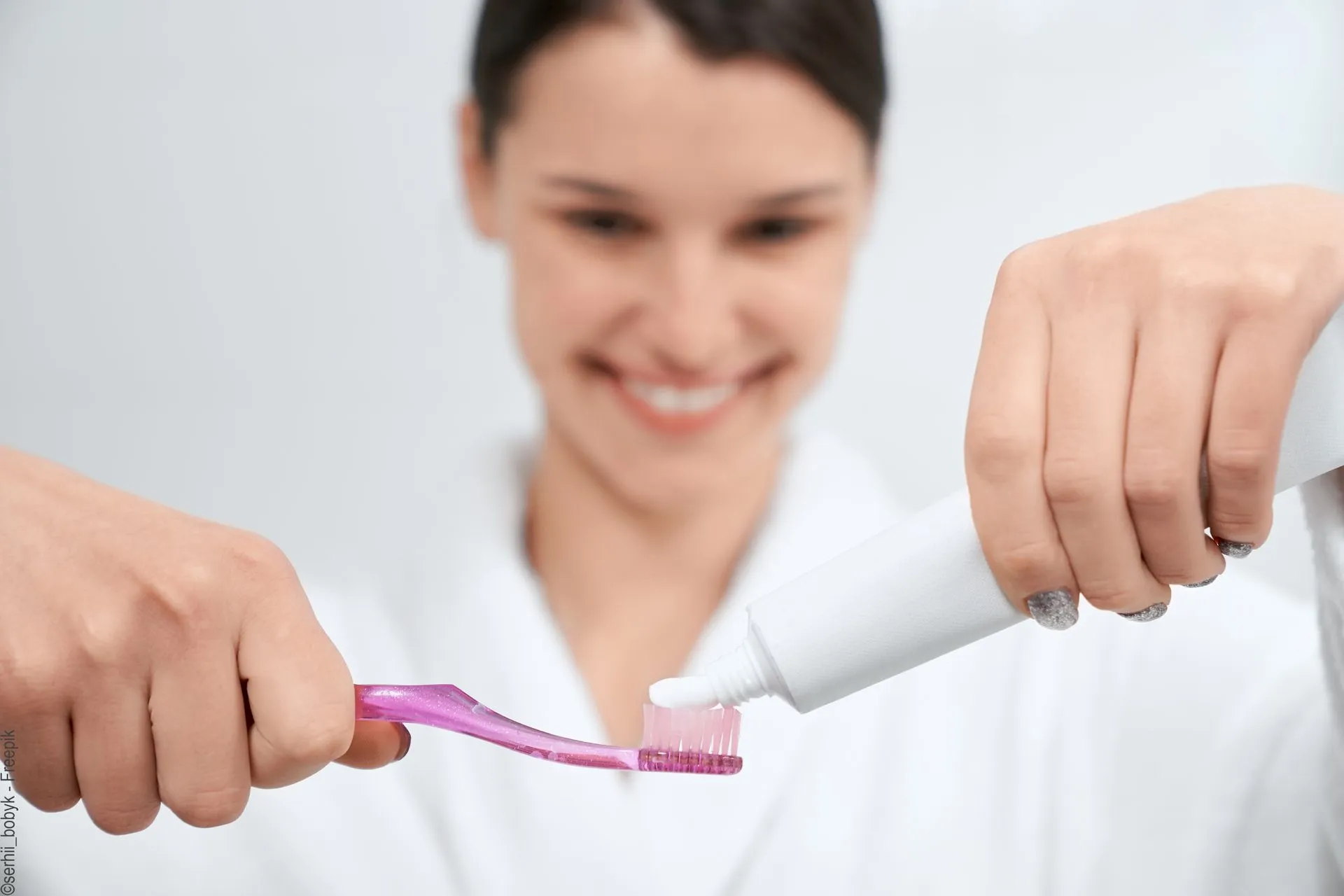
In oral hygiene routines, the amount of toothpaste used can make all the difference. Using an excessive amount of toothpaste does not increase the effectiveness of oral hygiene; on the contrary, it can lead to excessive foaming that often hinders proper brushing.
Thus, regarding the amount of toothpaste, it is recommended:
Adults: An amount equivalent to the size of a pea is sufficient.
Children up to 6 years: The amount of toothpaste should not exceed the size of a grain of rice, especially since the child may not yet have the skill to spit and may swallow part of the toothpaste.
Frequently Asked Questions
With this article, we can conclude that the choice of the ideal toothpaste depends on your individual needs and the recommendations of your dentist or oral hygienist. Opting for a fluoride toothpaste suitable for your oral health condition is an essential step in preventing cavities and maintaining a healthy smile. Remember that good oral hygiene also depends on the use of dental floss, effective brushing, and regular visits to your oral hygienist.