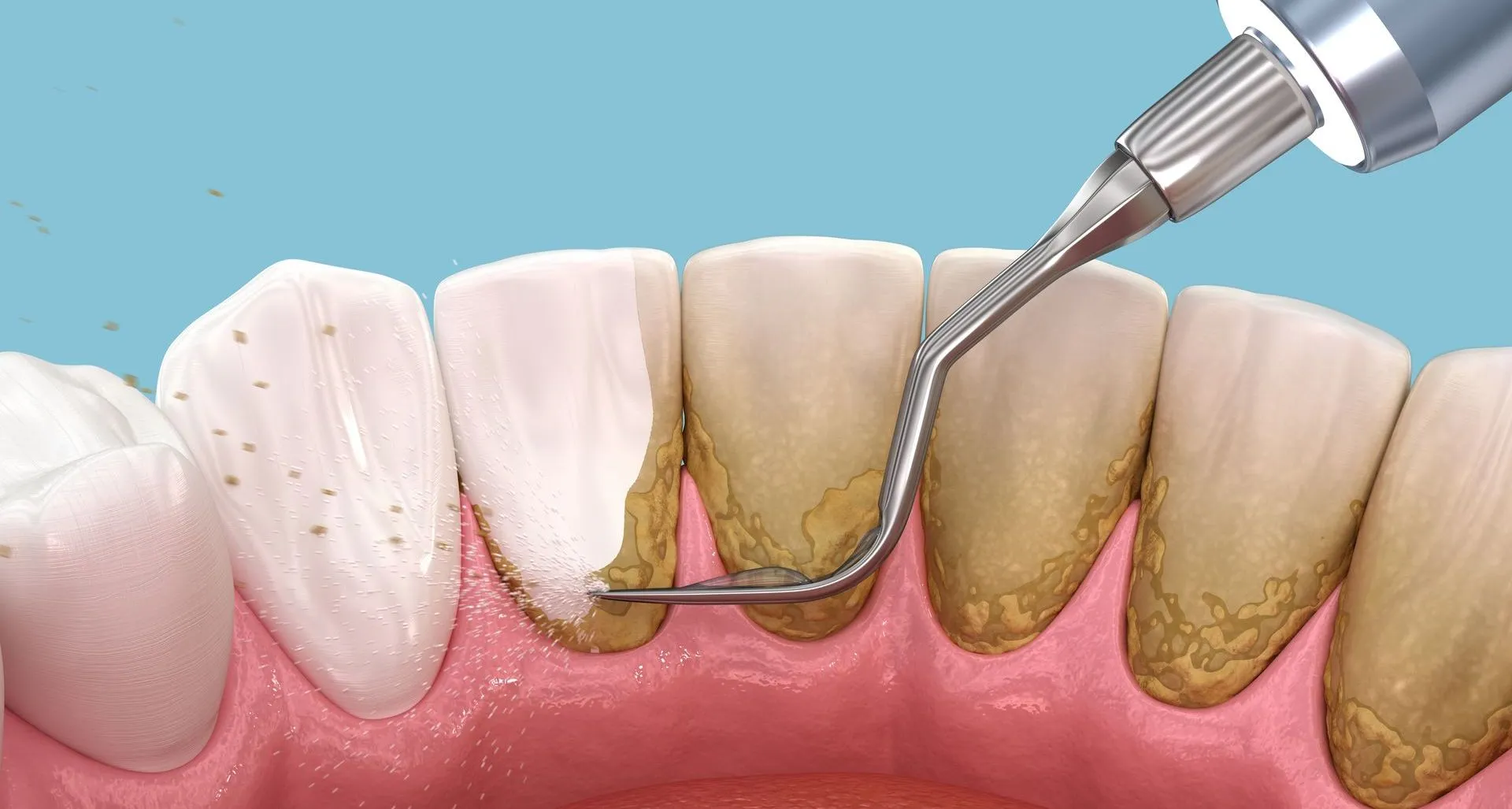
Discover how dental plaque forms and how to eliminate it!
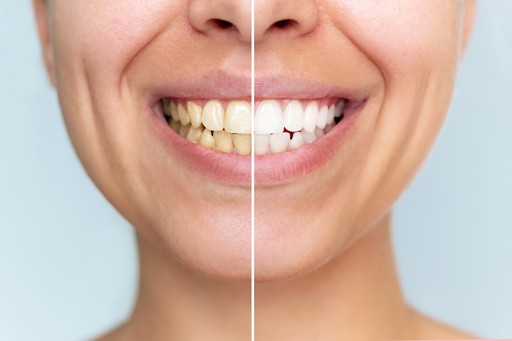
Dental plaque is a sticky, colorless film made up of bacteria, salivary proteins, and food debris that naturally accumulates on the surface of teeth and along the gum line. If not removed daily, it hardens and turns into tartar, a hard deposit that is yellow or brown in color. Unlike dental plaque, which can be removed through daily brushing and flossing, tartar cannot be easily removed, and its removal must be performed by a dental hygienist in an office.
How does dental plaque form?
Dental plaque forms in four stages:
Minutes after brushing, a biofilm forms, consisting of salivary proteins and other macromolecules already present in the oral cavity.
After a few hours, along with saliva and food debris, the so-called “immature” plaque forms. During this phase, aerobic bacteria that thrive in high concentrations of oxygen dominate.
Within eight hours to three days, if the plaque is not removed, anaerobic bacteria, which survive in low concentrations of oxygen, outnumber aerobic bacteria, and the plaque becomes “mature” and more adherent to the tooth surface.
10 to 15 days later, depending on an individual's oral hygiene habits, the plaque undergoes a mineralization process and turns into tartar.
These bacteria use sugars and food components to produce acids that contribute to the formation of dental plaque and attack the enamel of the teeth, leading to their deterioration. This action consequently leads to the appearance of oral problems.
What are the consequences for oral health? What oral problems are we talking about?
If not effectively removed, dental plaque causes problems in the teeth, as well as in the gums, such as:
Tooth decay: The acids produced by bacteria can demineralize tooth enamel, leading to the appearance of tooth decay.
Gingivitis: The accumulation of dental plaque along the gum line can cause inflammation and bleeding, leading to gingivitis.
Periodontitis: If oral hygiene habits are not changed and there is no effective removal of dental plaque, gingivitis is not treated and can progress to periodontitis, a more serious infection that affects the bone and supporting tissue of the teeth and can even lead to tooth loss.

Prevention and Control: How to Avoid Complications
To prevent the formation of plaque and tartar, it is essential to take some precautions, such as:
Ensuring daily oral hygiene: Brush your teeth at least twice a day, once in the morning and once before going to bed, with a fluoride toothpaste. Use a soft-bristled toothbrush to avoid damaging the gums, and ensure that the brushing covers the entire dentition. Additionally, use dental floss or another method of interproximal cleaning daily, preferably before each brushing, to remove plaque between the teeth.
Visit the dentist or oral hygienist regularly: Have oral hygiene check-ups at least every six months to ensure tartar removal and the diagnosis of oral problems, such as dental cavities.
Maintain a healthy diet: Ensure a healthy diet by consuming foods rich in fiber and essential nutrients, such as fruits and vegetables. Also, limit the intake of foods and drinks high in sugar, which contribute to the demineralization of tooth enamel.
Use an oral rinse: Use an antibacterial oral rinse to eliminate harmful bacteria that can settle in the oral cavity and are not always removed through brushing.
Additional Tips to Avoid Plaque Formation
Replace your toothbrush: Change your toothbrush every three months or when the bristles are worn. When the bristles are not firm, plaque is removed less effectively. A helpful tip to remember to change your brush is to do so at the start of each season.
Ensure proper tongue hygiene: Clean your tongue daily to remove bacteria and prevent bad breath. Besides brushing your tongue, a tongue scraper can be used by applying gentle pressure and sliding it to the tip of the tongue.
Ensure adequate hydration: Drink plenty of water to ensure hydration and proper saliva production, which helps neutralize acids in the mouth and eliminate food residues.
If necessary, align the dentition using braces: Removing plaque and tartar is crucial to ensure oral health. For this reason, to facilitate the removal of plaque, it is important that the dentition is aligned. Thus, in certain cases, the use of braces may be recommended to help align the teeth and, consequently, facilitate oral hygiene routines, keeping the mouth clean and avoiding unnecessary later oral complications.