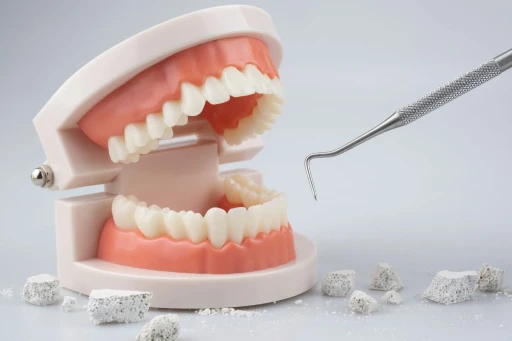
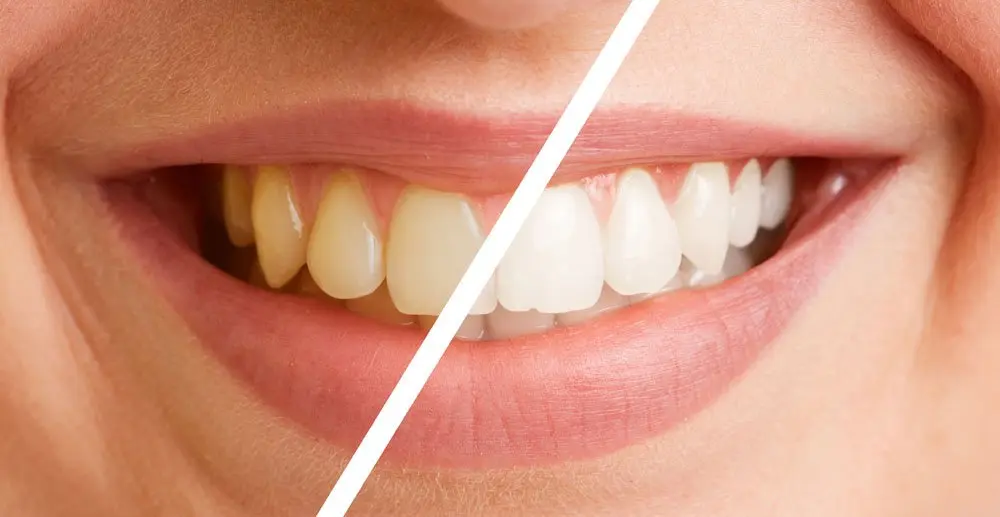
Tartar, also known as dental calculus, consists of the hardening of dental plaque on the tooth surface, but also on appliances, dentures, and implants, and can also affect the gums and gum tissues.
This process happens progressively and, besides causing bad breath, it can also lead to tooth and implant loss.
How is tartar identified?
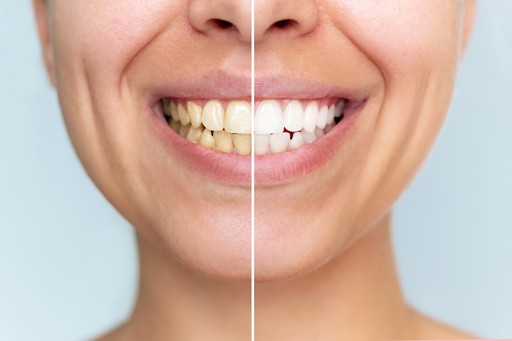
Tartar can be identified above the gum line, where it usually presents a yellow or brownish colour, and below the gum line, where it is black. Another sign can be gum bleeding.
How can I prevent the appearance of tartar?
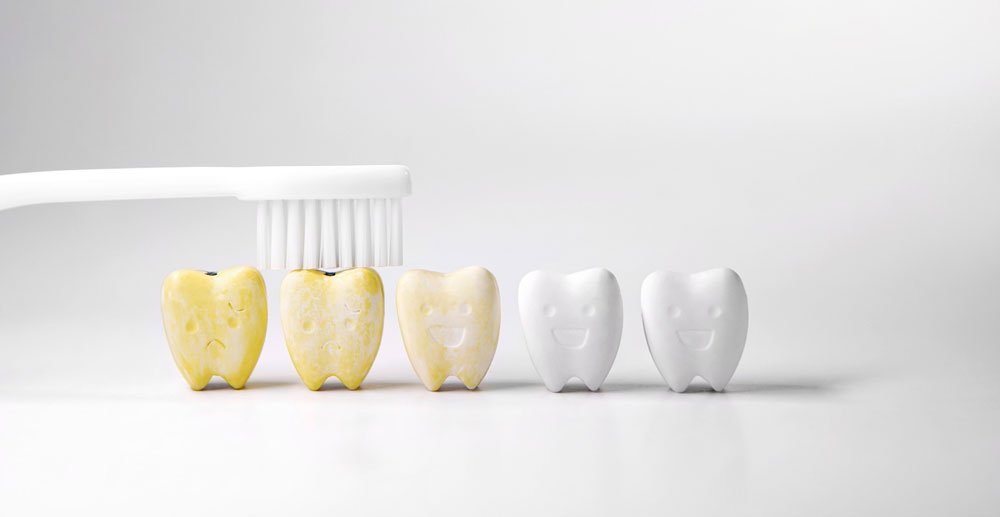
Just like in the case of cavities and other dental problems, the best way to prevent tartar is to brush properly for approximately 2 minutes and about 2 to 3 times a day. We also recommend using other methods of plaque removal daily, such as dental floss.
There are various mouthwash products that contain chemical inhibitors of dental plaque, delaying its hardening and assisting in its removal.
The appearance of tartar also depends on other factors, such as age, diet, medication intake, access to oral health care, and also the time elapsed since the last tartar removal performed in-office.
Regularly visiting an oral health professional is thus essential to prevent this condition, as they will advise you on the best treatment, what daily care to take - and share with you oral hygiene techniques that promote its prevention and reduction.

How is tartar treated?
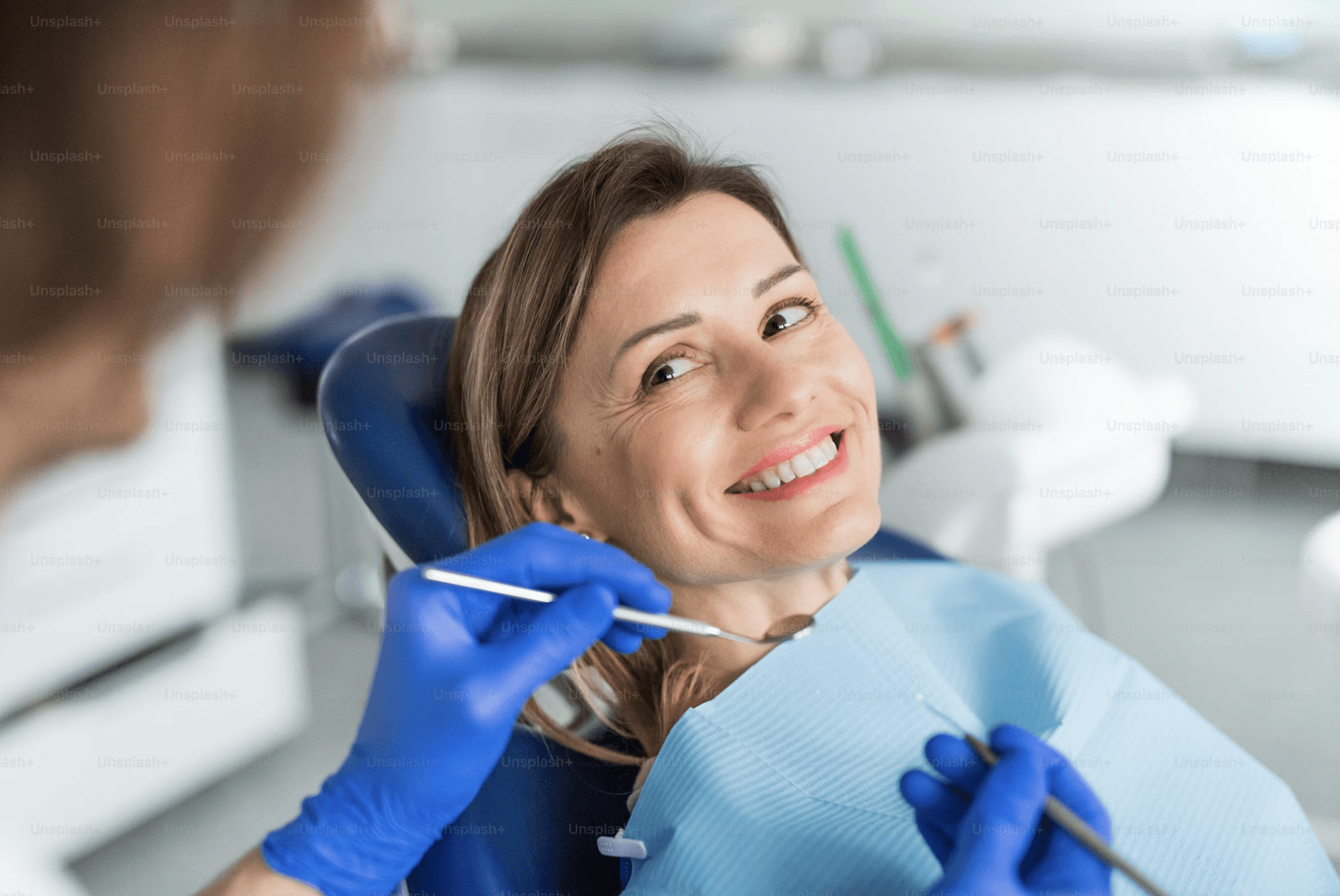
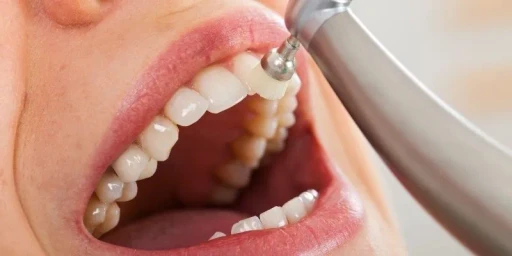
To remove tartar from the teeth, a scaling should be performed, which must be carried out by a dental health professional - dentist or oral hygienist. This treatment is performed using ultrasounds and manual instruments.
It is not advisable to resort to home remedies that may cause irreversible damage to the teeth, such as lemon juice, apple cider vinegar, sea salt, baking soda, and activated charcoal. In addition to their abrasive properties, these solutions can also cause imbalances in the pH of the oral cavity and dental hypersensitivity.
The most effective way to remove tartar remains to consult a dental health professional, who will advise on the appropriate treatment for the removal of this bacterial plaque.
At MALO CLINIC, we have an experienced team of oral hygienists, fully qualified in the identification, elimination, and prevention of tartar formation. Our Oral Hygiene consultations last 1 hour and include examinations of the dentition and periodontium, scaling, polishing with baking soda jet, and topical fluoride application, as well as intraoral radiographs and screening for oral cancer.