Pathologies

Pathologies

Inflamed Gums: causes, symptoms and when to seek help

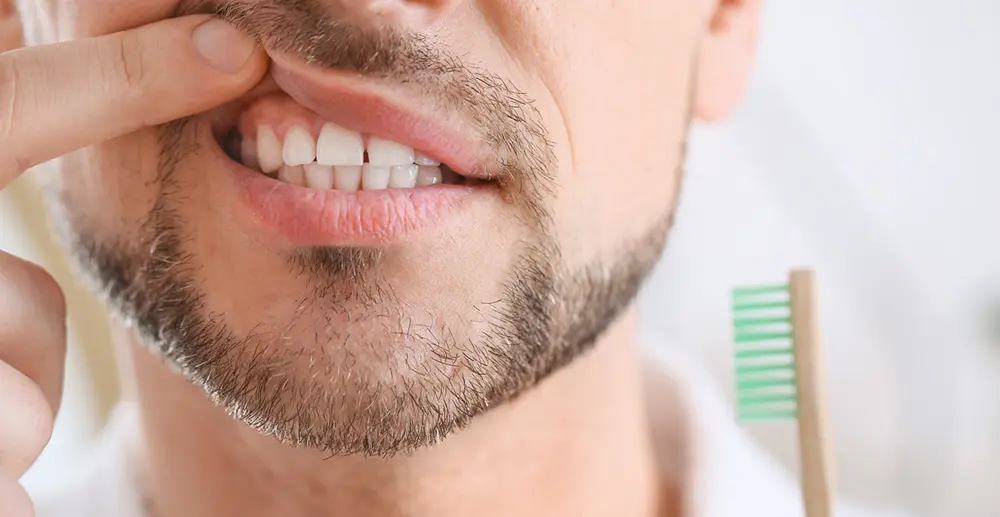
Inflamed gums are not just an inconvenience; they can be the first sign of a more serious problem. Discover causes, symptoms, and when you should schedule your appointment.

Written by:

André Sousa | Oral Hygienist

André Sousa

Oral Hygienist

C-037077082/ACSS

Inflamed Gums: causes, symptoms and when to seek help

What is gum inflammation?

Gum inflammation is one of the most common oral problems among adults, and is often underestimated. In Portugal, epidemiological studies indicate that more than half of the population experiences some degree of gum inflammation over their lifetime, resulting from ineffective oral hygiene habits, hormonal changes, lifestyle, or even genetic predisposition.

Inflamed gums, also known as gingivitis, typically occur as a response of the body to the accumulation of bacterial plaque. Although common, this condition deserves attention, because when ignored, it can progress to periodontitis, a more serious disease that affects the bone and supporting tissues of the teeth, and represents one of the main causes of premature tooth loss.

How to identify healthy gums vs. inflamed gums

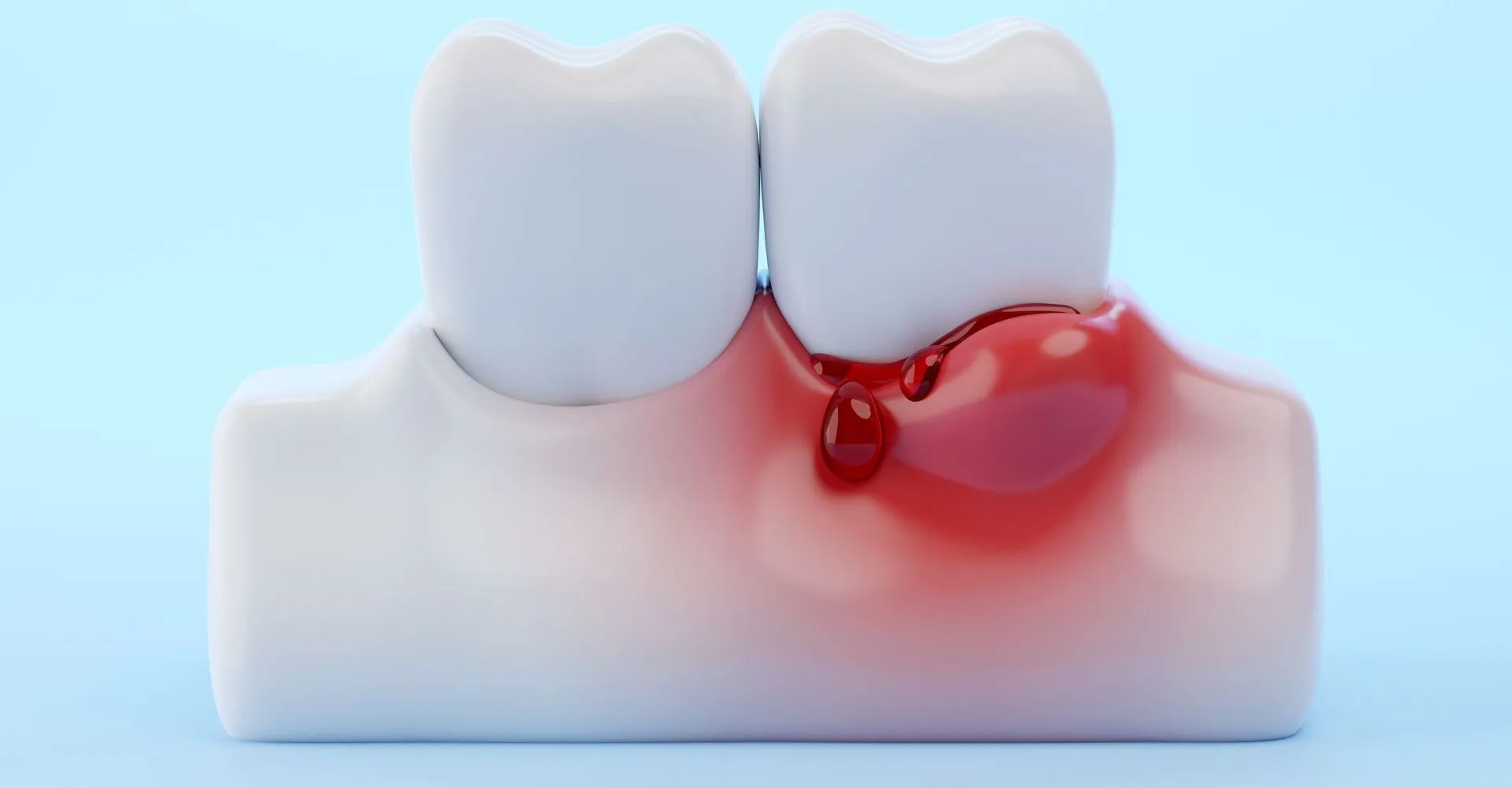
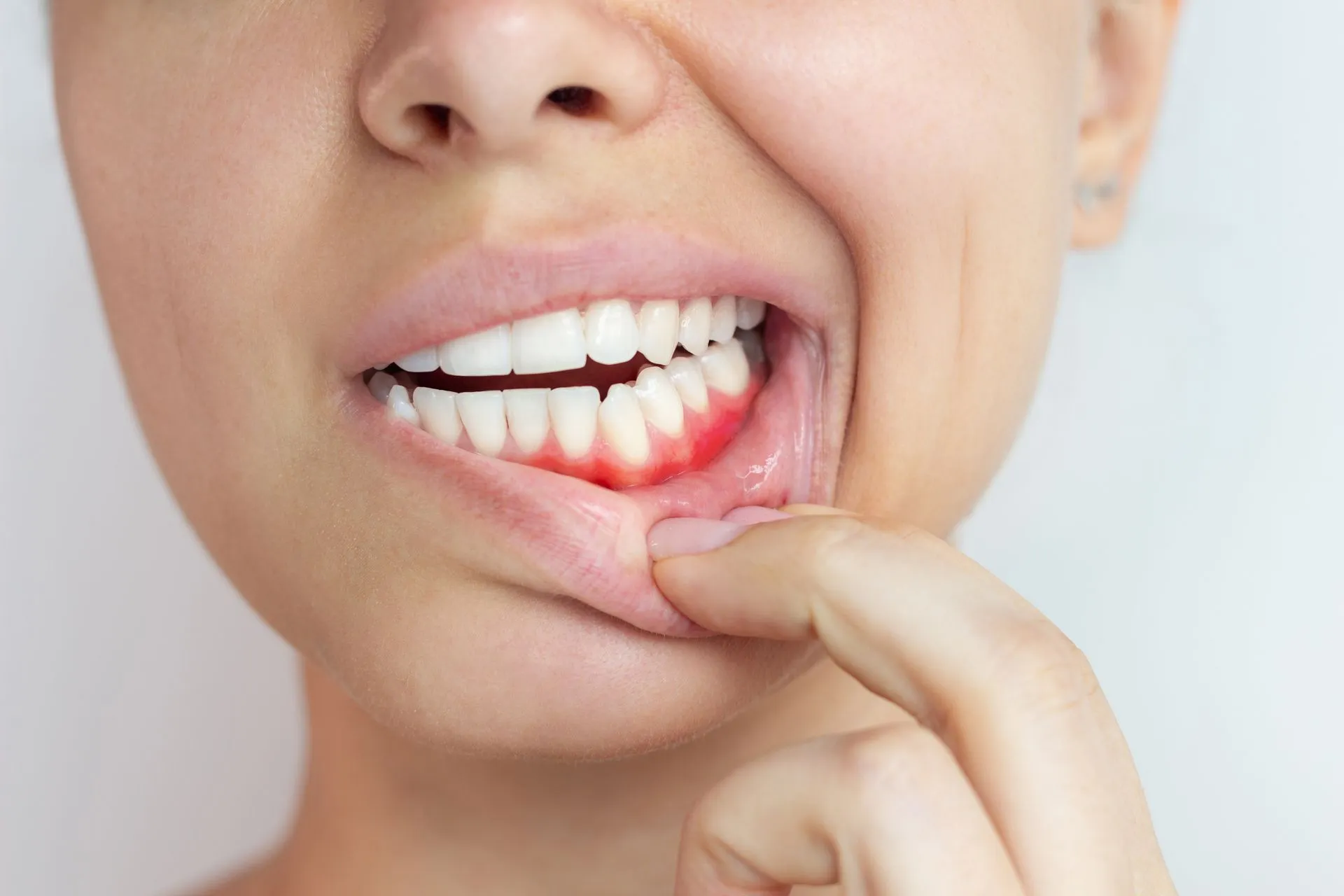
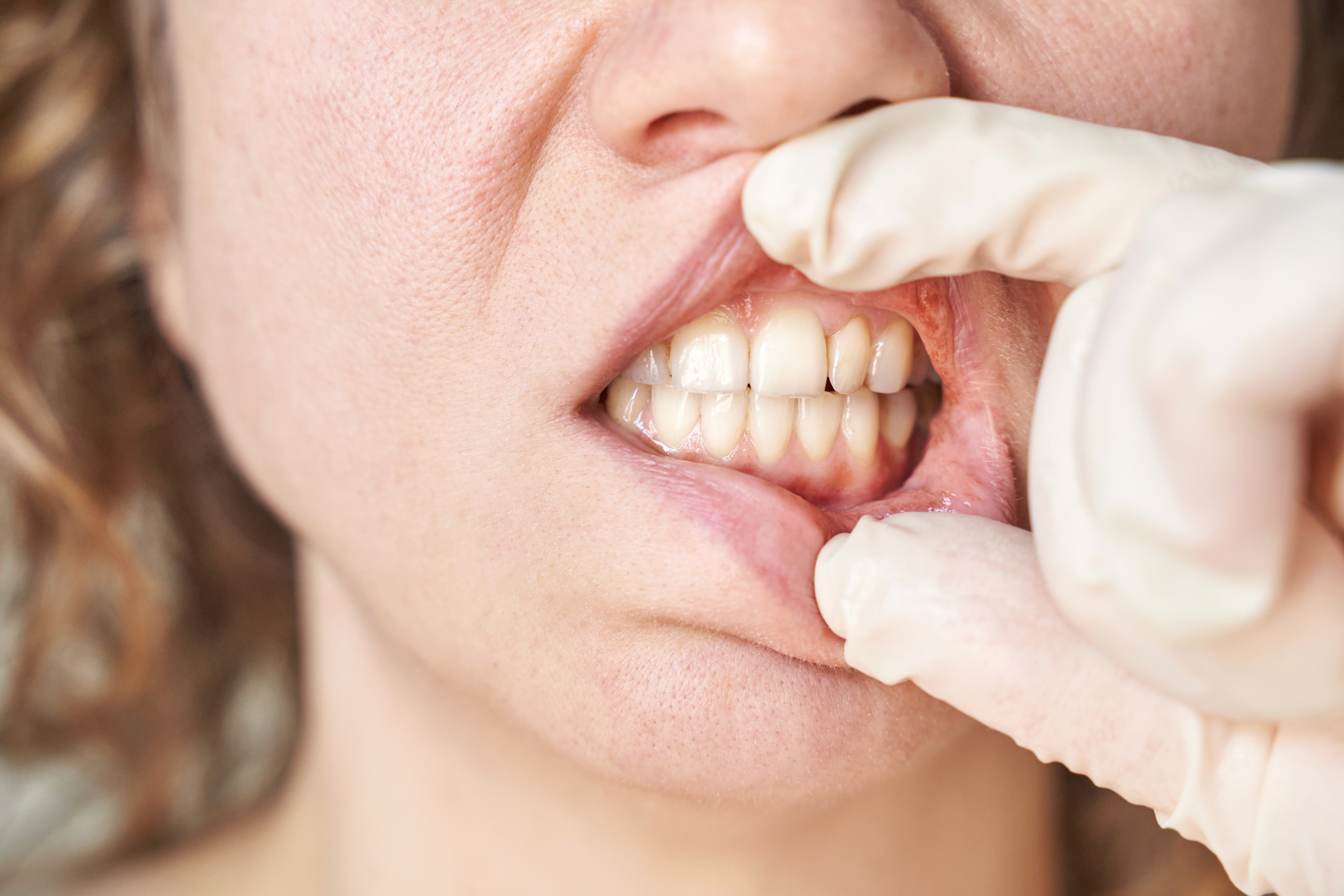
Healthy gums generally present a “pale-pink” color and a firm texture. When inflammation occurs, these tissues become more sensitive, red, and bleed easily, especially during brushing. This is a warning sign that should not be ignored. Bleeding while brushing is not an indicator of excessive force during brushing, but rather the first symptom of inflammation.
Main Causes of Inflamed Gums

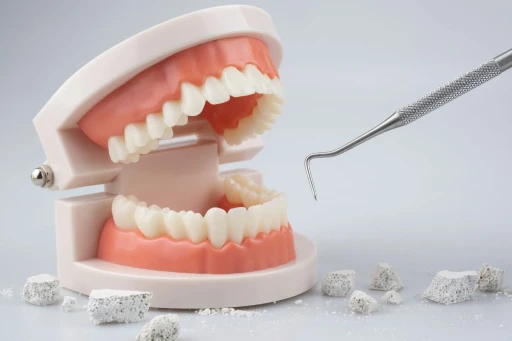
The main causes include the accumulation of plaque, which turns into tartar if not removed properly. Plaque contains bacteria that release toxins, irritating the gums. 

Factors such as hormonal changes, including pregnancy and adolescence, can intensify this inflammatory response. Certain medications, such as some antihypertensives, can also contribute to gum inflammation, just like tobacco. 

It is important to note that gingivitis can present differently in smokers, showing less bleeding despite greater inflammation. This happens because tobacco reduces blood flow, masking visible symptoms and making it harder to perceive the problem.

Some systemic diseases, such as diabetes directly influence gum health. Patients with poorly controlled diabetes are more likely to develop gum inflammation due to reduced healing capacity.

Most Common Symptoms

Gum inflammation has typical signs that help in its early identification:

  • Redness

  • Sensitivity

  • Persistent bad breath 

  • Bleeding when brushing

Interestingly, gum inflammation rarely causes severe pain, which may lead to its undervaluation. However, despite its seemingly simple appearance, it is associated with complex biological mechanisms. The inflammatory response is, in fact, an attempt by the immune system to control bacterial proliferation. Scientific studies indicate that about 30% of the population has a higher genetic predisposition to develop periodontal problems, even while maintaining good oral hygiene habits.

When to See a Dental Hygienist or Dentist?

The answer is simple: at the first subtle sign of inflamed gums. 

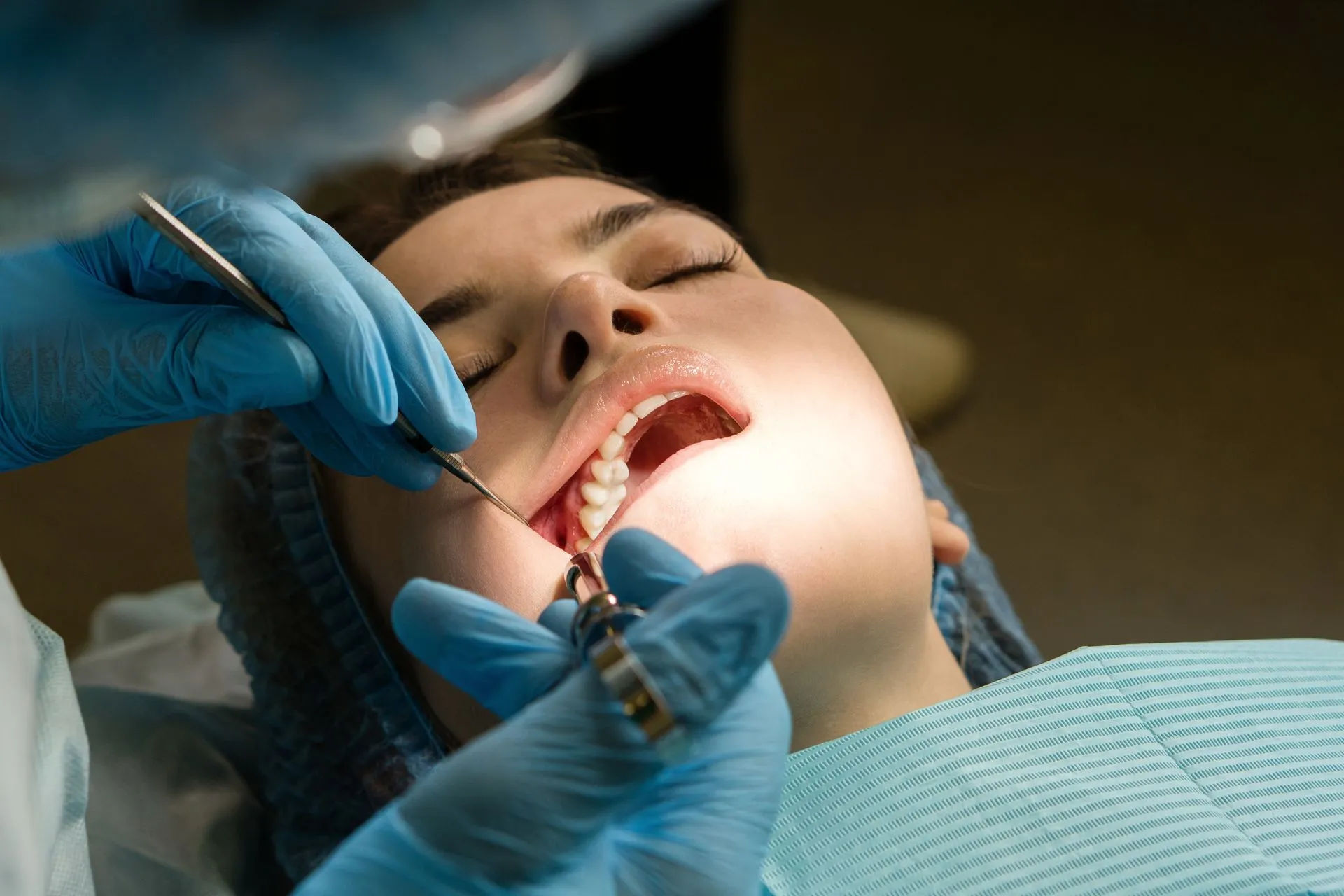
Clinical evaluation can identify the degree of inflammation and initiate the appropriate treatment. A dental hygienist can perform a professional scaling and guide the patient on the most suitable oral hygiene techniques. If the inflammation is more advanced, a more in-depth approach, such as periodontal treatment, may be necessary. Ignoring symptoms increases the risk of progression to periodontitis, the most severe consequence of which is tooth loss.

How to Prevent Gum Inflammation

Prevention remains the best strategy. Brushing teeth twice a day, using dental floss or another interdental cleaning method, and making regular visits to the Hygienist/Dentist drastically reduces the risk of gum inflammation. Clinical evidence shows that good oral hygiene reduces the presence of pathogenic bacteria responsible for inflammation.

Frequently Asked Questions

1

Is bleeding during brushing normal?

No. It's a typical sign of gum inflammation and requires evaluation.

2

Does inflamed gum heal on its own?

No. It can be slightly improved with more rigorous oral hygiene, but ideally, you should consult an oral hygienist or dentist to assess for the presence of tartar or the onset of periodontal disease.

3

Does pregnancy increase the risk of inflamed gums?

Yes. Hormonal changes make the gums more reactive to the accumulation of bacterial plaque.

4

What is better: dental floss or interdental brush?

It depends on the space between the teeth. The oral hygienist or dentist may recommend the most suitable option for each case.

5

Does gum inflammation cause bad breath?

Yes. The bacteria present in the bacterial plaque and tartar release compounds responsible for the odor.

6

How can I avoid getting inflamed gums again?

Maintain a consistent oral hygiene routine, attend preventive consultations, and adopt a healthy lifestyle, ideally without tobacco.

7

Can I have inflamed gums even with good brushing?

It can happen. Even with good oral hygiene, certain factors such as stress, diabetes, hormonal changes, or certain medications can make the gums more reactive and susceptible to inflammation.

8

What is the difference between gingivitis and periodontitis?

Gingivitis is a superficial inflammation of the gums and is reversible, often requiring only a change in oral hygiene habits to reverse the situation. Periodontitis is a more advanced stage of the disease, with loss of support for the tooth (bone and ligaments), and requires more complex treatment.

9

What is the most suitable toothbrush for inflamed gums?

In general, it is recommended to use a soft or extra-soft bristle brush. Electric toothbrushes can also be a good option, as many of them have specific programs for sensitive gums in addition to pressure sensors that help.

10

Can children also have inflamed gums?

Yes. It is common when there is a buildup of plaque due to inconsistent and ineffective oral hygiene. Preventive maintenance is essential to avoid future complications.

1

Is bleeding during brushing normal?

No. It's a typical sign of gum inflammation and requires evaluation.

2

Does inflamed gum heal on its own?

No. It can be slightly improved with more rigorous oral hygiene, but ideally, you should consult an oral hygienist or dentist to assess for the presence of tartar or the onset of periodontal disease.

3

Does pregnancy increase the risk of inflamed gums?

Yes. Hormonal changes make the gums more reactive to the accumulation of bacterial plaque.

4

What is better: dental floss or interdental brush?

It depends on the space between the teeth. The oral hygienist or dentist may recommend the most suitable option for each case.

5

Does gum inflammation cause bad breath?

Yes. The bacteria present in the bacterial plaque and tartar release compounds responsible for the odor.

6

How can I avoid getting inflamed gums again?

Maintain a consistent oral hygiene routine, attend preventive consultations, and adopt a healthy lifestyle, ideally without tobacco.

7

Can I have inflamed gums even with good brushing?

It can happen. Even with good oral hygiene, certain factors such as stress, diabetes, hormonal changes, or certain medications can make the gums more reactive and susceptible to inflammation.

8

What is the difference between gingivitis and periodontitis?

Gingivitis is a superficial inflammation of the gums and is reversible, often requiring only a change in oral hygiene habits to reverse the situation. Periodontitis is a more advanced stage of the disease, with loss of support for the tooth (bone and ligaments), and requires more complex treatment.

9

What is the most suitable toothbrush for inflamed gums?

In general, it is recommended to use a soft or extra-soft bristle brush. Electric toothbrushes can also be a good option, as many of them have specific programs for sensitive gums in addition to pressure sensors that help.

10

Can children also have inflamed gums?

Yes. It is common when there is a buildup of plaque due to inconsistent and ineffective oral hygiene. Preventive maintenance is essential to avoid future complications.

Explore related articles

Book your
Appointment

Fill out the form and our team will get in touch with you to schedule your appointment.

Book your
Appointment

Fill out the form and our team will get in touch with you to schedule your appointment.

Book your
Appointment

Fill out the form and our team will get in touch with you to schedule your appointment.

We accompany each step of your clinical journey, focusing on your comfort, confidence, and smile.

@ 2026 ALL RIGHTS RESERVED - MALO CLINIC SA NIF 503411434 ERS No. 12920

Developed by

We accompany each step of your clinical journey, focusing on your comfort, confidence, and smile.

@ 2026 ALL RIGHTS RESERVED - MALO CLINIC SA NIF 503411434 ERS No. 12920

Developed by