
What are the main symptoms of a dental abscess?
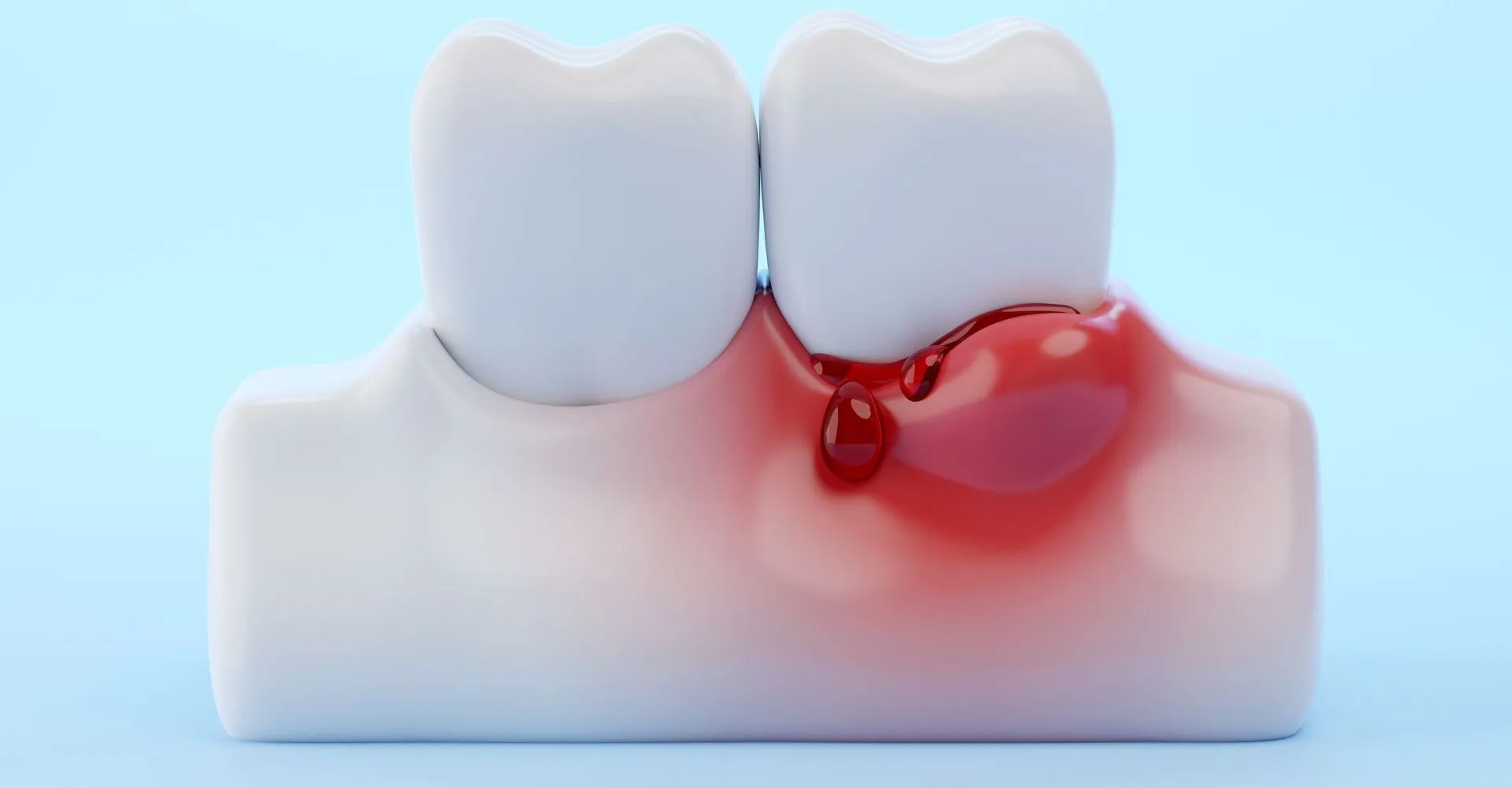
Abscesses are bacterial infections that occur inside the teeth or in the gums, resulting in pus accumulations around the tooth. In the initial phase, they have a reddish colour that, over time, changes to a yellowish shade. These infections occur when there is lack of proper oral hygiene, and their most common causes are untreated decay, trauma, or gum health problems such as periodontitis, a chronic inflammatory disease caused by the accumulation of plaque and tartar along the roots of the teeth which, if left untreated, can even lead to premature tooth loss.
Types of dental abscess
Gingival or periodontal abscess: Gingival abscesses are usually caused by an infection in the space between the gum and the tooth. This infection is often associated with periodontal disease – a bacterial infection of the tissues - and ineffective removal of bacterial plaque.
Dental abscess: A dental abscess is usually caused by a large cavity and occurs when the "tooth nerve" is affected. This abscess forms within the jawbone, and as such, when it is still in the root of the tooth, it is not visible. However, over time, its size increases until it becomes noticeable externally.
What are the main symptoms?
Symptoms depend on their origin – whether dental or gingival – but some of the most common are:
Intense pain in the tooth or gum (depending on the type of abscess);
Swelling of the gum, face, lower or upper jaw and/or neck;
Sensitivity to cold and heat;
Fever;
General discomfort;
Bitter taste in the mouth (when pus is released);
Difficulty chewing or opening the mouth;
Bad breath.
The symptoms of an abscess in the gums or teeth can last for months or even years, being an infection that only disappears with the appropriate treatment. Indeed, if it is not properly treated, it can cause damage not only to the gums and teeth but also to the surrounding bone, and can also infect the bloodstream, resulting in more serious complications such as septicaemia, which leads to changes in the functioning of certain organs.
How is a dental abscess diagnosed?
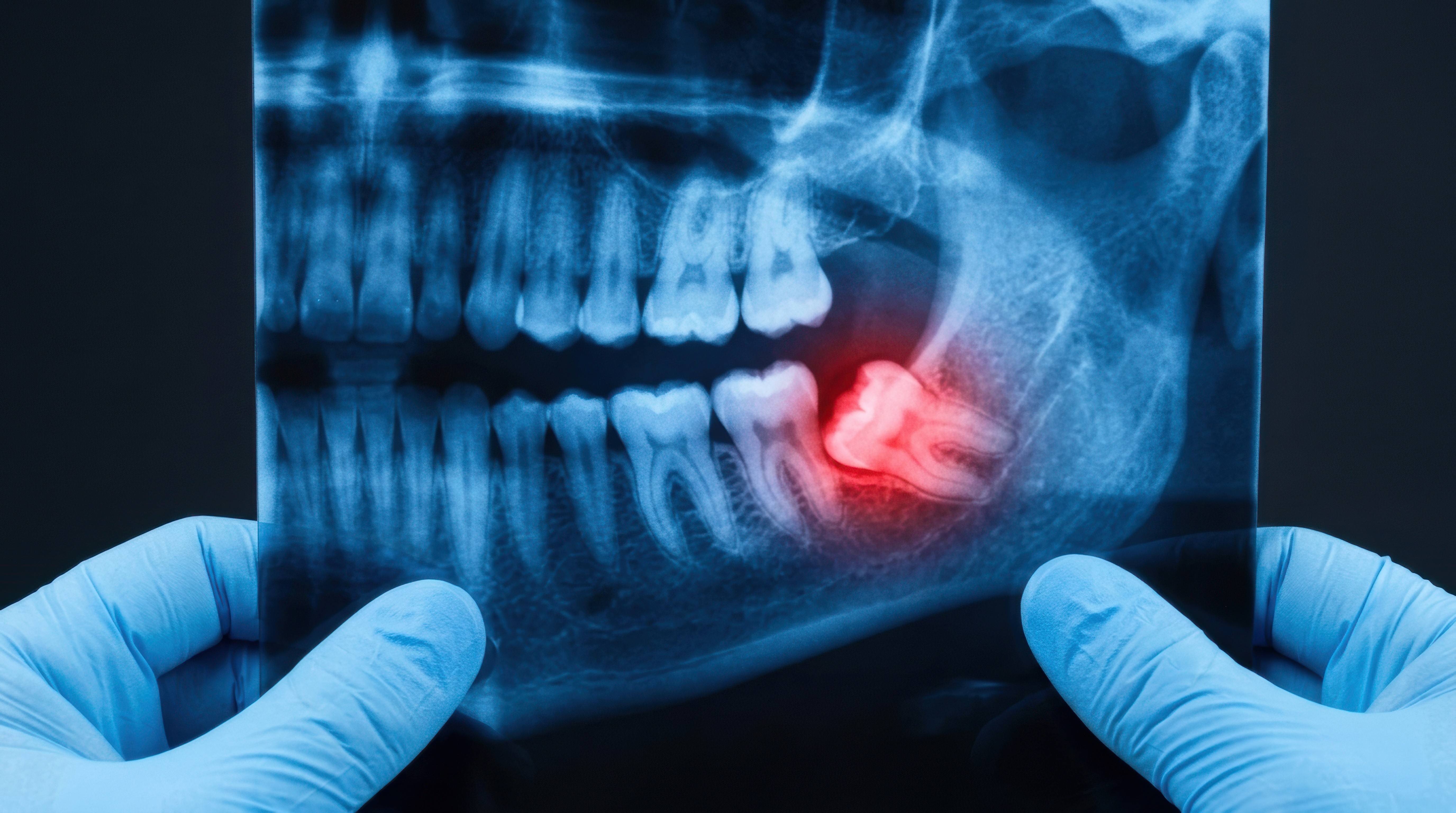
In most cases, the dentist can diagnose a dental abscess through simple clinical observation. However, in some cases it may be necessary to take an X-ray of the area to locate and identify the affected tooth. This examination can also detect the presence of other abscesses or oral problems.
What are the treatments for a dental abscess?
Just like the symptoms, treatments for a dental abscess depend on its origin:
Treatment of gingival abscess
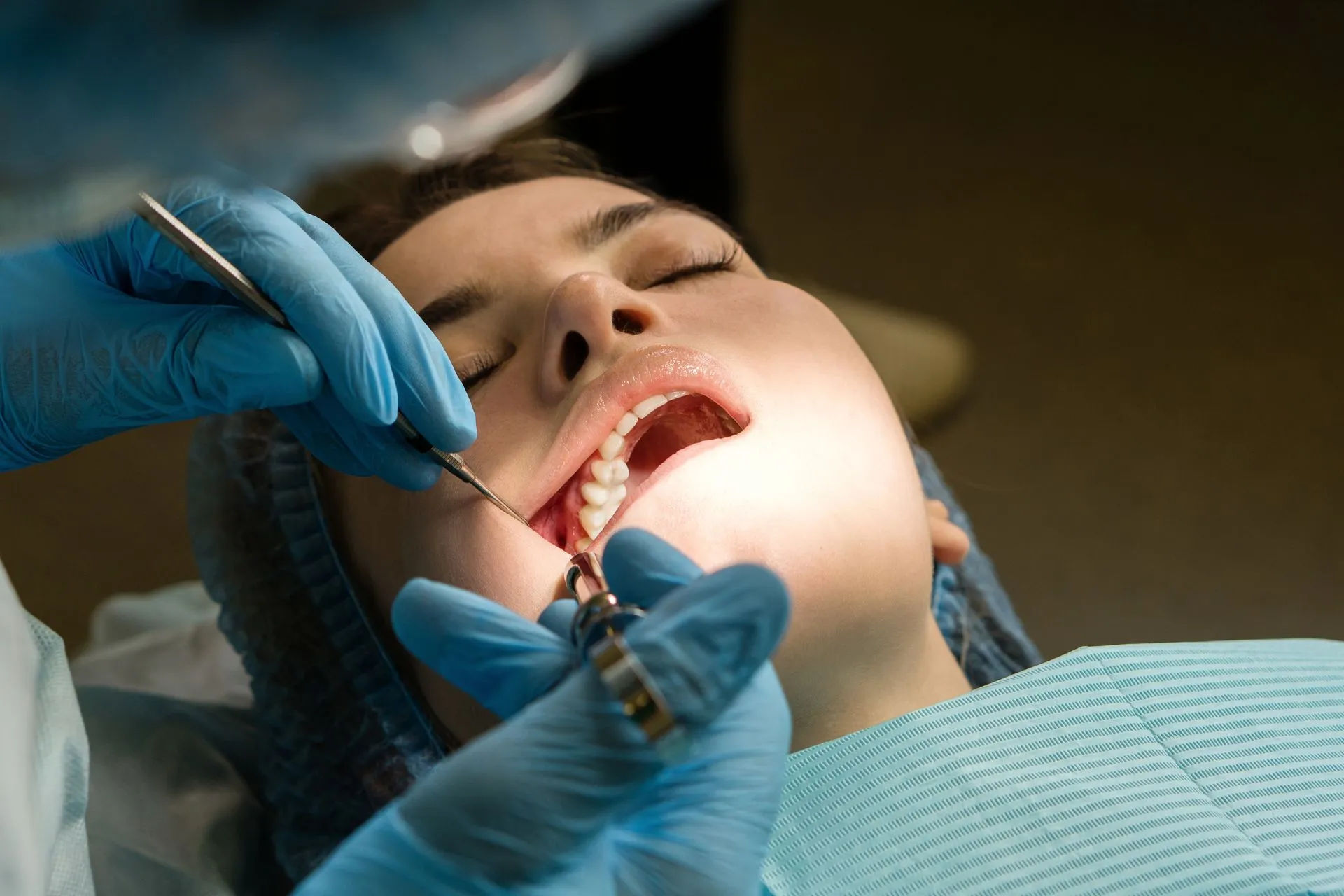
When the abscess is in the gum, a small incision made by the dentist should be done to drain the accumulated pus, eliminating the pain and pressure. However, strict control of the patient's oral hygiene must be carried out, and root planing treatments may have to be combined with periodic oral hygiene appointments.
Treatment of dental abscess
In case of a dental abscess, the treatment depends on the stage of the infection:
When the infection has not completely damaged the tooth, root canal treatment should be performed (endodontic treatment), removing the infected pulp and cleaning the root canal, and then filling and sealing the affected tooth.
If, on the other hand, the tooth is already too damaged to be "saved", extraction may be inevitable.
Generally, antibiotics are also prescribed by the doctor to control the infection, especially if it has spread beyond the location of the abscess.

Prevention of dental or gum abscess
The best way to combat abscesses (dental or gingival) is to prevent them. Some of the main ways to do this include:
Maintain good oral hygiene habits: Keeping the mouth clean and avoiding the accumulation of bacteria is essential to prevent the occurrence of such infections. To achieve this, it is important to ensure brushing teeth at least twice a day, using dental floss daily to prevent food debris from accumulating in the spaces between the teeth.
Visit the dentist regularly: In addition to daily oral hygiene habits, visits to the dentist or dental hygienist are also essential to monitor the patient’s oral health. Conducting check-ups and professional cleanings at least every six months is important to detect and treat problems early, preventing their worsening.
Maintain a varied and healthy diet: One of the main causes of dental abscess is untreated cavities. For this reason, excessive consumption of sugary foods and beverages that can damage tooth enamel and cause cavities should be avoided.
Dental abscesses are a medical emergency and need to be treated promptly to avoid serious complications, such as the spread of infection to other parts of the body. Therefore, if symptoms of a dental abscess arise, it is essential to seek a dentist immediately, addressing the issue quickly.