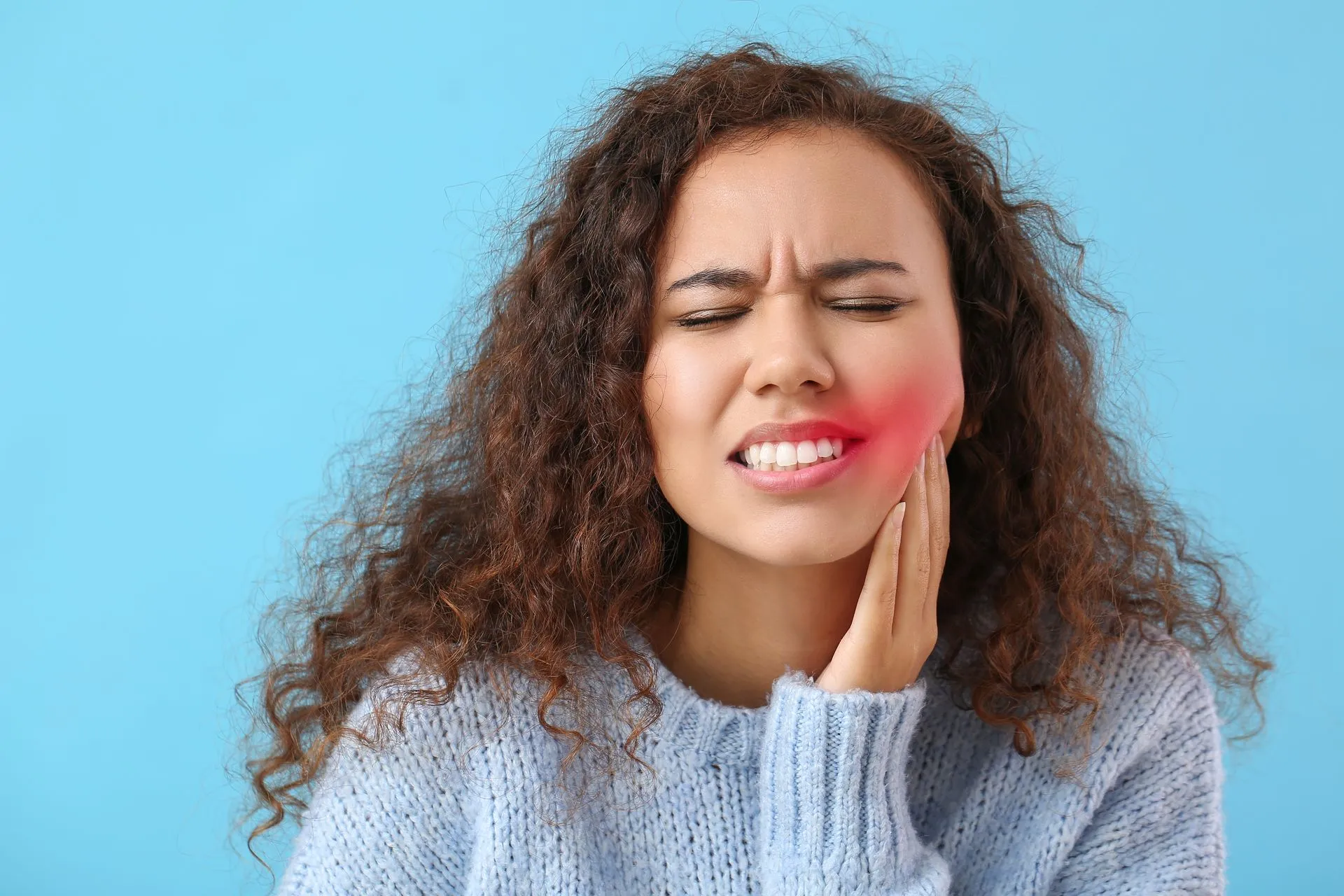
Xerostomia, what is it?
Xerostomia is a subjective sensation of dry mouth that occurs very frequently, associated with a decrease in saliva production by the salivary glands. Even so, there are cases where the salivary glands function normally. This problem causes great discomfort in the patient and can even lead to other health problems, so it should not be ignored. Thus, it is important to always seek a diagnosis from a qualified healthcare professional to identify xerostomia, understand the possible causes and carry out the appropriate treatments.
Xerostomia, or dry mouth, what could it be?
When the sensation of dry mouth persists for some time, there may be:
Sticky and dry mucous membranes;
Thick, viscous, or foamy saliva;
Bad breath;
Difficulty chewing, speaking or swallowing;
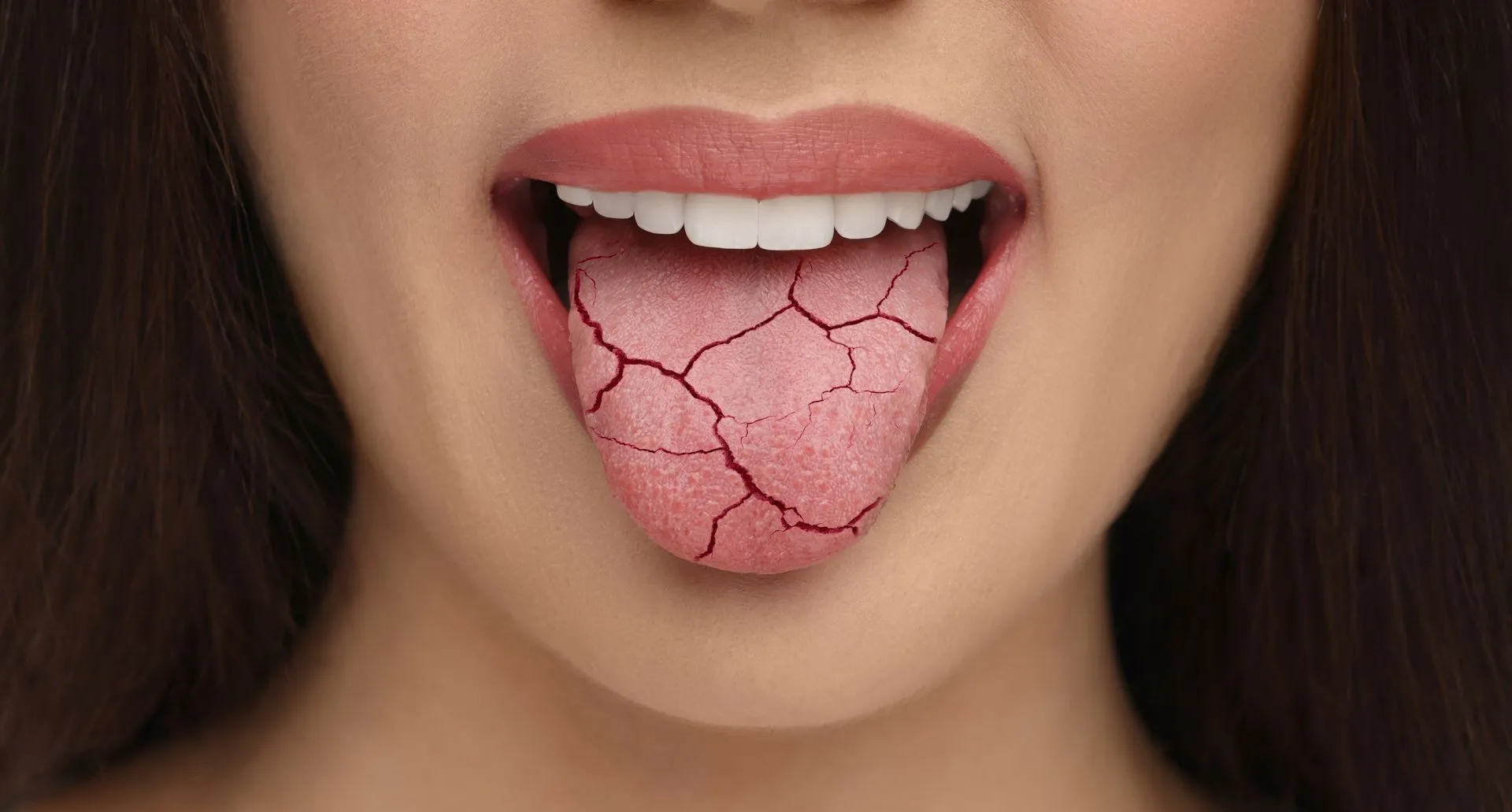
Dry and rough tongue, cracked, with atrophy of the papillae;
Dry throat or sore throat;
Changes in taste;
Appearance of cracks in the lips, which can even become inflamed and infected (angular cheilitis),
as well as mouth ulcers.
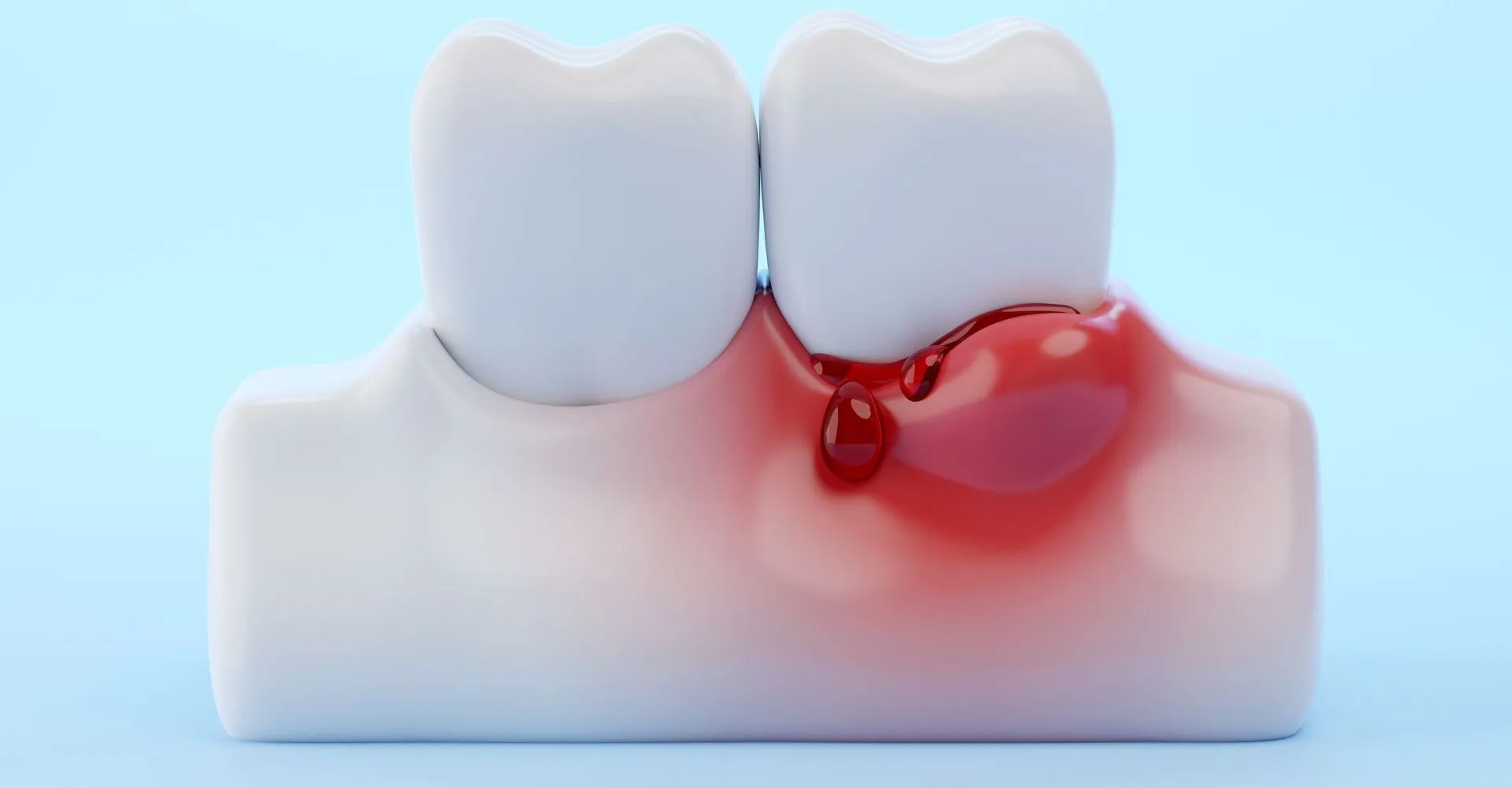
Secondarily, there may be an increase in bacterial plaque, tooth decay and gum disease.
Causes of Xerostomia
Xerostomia can have various origins. While on the one hand, there may be a medical cause, such as the introduction of medication (iatrogenic origin), on the other hand it may have environmental origins. We then categorise them simply:
Iatrogenic origin
Medication: Certain prescription and over-the-counter medicines, such as antihistamines, decongestants, antihypertensives, muscle relaxants and antidepressants can cause xerostomia. There are hundreds of medications that link xerostomia as a side effect. In addition, the amount of medication also has an influence, even if the drugs themselves are not xerostomic.
Cancer treatments: Radiotherapy treatments in the head and neck can affect the salivary glands, leading to a reduction in saliva production;
Systemic diseases: Conditions such as Sjögren's syndrome, Diabetes, Parkinson's Disease, Hepatitis C, HIV, Nervous System disorders, Graft versus Host Disease, can also cause dry mouth.
Local factors
Lifestyle: Certain harmful habits, such as smoking or excessive alcohol consumption, can also affect saliva production;
Mouth breathing: When breathing is done mostly through the mouth, due to nasal obstruction, the mouth becomes drier;
Dehydration: Not drinking enough liquids or being subject to conditions that cause excessive sweating, vomiting, diarrhoea, blood loss or fever can result in the sensation of dry mouth;
Nerve damage: Certain injuries to the head or neck can affect the nerves of the salivary glands, also leading to a reduction in saliva production;
Developmental Factors
Agenesis or aplasia of the salivary glands (where one or more glands are missing or their development is imperfect or incomplete).
The treatment of xerostomia will depend on the correct identification of the origin, that is, the diagnosis. It can make the difference between the complete cure of the condition or just its management.
But how is xerostomia diagnosed?
The diagnosis of xerostomia usually involves a set of steps to determine not only its origin, but also the most appropriate treatment. The xerostomia diagnostic process therefore includes:
Adequate clinical history, including gathering information on family history, medical and dental history, and medication;
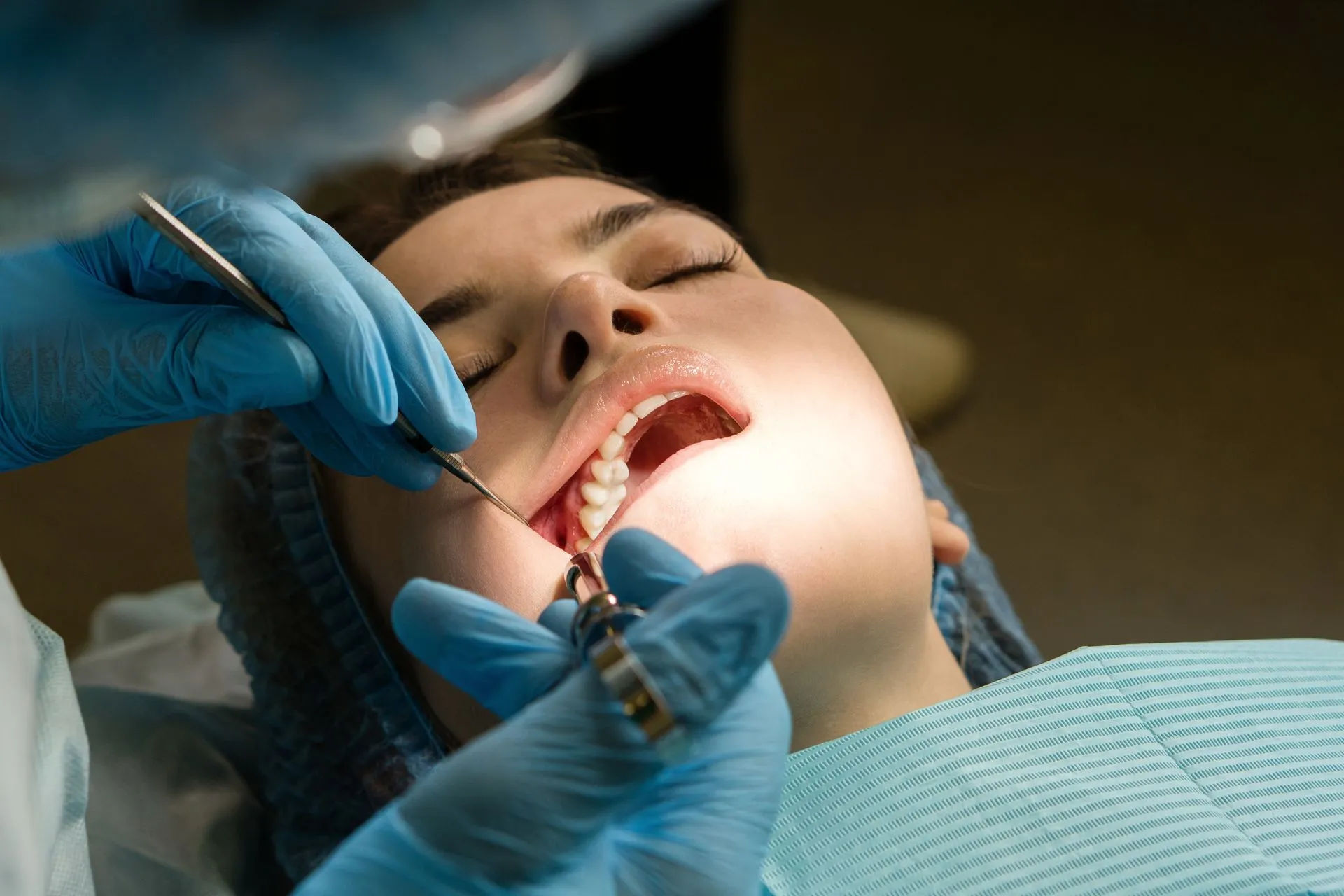
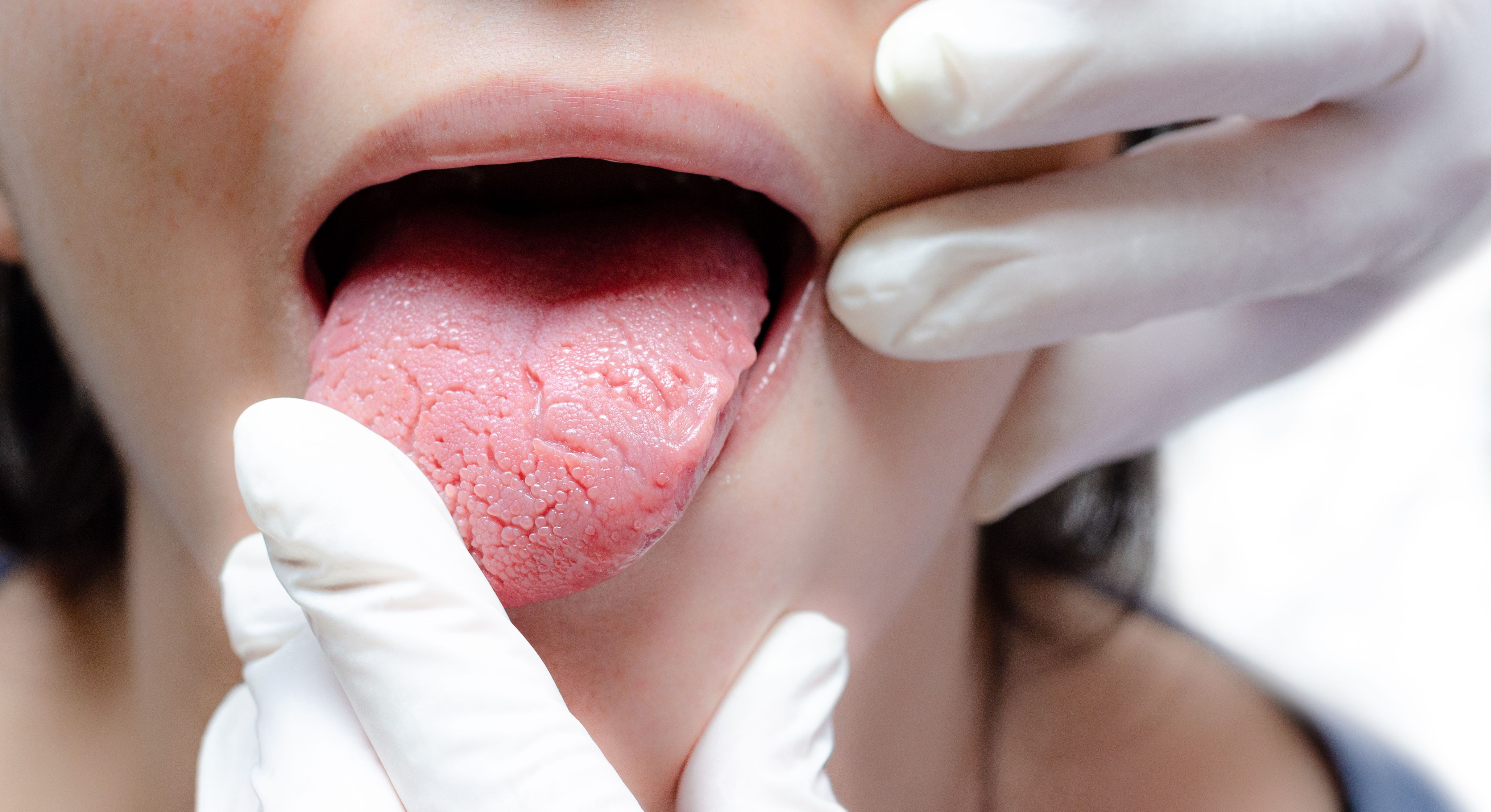
Clinical oral examination;
Measurement of the salivary flow rate, which is basically the amount of saliva produced per minute;
Clinical analyses to rule out any underlying diseases;
Imaging tests of the salivary glands, looking for morphological changes, the presence of salivary stones, for example.
Treatment of Xerostomia
The main goals of xerostomia treatment are to address the underlying causes, manage symptoms, and prevent complications. Some of the main treatments include:
Ensure hydration: Increase fluid intake to help keep the mouth hydrated;
Using saliva substitutes: In certain cases, saliva substitutes can be recommended, for example in spray or gel form, which provide temporary relief from the sensation of dry mouth.
Medications: Drugs such as pilocarpine and cevimeline can also be prescribed to help stimulate saliva production;
Good oral hygiene with suitable products, typically containing lactoperoxidase, lysozyme, and lactoferrin. Regular brushing and flossing are essential, along with keeping dental clinic appointments with a dentist or oral hygienist at least every six months, to manage any potential side effects that xerostomia might have on oral health, such as dental caries;
Dietary changes: In cases of xerostomia, caffeine, alcohol, and tobacco should be avoided, as they significantly dry the oral cavity.
Additionally, it may be necessary to discontinue or modify the medications or dosages that are part of daily therapy.
What are the complications of xerostomia if left untreated?
If left untreated, xerostomia can:
Increase the risk of dental caries and periodontal disease;
Increase the risk of fungal infections, such as candidiasis;
Hinder the chewing process, which can have nutritional and thus systemic consequences.