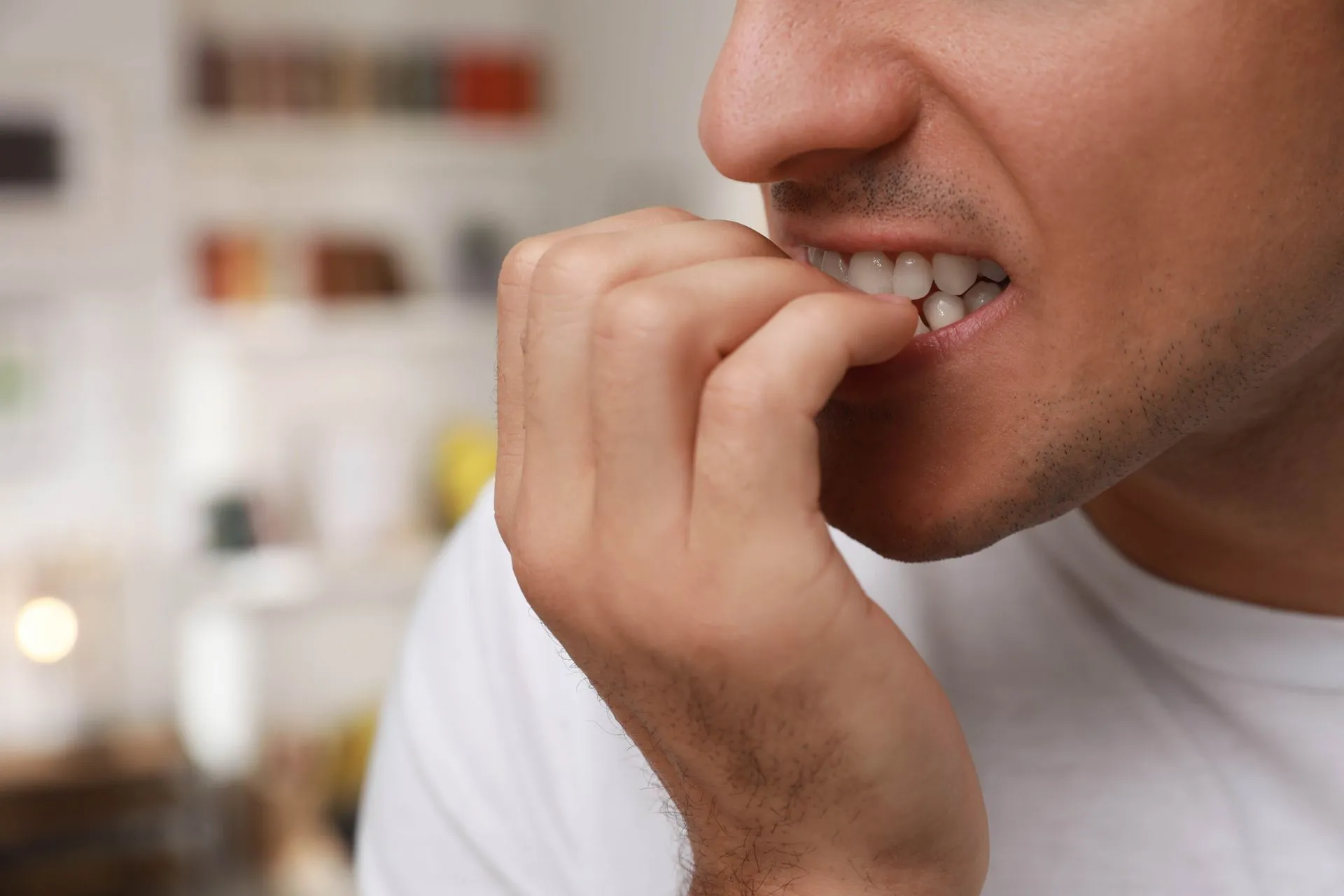
If performed constantly and repetitively, onychophagia can indeed be considered a type of body-focused repetitive behaviour, a disorder that causes sufferers to compulsively repeat a specific behaviour, resulting in physical harm to the body. In addition to onychophagia, there are other forms of manifestation of this disorder such as biting the lips, chewing the cheeks, or pulling out hair.
Main causes of onychophagia
The habit of biting nails can be triggered by various factors:
Generally, this behaviour is a reflection of negative emotions and sensations, such as stress, nervousness or anxiety, serving as a way to relieve these moments of tension. For this reason, very nervous, anxious or depressed individuals have a greater tendency to bite their nails.
Even so, some people do it for genetic inheritance reasons, as children of parents who have this habit are more prone to develop it as well.
While some people bite their nails unconsciously, not realising they are doing so, others do it consciously, thereby intentionally alleviating moments of tension.
Consequences of onychophagia:
Although it may seem like a harmless habit, its consequences can be very detrimental to health. Some of the main effects of onychophagia are:
Physical damage:
Biting nails can lead to damage to the cuticles and the tissues around the nails, leading to deformity of the nails and resulting in inflammation and infections.
Oral problems:
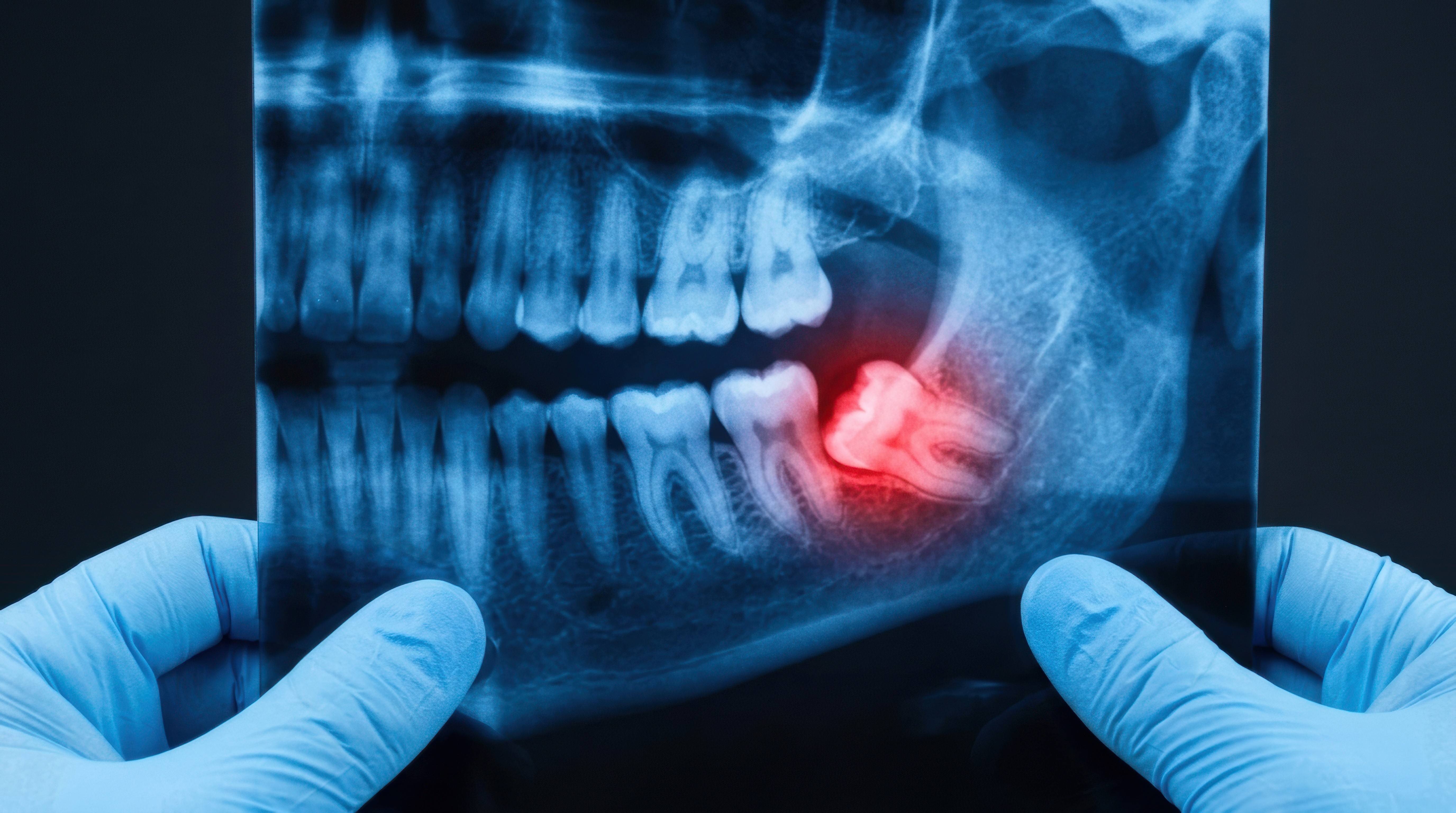
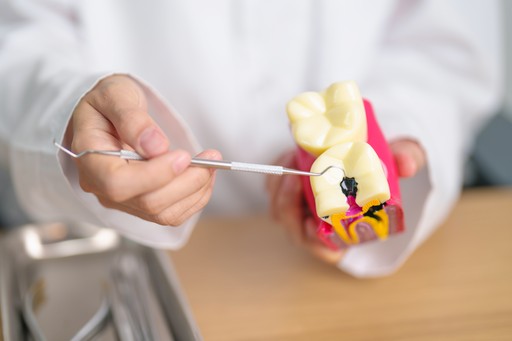
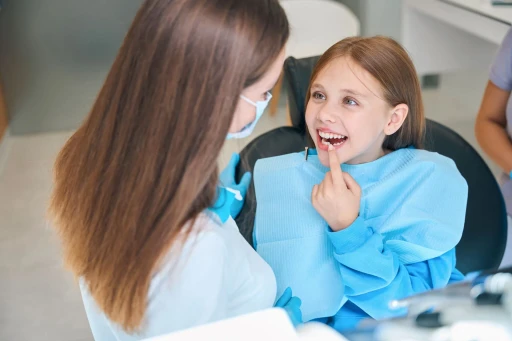
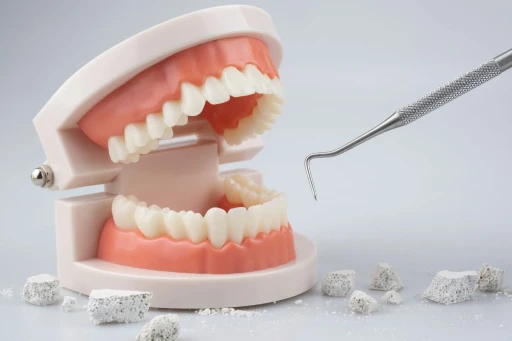
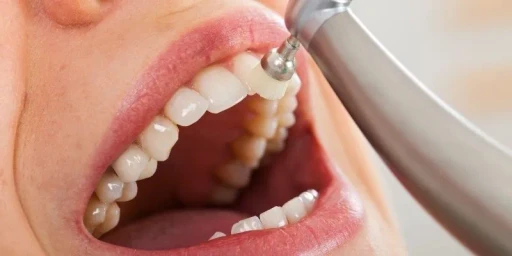
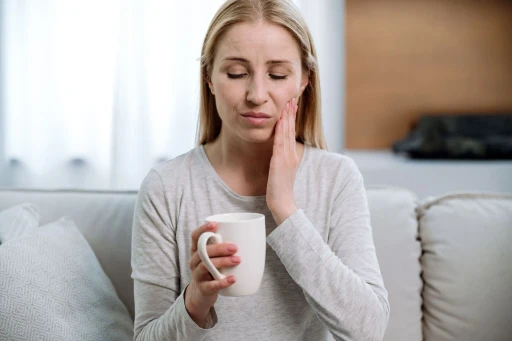
The constant contact of the teeth with the nails can cause wear to the teeth, making them more sensitive and brittle, and can even alter their positioning, which can trigger other oral problems. Additionally, applying excessive force to the teeth while biting nails can also lead to problems and discomfort in the temporomandibular joint, facial and shoulder muscle pain, limited mouth opening movements, and sleep disturbances.
Infections:
By biting nails, various bacteria and germs present on the hands can be transferred to the mouth, increasing the risk of infections.
Aesthetic issues:
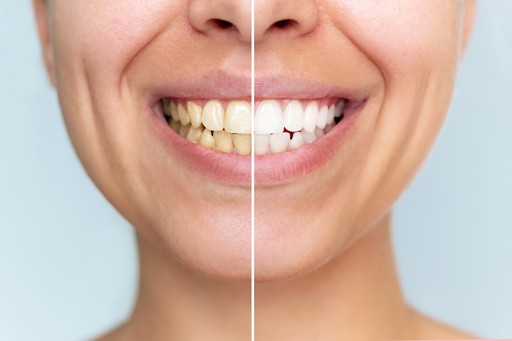
In addition to consequences for physical health, the habit of biting nails can also have aesthetic consequences, giving an unpleasant appearance to the fingers and teeth that can affect self-esteem and confidence. In the case of the front teeth, i.e., the teeth located at the front of the mouth in each arch, the act of biting nails can even lead to their shortening and flattening, altering the appearance of the smile. Furthermore, the wear caused by this habit also increases susceptibility to stains, which change the colour of the teeth.
Treatments and strategies to stop biting nails
Stopping biting nails may require a set of strategies and treatments that allow for relieving tension without the need to resort to this behaviour.
In this regard, some of the main recommendations are:
Awareness: Being aware of the habit is absolutely essential to control it. In this sense, it is important to try to keep a record of the moments when the nails are bitten to help identify possible triggers.
Relaxation techniques: To alleviate sensations of stress and anxiety, practicing meditation, yoga or other relaxation techniques can help reduce the consequent need to bite nails.
Behavioural substitution: One of the recommended behaviours may also involve replacing the habit of biting nails with another behaviour, such as using stress balls, for example.
Use of bitter polishes on nails: Applying bitter-tasting polishes on the nails can discourage the habit. These polishes are harmless to health, as they are non-toxic and not absorbed by the body.
Maintaining regular manicures: Keeping the nails well-groomed and trimmed can reduce the desire to bite them, motivating the person to maintain their aesthetic appearance.
Psychotherapy: Certain therapies such as Cognitive Behavioral Therapy (CBT) can also help to address the underlying causes of the habit.
Biting nails for a long time can leave some marks on the nails and fingers. For them to recover healthily, some care is needed, even after stopping this habit. Using Aloe Vera products and essential oils, for example, can be good for soothing and nourishing the skin and nails. Moreover, maintaining a varied diet also helps in the growth and strengthening of the nails. A lack of iron (found in legumes, for example) or calcium (found in various foods, including dairy products) can make nails more fragile.
In many cases of onychophagia, subsequent orthodontic treatments are needed due to the long-term impact of this behaviour on oral health. To prevent this from happening, it is essential to find strategies and treatments to circumvent this habit and, if necessary, seek a specialist to alleviate the feeling of anxiety – the main cause of onychophagia – through the recommendation of appropriate medication.