
Although often overlooked, tooth sensitivity can be a sign of more serious underlying problems, which deserves proper attention and the right care to prevent and treat.
What are the most common causes of tooth sensitivity?
Tooth sensitivity can occur due to enamel wear, which is the outermost layer of the tooth that protects the dentin, or due to gum recession, which also exposes the tooth root. Some of the main causes that can lead to these complications include:
Excessive consumption of acidic foods and/or drinks, such as citrus fruits, wines, or soft drinks, which can wear away enamel over time;
Brushing too hard or using toothbrushes with very hard bristles, which can damage the tooth structure;
Bruxism, which is the grinding or clenching of teeth, that wears down the tooth surfaces;
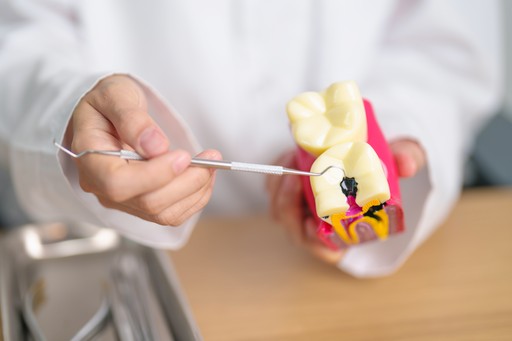
Teeth with cavities or cracks, which can allow stimuli to reach the dental nerve, causing pain and sensitivity;
Use of abrasive products, such as some toothpastes, that contribute to enamel wear and increased sensitivity;
Gum diseases, such as inflammation that can lead to gum recession, exposing the tooth root and causing sensitivity.
How to relieve tooth sensitivity?
If you suffer from tooth sensitivity, there are several strategies you can implement to minimize discomfort:
Choose the right toothpaste: Opt for toothpaste specially designed for sensitive teeth, as these contain desensitizing ingredients that help protect the dental nerves.
Use an electric toothbrush with pressure sensor: Use an electric toothbrush with a pressure sensor, as it helps to minimize tooth sensitivity.
Ensure that the toothbrush has soft bristles: When choosing a toothbrush, it is also important to ensure that it has soft bristles. In addition, a gentle brushing technique should be adopted, avoiding harsh movements or too much pressure.
Reduce the intake of acidic foods and drinks: Minimize the consumption of acidic foods, which can weaken enamel. After consuming something very acidic, avoid brushing your teeth immediately, as the enamel will be temporarily more vulnerable.
Maintain good oral hygiene: Brush your teeth at least twice a day, using dental floss before brushing to remove plaque, preventing cavities and gum problems.
Protect your teeth at night: If you suffer from bruxism, consult your dentist to obtain a relaxation splint that prevents dental wear during sleep.
Ensure adequate hydration: Maintaining good hydration helps stimulate saliva production, which plays an essential role in neutralizing acids and protecting enamel.
When should I consult a dentist?
Although there are measures that can relieve tooth sensitivity, it is essential to seek the help of a dentist if:
The pain or discomfort is persistent and does not improve with recommended care;
You notice signs of gum recession, such as teeth that appear longer or exposed roots;
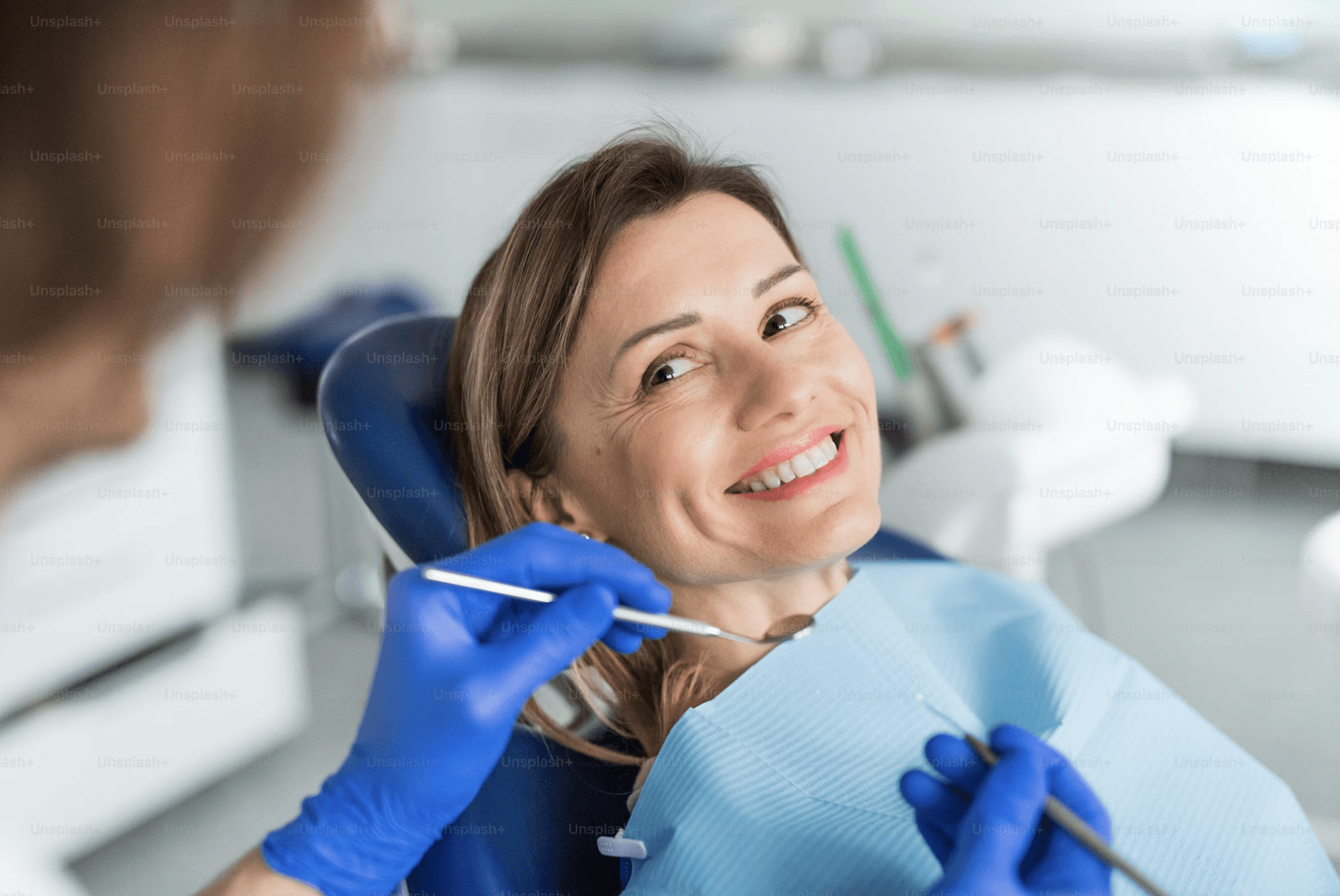
When consulting the dentist or oral hygienist, a clinical evaluation will be conducted to identify the exact cause of the sensitivity and recommend the most appropriate treatment. If this is a minor problem, effective oral hygiene may be sufficient. Nonetheless, consulting an oral health professional is essential to know exactly how to resolve the specific case.

Does undergoing professional oral hygiene with tooth sensitivity cause pain?
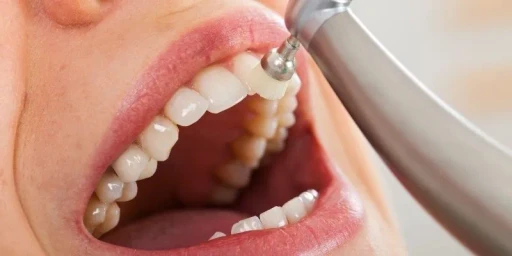
Oral hygiene appointments are recommended every 6 months and are crucial for ensuring oral health, but patients with tooth sensitivity tend to postpone these visits as it can be an uncomfortable and even painful experience due to contact with cold water and interventions and treatments. Currently, many clinics are already using the GBT protocol - Guided Biofilm Therapy - which provides a minimally invasive and painless experience.
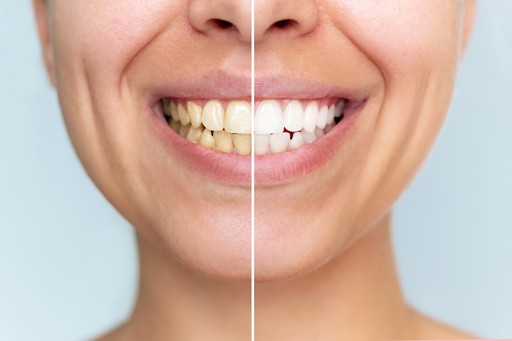
This protocol, used by MALO CLINIC, ensures the removal of bacterial plaque, tartar, and stains on teeth, using Airflow technology, a gentle air jet that uses heated water. As the entire procedure is performed with warmer water, the patient does not experience any pain or discomfort, even those with high tooth sensitivity.
Important habits to prevent long-term tooth sensitivity
To truly avoid any discomfort associated with tooth sensitivity, the best solution is to prevent it. Thus, some important habits to protect your teeth include:
Adopt proper brushing habits at least twice a day: With a soft-bristled toothbrush, brush gently with a non-abrasive toothpaste;
Schedule regular check-ups: Visit the dentist or oral hygienist every six months to detect any issues early and avoid complications;
Be mindful of overly acidic or sugary foods and drinks: Moderate the consumption of highly acidic or sugary foods and beverages. When consuming them, use a straw to reduce contact with your teeth and avoid brushing teeth right afterwards (it is recommended to wait about 20 to 25 minutes).
Tooth sensitivity can be quite uncomfortable and limit quality of life. However, with the right care, it is possible to manage and even prevent this issue. Adopting good oral hygiene habits, taking some precautions, and regularly consulting a dental health professional are essential steps to keep your teeth healthy and comfortable.