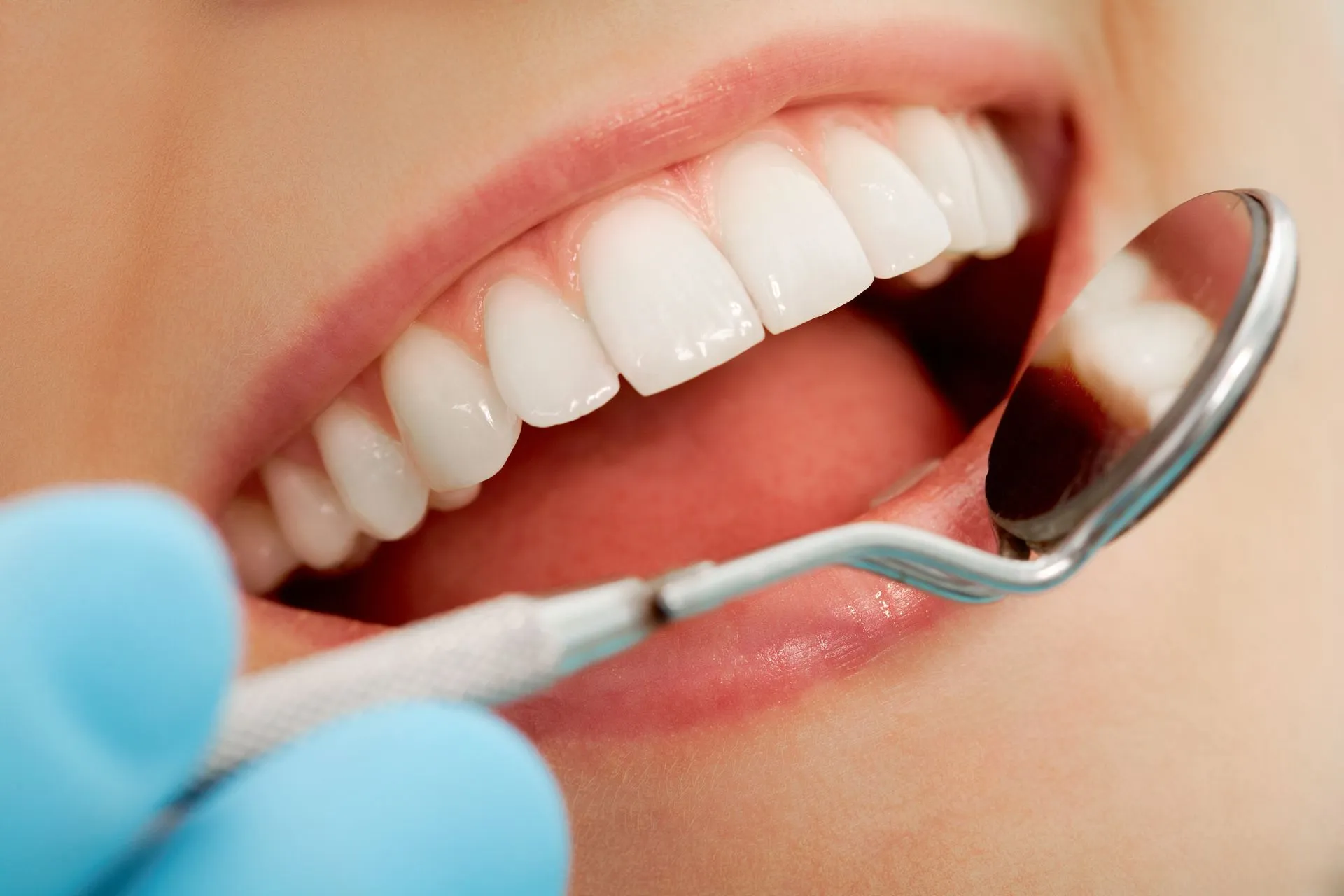
In addition to being essential for proper chewing and speech, healthy teeth and gums are also fundamental for a healthy body: the mouth is often a gateway to problems that can spread and affect the whole organism.
The mouth has naturally occurring bacteria that, when there is proper oral hygiene, are harmless to the human body. However, when hygiene is insufficient, the bacteria can accumulate and develop, leading to cavities and gum infections. These complications within the mouth can quickly escalate, become more severe, and spread to other parts of the body. The impact of good oral hygiene and regular visits to the dentist goes beyond oral health; it is an impact that extends to overall health.
What complications can arise from neglecting oral health?
Three health complications that may originate from bacteria developing in the mouth are highlighted:
Cardiovascular Diseases – studies have shown that oral infections can be the origin of cardiovascular diseases, as bacteria from the mouth enter the bloodstream and disseminate throughout the body. An example of this is endocarditis, an infection that affects the inner layer of the heart. This is more likely to occur in hearts with transplanted or damaged valves and usually happens when bacteria from another part of the body lodges in that inner layer (endocardium).
Respiratory diseases - the same occurs at the lung level; through the respiratory tract or bloodstream, bacteria can settle in the lungs and lead to respiratory diseases.
Complications during pregnancy and childbirth – periodontitis is a bacterial infection that affects the tissues that support and anchor the teeth. This disease has been associated with the risk of premature birth and low birth weight.
For all these reasons, maintaining oral health with daily hygiene care and regular visits to the dentist is essential for a healthy mouth, but it also benefits the entire organism.