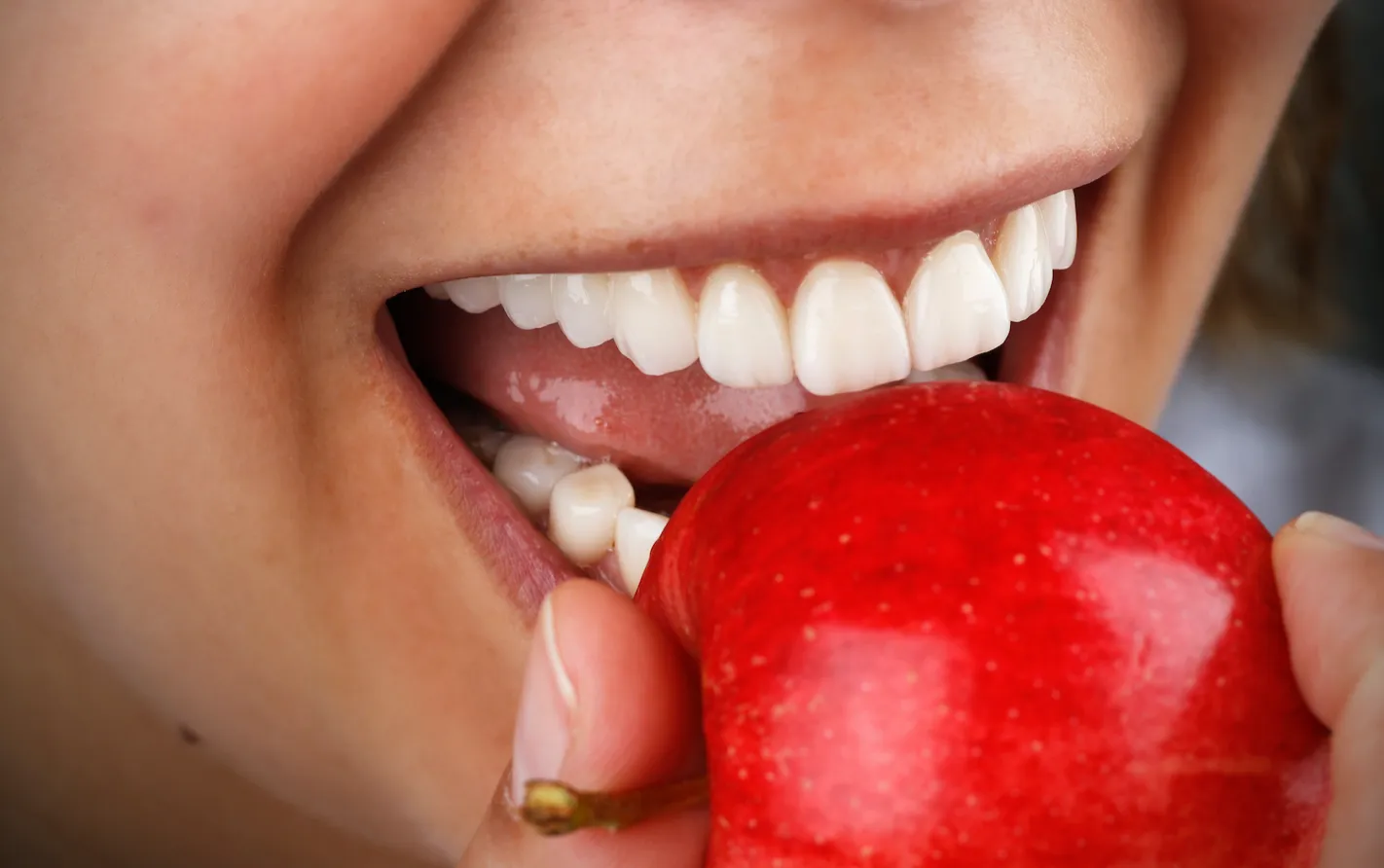
The right foods prevent cavities and strengthen teeth and gums! Discover how to improve your oral health.
To maintain oral health, daily habits such as brushing teeth or regular visits to the dentist are essential. However, to ensure that the health of your mouth, teeth, and gums is always up to date, diet plays an equally crucial role. In fact, a balanced diet can prevent cavities, strengthen teeth, and contribute to the overall health of the oral cavity.
What is the relationship between diet and oral health?
The foods and drinks we consume daily directly influence our oral health. Sugary foods, for example, often found in sweets, soft drinks, or processed foods, are the primary culprits behind the appearance of dental cavities. This is because the bacteria present in the mouth feed on these sugars, producing acids that attack tooth enamel and can lead to cavities and other dental problems.
On the other hand, a diet rich in vitamins, minerals, and other essential nutrients contributes to stronger teeth and gums that are more resistant to infections. These include:
Calcium: Essential for the mineralization and strength of teeth.
Phosphorus: Works together with calcium to strengthen tooth enamel.
Vitamin D: Facilitates calcium absorption and promotes the health of teeth and bones.
Vitamin C: Fundamental for gum health and the prevention of gingivitis.
But which foods, in practice, strengthen teeth and gums?
There are various foods that serve as allies of oral health. Among the most beneficial are:
Dairy products: Milk, cheese, and yogurts are excellent sources of calcium and phosphorus, minerals that help strengthen tooth enamel.
Crisp fruits and vegetables: Apples, carrots, or celery stimulate saliva production, which is essential for neutralizing acids and eliminating food debris.
Fatty fish: Fish such as salmon and sardines are rich in vitamin D, which aids in calcium absorption and strengthens bones and teeth.
Nuts: Almonds and walnuts contain calcium and proteins that contribute to oral health.
Water: Drinking water is essential for overall and oral health, as it helps keep the mouth hydrated and cleans food particles and bacteria.

The Dangers of Sugars and Acids
While some foods strengthen teeth, others are detrimental to oral health. Excessive consumption of sugars promotes the erosion of tooth enamel and increases the likelihood of developing cavities. At the same time, highly acidic beverages, such as sodas and citrus juices, also contribute to the wear of tooth enamel, making them more vulnerable to damage and sensitivity.
To reduce these risks, it is important to avoid the frequent consumption of these products and adopt habits that minimize negative effects. Rinsing the mouth with water after consuming overly sugary or acidic foods and brushing teeth 30 minutes after meals are practices that help protect tooth enamel.
Problems That May Arise from Compromised Nutrition
Poor nutrition can have serious consequences for oral health. Some of the most common problems include:
Dental Cavities: Excessive consumption of sugars and processed carbohydrates feeds bacteria that produce acids, eroding enamel and causing cavities.
Gingivitis and Periodontal Disease: A lack of essential nutrients, such as vitamin C, can weaken the gums and make them more susceptible to inflammation and infections.
Dental Erosion: The consumption of highly acidic beverages wears away tooth enamel, leading to increased sensitivity and dental fractures.
Bone Loss: A diet low in calcium and vitamin D can compromise bone density, affecting not only teeth but also the supportive jaw structure.
Dry Mouth: Insufficient water intake and frequent consumption of alcohol or caffeine can reduce saliva production, making natural mouth cleaning harder and increasing the risk of cavities.
Poor Healing: A diet lacking essential vitamins can slow down healing after dental treatments or oral surgeries.
Halitosis: An unbalanced diet can contribute to the development of bacteria that cause bad breath.
Tips to Improve Oral Health Through Diet
Reduce sugar and processed food consumption.
Opt for healthy snacks, such as fruits, natural yogurt, or nuts.
Drink water frequently, especially between meals.
Include foods rich in calcium and vitamin D in your daily diet.
Avoid carbonated and acidic beverages or consume them in moderation, also avoiding consuming them on an empty stomach or between meals.
The Importance of Brushing and Flossing in Oral Health
In addition to a healthy diet, it is essential never to neglect oral hygiene. Brushing plays a central role in eliminating food and bacteria after meals, and flossing removes any food particles lodged between the teeth. For this reason, 30 minutes after each meal, it is important to brush your teeth and use dental floss, which ensures the cleanliness and health of the teeth.
Oral health is directly linked to eating habits. Choosing the right foods not only prevents cavities and gum problems but also strengthens teeth and improves overall mouth health. A balanced diet, combined with good oral hygiene and regular dental check-ups, is the right path to a beautiful and healthy smile.