And why so early?
It is common for many parents to delay the first visit to the dentist, thinking that "it's too early". However, prevention in paediatric dentistry begins long before the emergence of permanent teeth. In this article, we explain the benefits of early monitoring, what to expect from the first consultation, and how to ensure a healthy smile from the cradle.
The first consultation in paediatric dentistry: when and why?
The first visit to the paediatric dentist should occur by the time the first tooth erupts or during the baby's first year of life. This recommendation follows guidelines from the American Academy of Pediatric Dentistry and is similarly advocated by Portuguese specialists.
The reason? Starting the monitoring early allows for the early detection of changes in growth, guiding parents on children's oral hygiene, and preventing harmful habits that can compromise oral health and orofacial development.
The risks of waiting too long
Delaying the first consultation can mean missing the opportunity to intervene at a stage when prevention is most effective. Many children only visit the dentist when symptoms already exist, whether it is cavities, gum inflammation, or even pain, which will require a more in-depth intervention. At this stage, the child will already associate the visit to the dentist with a more invasive intervention, which can hinder cooperation and increase anxiety in future consultations.
Moreover, situations such as prolonged pacifier use, nighttime respiratory problems, or malocclusion can be ignored or misinterpreted without the evaluation of a professional specialized in paediatric dentistry.
What happens at the first consultation?
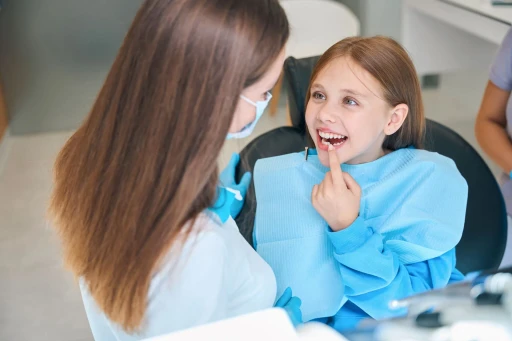
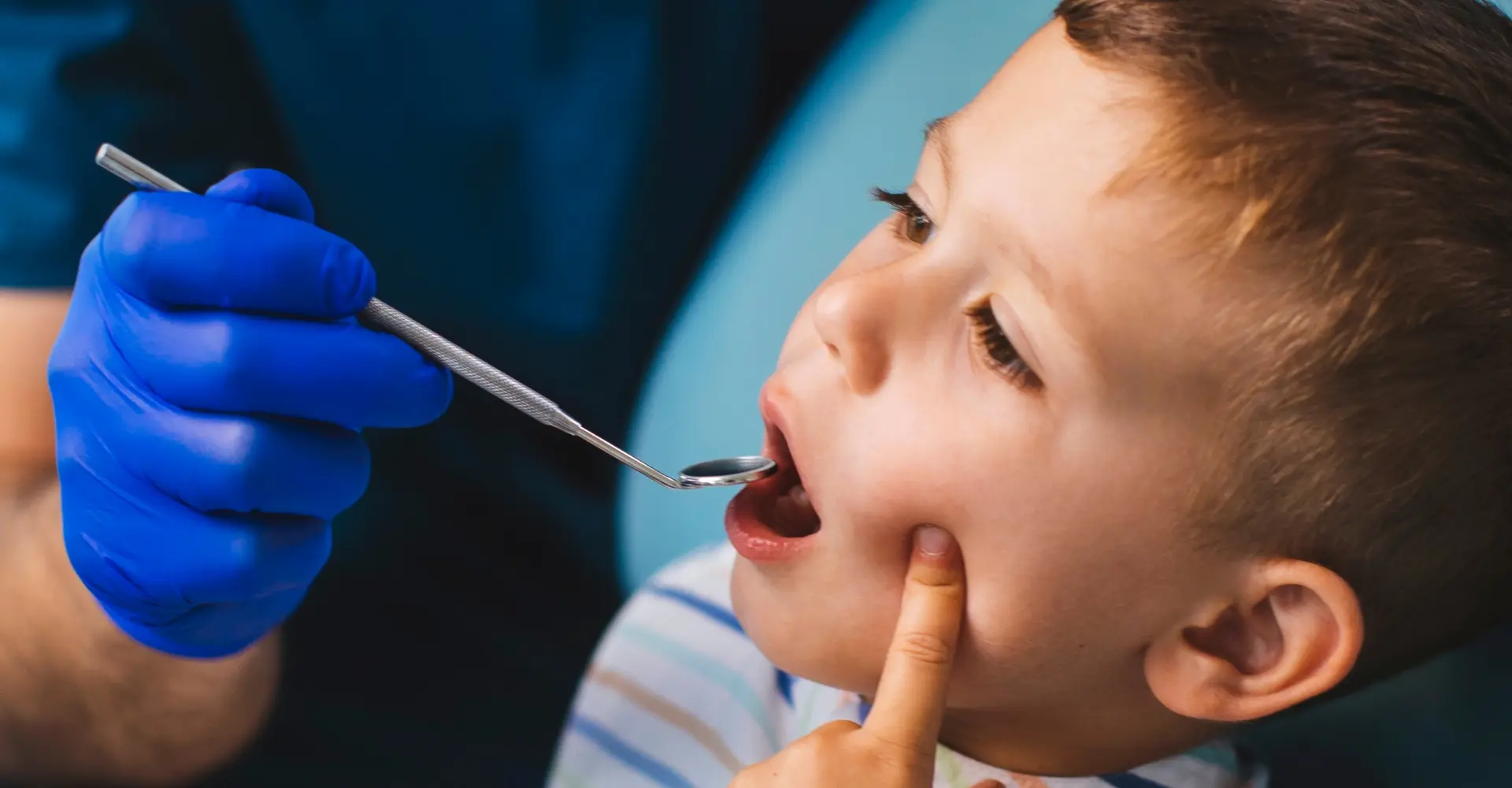
The consultation is primarily preventive, focused on observation, guidance, and building a trusting relationship with the child and parents. In the initial phase, the dentist evaluates:
The number and position of the baby teeth;
The presence of initial cavities or demineralization of the enamel;
The pattern of breathing and swallowing;
The functionality of the tongue, frenula, and facial musculature.
The consultation also includes practical guidance on oral hygiene (type of toothbrush, amount of toothpaste, brushing techniques adapted to age), diet, and prevention of cavities or other harmful habits.
Paediatric dentistry is more than just treating teeth
Modern paediatric dentistry operates in an integrated manner in the child's development. It is not limited to treating cavities but observes oral health as part of overall growth.
For example, children with oral breathing due to nasal obstructions may develop changes in the position of teeth and bones. Other situations, such as prolonged pacifier use, interfere with occlusion and can be prevented with early monitoring and guidance.
Practical Recommendations for Parents
Schedule the first appointment by the first year of life.
Avoid sugary drinks and fruit pouches.
Before the eruption of the first tooth, you can clean the gums with a damp compress.
With the eruption of the first tooth, brush the teeth with a soft toothbrush and fluoride toothpaste (in an amount appropriate for the age).
Do not share spoons or utensils between parents and children to avoid the transmission of bacteria.
Monitor breathing, sleep, and oral habits (pacifier, nail biting, etc.).
The Importance of Bonding with the Dentist Early
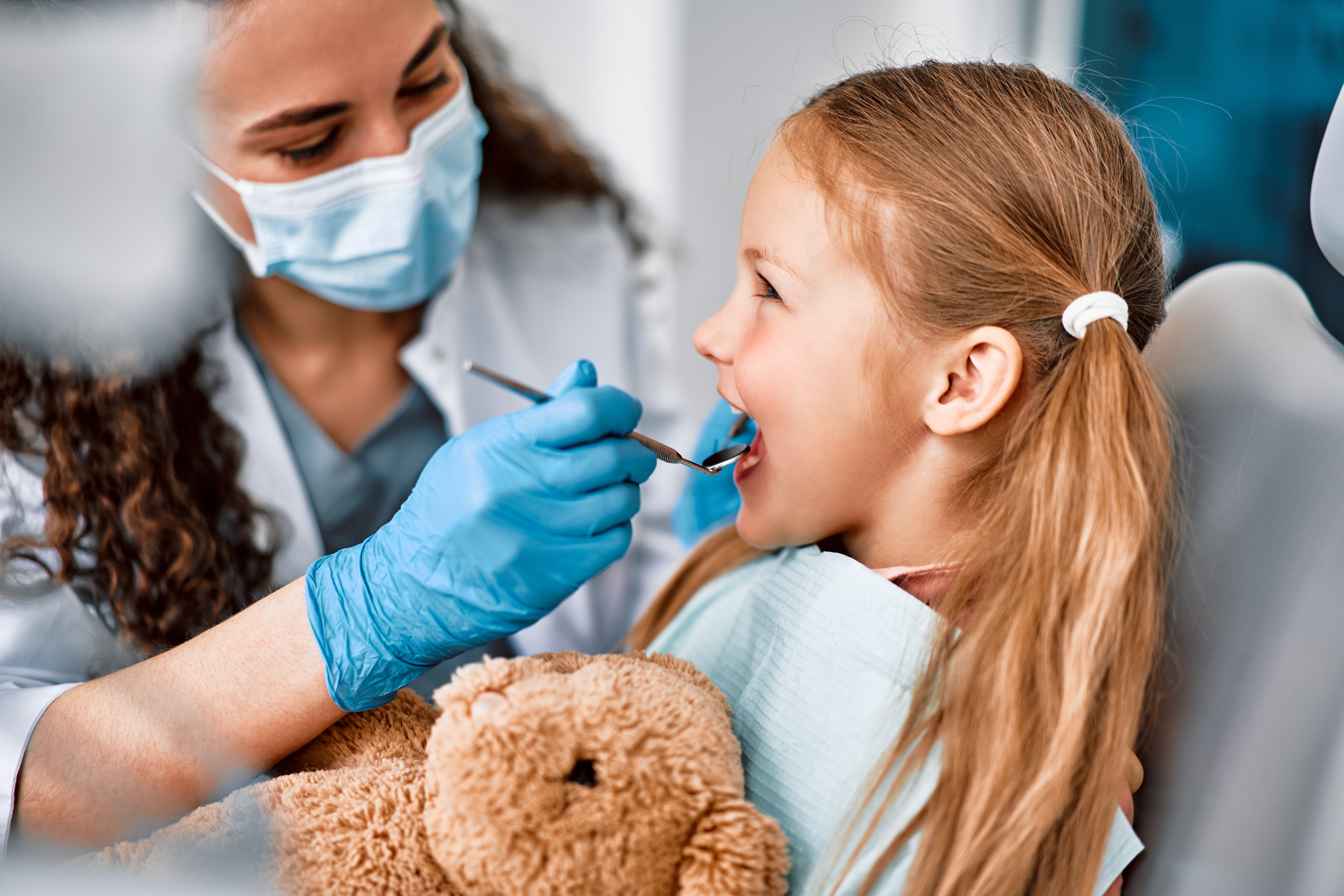
Establishing a trusting relationship from the early years helps the child feel secure in a clinical environment. Regular appointments become simpler and more natural, avoiding phobias, resistance, and anxiety. Furthermore, parents become active allies in prevention because they better understand the warning signs and the necessary care at each stage of development.
Did you know that…
Milk teeth begin to form during pregnancy, and eruption starts around 6 months of age.
Early childhood cavities can occur before the first year of life, especially in babies who fall asleep with milk or juice in their mouths, and who do not have oral hygiene habits.
Tooth decay is the most common chronic disease in childhood and can be prevented with proper oral hygiene, a balanced diet, and early supervision.
Children with healthy teeth have better speech and chewing development, which are essential for overall growth.