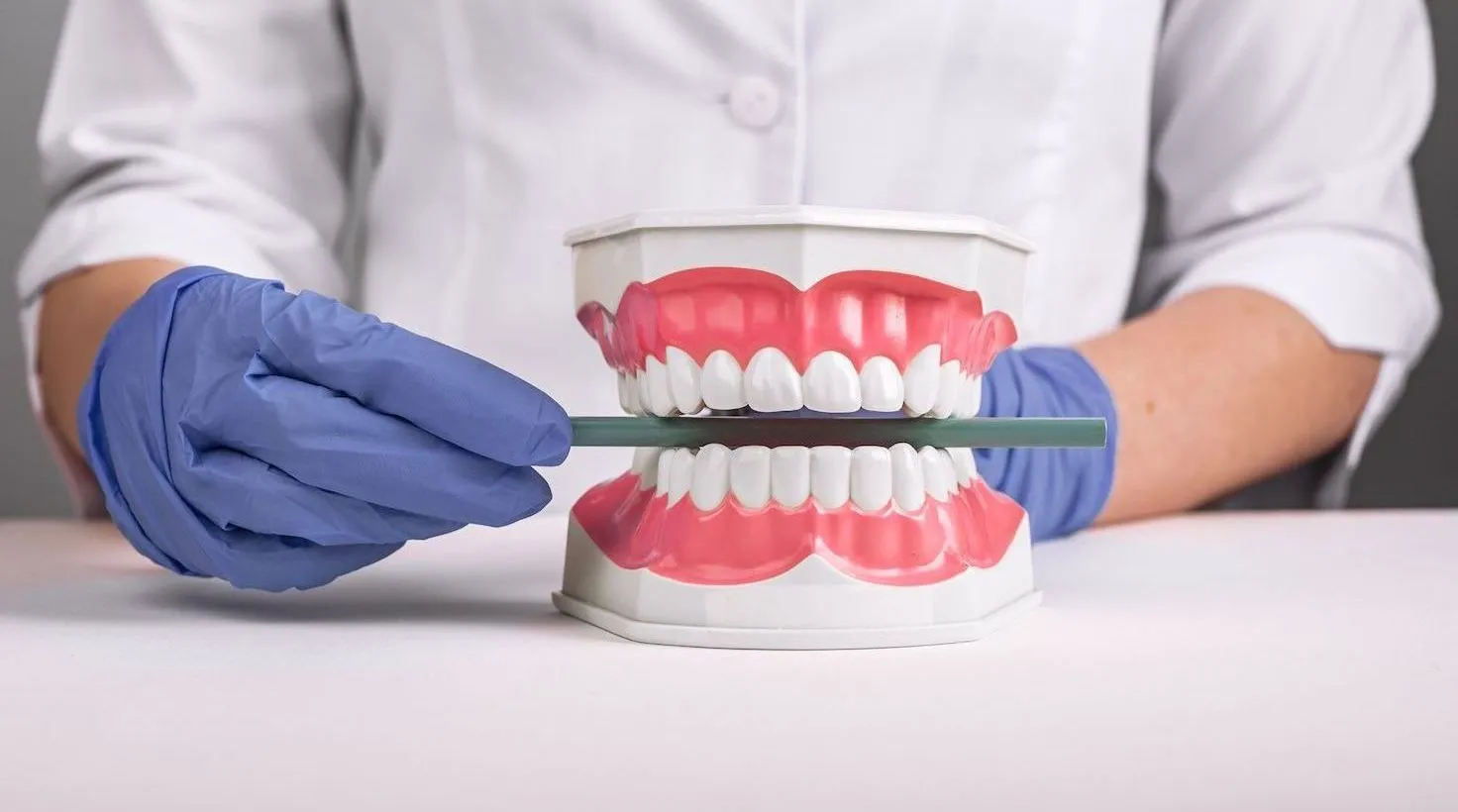
Discover the importance, the most common problems, and associated treatments of dental occlusion
Dental occlusion is the functional relationship established between the elements of the masticatory system, namely the contact between the upper teeth and the lower teeth when the mouth is closed. Occlusion is, therefore, directly associated with the relationship between the teeth, gums, the temporomandibular joint (TMJ), and all other components of this system. In a proper dental occlusion, the upper arch fits perfectly into the lower arch.
Why is occlusion so important?
Dental occlusion plays a central role not only in oral health but also in overall health and well-being, as well as in the correct functioning of the body. Some of the main impacts are:
Chewing: A proper dental occlusion allows for efficient chewing and grinding of food, which is essential for correct digestion and nutrition.
Speech: The position of the teeth also influences the articulation of sounds and the clarity of speech, particularly concerning the positioning of the tongue.
Joint function: Dental occlusion affects the function of the TMJ. Poor occlusion can lead to problems in this joint, causing discomfort, pain, and directly affecting the ability to open and/or close the mouth.
Body posture: Poor occlusion can influence body posture, leading to muscle pain not only in the face but also in other areas like the neck or shoulders. Pain and discomfort can impact posture, particularly in the upper back.
Quality of sleep: Occlusal problems are often the root of sleep disturbances, such as sleep apnea. Therefore, resolving the issue of poor occlusion can provide more restful nights and consequently improve sleep quality and recovery levels.
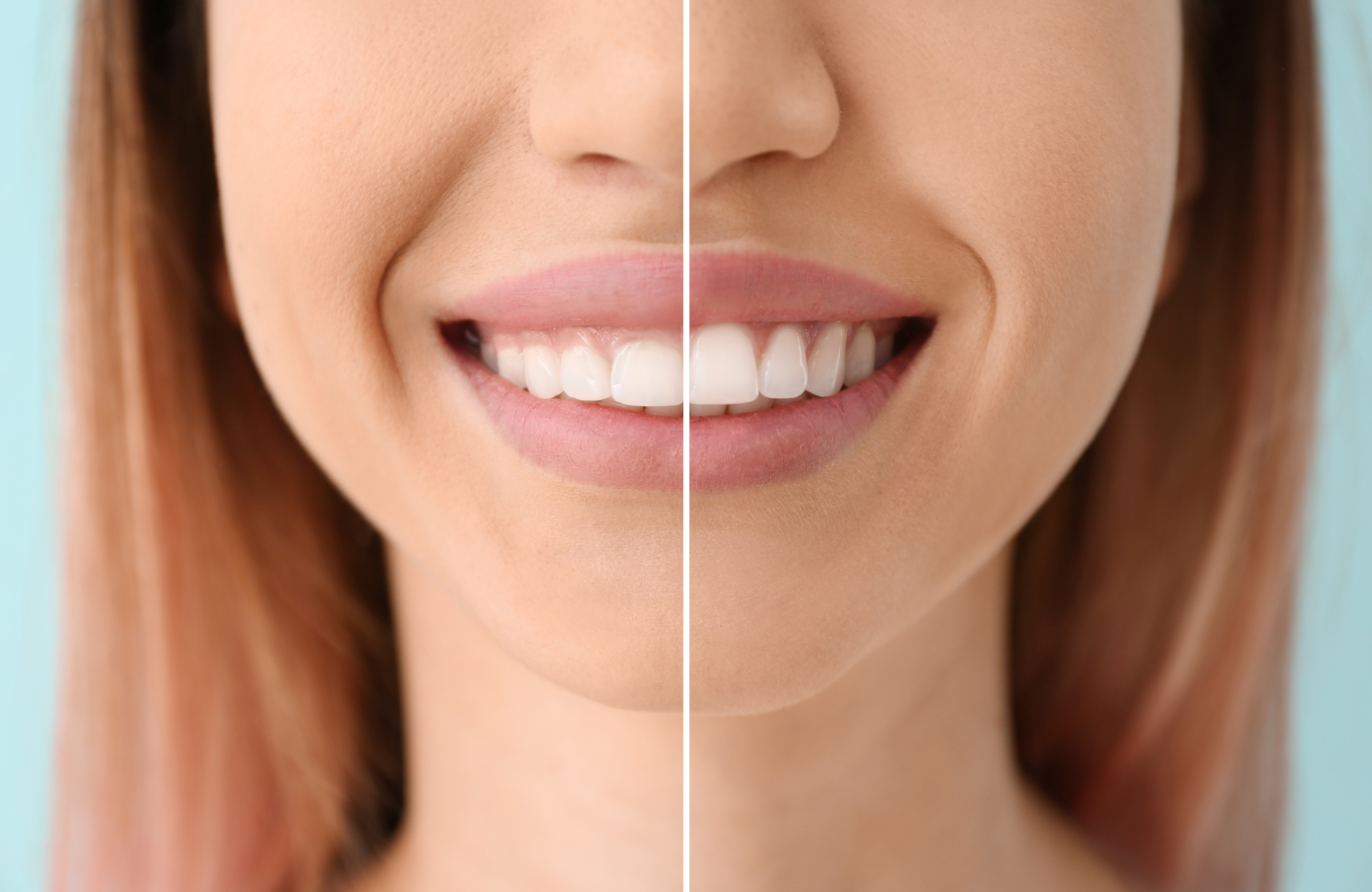
Aesthetic issues: The correct position of the teeth and jaws has a huge impact on the appearance of the smile, which can directly influence self-esteem.
Most common types of malocclusion
There are different types of malocclusion, which can cause different complications. Some of the main examples of dental occlusion problems are:
Crossbite
Occurs when the upper arch is smaller than the lower arch, meaning the lower teeth fit outside the upper ones.
Open bite
Characterized by the lack of contact between the upper and lower teeth in a certain area, usually at the front of the mouth, giving the feeling that the mouth does not close completely.
Deep bite
When the upper teeth excessively cover the lower ones.
Dental crowding
When there is not enough space in the arch to accommodate the teeth, causing the teeth to overlap one another.
What causes malocclusion?
Dental malocclusion can arise due to the following causes:
Habits such as prolonged use of pacifiers and bottles or thumb sucking.
Deformities in the jaw, which usually appear at birth.
Incompatibility between the size of the jaw and the teeth.
Missing teeth.
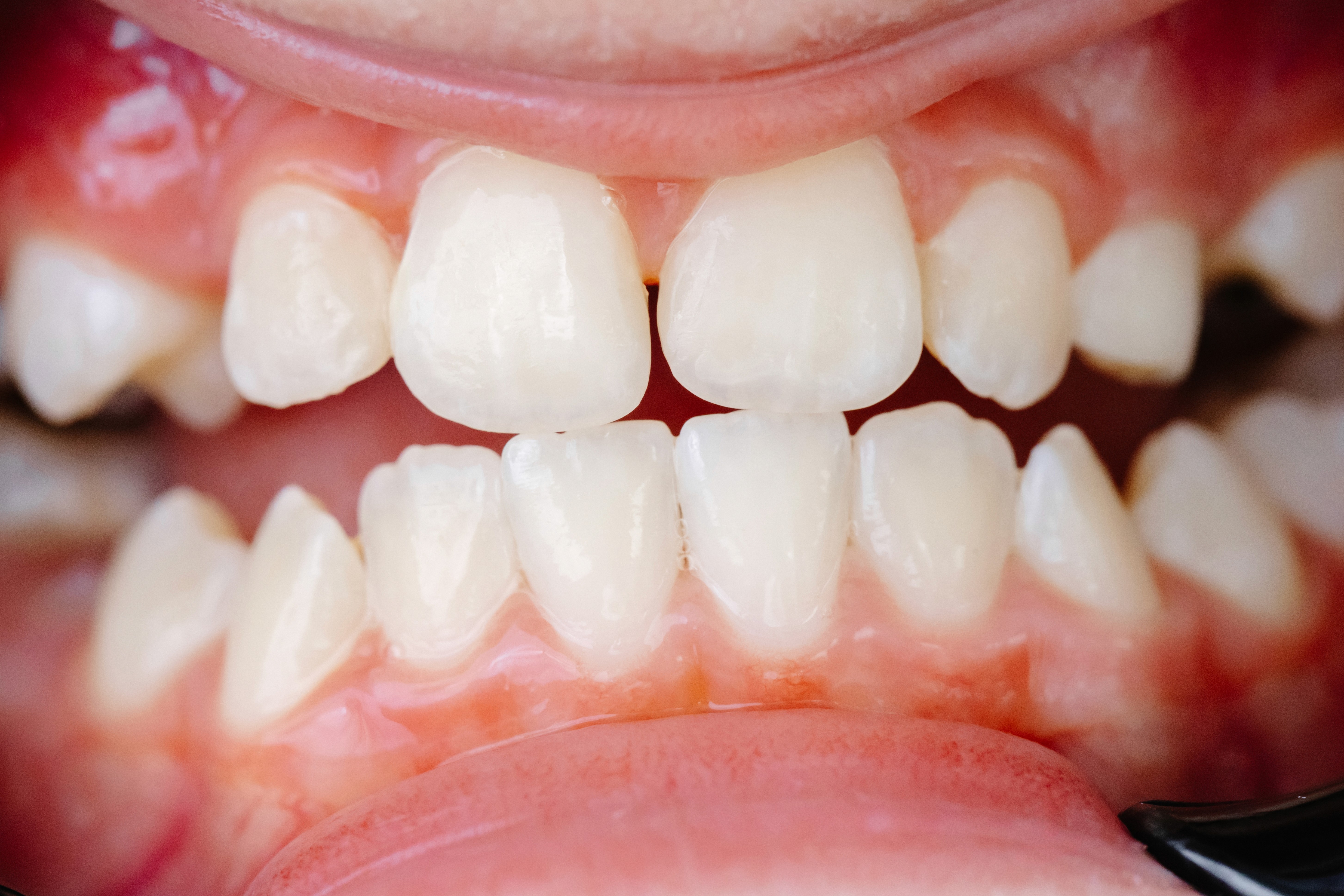
Main symptoms
The symptoms of malocclusion can be difficult to identify, as they manifest over time and the person normalises these signs. Nevertheless, some of the main warning signs that may indicate malocclusion are:
Tooth wear: In areas where the teeth experience excessive friction, enamel wear can occur and sensitivity may increase, especially when consuming very cold foods.
Difficulty chewing or biting: Due to the inability to properly open or close the mouth, the patient may find it increasingly difficult to chew or bite certain foods.
Issues such as cavities or even tooth loss: Since improper positioning of the teeth can hinder proper hygiene, there is a greater propensity to develop oral complications such as cavities, which in extreme cases can even lead to tooth loss.
TMJ pain: An incorrect bite may cause face and head pain, as well as an increased difficulty in opening and/or closing the mouth.
Bruxism: The habit of grinding or clenching teeth, usually caused by stress and anxiety, can be exacerbated by occlusal problems.
Treatments for dental malocclusion
Treatments for this issue vary according to the type of occlusion and the severity of the problem. The main treatments include:
Orthodontic appliances
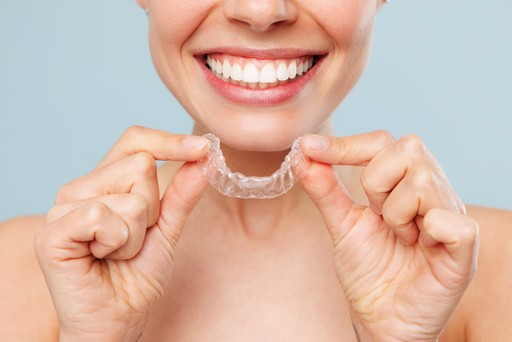
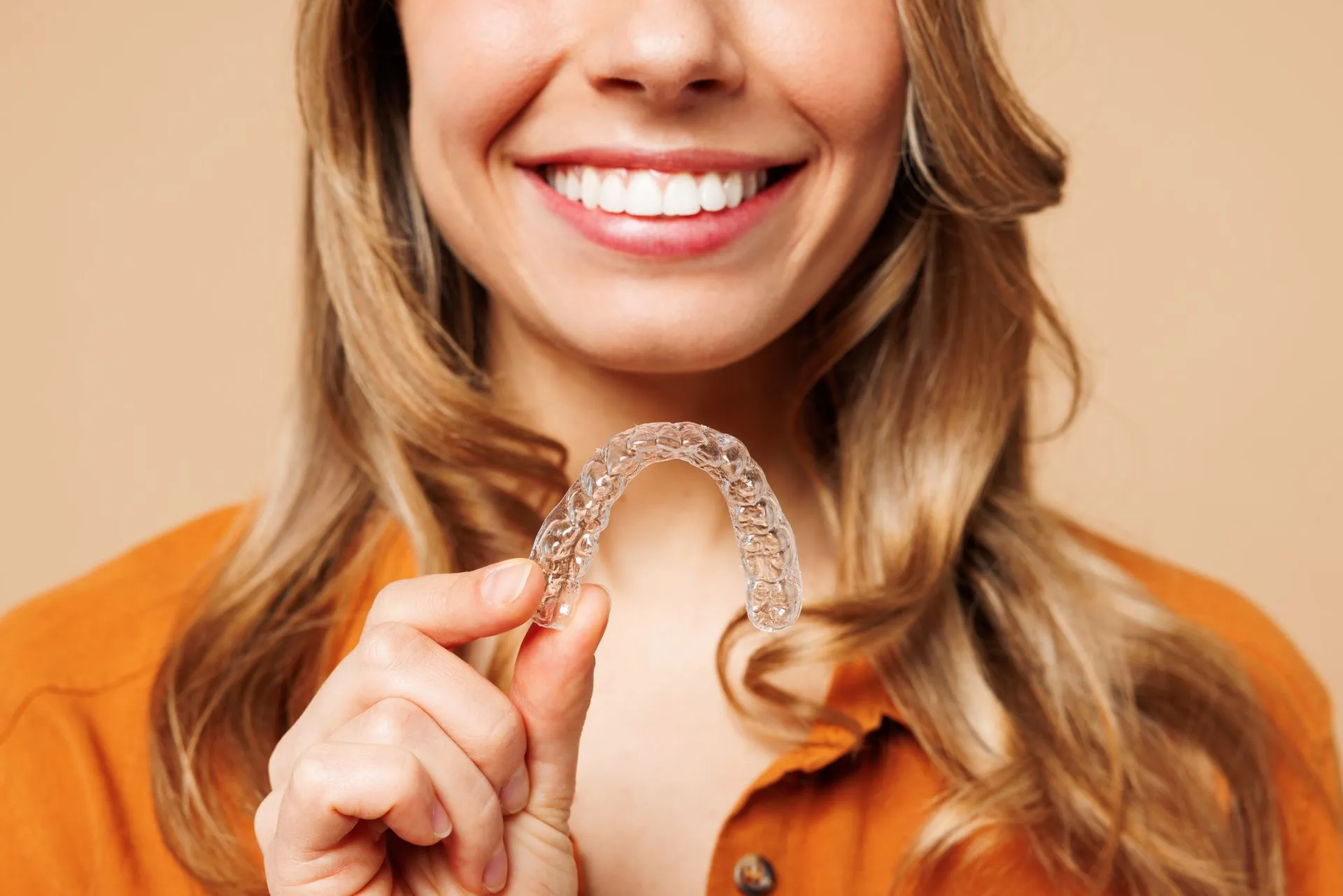
Orthodontic appliances are used to correct dental misalignments, such as crossbite, open bite, deep bite, or crowding. The appliances can be fixed or removable, such as clear aligners, depending on each case and the patient's preference.
Occlusal splints
In cases of bruxism, the patient may use an occlusal splint, a removable device used at night to prevent teeth grinding and relieve pressure on the TMJ.
Surgery
If the orthodontic appliance is insufficient to correct the positioning of the teeth, the dentist may perform a minor surgery to improve contact between the teeth. Additionally, surgery may also be necessary to correct the positioning of the jawbones, reducing symptoms of TMJ dysfunction.
Oral rehabilitation
In cases where the problem arises due to tooth loss or dental issues, it may be necessary to resort to implants that replace missing teeth and help restore the mouth's balance. Crowns or veneers on certain teeth may also be recommended to correct their length or shape, restoring their function and aesthetics.
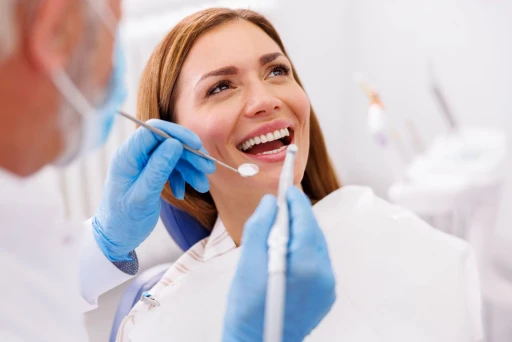
Dental occlusion is a fundamental factor for oral and overall health, with impacts on well-being and quality of life. To identify and treat any issues in this regard, it is necessary to ensure regular check-ups with the dentist, at least every six months or whenever symptoms or complications arise.