Discover if you are still in time to correct your smile!
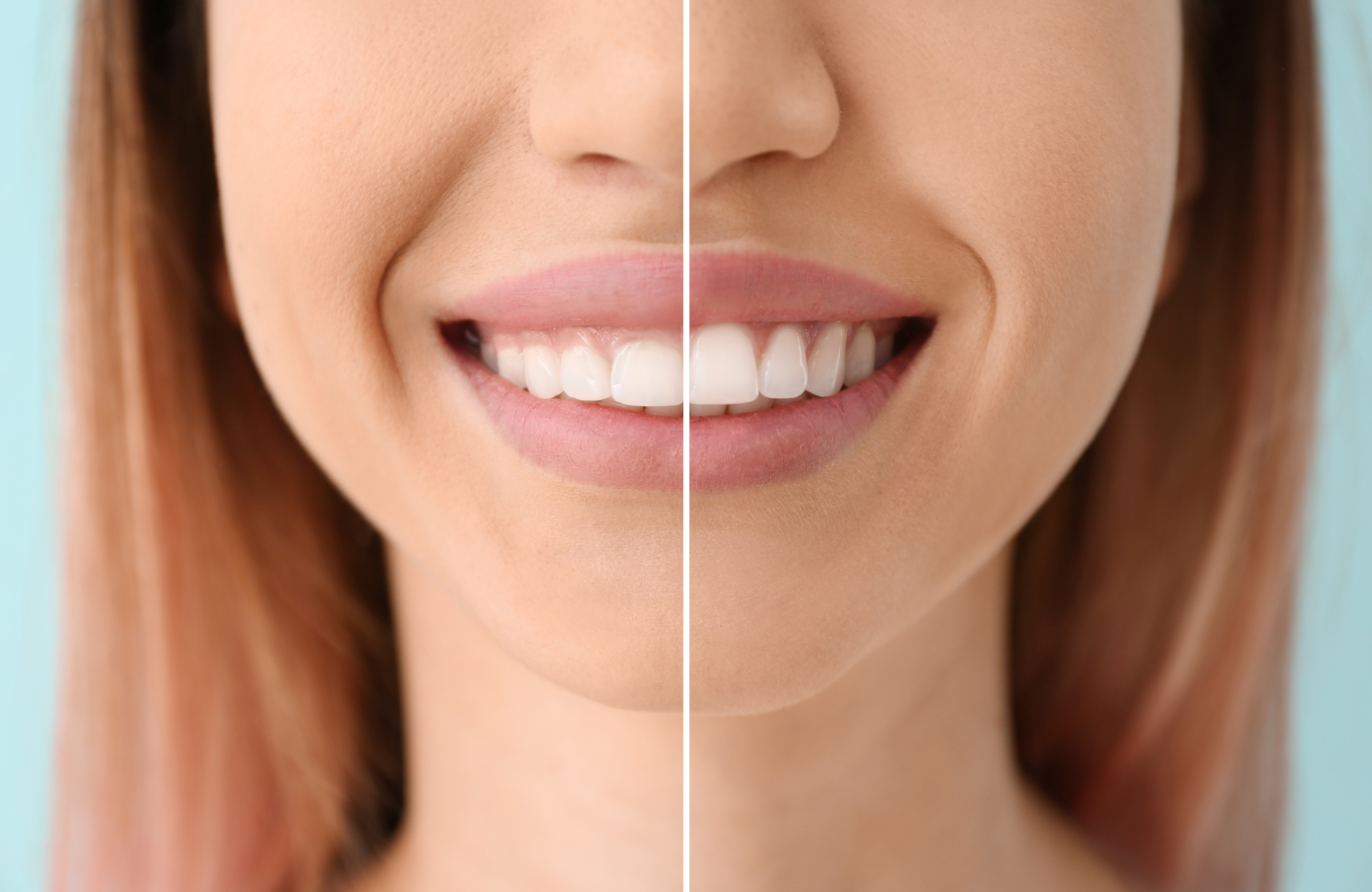
Many adults believe that it is too late to get braces and correct dental misalignment, but the truth is that it is never too late to improve the aesthetics and especially the health of your mouth. Discover how modern orthodontic treatments — such as invisible aligners — can transform your smile discreetly and effectively.
Is it really possible to get braces after 30?
Yes, and it is increasingly common than you think. Age is not a barrier to undergoing orthodontic treatments, as long as gum health and bone support are ensured and preserved. Today, most adult patients seeking smile correction through braces are already over the age of 30 or even 40. The motivation can be aesthetic, functional, or both — and current technology allows for the rapid, effective, discreet, and comfortable treatment of dental misalignments.
Why have the teeth misaligned over time?
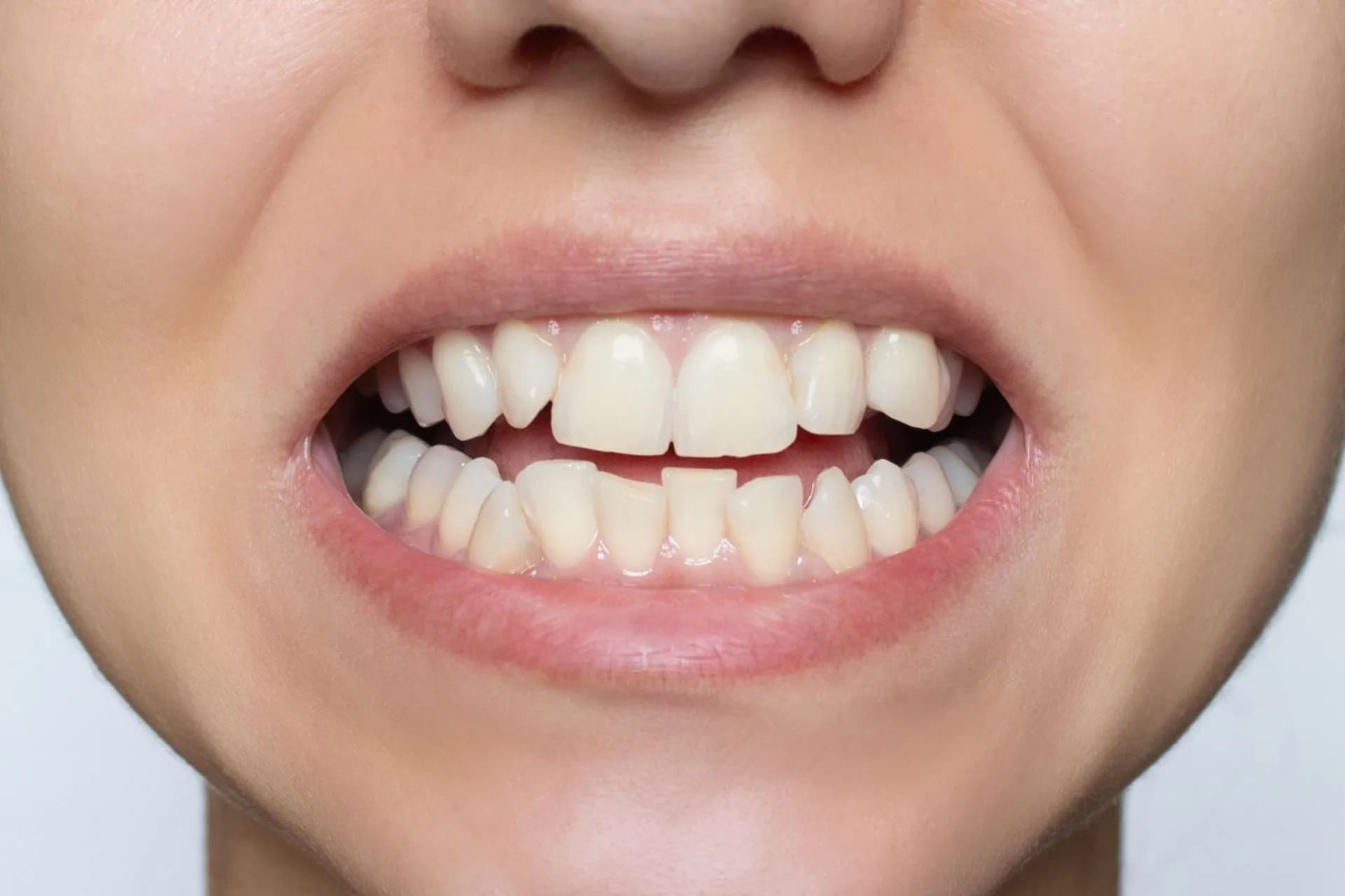
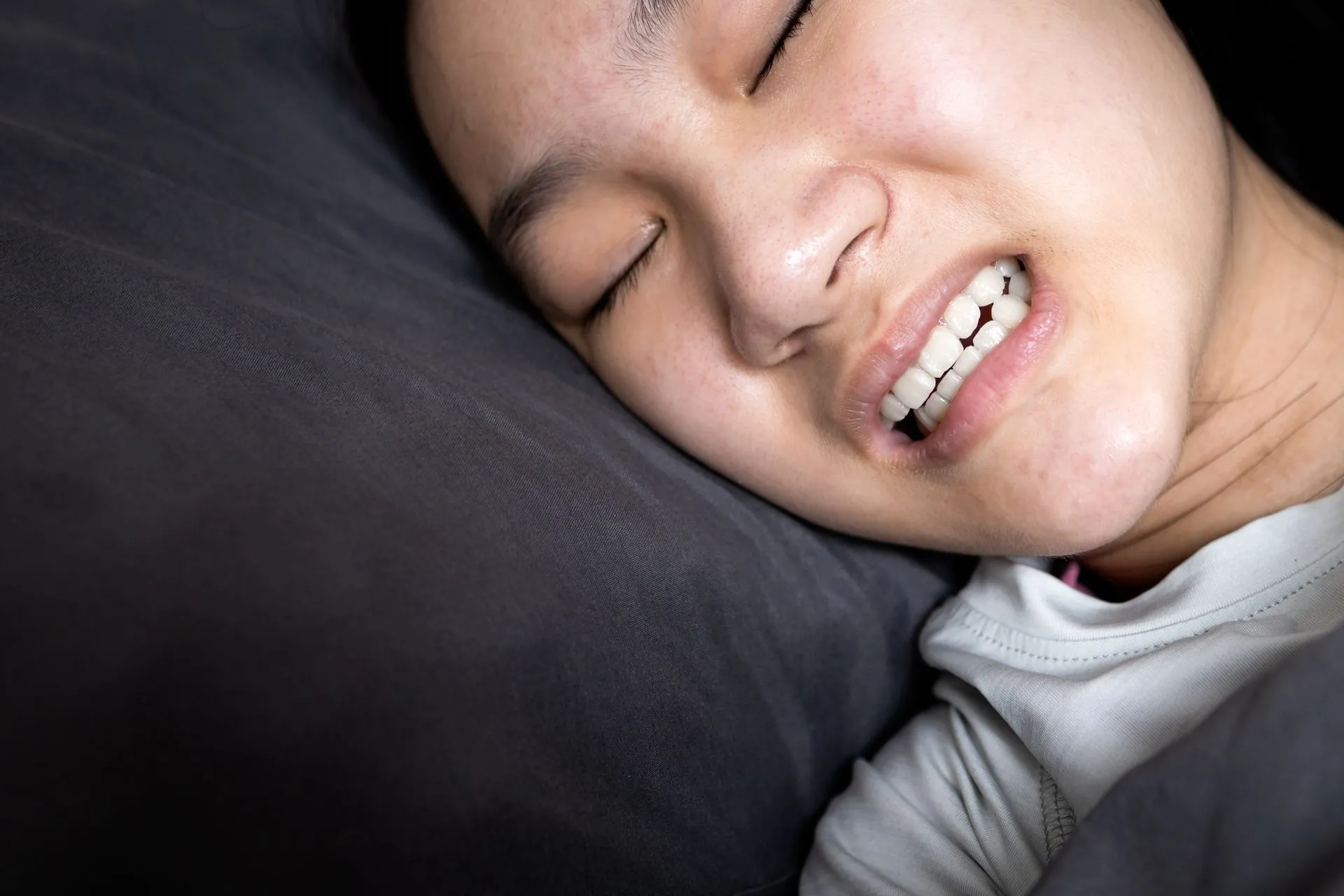
Even after adolescence, teeth can continue to move. Tooth loss, functional habits such as bruxism, the lack of use of retainers after previous orthodontic treatments, or even changes in bone morphology related to aging are common causes. The result is the return (or worsening) of misalignments that affect both aesthetics and oral health.
Orthodontics in adults: more than aesthetics
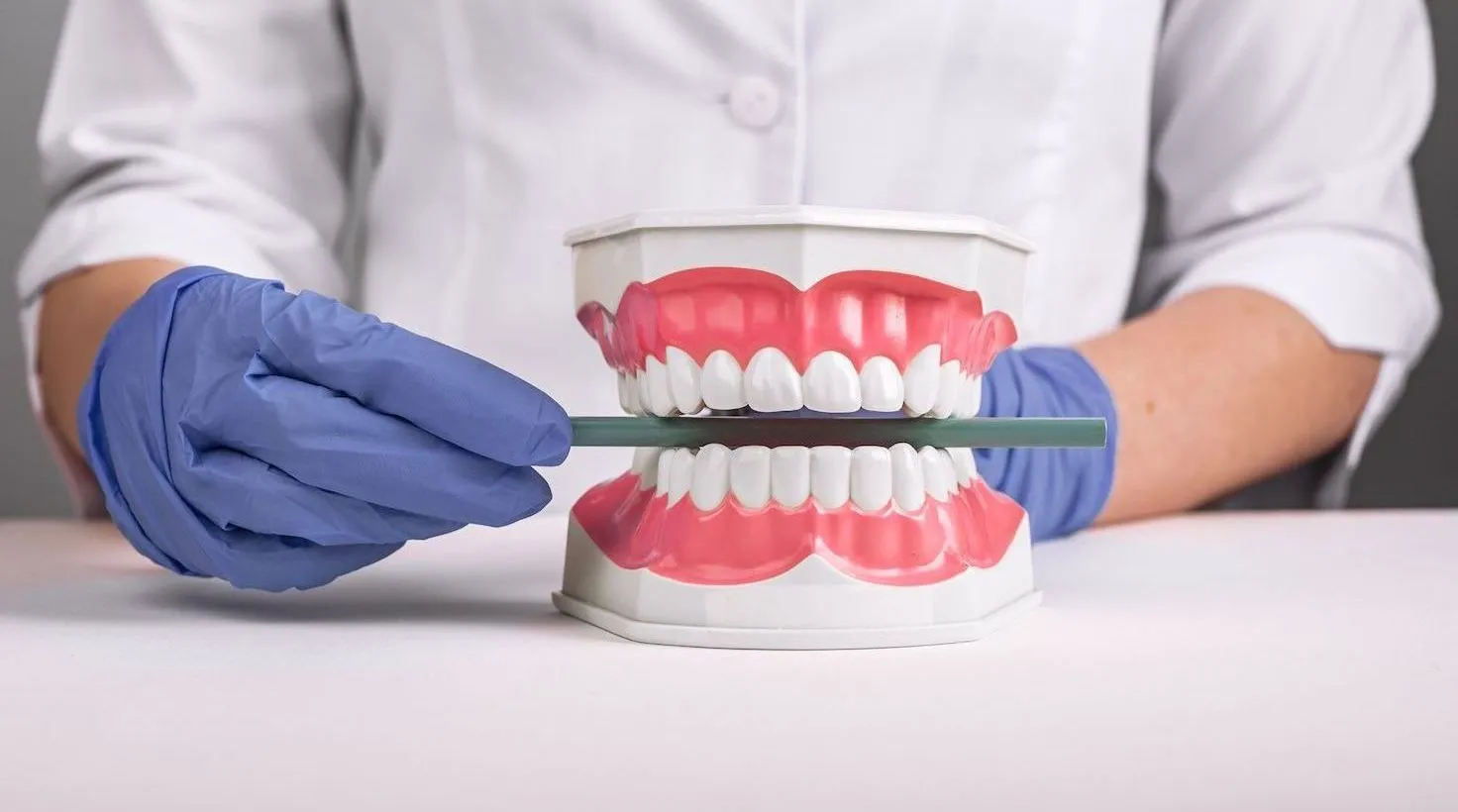
Correcting misalignment or malocclusion is not limited to aesthetics. Misaligned or crowded teeth make efficient oral hygiene difficult and consequently favor the accumulation of plaque and tartar, increasing the risk of cavities and gum disease. Additionally, the absence of a proper bite or occlusion between the two jaws can lead to dental wear, as well as compromise the temporomandibular joint, resulting in headaches, tinnitus, and neck pain. In many cases, poor positioning or changes in dental position can also affect diction (speech) and cause embarrassing situations such as saliva escaping from the oral cavity during speaking.
Invisible Aligners: comfort, efficacy, and discretion
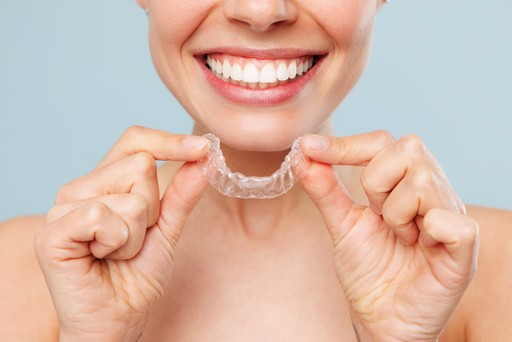
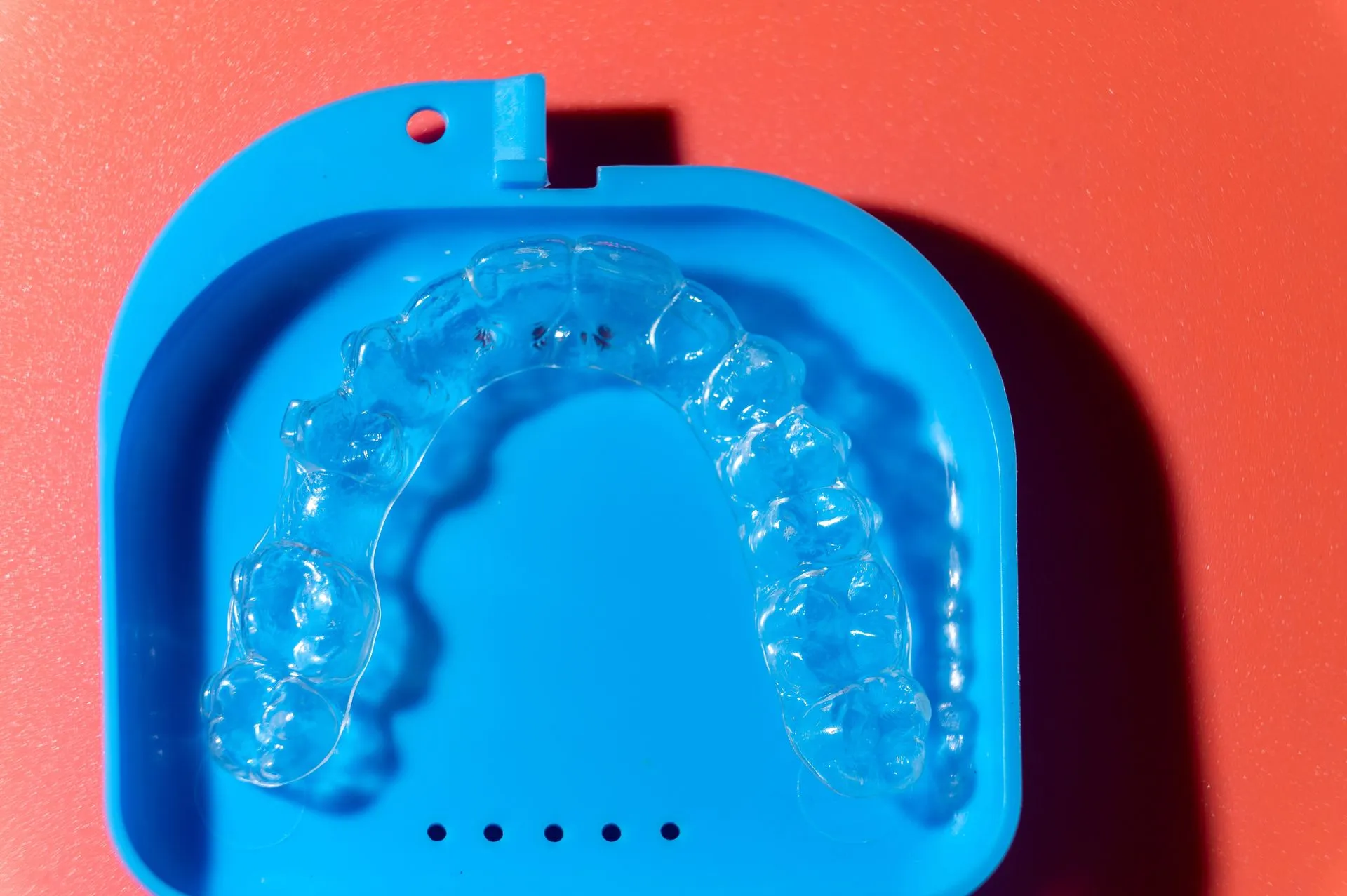
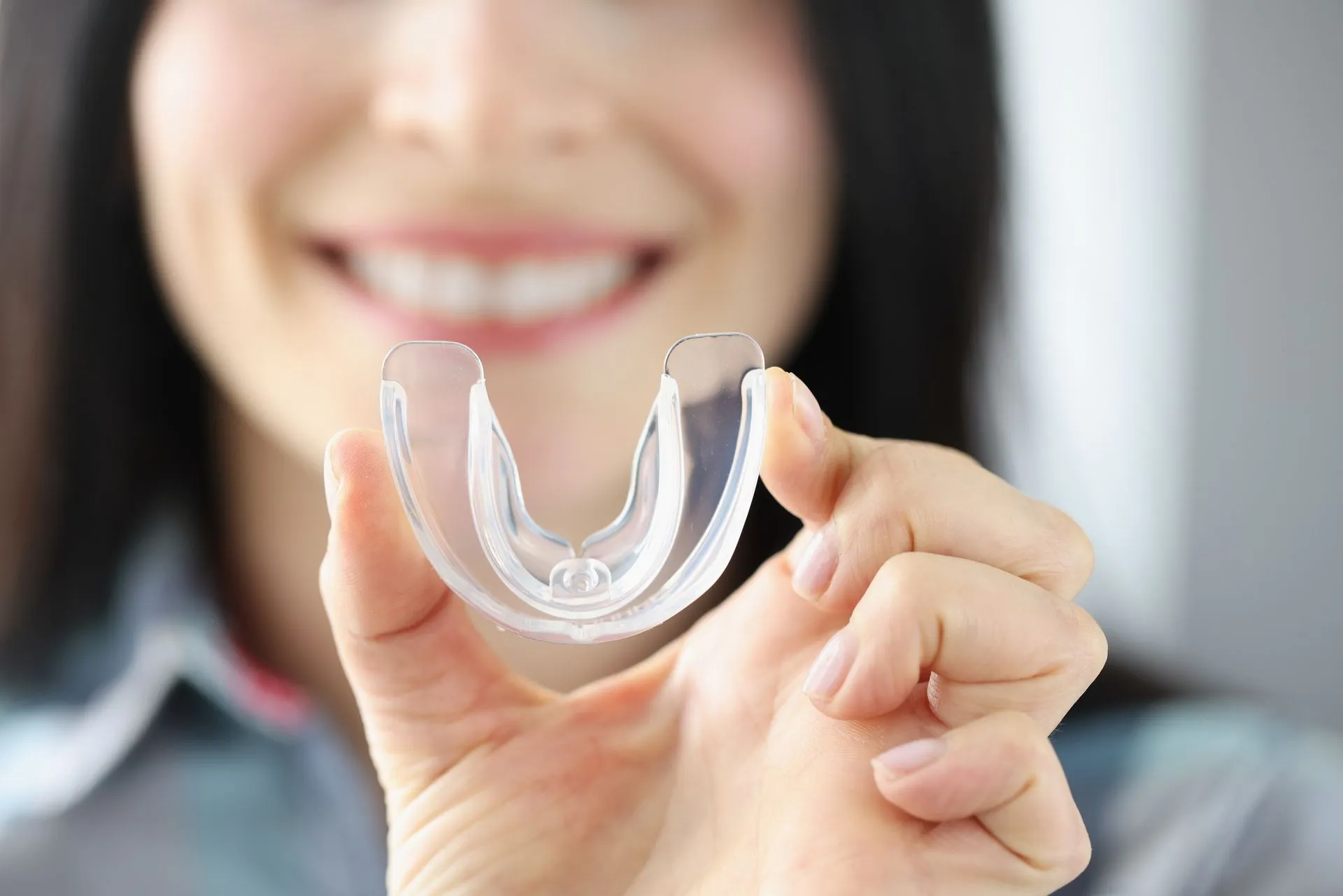
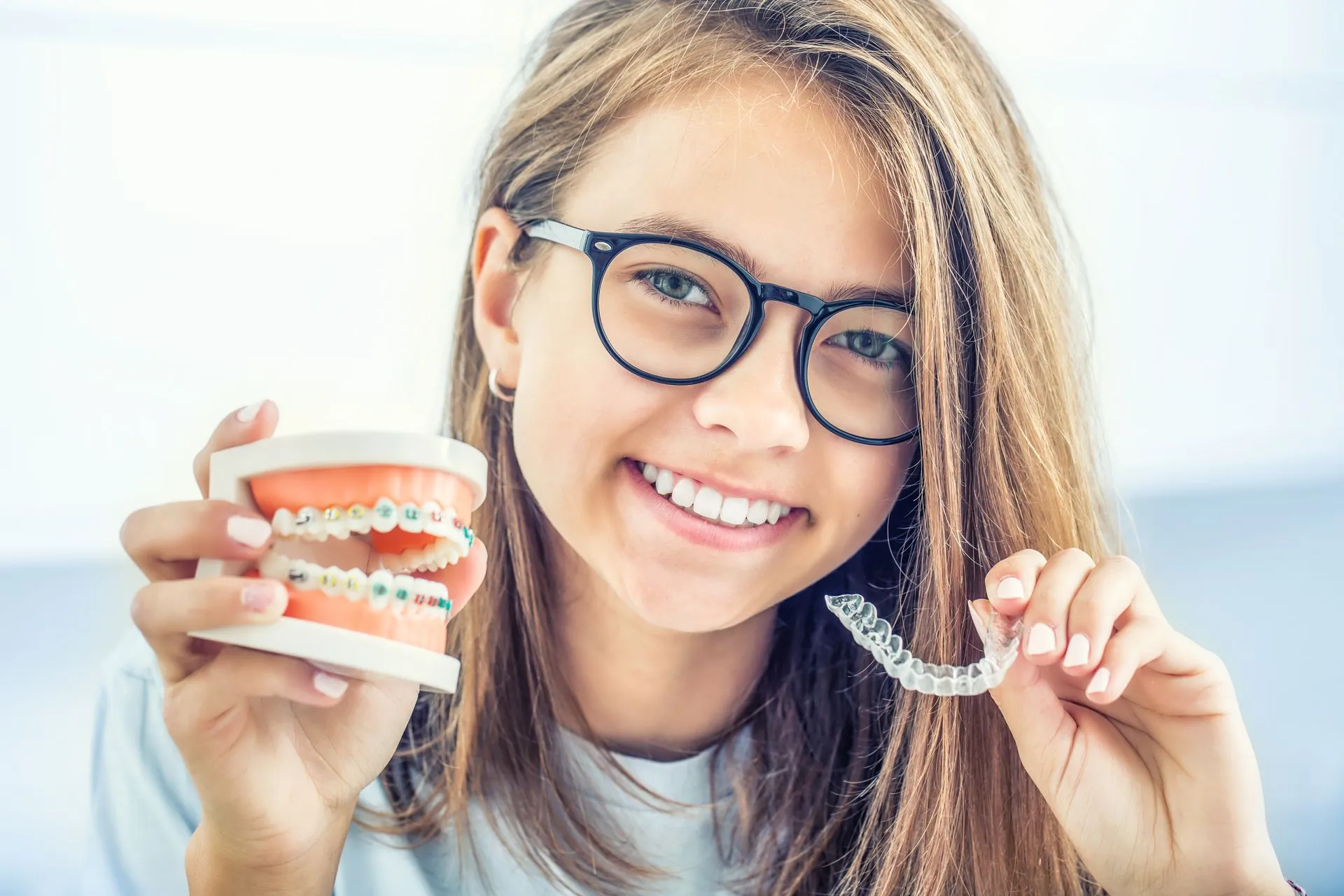
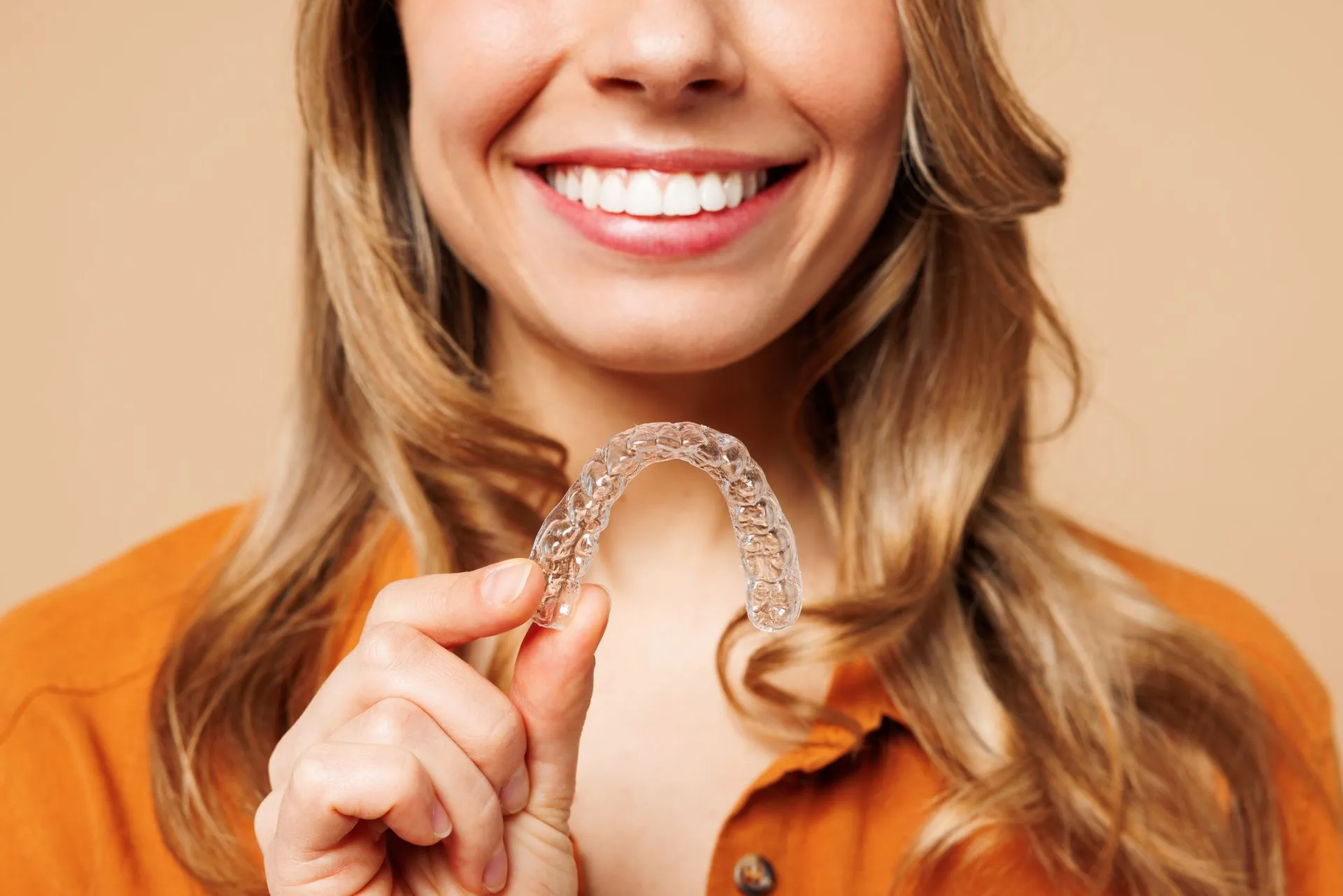
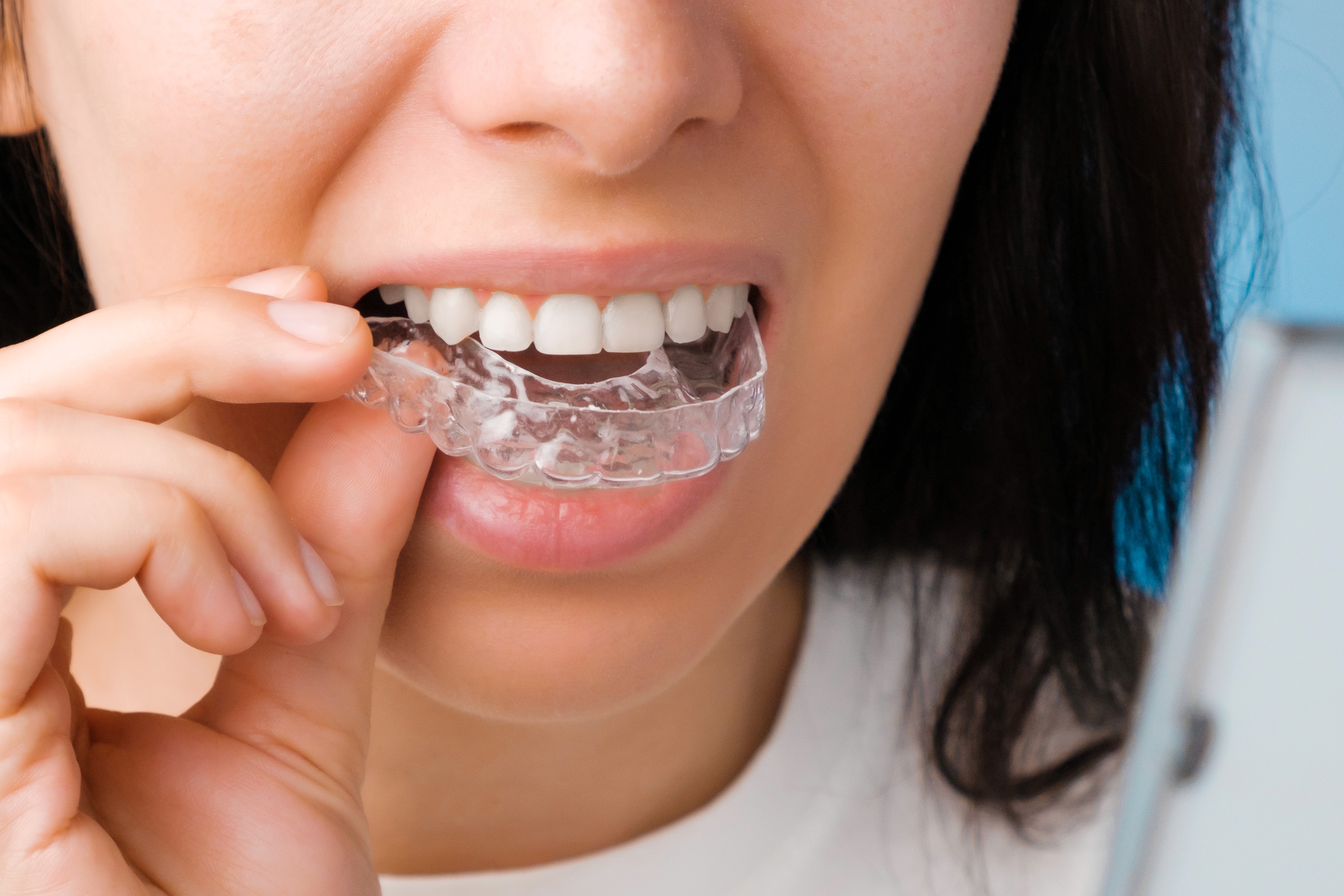
Invisible aligners are currently one of the most sought-after solutions when it comes to dental braces for adults. Custom-made for each patient and clinical case, clear aligners are highly discreet, practically imperceptible, allowing adult patients in particular to undergo orthodontic treatment with almost no impact on their daily routine. Being removable, they make oral hygiene and eating much easier. The latest technologies and digital planning make it possible to view a preview of the dental braces result right at the start of treatment, motivating the patient and offering predictability and safety.
In which cases are dental braces recommended?
Patients with mild or moderate crowding, diastemas, anterior or posterior crossbite, other malocclusions, and relapses from previous treatments can benefit greatly from orthodontic treatment with aligners. In more complex cases, a combined approach with other orthodontic devices may be required. Diagnosis is always personalised. This type of treatment is especially advantageous for adults who want a discreet approach without compromising their professional or social life. Cases with a history of relapse — meaning patients who wore dental braces during adolescence but experienced misalignment again — are also ideal candidates. It is important to emphasize that even minor corrections can have a major impact on the aesthetics of the smile and the functionality of the bite.
Am I a good candidate for this type of treatment?
It all starts with a comprehensive clinical assessment. The orthodontist will analyse the position of your teeth, your gum and bone health, and your daily routine. From there, it will be possible to define the most suitable plan for you — with aligners or another type of dental braces, always focusing on the balance between aesthetics, function, and stability.
What to expect from the process?
After gathering the patient's clinical information, which includes digital scans, photographs, and diagnostic imaging,
the case is digitally planned, and the sets of aligners, which must be worn sequentially throughout the treatment, are produced in a fully customised manner. With few exceptions, each set of aligners must be worn for about 7 to 14 days and at least 22 hours per day. Results appear gradually, and on average, treatment duration varies between 6 to 18 months, depending on the complexity of the case. There is no intense pain associated — only a slight initial pressure with each change of aligner sets.
During the process, follow-up appointments are quick and regular (at intervals of 4 to 6 weeks). At each appointment, the orthodontist assesses progress and can adjust the plan as necessary. This continuous monitoring is one of the reasons why the results obtained are predictable and consistent, reinforcing confidence in the treatment. However, throughout the entire process, it is fundamental that the patient maintains a strict commitment to wearing the aligners as prescribed. In the case of specific dental braces, as with aligners, this cooperation is decisive for the success of the treatment.
Care during and after treatment
During treatment, it is essential to maintain good oral hygiene, wear the aligners for the recommended number of hours (usually 22 hours/day), and attend follow-up appointments. With dental braces, it is recommended to avoid consuming staining food and drinks, such as coffee or red wine, to prevent discolouration of the aligner material. After treatment, the use of retainers (fixed or removable) is just as crucial as the treatment itself. Retention prevents the teeth from returning to their original position, protecting the investment made and ensuring the durability of your new smile.
Frequently Asked Questions
The decision to correct teeth in adulthood may seem challenging, but it is increasingly common and accessible. At MALO CLINIC, you will find a highly qualified clinical team, cutting-edge technology, and a personalized treatment plan for your case.
Schedule your assessment appointment and discover how we can help transform your smile with discretion, comfort, and effectiveness.