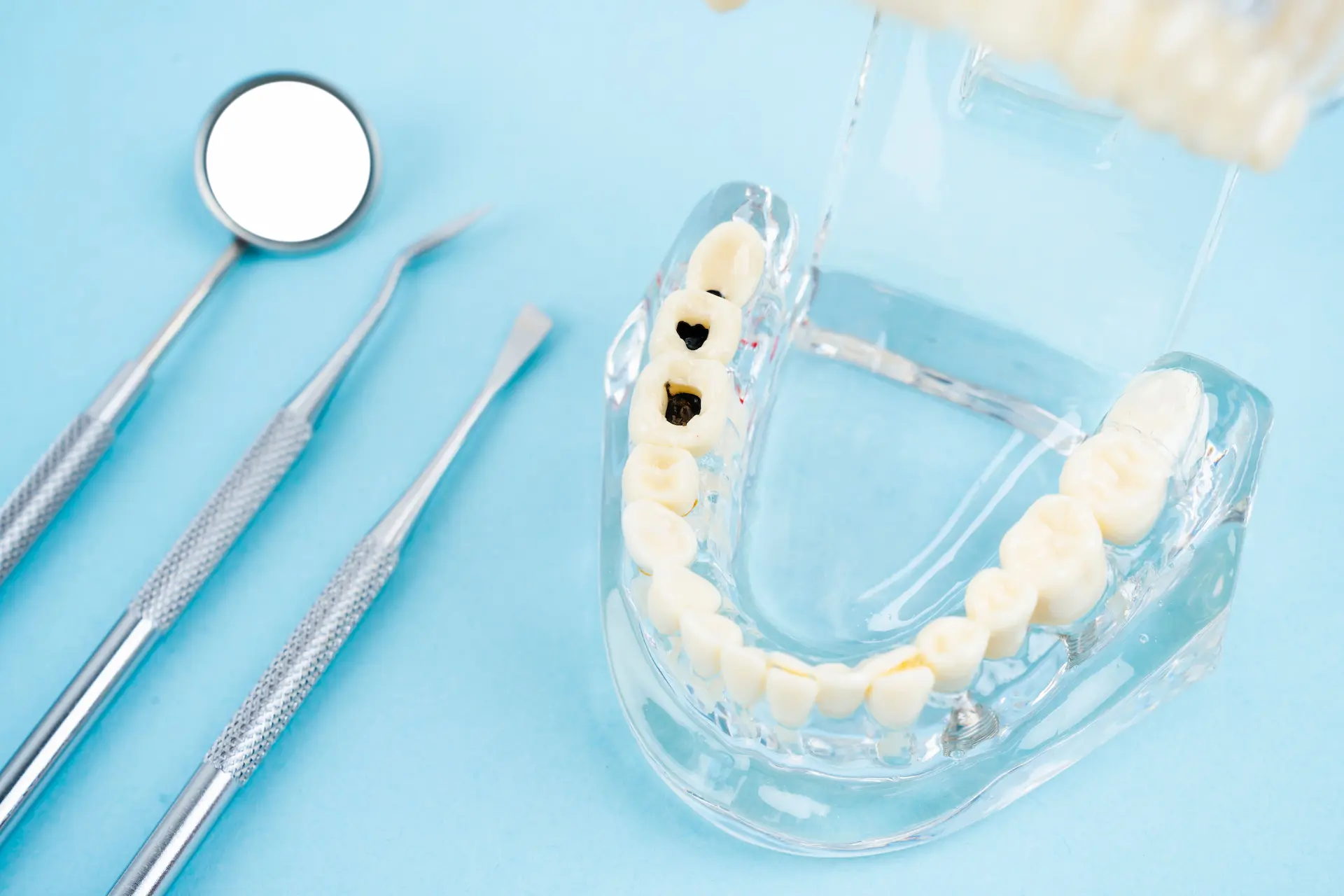
What is dental caries?
Dental caries is a common disease that affects people regardless of age and is currently considered by the World Health Organization as a public health problem. It is a bacterial condition resulting from the action of bacteria in the mouth, generally associated with the consumption of foods high in sugar, which damage the teeth and promote the deterioration of dental structure. Poor oral hygiene, such as not brushing teeth regularly, not using dental floss, and not having regular oral hygiene check-ups, can contribute to the accumulation of plaque on the teeth, leading to the development of caries.
How can I tell if I have dental caries?
Some of the main symptoms of dental caries are:
Toothache and sensitivity: One of the main symptoms of dental caries is increased sensitivity or pain in the affected tooth, especially when chewing and eating or drinking something very sweet, hot, or cold.
Dark or white spots on the teeth: One of the most common symptoms is also the appearance of dark or white spots on the teeth.
Persistent bad breath: Caries can also cause bad breath due to the accumulation of bacteria.
Visible holes in the teeth: In a more advanced stage of the disease, visible cavities can appear in the teeth.
If any of these symptoms occur, it is essential to consult a dentist as soon as possible to ensure diagnosis and treatment are carried out quickly, avoiding more serious complications.
But what are the consequences of dental caries?
If left untreated, caries can cause:
Dental infections;
Destruction of the dental structure, potentially leading to tooth loss in a more advanced stage of the disease;
Chewing and digestion problems, as the pain and loss of the tooth can hinder proper chewing of food, leading to digestive and nutritional issues;
Changes in the aesthetics of the smile due to changes in tooth color or loss of the tooth;
Systemic complications that spread to other parts of the body, causing infections with repercussions on overall health, such as respiratory problems, heart issues, kidney issues, joint problems, among others.
Diagnosis
The diagnosis of dental caries is usually made during a routine check-up with the dentist, which consists of direct observation of the teeth and radiographic examination. Some caries can develop between the teeth, making them harder to diagnose. To identify this type of caries, it is essential to have a dental X-ray.
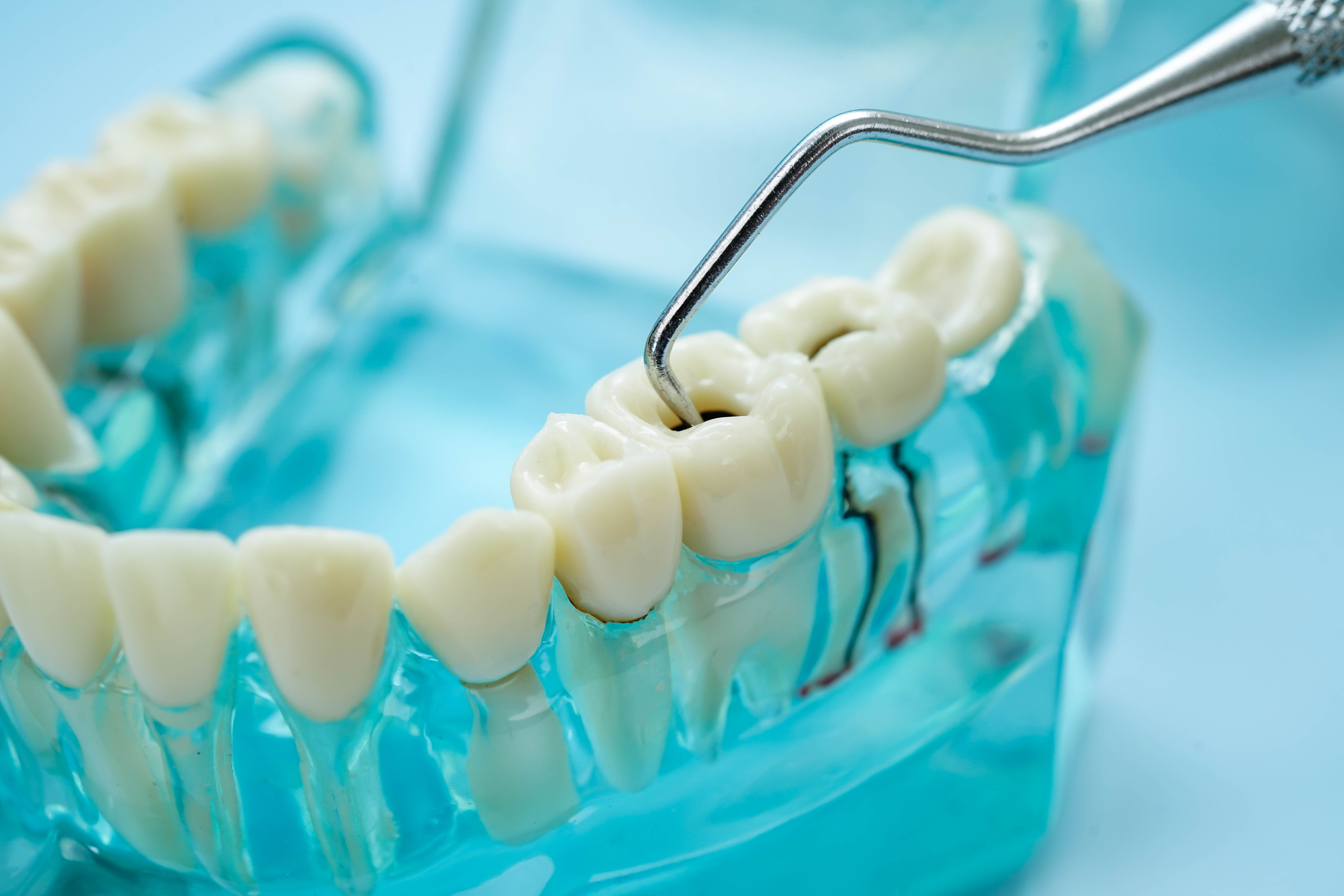
Treatment of dental caries
The treatment of dental caries must always be done in a dental office by a dentist, but it depends on the state of the disease. Some of the main treatments are:
Fillings
If dental caries are detected early, the dentist can remove the damaged area of the tooth and fill the cavity with restorative material, such as composite resin or porcelain. These materials restore the shape and function of the tooth.
Root canal treatment (endodontics)
When it comes to deep caries, involving the pulp, it may be necessary to perform an endodontic treatment, which involves the removal of the infected pulp, cleaning the root canal, and then filling it with a suitable material.
Dental crowns
In severely damaged teeth, it may be necessary to resort to a dental crown. The crown acts as a protective cover that encases the damaged tooth and restores its shape, function, and appearance.
How to prevent dental caries?
Adequate oral hygiene
One of the best ways to prevent dental caries involves oral hygiene habits, such as brushing teeth at least twice a day and using dental floss to remove plaque and food debris that accumulate between the teeth.
Healthy diet with reduced sugar intake
Additionally, since sugar feeds the bacteria in the mouth that produce acids that erode tooth enamel, it is essential to ensure a balanced diet, limiting the consumption of sugary foods and beverages.
Regular visits to the dentist
Regular visits to the dentist or oral hygienist are recommended at least every six months, including professional cleanings and examinations to ensure oral health. These regular check-ups allow for early detection of any signs of dental caries and referral for the most appropriate treatment.
Avoid harmful habits
Finally, it is essential to avoid habits that increase the risk of dental caries, such as tobacco use and acidic foods, which wear down tooth enamel.
Dental caries affect about 90% of the population. For this reason, it is likely that you have already had or will have this complication throughout your life. Therefore, it is essential to maintain oral hygiene habits and be attentive to symptoms, regularly scheduling appointments with the dentist.