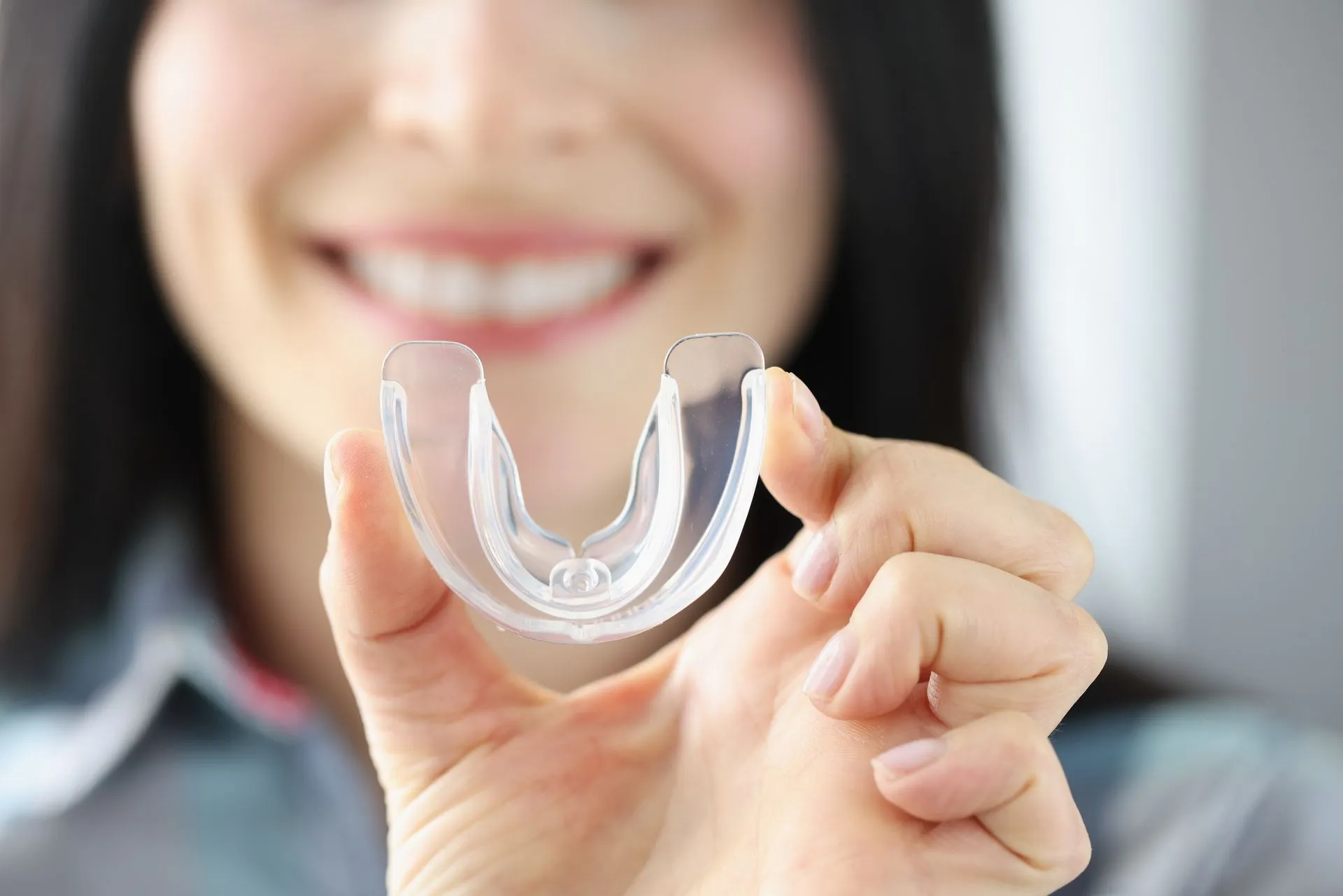
Dental splint: what is it and what is it used for?
Problems such as misaligned teeth, night-time habits like grinding or clenching your teeth (bruxism) or even other conditions such as sleep apnoea can have a significant impact on quality of life. In these cases, a common and effective solution is the use of maxillary interposition devices, commonly known as dental splints (or bite guards). But in what situations is a dental splint recommended? And what types are available? Find the answers to all your questions here.
In what situations should I use a dental splint?
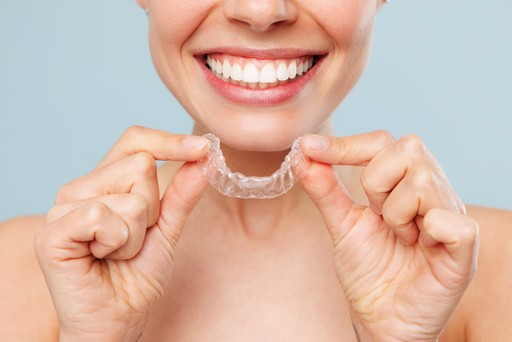
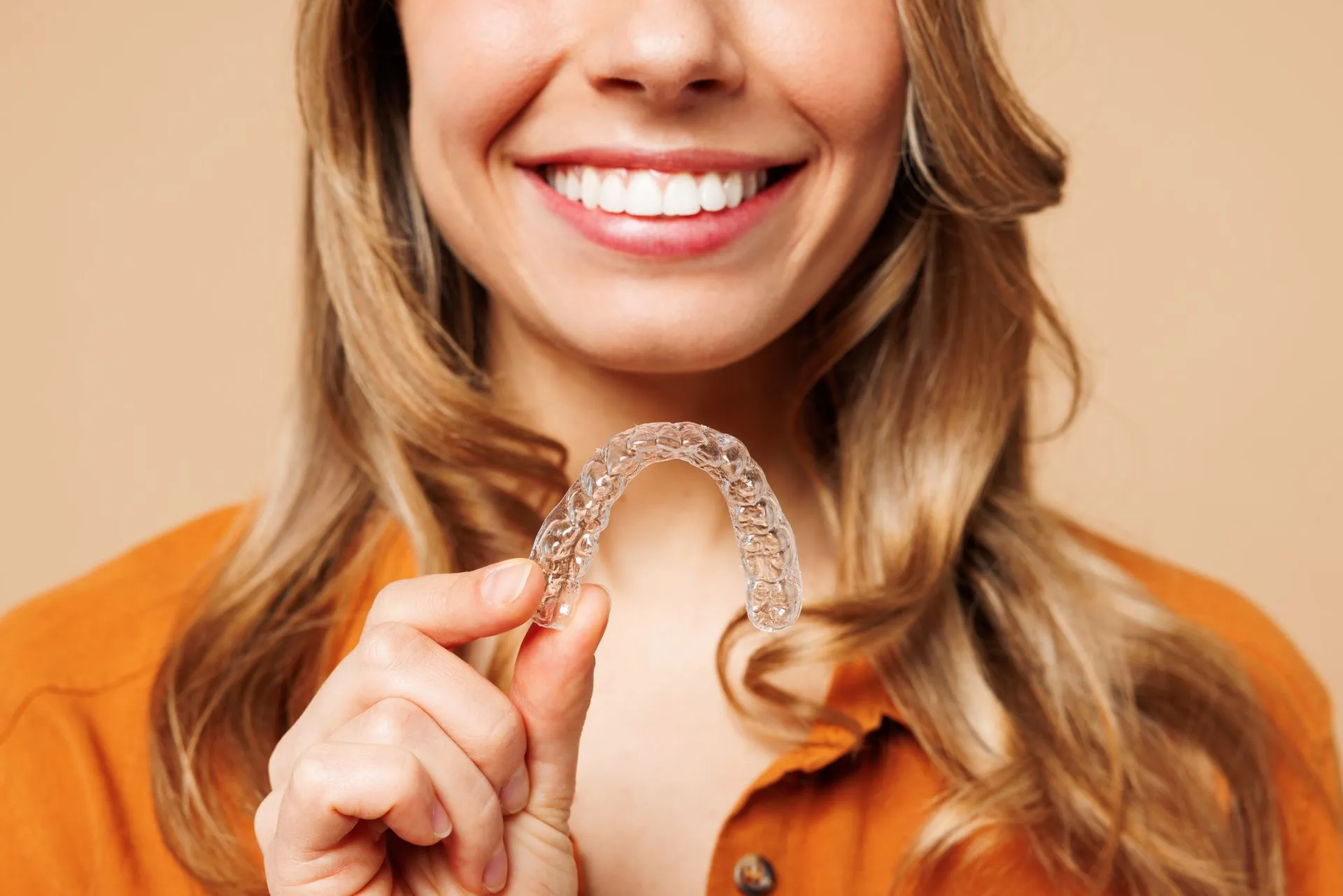
Dental splints are removable devices made in accordance with the oral characteristics of each patient, which serve various therapeutic and protective functions. Some of the main reasons for using a dental splint include:
Bruxism (grinding or clenching teeth)
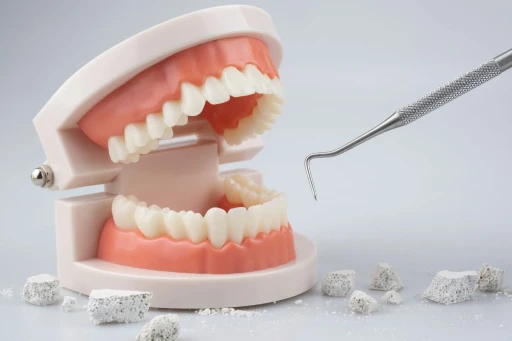
Bruxism, which can occur during both the day and at night, is a condition where a person involuntarily grinds or clenches their teeth. This behaviour causes tooth wear, headaches, sensitive teeth and muscle pain in the face and/or neck area. In these cases, a dental splint acts as a barrier placed between the teeth, preventing wear and protecting the tooth structure. In the case of sleep bruxism, the splint should be put in place before going to sleep.
Pain and temporomandibular joint (TMJ) disorders
The temporomandibular joint (TMJ) connects the jaw to the temporal bone (skull), involving the muscles of mastication and all associated structures. Problems in this joint can cause pain, difficulty chewing and opening or closing the mouth, as well as clicking sounds when performing these movements. In these situations, splints are used to relieve the pressure exerted on the joint, redistributing the force of the bite and helping to relax the facial muscles.
Occlusion problems (incorrect bite)
Some splints are indicated for patients with misaligned teeth. By using a dental splint, the bite can be adjusted over time, avoiding uneven wear of the teeth and joint problems.
Sleep apnoea
Some splints, called mandibular advancement devices, are also recommended for patients with mild to moderate sleep apnoea. They keep the jaw in a more forward position during sleep, preventing airway obstruction and improving breathing.
Sports protection
Athletes who practice high-contact sports, such as rugby or boxing, for example, should also use a dental splint (mouthguard) to protect their teeth against impacts that can cause tooth fractures or injuries.
Types of dental splints
There are several types of splints, each designed for different cases and to treat different conditions. The main types of dental splints are:
Bruxism guard: One of the most common types of splints, bruxism guards are used to protect the teeth of those who suffer from this condition. Generally made of acrylic or silicone material, these guards create a protective layer between the upper and lower teeth, preventing direct contact and teeth grinding.
Mandibular repositioning splint: For people with temporomandibular joint (TMJ) problems, the mandibular repositioning splint places the jaw in the correct position, relieving pressure and helping to reduce symptoms such as pain and clicking.
Sports mouthguard: Also known as a mouth protector, this type of splint is designed to minimise the impact of blows or falls, preventing fractures and other damage to the teeth during the practice of contact sports.
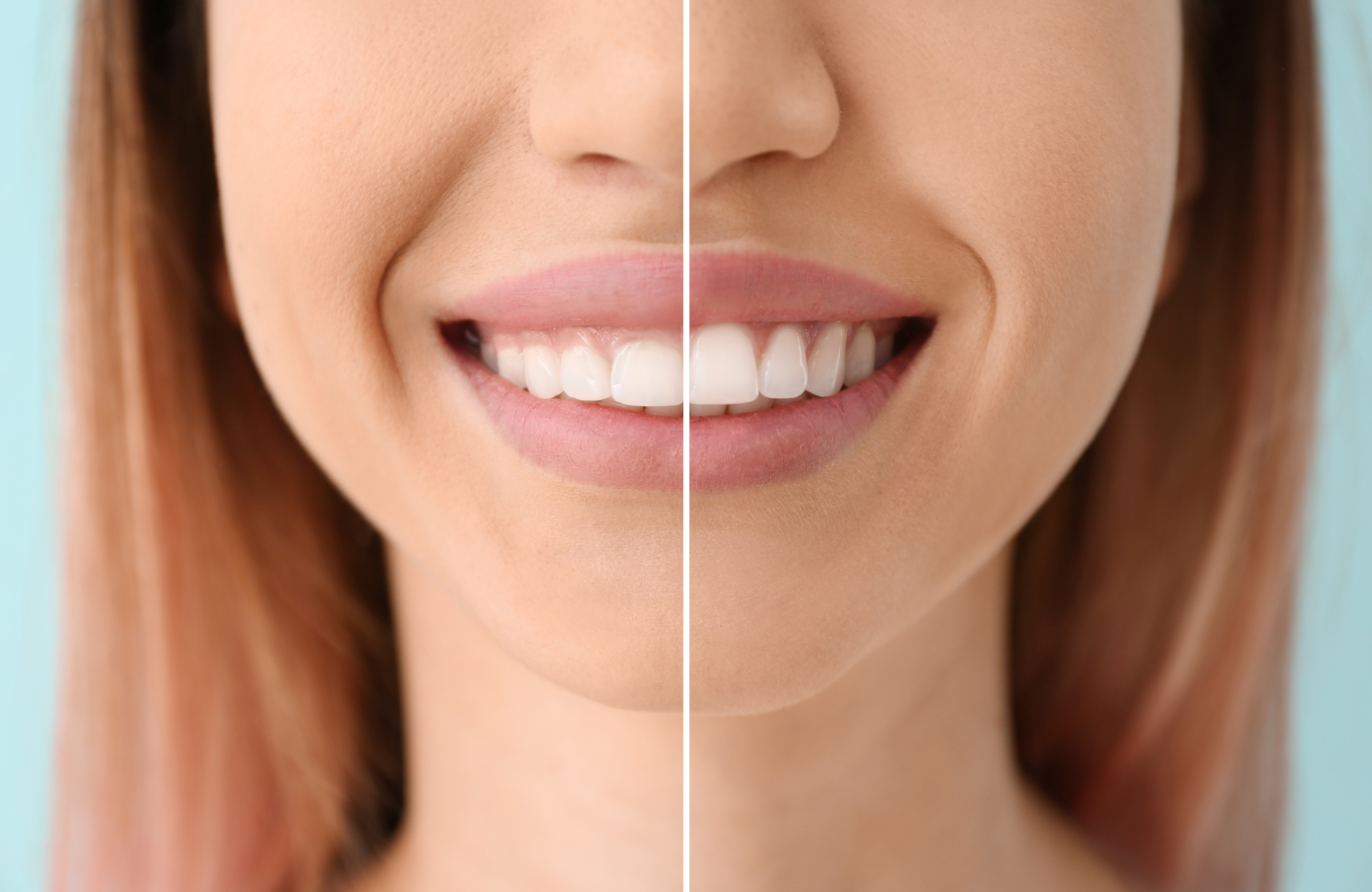
In addition to these, there is also the dental tray for performing teeth whitening, which is also moulded according to each patient's dental arch. These trays are used to hold the whitening gel and must be worn during the period indicated by the dentist.
Benefits of dental splints
Dental splints offer a set of benefits that go beyond protecting teeth. They are versatile devices used to treat a variety of conditions that affect not only oral health but also overall well-being. For this reason, the benefits of dental splints are:
Protection of teeth from dental wear
Relief from muscle and joint pain (TMJ)
Improved quality of sleep
Bite correction (resolution of occlusion problems)
Reduction of tension headaches and neck pain
Improvement in breathing
Prevention of dental fractures
Using a dental splint can bring several health benefits, from protecting your teeth to improving your quality of life, helping to treat conditions such as bruxism, temporomandibular joint (TMJ) problems and even sleep apnoea.
To guarantee that the dental splint and treatment are effective, it is essential that it is adapted to the specific needs and characteristics of each patient, with the appropriate follow-up from a specialist dentist.
How is a dental splint made?
A dental splint is a custom-made device for each patient. The process begins with an assessment consultation, where the dentist analyses the clinical situation and determines the most appropriate type of splint. Then, digital or physical impressions of the dental arch are taken, which serve as a mold for manufacturing the splint in a specialised laboratory.
The result is a fully personalised device, adjusted to the oral morphology of each patient, which ensures greater comfort, efficacy and adherence to the treatment.
How long is a dental splint used for?
The duration of use depends on the clinical indication and each patient's response to the treatment. Generally speaking:
For nocturnal bruxism, the dental splint is used every night during sleep, and the treatment may last for months or be for continuous use;
For TMJ problems, use can be during the day, at night or both, according to the dentist's prescription;
For mild to moderate sleep apnoea, the splint is used every night;
For sports protection, only during sports practice.
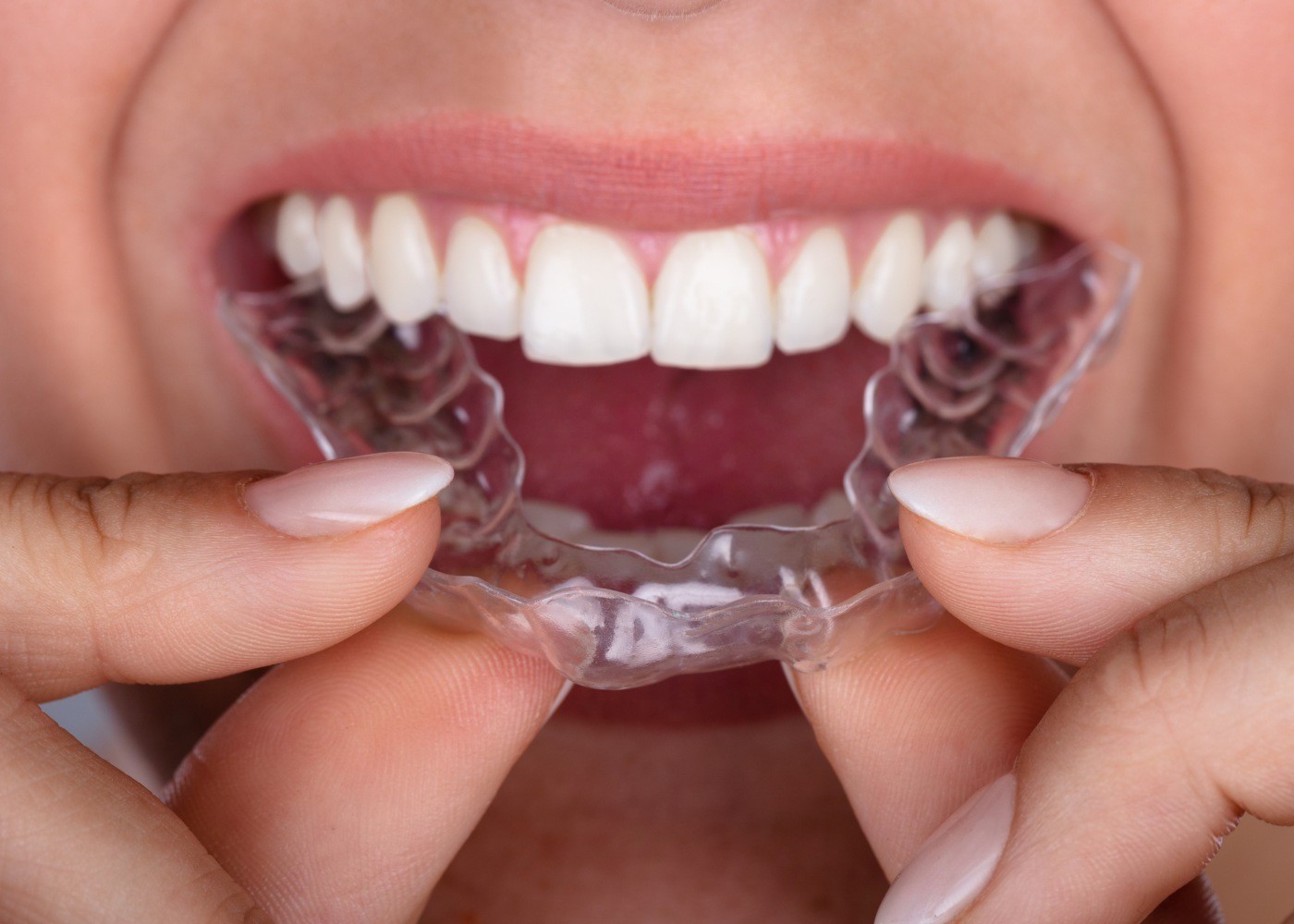
How to care for your dental splint?
To ensure the durability and hygiene of your dental splint, follow these recommendations:
Wash the splint with cold water and a soft brush after each use, never use hot water, as it can deform the material;
Always store it in a ventilated case when not in use;
Avoid bending or twisting the splint when removing it from your mouth;
Bring the splint to your check-up appointments so that the dentist can assess its condition and effectiveness;
Replace the splint whenever it shows signs of wear or deformation.