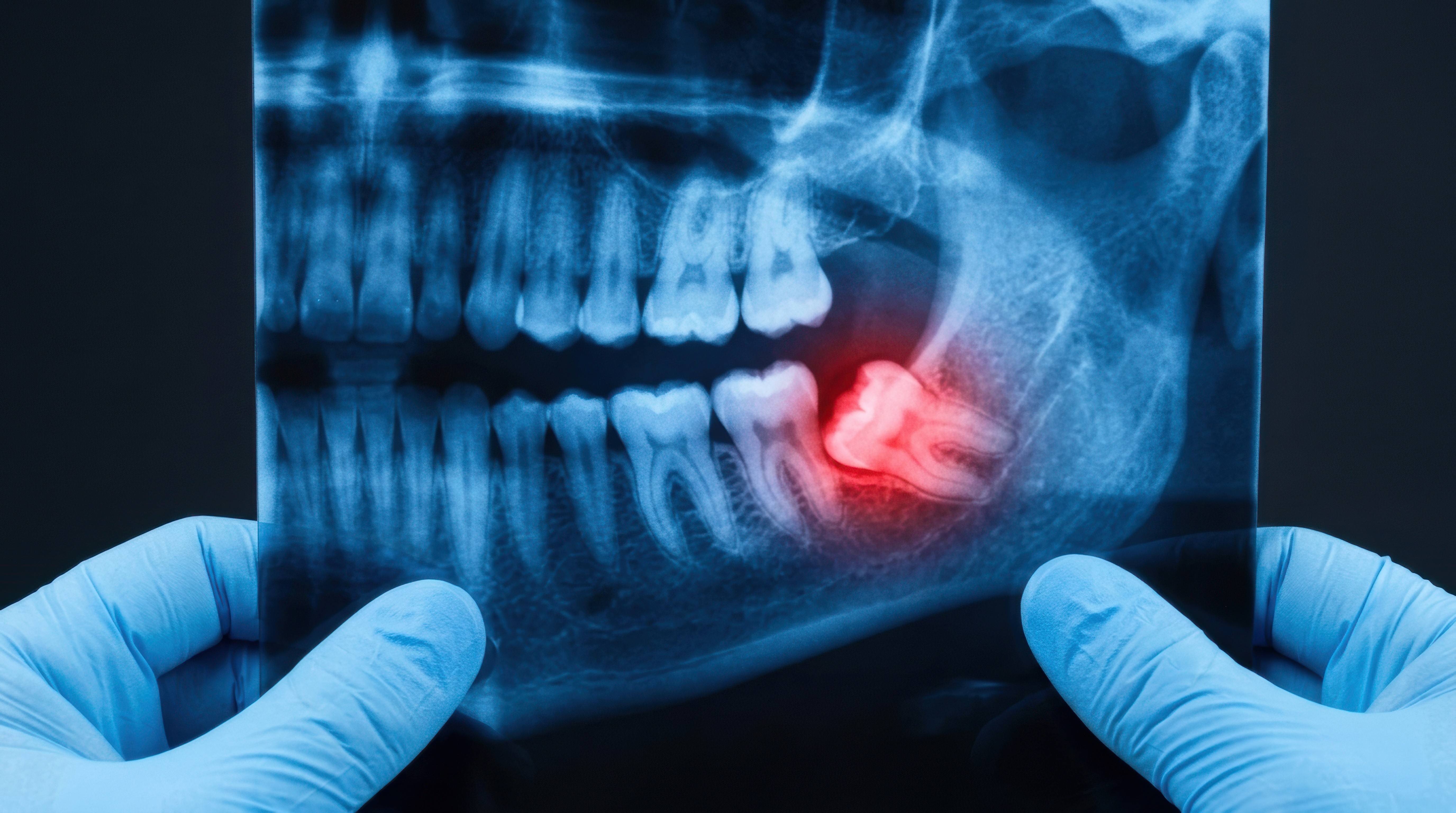
Discover in which situations the wisdom tooth can be kept without risk and when it should be evaluated by a specialist.
Wisdom tooth extraction is one of the most common interventions in Dentistry, but it continues to raise many doubts among patients. For many years, preventive removal was viewed as an almost automatic practice. However, the most recent scientific evidence and the evolution of clinical diagnosis show that not everyone needs them removed. In certain cases, they can be safely kept, provided there is adequate monitoring.
In this article, we explain when the wisdom tooth does not pose a risk to oral health, in which situations it should be removed, and why individualised assessment is essential.
What is a wisdom tooth?
The wisdom tooth, also known as the third molar, is the last tooth to emerge in the dental arch. Usually, it erupts between late adolescence and early adulthood. Most people can develop up to four wisdom teeth, two upper and two lower, although there are variations from person to person.
The main reason it is often associated with problems relates to the evolution of the human facial structure. Currently, many dental arches do not have enough space to accommodate these teeth, which can lead to incomplete eruptions, misalignment, or impaction (teeth that do not actually emerge).
Why it is not always necessary to remove wisdom teeth
Despite their bad reputation, wisdom teeth are not, in themselves, a problem. When they erupt correctly and integrate functionally into the dental arch, they can play the same role as any other molar.
When the wisdom tooth erupts correctly
It can be kept when:
It erupts fully;
It is well aligned;
It does not interfere with the bite;
It does not cause pain or discomfort.
In these cases, they can remain in the mouth throughout life without causing complications.
When there is sufficient space in the dental arch
The existence of adequate space is a determining factor. When the dental arch is able to accommodate the wisdom tooth without crowding adjacent teeth, the risk of problems decreases significantly. Assessment through radiographic examinations is fundamental to confirm this condition.
In which situations it can be kept without risk
Good oral hygiene and ease of cleaning
One of the most important criteria for keeping a wisdom tooth is the ability to clean it properly. If the tooth is accessible for brushing and flossing, the risk of cavities and gum inflammation is reduced.
Absence of pain, infection or inflammation
An asymptomatic wisdom tooth, which does not cause pain, swelling or recurring infections, can be kept without the need for immediate intervention. However, this does not eliminate the need for regular clinical monitoring.
Regular monitoring by the dentist
Even when there are no symptoms, there should be monitoring over time. Periodic appointments and imaging exams allow any changes to be identified early and intervention to take place before complications arise.
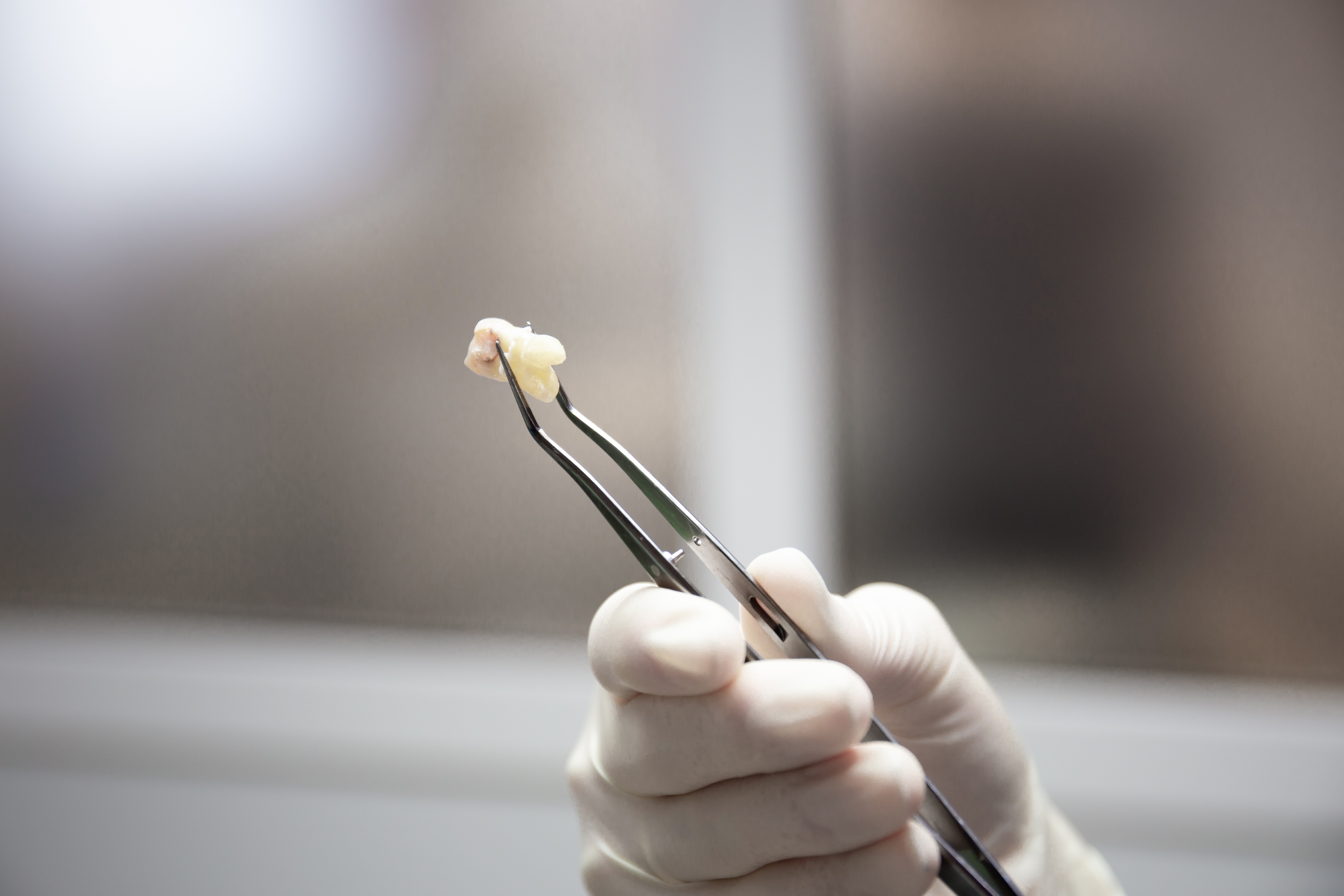
When wisdom tooth removal should be considered
Although many wisdom teeth can be kept, there are situations where extraction is the most recommended or safest option.
Impacted or semi-impacted wisdom tooth
An impacted wisdom tooth is one that cannot erupt fully, remaining partially or totally inside the bone or covered by the gum. This condition increases the risk of infection, inflammation, and pain, and its removal is frequently indicated.
Frequent pain, infections, or gum inflammation
The occurrence of repeated episodes of pain or inflammation, such as pericoronitis, is a warning sign. In these cases, extraction can prevent more serious and recurrent infections.
Risk to adjacent teeth
A poorly positioned wisdom tooth can make cleaning the second molar difficult, promoting the appearance of cavities, periodontal disease, or even root resorption. When there is a risk to "neighbouring" teeth, removal should be considered.
Clinical evaluation: because each case is unique
There is no universal rule regarding wisdom teeth. The decision to remove or keep must always be individualised and based on a detailed clinical evaluation.
This evaluation includes clinical examination, imaging exams, and the analysis of the patient's history. The modern approach in Dentistry privileges informed decisions, avoiding unnecessary extractions and valuing prevention and specialised follow-up.
It is also important to note that not everyone develops all four wisdom teeth and that, in many cases, these teeth never actually erupt. These factors reinforce the importance of a personalised evaluation.
Frequently Asked Questions
The wisdom tooth is not, by definition, a problem that requires immediate extraction. In many cases, it can be safely kept, provided there is enough space in the dental arch, good oral hygiene and proper clinical follow-up. The decision must always be individualised and based on a specialist evaluation.
Opting for a preventive, informed approach based on scientific evidence is the best way to protect long-term oral health and avoid unnecessary treatments.