Be aware of the signs of bruxism and learn how to treat it
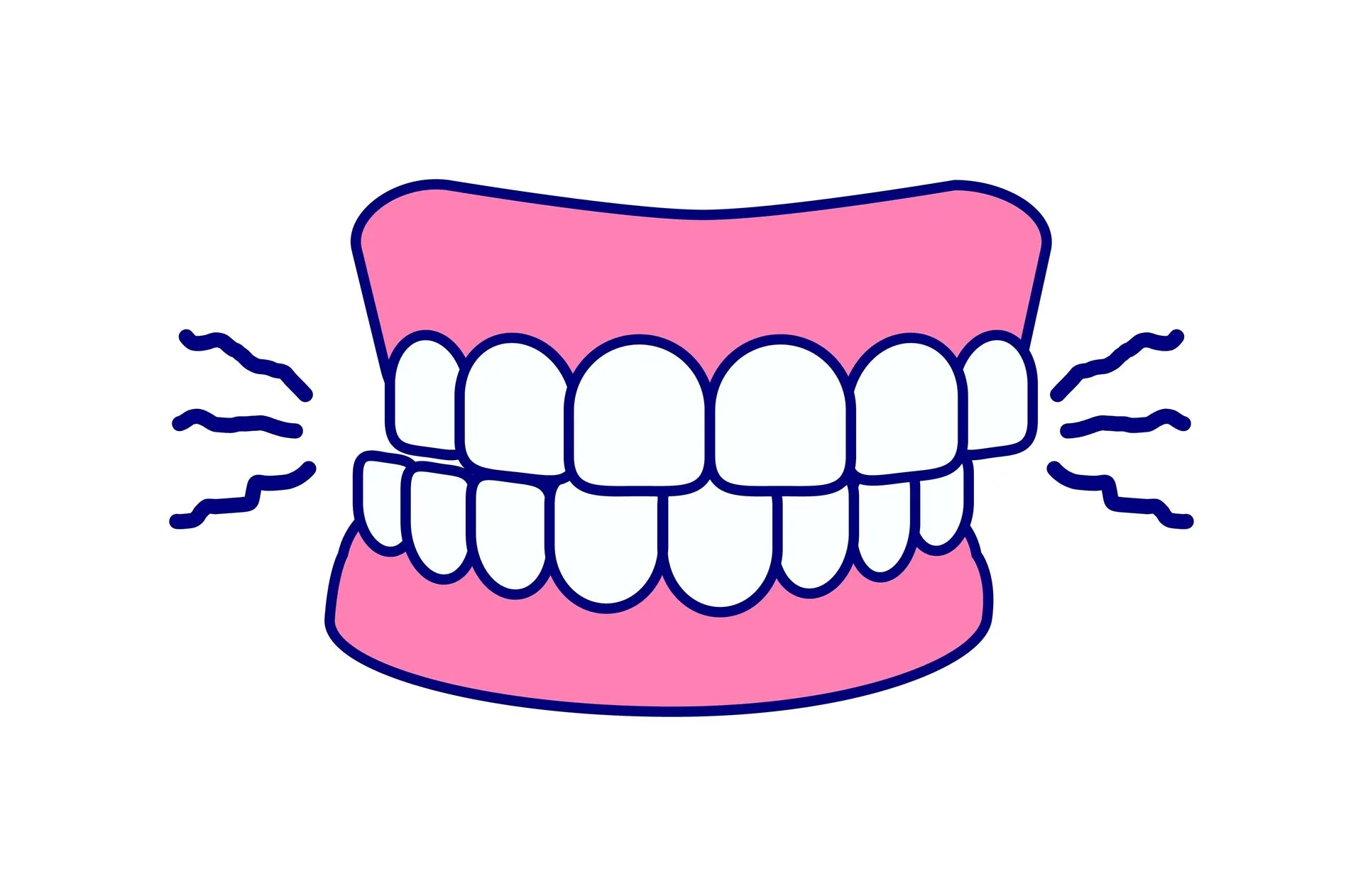
Bruxism is a disorder in which the patient grinds or clenches their teeth repeatedly and involuntarily. By applying excessive and repetitive force on various structures of the face, patients with this condition may develop other problems, including tooth wear that affects their integrity and compromises oral health. This type of involuntary behavior can occur during the day or at night, with the latter happening during sleep. It is estimated that around 30% of the global population is affected by this condition.
What are the main signs and symptoms of bruxism?
Grinding or clenching the teeth, sometimes noisily;
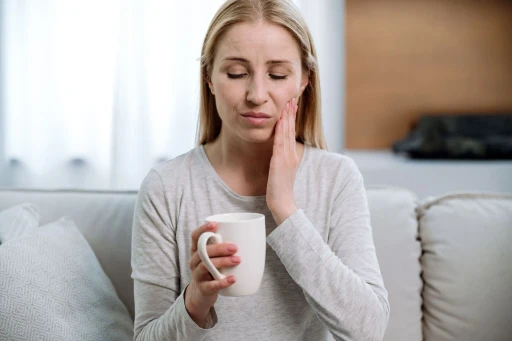
Pain and/or tension in the facial area;
Headaches, especially upon waking;
Ear pain and/or ringing;
Pain or sensitivity in the area of the temporomandibular joint (TMJ);
Excessive wear of the teeth, which can lead to dental sensitivity and fractures affecting aesthetic, chewing, and phonetic functions;
Difficulty or inability to fully open or close the mouth, worsening during chewing;
Swelling and pain when palpating the chewing muscles and the TMJ;
Popping or other joint noises in the TMJ;
Non-restorative sleep with a high number of nighttime awakenings;
And what are the main causes?
Bruxism is a multifactorial condition whose causes are difficult to isolate and can vary from person to person. Some of the most common causes include:
Stress and anxiety: The central nervous system plays a predominant role in bruxism. It is often associated with states of depression, emotional stress, anxiety, frustration, or tension. People facing these situations in their daily lives have a higher propensity to grind or clench their teeth, leading to the other consequences already described.
Sleep problems: Sleep disorders, such as sleep apnea and insomnia, are often associated with bruxism.
Poor occlusal relationship: A bad dental occlusion, which is how the upper and lower jaws and teeth relate to each other, is, for some authors, a likely cause of bruxism. Although not consensual, it is safe to say that poor dental occlusion can worsen the negative consequences that bruxism brings to the teeth and TMJ.
Consumption of stimulating substances: Excessive consumption of alcohol, caffeine, medications, and narcotics with a stimulating effect on the central nervous system.
Risks of bruxism
Bruxism can have several consequences and risks for oral and general health:
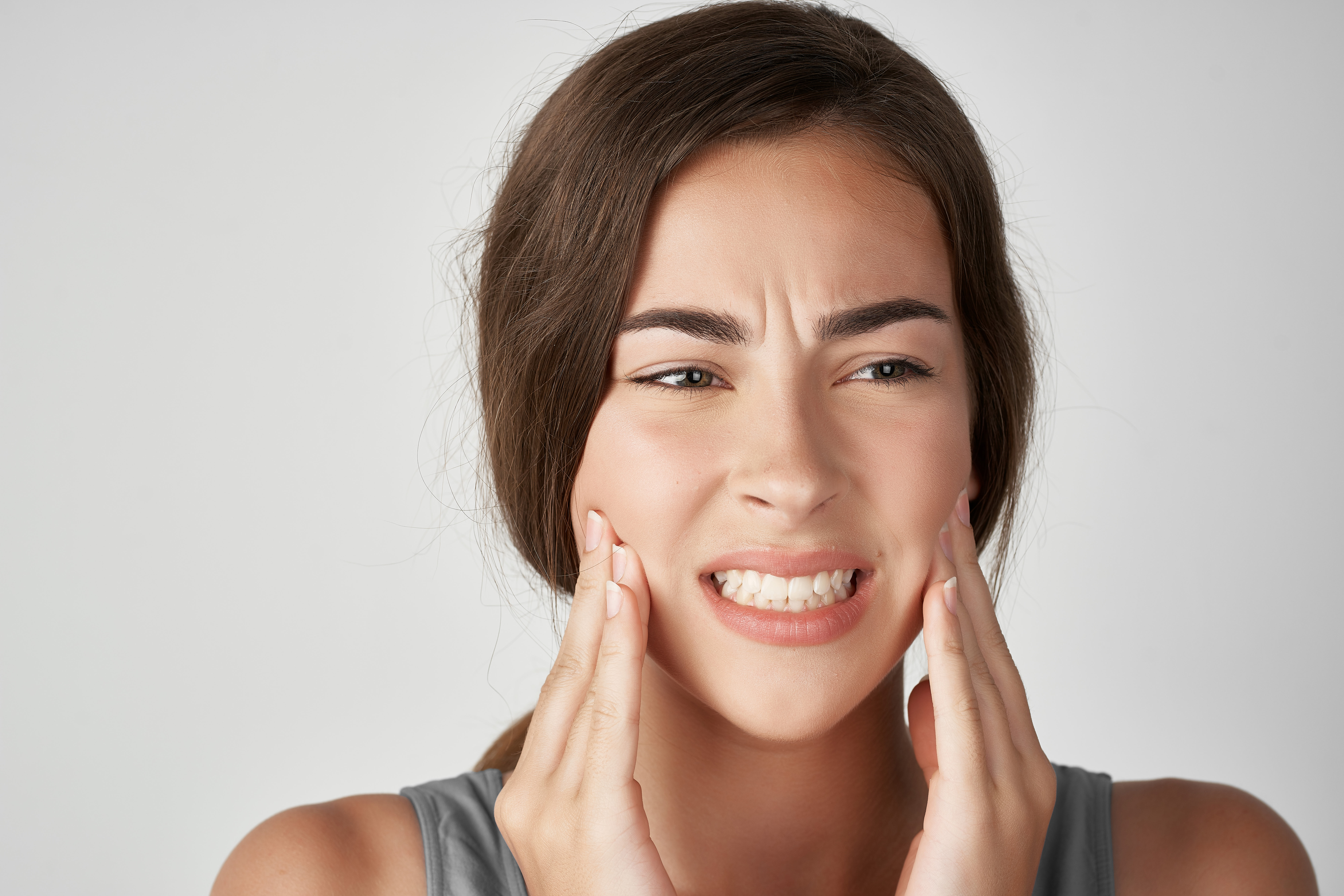
Temporomandibular joint (TMJ) problems: Bruxism can lead to disorders in the temporomandibular joint, resulting in symptoms such as difficulty opening or closing the mouth, jaw clicks, and pain in the joint area. The chronicity of these signs, combined with the overload caused by teeth grinding, can exceed the joint's resistance capacity and initiate degenerative and debilitating processes.
Dental problems: As a consequence of premature tooth wear, teeth lose their natural strength, leading to increased dental sensitivity and fractures, sometimes irreversible, possibly resulting in tooth loss. The destruction of dental anatomy and loss of some teeth compromise the chewing and phonetic efficiency of patients. Aesthetic damage: The dental wear caused by bruxism can affect the aesthetics of the smile, resulting in worn, irregular, and shorter teeth. It can also cause facial changes, leading to a square, aged, or even asymmetrical appearance of the face.
Aesthetic damage: The dental wear caused by bruxism can affect the aesthetics of the smile, resulting in worn, irregular, and shorter teeth. It can also cause facial changes, leading to a square, aged, or even asymmetrical appearance of the face.
Treatment
The definitive treatment of bruxism is often complex to achieve, always depending on the severity of the symptoms and underlying causes. Some common approaches to treat or control the consequences of bruxism include:
Muscle-relaxing splints: These are removable, temporary devices made by the dentist from molds of the patient's mouth, designed to fit onto the upper or lower teeth. Their purpose is to establish an ideal close relationship between the upper and lower teeth and to lengthen some chewing muscles. They thus reduce the friction between the teeth and consequent muscular effort, protecting the teeth from dental wear and the muscles and joint from the overload existing during teeth grinding.
Relaxation therapies: Relaxation techniques such as meditation, deep breathing, and muscle stretching exercises can help reduce stress and muscle tension associated with bruxism.
Lifestyle modifications: Reducing stress and anxiety through sports, relaxation therapies, or even psychotherapy is essential. The patient should become aware of the consequences of bruxism and understand their role in controlling teeth grinding, especially during the day. They should create routine moments of pause and relaxation to check if they are making contact between their teeth, interrupting it immediately. There are mobile applications that issue reminders at defined intervals for the patient to separate their teeth. Reducing or eliminating the consumption of alcohol, caffeine, or stimulating substances can also help treat bruxism.
Sleep hygiene: Establish a regular sleep routine and create a conducive environment for the body's and mind's rest. Stimulants such as electronic devices or heavy meals, alcohol, and caffeine should be avoided before sleeping. A calm and dark environment should be ensured in the bedroom, with sufficient and routine rest periods.
Medication: In some acute cases, and temporarily, anti-inflammatory medications or muscle relaxants may be prescribed for relief of pain, muscle tension, and inflammatory processes. However, the use of medications should always be closely monitored by a doctor to avoid the risk of additional problems.
Physiotherapy: In cases where muscular and joint symptoms are already observed, physiotherapy is a strong ally. It can be quite effective in reducing/eliminating pain and improving jaw mobility.
Botulinum toxin: In severe situations, where muscle pain is debilitating and/or relevant facial asymmetries exist, the application of botulinum toxin to the affected muscles inhibits the contraction of muscle fibers, thereby reducing the muscular load exerted by the patient. It is therefore very effective in relieving symptoms and reducing possible consequences of bruxism.