Learn the importance of dental cleaning and regular Oral Hygiene appointments, and the risks of delaying this care.
Professional dental cleaning remains one of the most important oral healthcare steps to prevent gum problems, carious lesions, and other complications that can compromise both oral and overall health.
Although many people only seek this regular support when they feel discomfort or notice visible signs of tartar, the reality is that delaying an oral hygiene appointment for too long can have significant consequences.
More than just an aesthetic issue, professional dental cleaning plays a key role in the prevention and early detection of oral diseases and problems.
What, after all, is a dental cleaning?
Although the term "dental cleaning" is the most common among patients, the clinically correct term is an oral hygiene appointment.
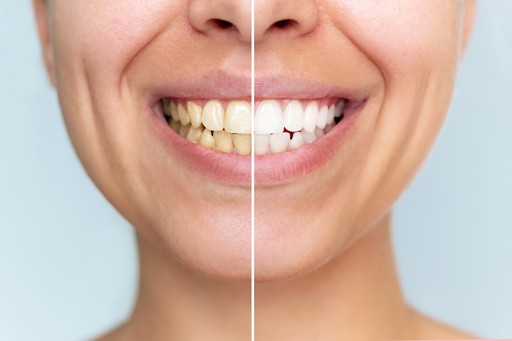
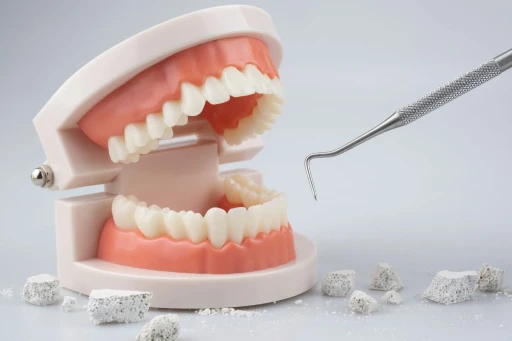
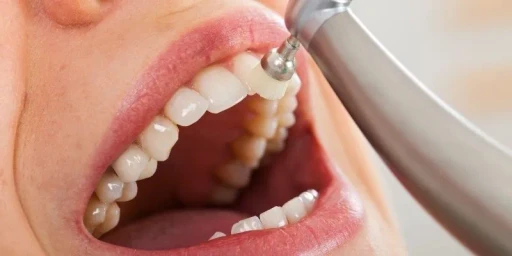
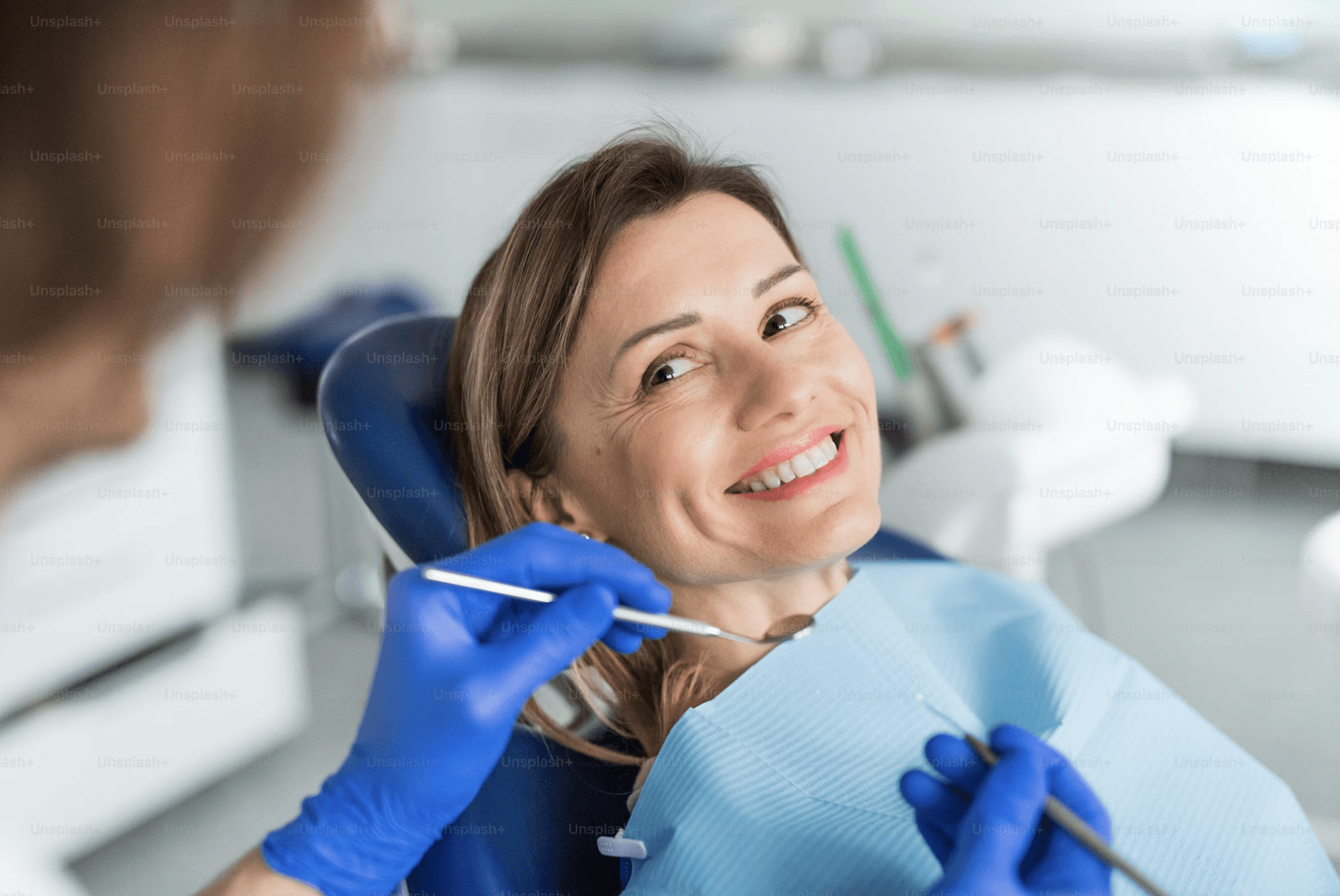
During this appointment, the oral hygienist or dentist mechanically removes, using appropriate techniques, bacterial plaque, accumulated tartar, and superficial stains that cannot be eliminated by daily brushing alone.
In addition to the actual cleaning, scaling, this appointment often also includes a gum assessment, personalised advice on good oral hygiene practices, and the early identification of signs of oral disease.
Why is it important not to postpone your oral hygiene appointment?
The accumulation of bacterial plaque is continuous. When not removed correctly, over time it mineralises and turns into tartar, which adheres to the tooth surface and promotes gum inflammation.
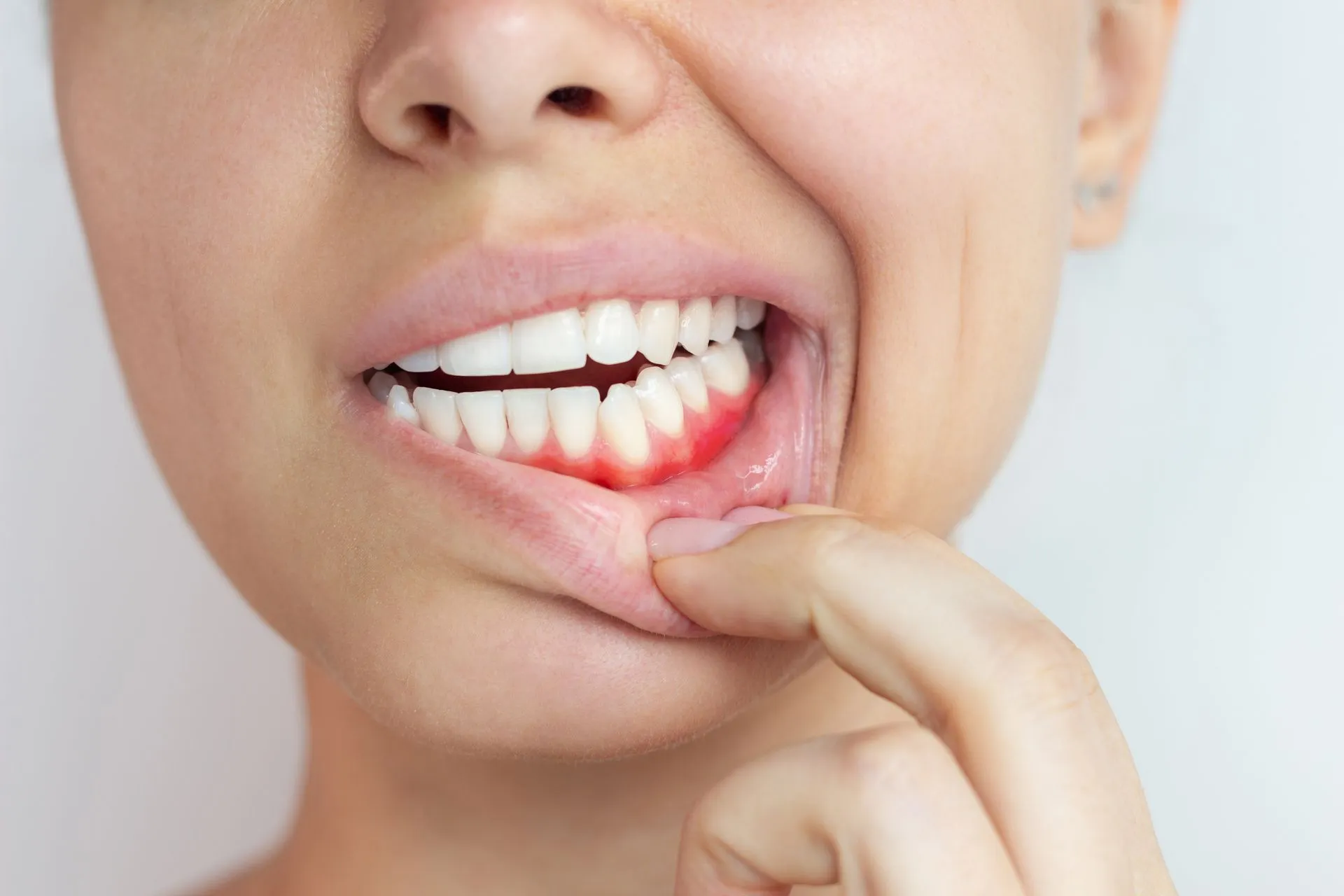
In an initial stage, this inflammation manifests itself through red, swollen or bleeding gums during brushing. This is gingivitis, a reversible condition when treated in a timely manner.
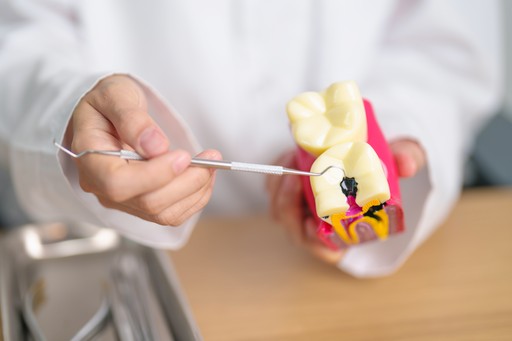
However, when inflammation progresses, it can evolve into periodontal disease, affecting the tissues and bone that support the teeth.
Scientific studies show that periodontal disease remains one of the main causes of tooth loss in adults.
In addition, oral health is increasingly linked to systemic health. Periodontal inflammation has been linked to cardiovascular diseases, diabetes and complications in pregnancy and childbirth.
How often should you have a dental cleaning?
The ideal frequency of a dental cleaning varies from person to person.
In most cases, an oral hygiene appointment is recommended every 6 months. However, patients with periodontal disease, dental implants, orthodontic braces or a greater predisposition to tartar accumulation or with a high risk of tooth decay, may require more frequent follow-ups.
The maintenance plan must always be adapted to the clinical needs of each patient.
What are the signs that you should not delay dental cleaning?
There are signs that warrant an immediate Oral Hygiene Appointment:
- Visible accumulation of tartar
- Bleeding gums
- Persistent bad breath
- Feeling of rough teeth
- Inflamed gums
- Tooth sensitivity
Often, these symptoms are undervalued, but they can indicate gum inflammation or developing periodontal disease.
The sooner these issues are identified and treated, the simpler the treatment will be.
Does dental cleaning weaken teeth?
This remains one of the most common myths.
Professional dental cleaning does not weaken teeth or "wear down" tooth enamel when performed correctly.
In fact, by removing tartar and plaque, it helps to preserve the health of teeth and gums.
Some patients may experience slight temporary sensitivity after the appointment, especially when there is significant tartar accumulation, but this discomfort tends to disappear quickly.
At MALO CLINIC we use the GBT protocol – Guided Biofilm Therapy, a modern, minimally invasive approach that allows for the elimination of dental plaque, tartar and superficial stains with high comfort, even in patients with tooth sensitivity.
The impact of oral hygiene on the longevity of dental treatments
Regular maintenance plays an equally important role in patients with dental implants, fixed prostheses,veneers or other rehabilitative treatments.
For example, the accumulation of plaque around implants can cause peri-implantitis, an inflammation that compromises the supporting tissues and can jeopardise the longevity of the treatment.
Therefore, the oral hygiene appointment is also essential to protect the investment made in the health and aesthetics of your smile.
Curiously, many problems identified in routine appointments are relatively silent and don't cause pain in the initial phase, which reinforces the importance of prevention.
How to maintain better results between appointments?
Regular oral hygiene appointments do not replace daily care at home.
Some fundamental recommendations include:
- Brush teeth at least twice a day
- Use dental floss or interdental brushes daily
- Limit sugar consumption
- Avoid tobacco
Small, consistent habits make a significant difference in long-term oral health.
Frequently Asked Questions
Dental cleaning, or an oral hygiene appointment, remains one of the fundamental pillars of prevention in Dentistry.
Delaying this care for too long can allow the silent progression of gum diseases and compromise not only oral health, but also dental treatments already performed.
With regular monitoring, early diagnosis and proper care, it is possible to maintain healthy teeth and gums for many years.