
Toothache that comes and goes: is it normal?
Find out what could be causing the toothache and when you should seek an oral health professional
Toothache is one of the main reasons that lead patients to seek oral health care. When it arises persistently, it tends to prompt an immediate consultation; however, when it comes and goes - known as intermittent pain - patients tend to downplay the issue.
Although it may seem less worrying, a toothache that comes and goes should not be ignored. In most cases, it is a warning sign and the toothache can worsen if it is not diagnosed in time
In this article, we explain the main causes, when you should seek medical help and how prevention can avoid more invasive treatments.
Intermittent toothache: what does it mean?
Intermittent toothache occurs when there is a stimulus that triggers pain or discomfort - such as cold, heat or pressure, but which disappears after a few seconds.
This pattern may be indicative of an early stage of a dental problem which, in many cases, can be reversible or treated in a minimally invasive way. However, without early diagnosis and intervention, there is a high probability of progression to more complex problems.
What are the most common causes of toothache?
Toothache can have multiple causes, from simple changes to more complex situations. Identifying the cause is essential to define the appropriate treatment.
Tooth sensitivity
Tooth sensitivity is defined as a sharp, brief and well-localised pain, triggered by external stimuli.
The most frontally associated stimuli include:
Cold or hot food and drinks;
Sweet or acidic foods;
Tooth brushing;
Tactile contact with dental instruments;
Exposure to cold air
Tooth sensitivity occurs when dentine (the middle layer of the tooth), becomes exposed. The exposure of dentine can be caused by enamel wear (the outer layer of the tooth) or gum recession. Although tooth sensitivity is often benign, it can affect quality of life and require specific treatment.
Tooth decay in an early stage
Untreated tooth decay is currently the most prevalent health condition worldwide, affecting billions of people. One of the reasons for its high prevalence is the fact that it can remain asymptomatic or manifest only subtle signs in its early stages, which often delays diagnosis and subsequent treatment.
The first signs often appear in the form of occasional tooth sensitivity, especially to cold and/or sweet foods. At this stage, intervention is generally simple and conservative. However, without early diagnosis and intervention, the decay progresses to deeper layers of the tooth.
Inflammation of the dental pulp
When decay progresses, it can reach the tooth nerve - called the pulp, causing more intense and intermittent episodes of toothache. Over time, this pain tends to become continuous and throbbing, and can progress to an infection if not treated promptly.
Gum problems
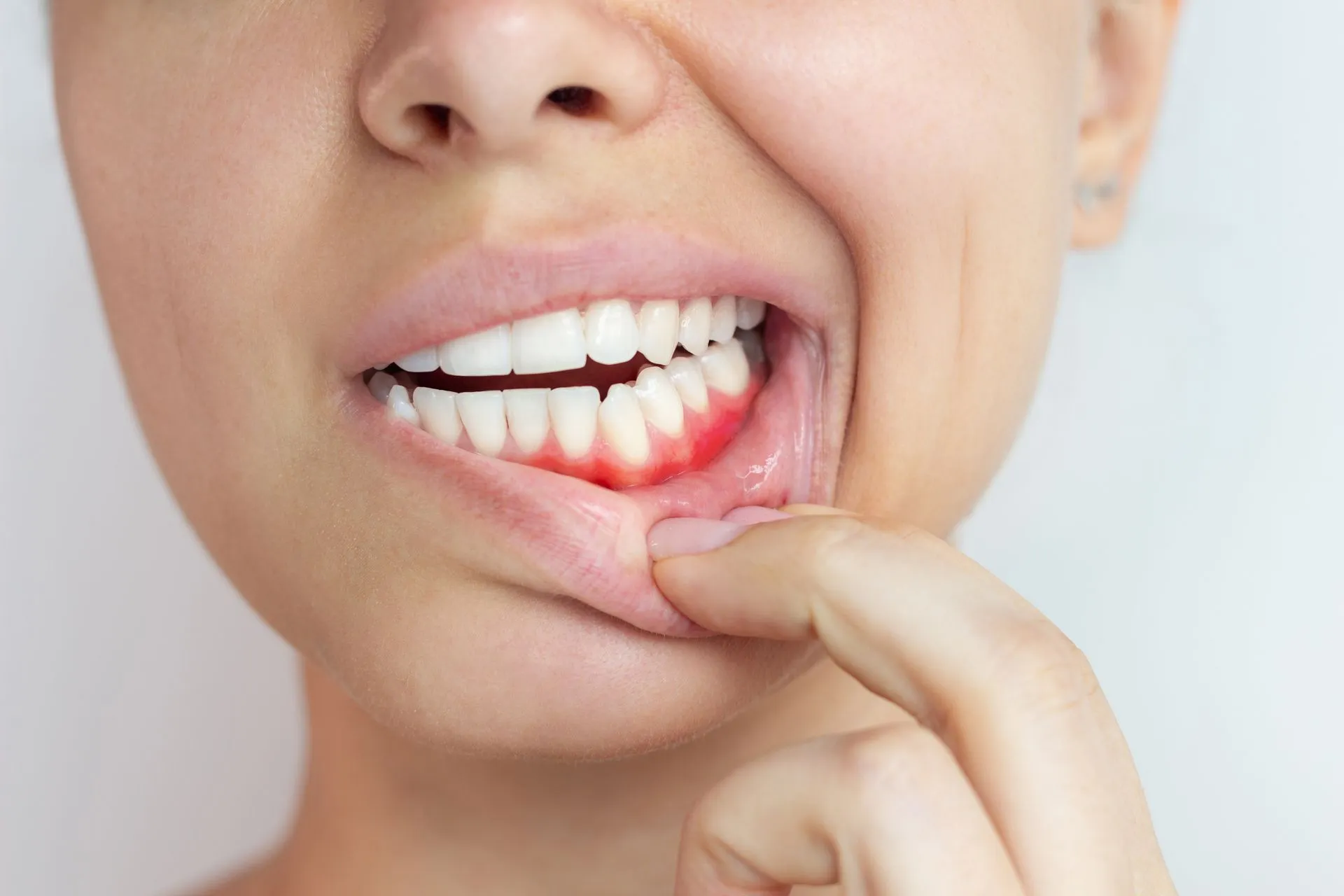
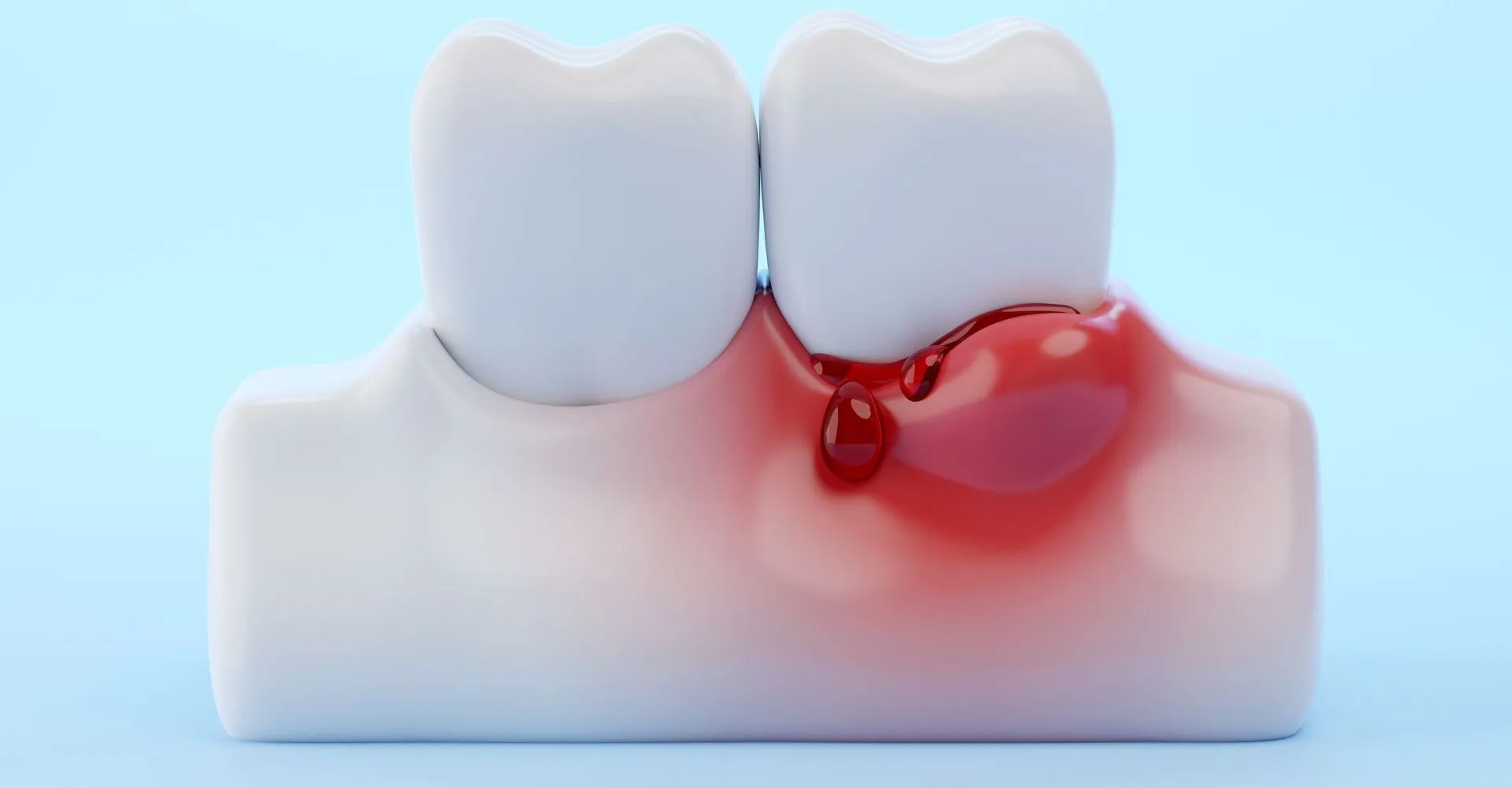
Gum inflammation can cause localised discomfort that varies over time. In these cases, the pain may not be constant, but is associated with an inflammatory process that should be monitored by an oral health professional.
Bruxism or overload
The habit of grinding or clenching teeth can cause muscular and dental pain that appears mainly at certain times of the day, such as when waking up.
Excessive tension on the teeth can cause gradual wear of the enamel, especially near the gumline - called the tooth neck.
When this happens, the dentine (the middle layer of the tooth) becomes more exposed and becomes more sensitive to everyday stimuli.
Cracks or tooth fractures
Small cracks in the tooth or even in its root can cause occasional pain when chewing, often difficult or even impossible to identify without clinical evaluation and dental X-rays.

Pain that comes and goes: when should you worry?
Any recurring toothache, even if intermittent, must be clinically evaluated. It is especially important to seek help from an oral health professional when:
The pain increases in intensity;
It changes from intermittent to constant;
It occurs spontaneously;
It is associated with swelling or sensitivity to touch.
The importance of early diagnosis
Many dental problems progress silently. Intermittent pain is often one of the first warning signs, appearing before more serious symptoms. The great advantage of identifying the cause of a toothache as early as possible lies in the possibility of carrying out less invasive and more conservative treatments.
For a better understanding of the relevance of early diagnosis, consider the following clinical situations:
Situation 1: A cavity diagnosed in good time can be resolved through a simple and minimally invasive restoration, avoiding the need for a root canal treatment - a treatment that is, inevitably, more complex, invasive and expensive.
Situation 2: Mild gum inflammation can be easily controlled with an oral hygiene appointment, preventing progression to periodontitis, a condition characterised by the loss of bone and gum tissue support, which may, in more advanced stages, compromise the stability and longevity of the tooth.
The role of prevention
Prevention is one of the fundamental pillars of modern dentistry.
Regular clinical follow-up allows changes to be identified at an early stage, before they develop into more complex situations. Many of the conditions responsible for pain, discomfort and more invasive treatments could be prevented or addressed in good time through appropriate clinical follow-up.
Essential care for promotion of good oral health:
The adoption of a complete oral hygiene routine adjusted to individual needs;
Attending periodic oral hygiene appointments, at least every 6 months;
Adequate hydration for the body's needs, combined with a varied and balanced diet.
And what if it is not possible to save the tooth?
Although dentistry currently has increasingly effective solutions, there are cases where saving the tooth is not possible.
In these cases, oral rehabilitation allows restoring the function and aesthetics of the smile. Today, dental implants are the solution closest to natural teeth, allowing lost teeth to be replaced in a stable and long-lasting way, whether replacing a single tooth or several teeth through bridges or implant-supported dentures.