
What are dental implants for?
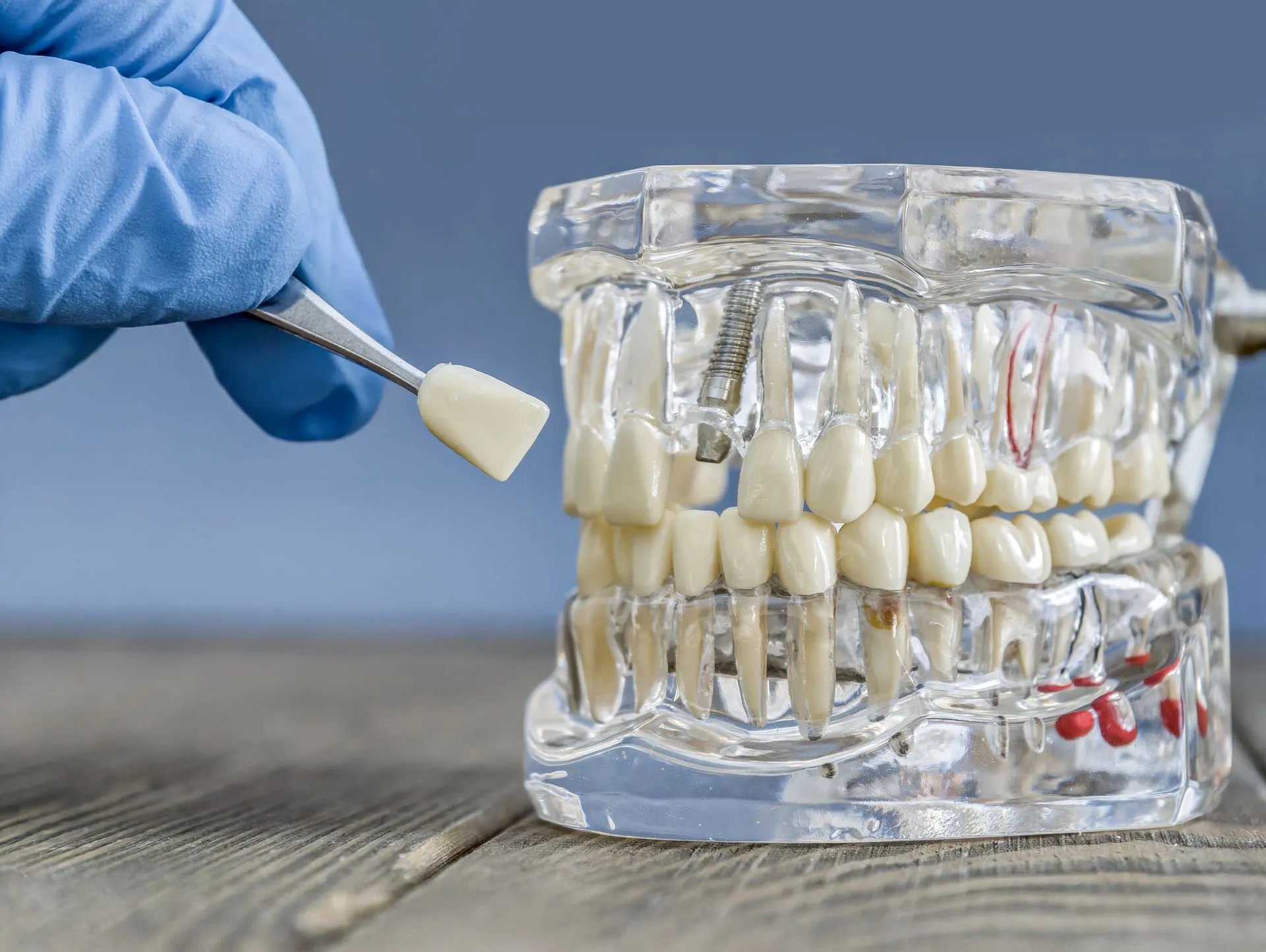
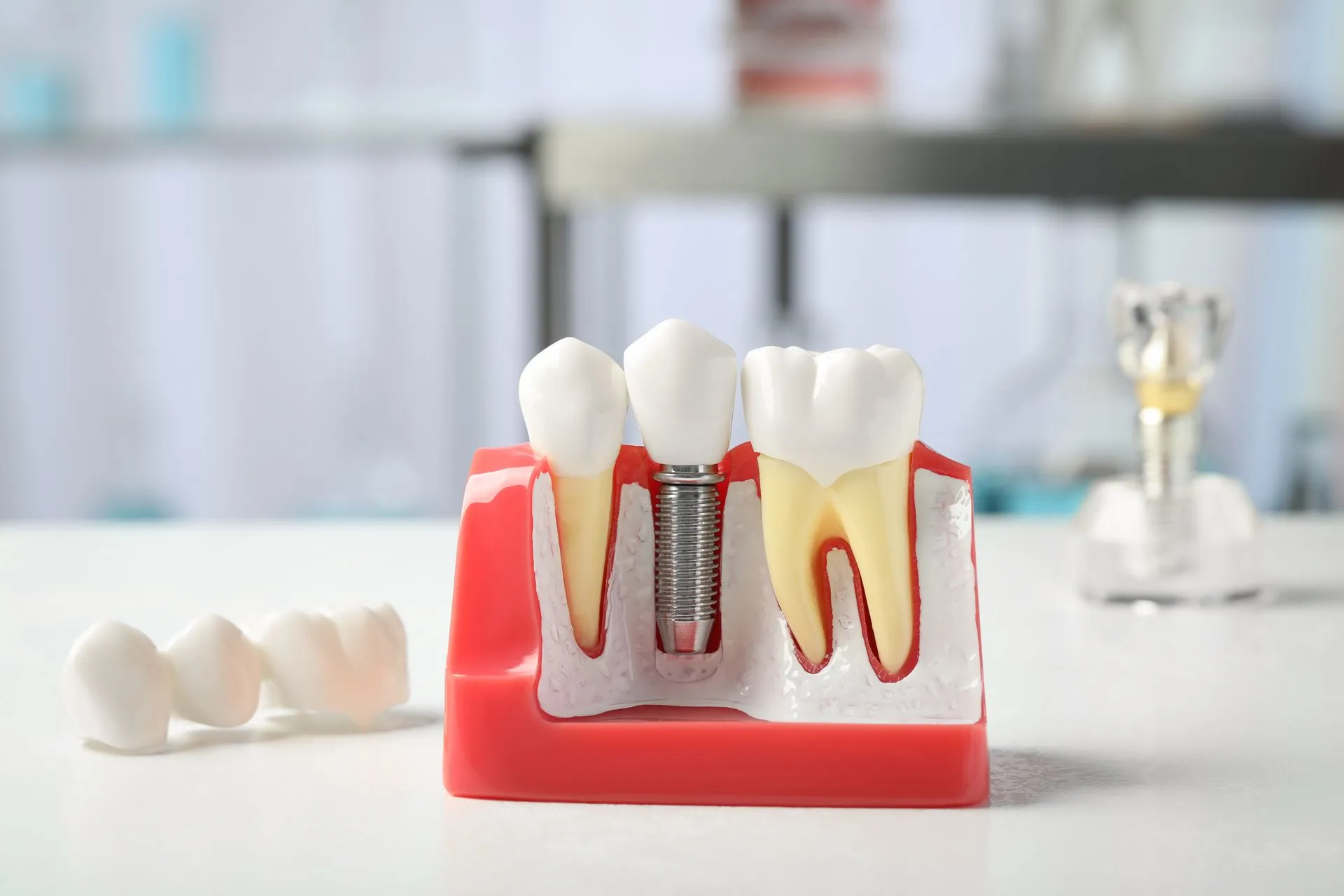
Dental implants are a surgical component that replaces the root of the teeth and can be placed in the upper or lower jawbone to fill the gap from one or more missing teeth. The implants are placed to support dental prostheses, which function and appear as natural teeth. Dental implants thus become an anchor so that the prosthesis has enough strength to perform all its functions – chewing, phonetics, and aesthetics – safely and with a high success rate, entirely replacing the lost teeth.
Dental implants therefore emerge as a solution for tooth loss, which can be caused by tooth decay, gum diseases, and dental trauma, among other less common causes. Replacing missing teeth is extremely important since, when a tooth is lost, the surrounding teeth tend to shift into the free space left, causing imbalances in the dental arches that can lead to serious problems in the jaw joint and even more tooth loss.
How does oral implantology work?
Dental implantology is a constantly evolving field that has been developing a wide variety of solutions to replace missing teeth, with treatments tailored to each patient. This process can essentially be divided into three stages:
Surgery: It involves the placement of the implant or implants, which function as a type of screw made of titanium and are inserted into the jawbone where the tooth root was implanted.
Insertion of the abutment: Subsequently, the abutment is inserted, which connects the implant to the fixed prosthesis that is placed to replace the missing tooth/teeth.
Placement of the prosthesis: Finally, the constructed prosthesis is placed, corresponding to the shade and contour of the natural teeth.
Before placing dental implants, it is necessary to conduct a radiographic study to ensure that the dental implants are introduced in areas with sufficient and healthy bone.
This entire surgical procedure of implantology is a solution that has significantly improved the quality of rehabilitation in cases of tooth loss, potentially lasting a lifetime.

Recommended Types of Dental Implants
The implantology solution must be suitable for each patient, taking into account the number of teeth to be replaced. Each case is unique, and therefore the type of treatment should always be advised by the specialist doctor. But what are the best implantology solutions for each case?
If there is only one missing tooth, a single dental implant is generally recommended, whether the tooth is visible or not. The single dental implant serves as a support for placing a crown that will replace the natural tooth, both functionally and aesthetically. The crown is made to match the shade and contour of the natural teeth, so that it cannot be distinguished from the other teeth.
If the patient has several missing teeth, the ideal solution to replace them involves a bridge supported by dental implants. This type of solution allows for the placement of several teeth at the same time, using the dental implants as support pillars. In addition to allowing for the total rehabilitation of lost teeth, this solution also prevents bone loss.
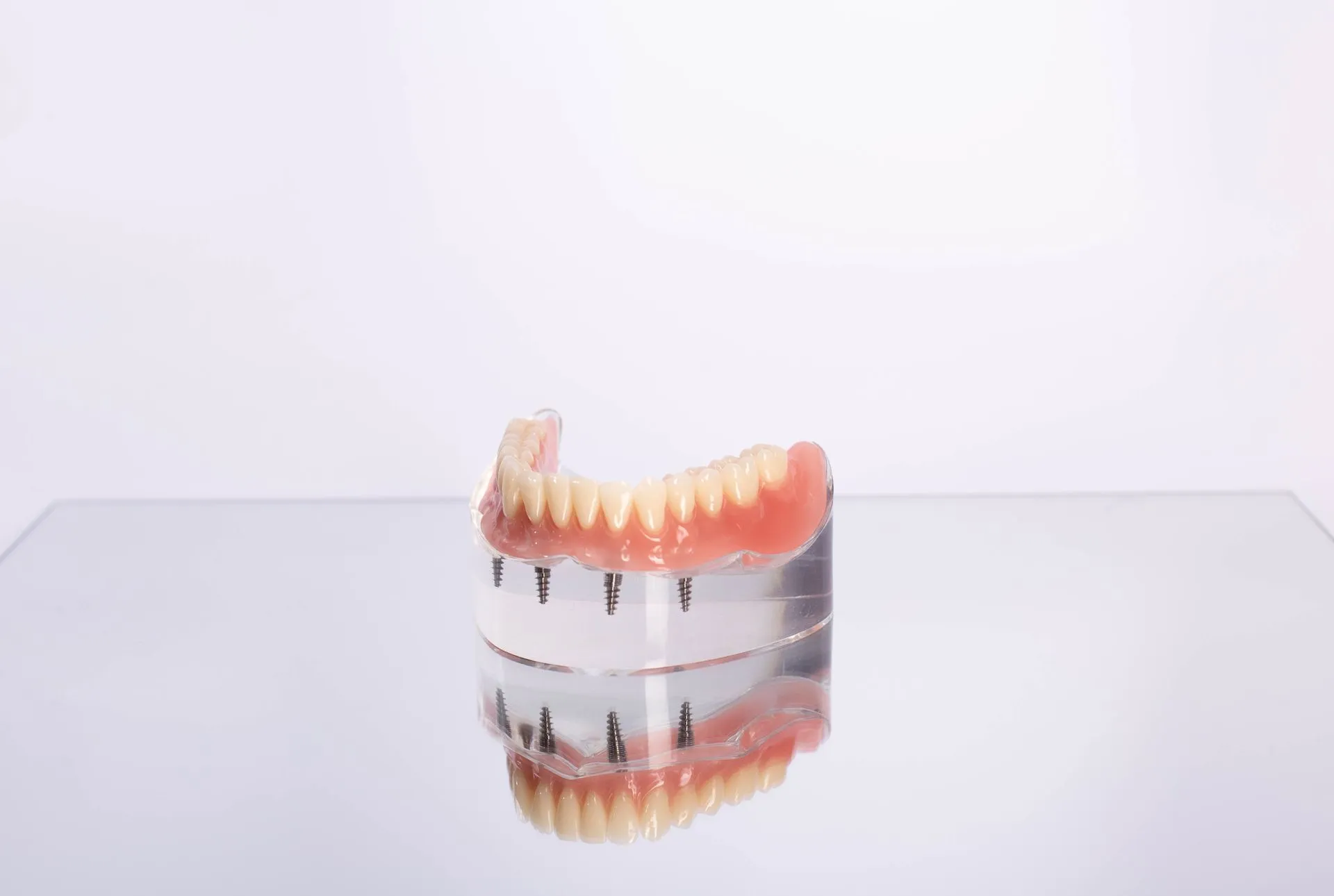
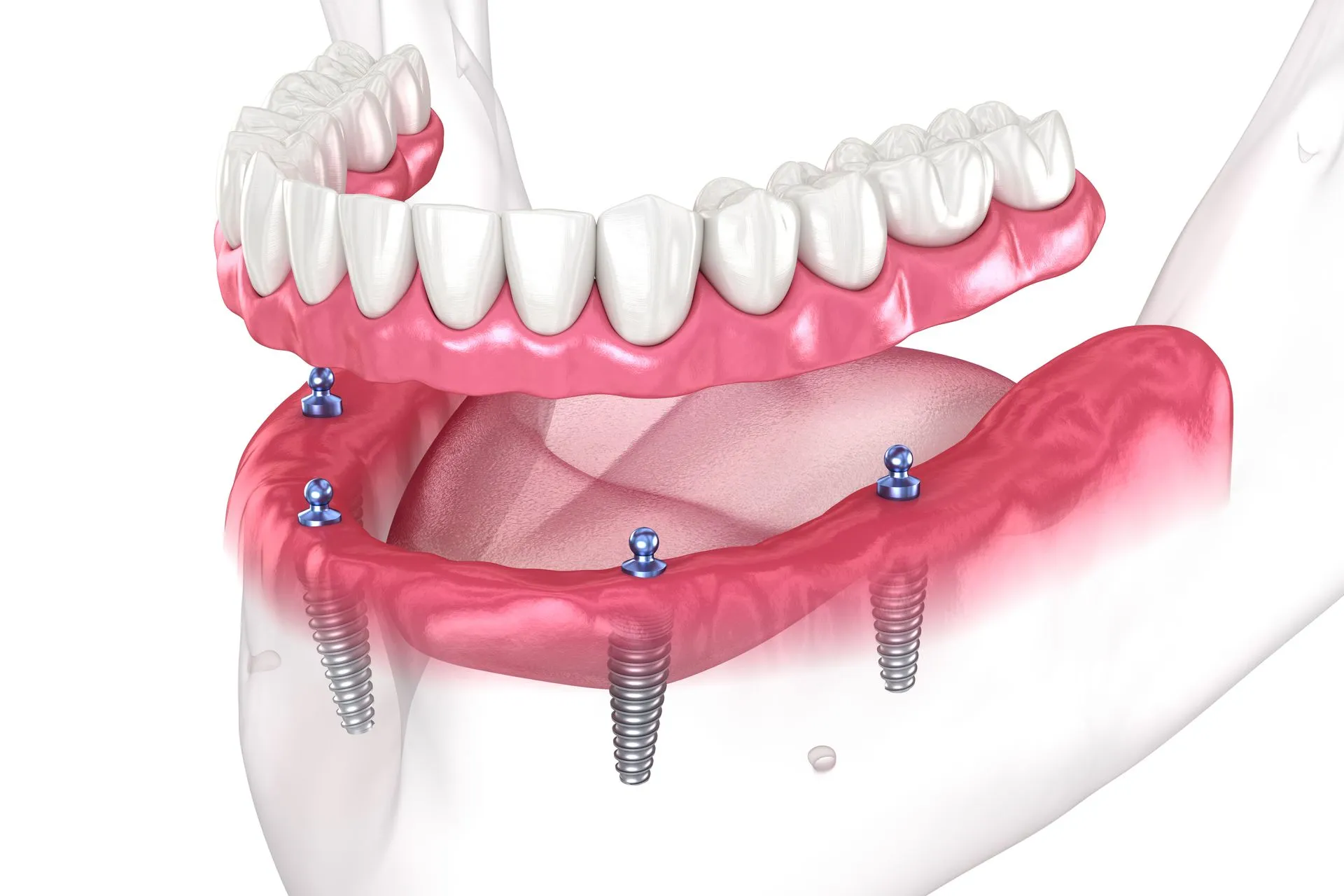
In cases where there is a total absence of dentition, the most recommended treatment is the All-on-4, which consists of placing only 4 titanium dental implants in each jaw that will support all the teeth. This is a quick and minimally invasive procedure that allows for the rehabilitation of completely edentulous individuals in just one day. In addition to aesthetic effects, the All-on-4 stabilizes bone loss, contributing to the preservation of oral health.
Surgery and Post-Operative Care for Dental Implant Placement
The surgical procedure for placing dental implants is quite simple and quick, lasting about 15 minutes for single implant insertion, and one to two hours for All-on-4 protocols. This is a painless process, as the patient is always anesthetized, and recovery is quick and without complications.
In the days following the procedure, the application of ice at the intervention site is recommended, and the patient must follow the medication prescribed by the doctor.
One week later, the patient should return to the clinic for the removal of surgical stitches.
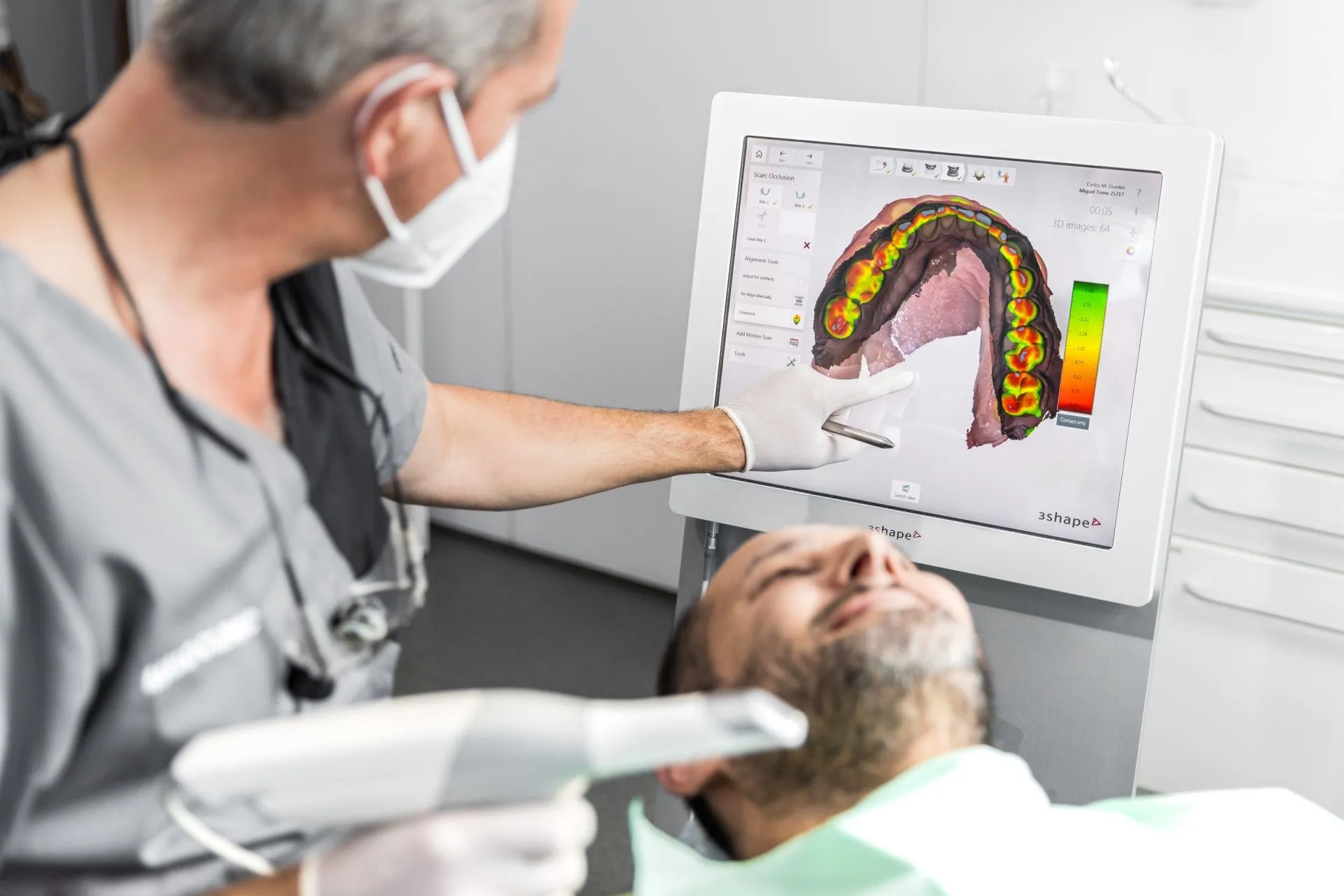
Four months later the patient begins the process of producing the new artificial (permanent) tooth. Molds of the dentition are made to analyze the aesthetics and shape of the tooth, a process that can take about 5 days to a week.
After this period, the fixed prosthesis is placed and the patient will have the missing tooth replaced.
In All-on-4 treatments, the placement of the prosthesis is done on the same day as the implant surgery, allowing the patient to leave the clinic on the same day with the new fixed and complete dentition, being able to chew, smile, and speak without restrictions. Patients are provided with some guidelines to perform the necessary Oral Hygiene Protocol for effective maintenance, as well as information regarding the schedule for subsequent follow-up consultations.
In addition to all these care instructions, after the placement of the implants, it is essential to ensure that all oral hygiene habits are maintained, such as brushing the teeth at least twice a day, as well as attending routine check-ups with the dentist or oral hygienist.
Advantages of Dental Implants
Implantology has various advantages regarding the replacement of missing teeth, as it is a durable and beneficial solution for both oral health and aesthetic levels. Here are some advantages of dental implants:
The implant is fixed in the bone, which allows it to fit precisely into the location of the old tooth without needing adhesives;
It is a solution that matches the characteristics of the face and other dentition, which helps to fully restore its function and appearance;
They not only do not damage the adjacent teeth but also help prevent bone loss;
They improve appearance, confidence, and the ability to eat and speak naturally, enhancing the patient's quality of life.