
Discover the main differences between All-on-4 and other oral rehabilitation techniques.
Oral rehabilitation has evolved remarkably in recent decades, enabling the restoration of functionality and aesthetics to totally edentulous patients or those with non-viable teeth. Among the existing options, the All-on-4 stands out as an innovative, effective and minimally invasive solution. This article examines the advantages of this technique compared to other more traditional approaches, including a detailed explanation of other rehabilitative solutions and how the Digital Protocol currently offers a set of added advantages.
What is All-on-4?
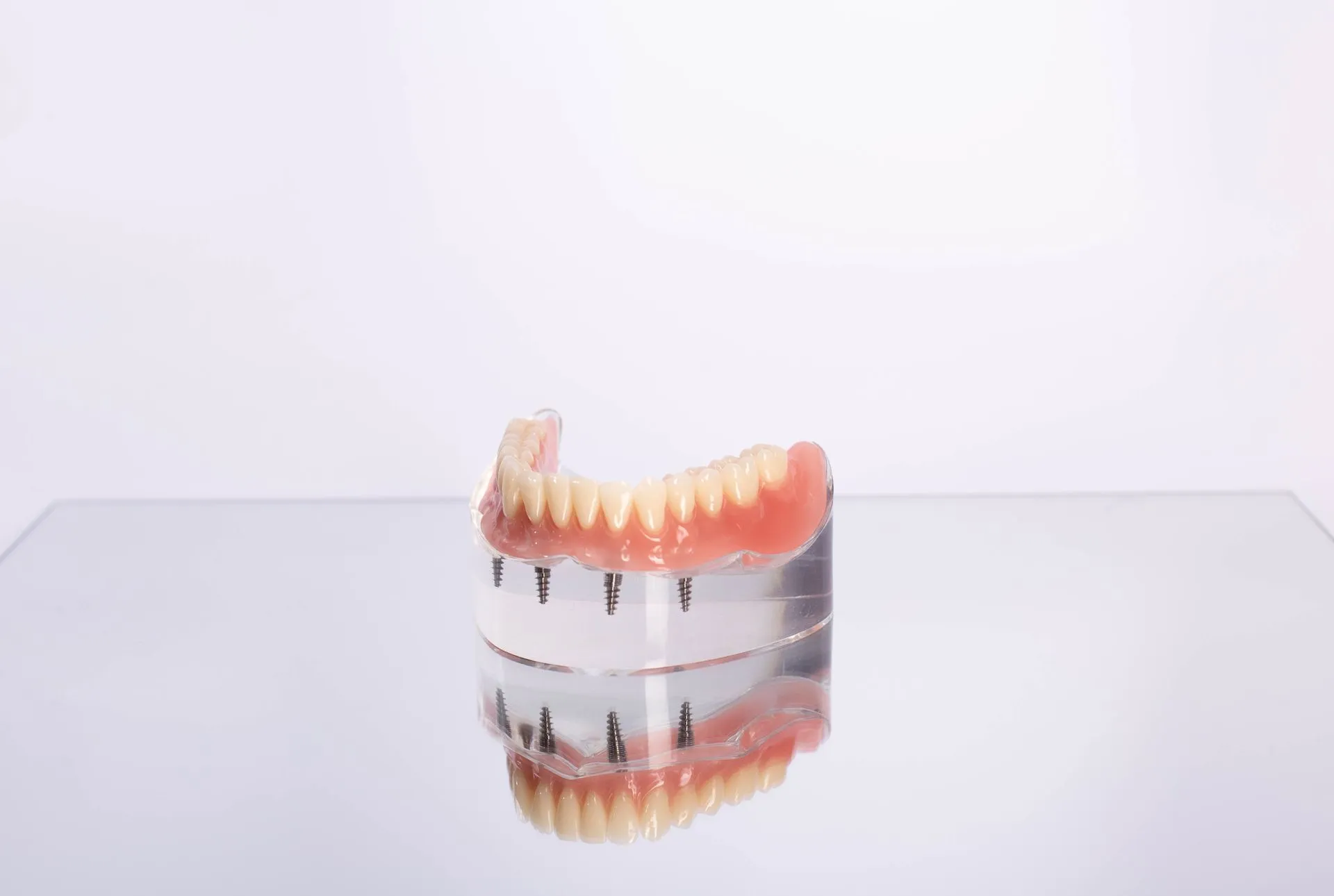
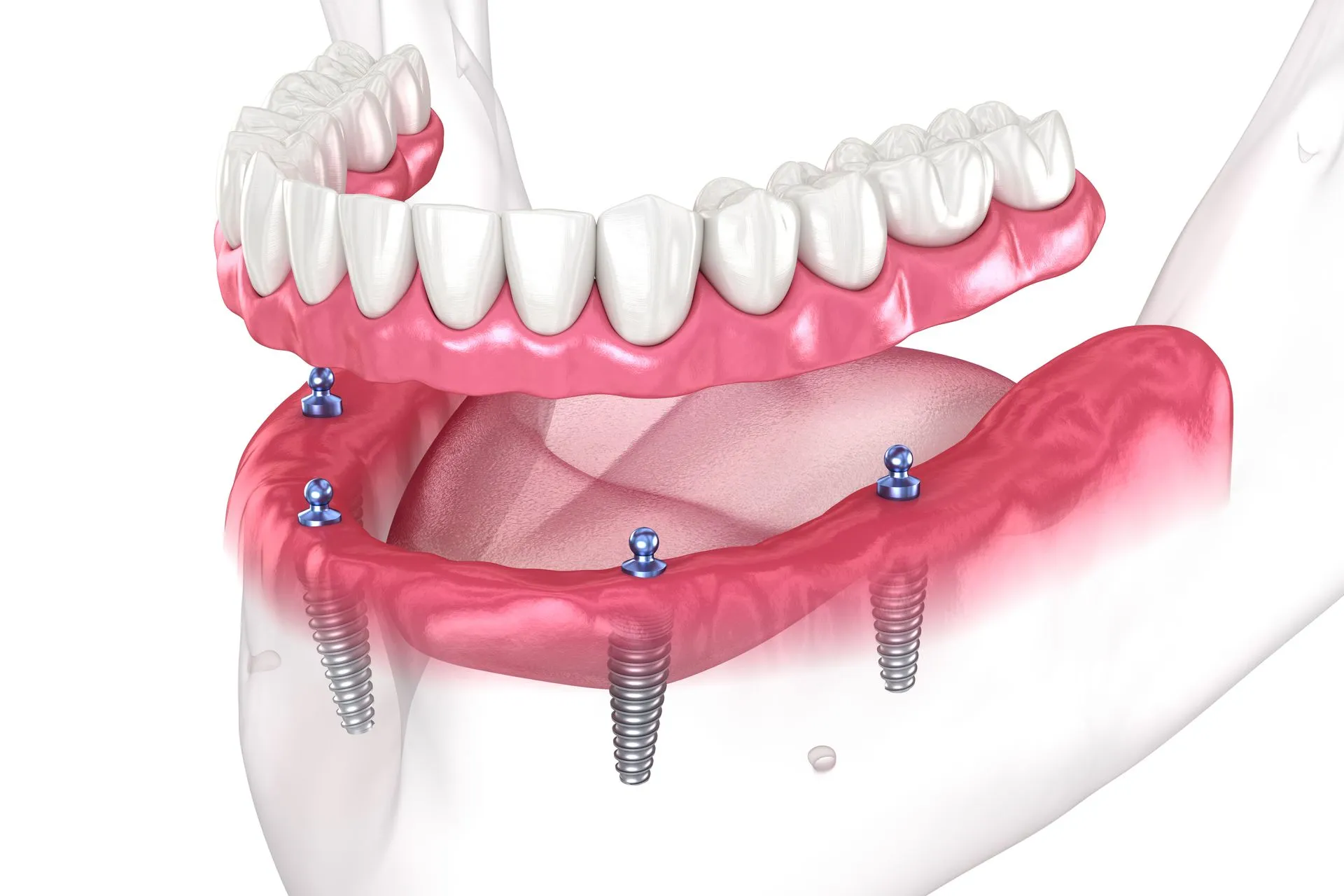
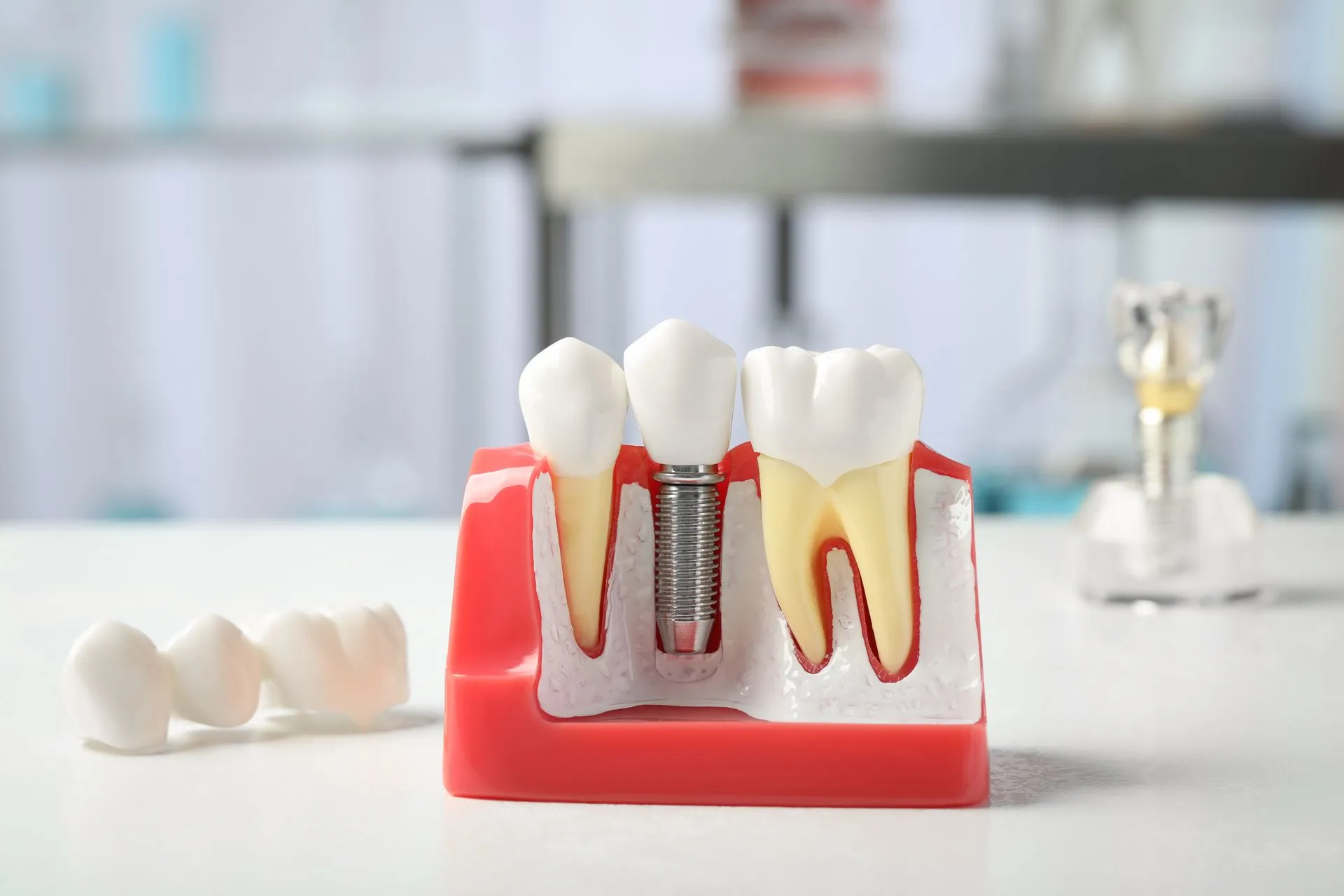
The concept All-on-4, developed over 25 years ago, in which MALO CLINIC is a pioneer, is a total oral rehabilitation solution that allows for the replacement of all teeth in an arch with only four dental implants, which will support a fixed total prosthesis. Two of these implants are placed at the front of the jaw, vertically, while the other two are inserted at the back, inclined up to 45 degrees. This technique maximizes the use of available bone and eliminates the need for bone grafts, even in cases of severe bone loss.
Other oral rehabilitation techniques
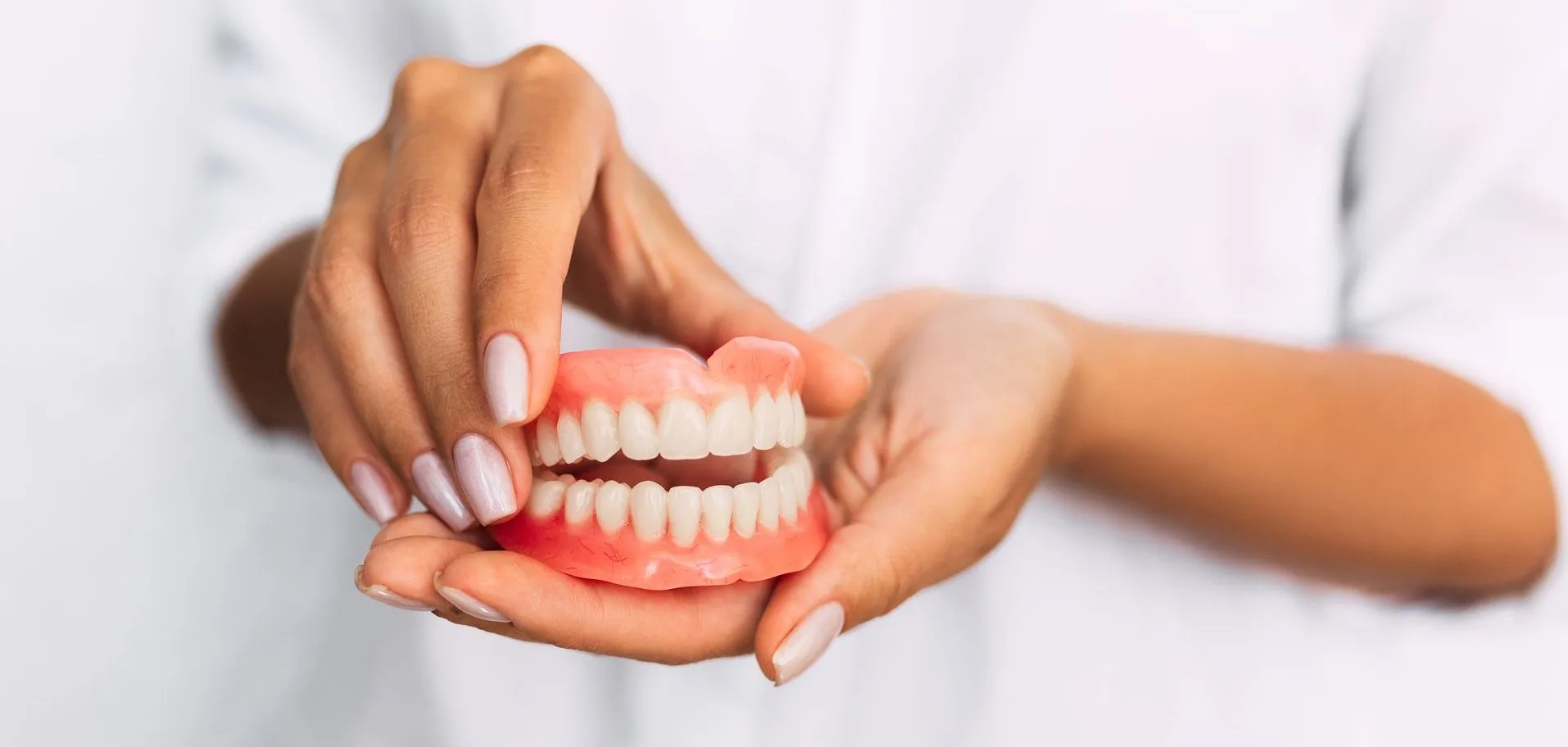
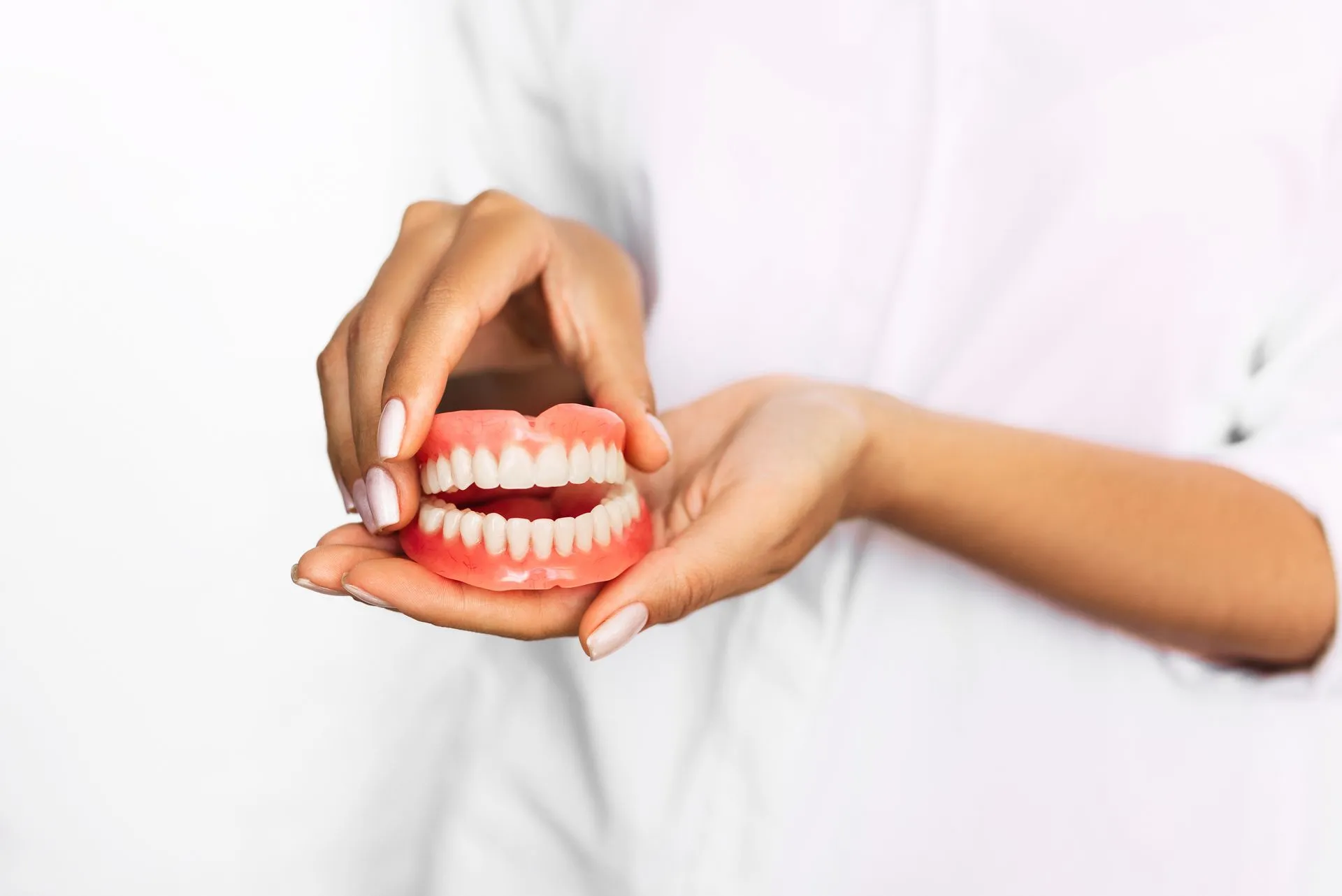
1. Removable dentures
Traditional removable dentures continue to be used by many patients as a solution for replacing missing teeth, especially due to their lower cost. However, there are several limitations:
Lack of stability during chewing and speaking;
As they become less adapted, they require the use of adhesive pastes;
Aesthetically, they are not very natural;
They can cause discomfort, irritation or even pain in the gums;
They contribute to bone loss.
2. Conventional implants with bone grafts
This method usually involves placing 6 to 8 implants, and in cases of patients with limited bone availability, it is often preceded by bone graft surgery. The main disadvantages include:
Extended treatment time, which can exceed 12 months;
Need for multiple surgeries;
Higher overall cost;
More demanding postoperative care;
Increased risk of complications.
3. All-on-6 and All-on-8 techniques
These are variations of the All-on-4 concept, using more implants to support the fixed total prosthesis:
They require greater available bone volume;
They may have similar results but with longer rehabilitation time and more invasive interventions;
Higher overall cost;
Greater need for maintenance.
Advantages of All-on-4
Avoids bone grafts
Thanks to the inclined positioning of the posterior implants, All-on-4 allows for the avoidance of bone grafts, even when there is significant bone loss.
Faster rehabilitation
This concept allows for immediate loading or function, meaning that a provisional fixed prosthesis can be placed on the same day as the surgery, reducing the total treatment time to one day.
Less invasive and more comfort in recovery
The surgical approach is less traumatic, reducing recovery time and postoperative discomfort.
Immediate aesthetics and function
The patient recovers their smile and chewing ability immediately on the same day as the surgery, with a positive impact on self-esteem and quality of life.
Lower overall cost
By using only four implants and avoiding additional surgeries, All-on-4 presents a more affordable total cost compared to other fixed solutions with more complex procedures.
High success rate
Compared to traditional methods, All-on-4 has very high success rates, exceeding 95% after 20 years of follow-up and scientifically proven by the research team at MALO CLINIC.
The contribution of the Digital Protocol
Recently, the Digital Protocol implemented by MALO CLINIC has elevated the effectiveness and predictability of All-on-4 to a new level. This process includes:
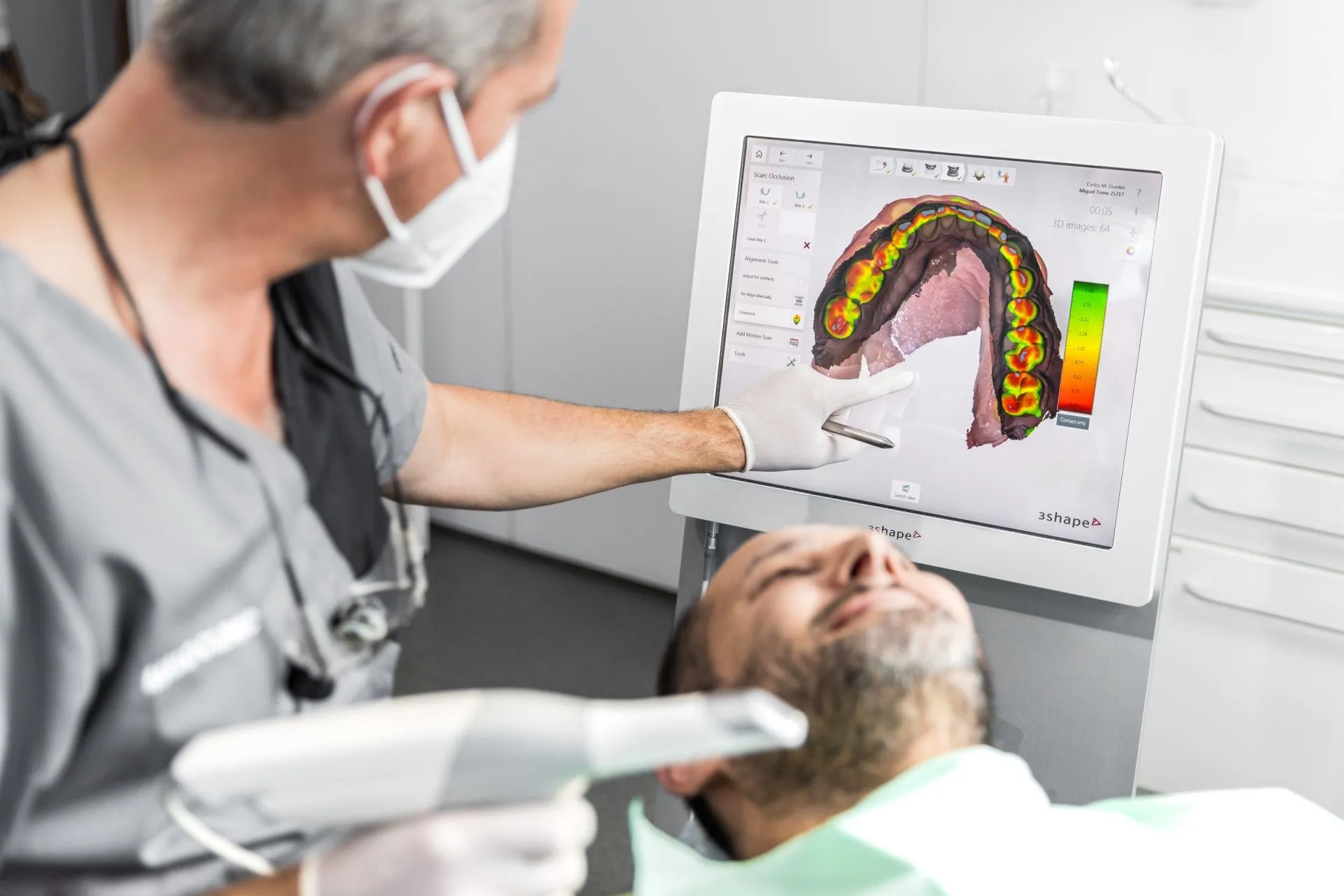
Personalized 3D planning
Through imaging exams such as computed tomography and intraoral scanners, the treatment is planned with total precision, tailored to the anatomy of each patient.
Guided surgery
Based on the digital planning, personalized surgical guides are created through 3D printers, ensuring the exact placement of the implants with high precision and safety.
Clinical-laboratory integration
The digital workflow ensures that communication with the laboratory is immediate and precise, allowing for the prosthesis to be produced prior to surgery with high functional and aesthetic quality.
Reduced chair time
The efficiency of the digital process significantly reduces both the duration of the surgery and the placement of the fixed prosthesis, making the experience faster, about 3 hours for each jaw, and consequently much more comfortable for the patient.
Frequently Asked Questions
The All-on-4 offers a modern, efficient, and less invasive solution for total oral rehabilitation with fixed teeth. When combined with the Digital Protocol, it becomes one of the safest, fastest, and most comfortable approaches available in current dental medicine. It is the ideal choice for those looking to regain their smile with predictability, aesthetics, and lasting quality.
If you want to know whether the All-on-4 is the right solution for your case, schedule an assessment consultation with our specialized team.