Clarify doubts about the impact of Fixed Dental Prosthesis on speech, especially in senior patients.
Tooth loss can compromise much more than the aesthetics of the smile. It affects chewing, bite stability, and, significantly, the articulation of words. One of the most frequent questions we receive during the Assessment Consultations for this type of rehabilitation is whether the Fixed Dental Prosthesis can change speech.
The answer, supported by scientific evidence and clinical practice, is clear: when well planned and executed by an experienced team, the Fixed Dental Prosthesis does not harm speech. On the contrary, in many cases, it contributes to its improvement, especially when compared to the instability of removable dentures.
Why does tooth loss affect speech?
The correct articulation of sounds depends on the interaction between teeth, tongue, lips, and palate. Consonants such as “f”, “v”, “s”, and “z” require precise contact between the tongue and teeth. When there are tooth gaps, especially in the front teeth, the production of these sounds can become imprecise.
Studies in oral rehabilitation show that edentulous patients have greater difficulty in pronouncing fricative and sibilant sounds. In all age groups, but especially in the senior age group, this alteration can create social insecurity and impact self-esteem.
Fixed Dental Prosthesis and Speech: What to Expect?
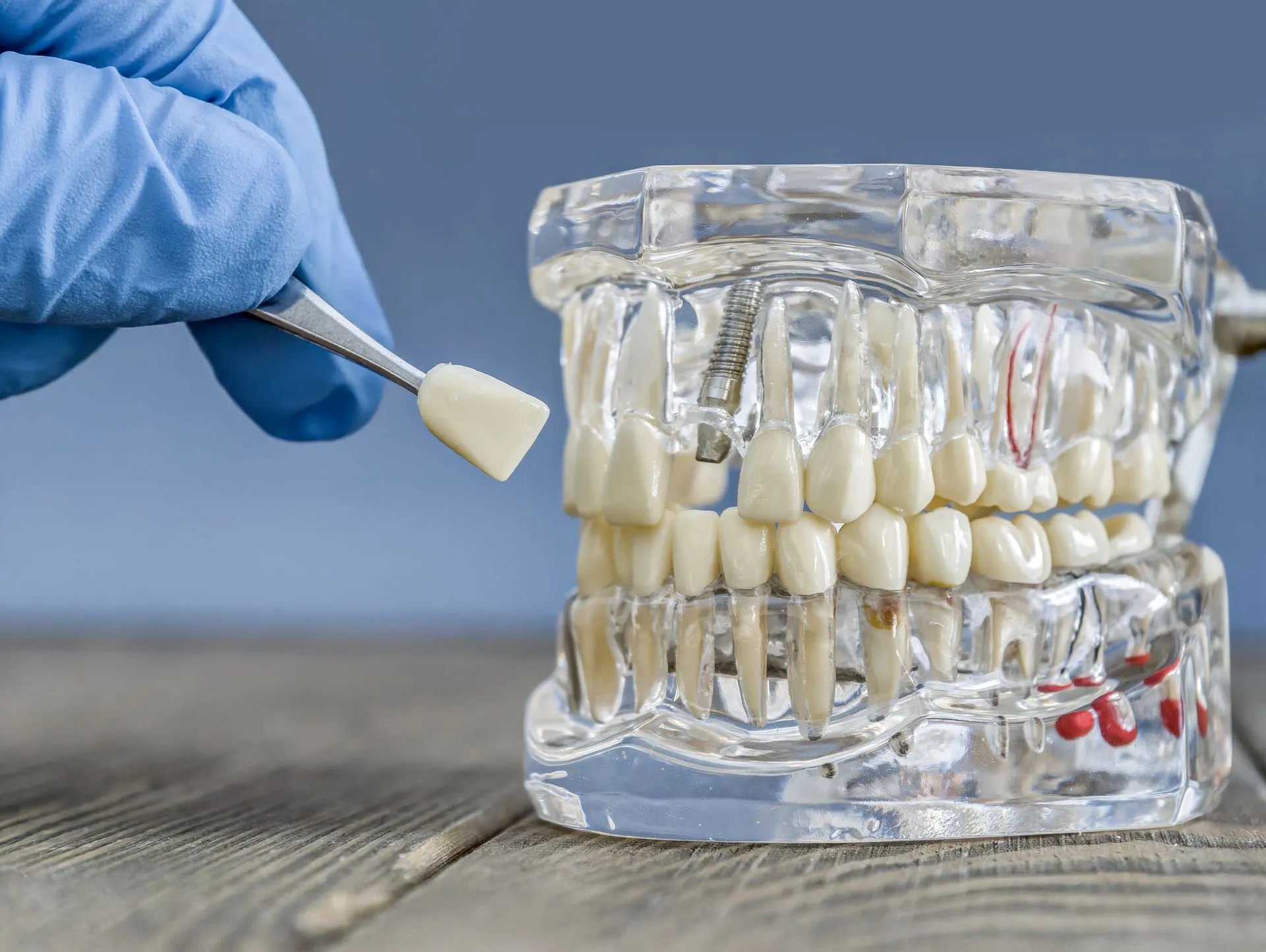
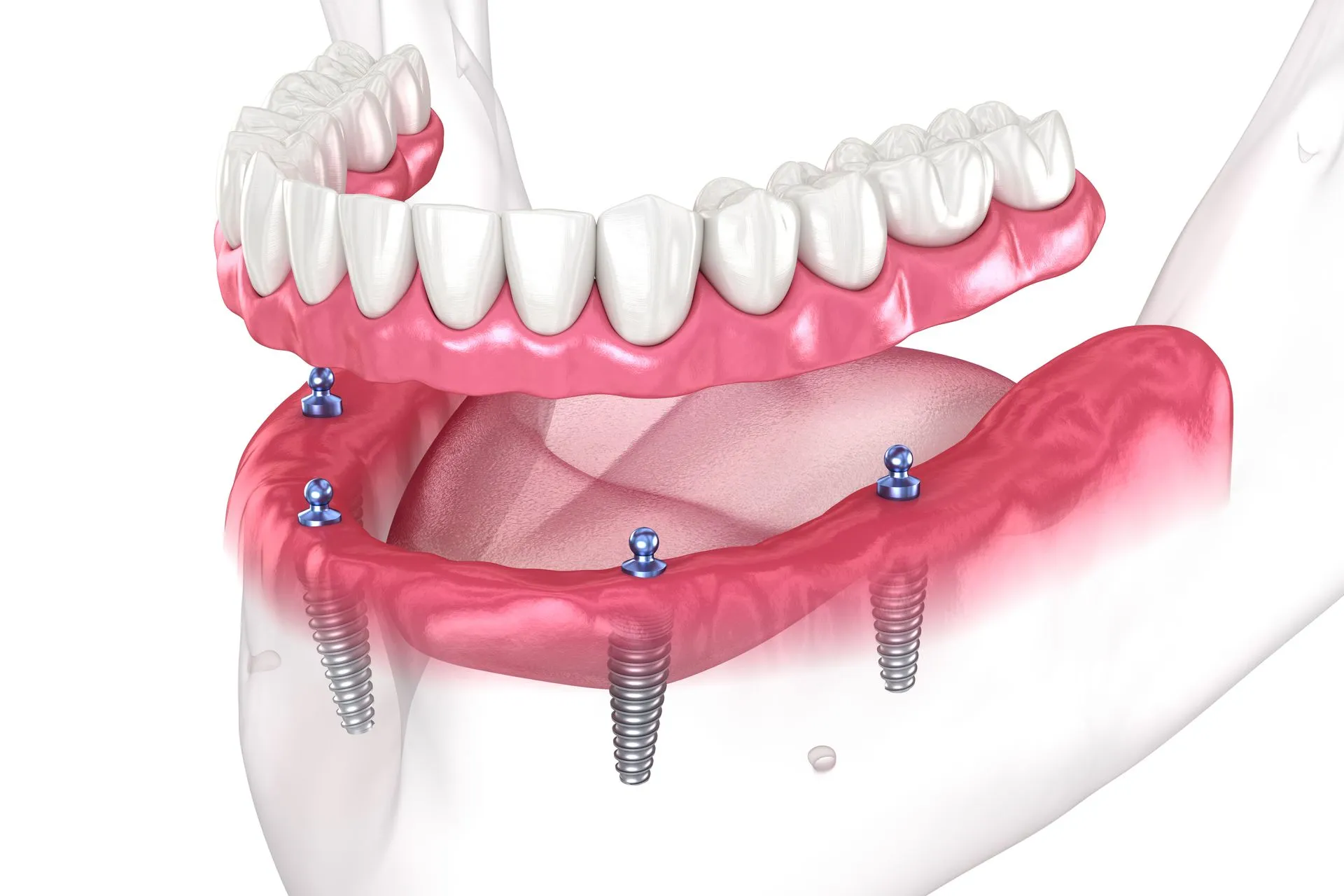
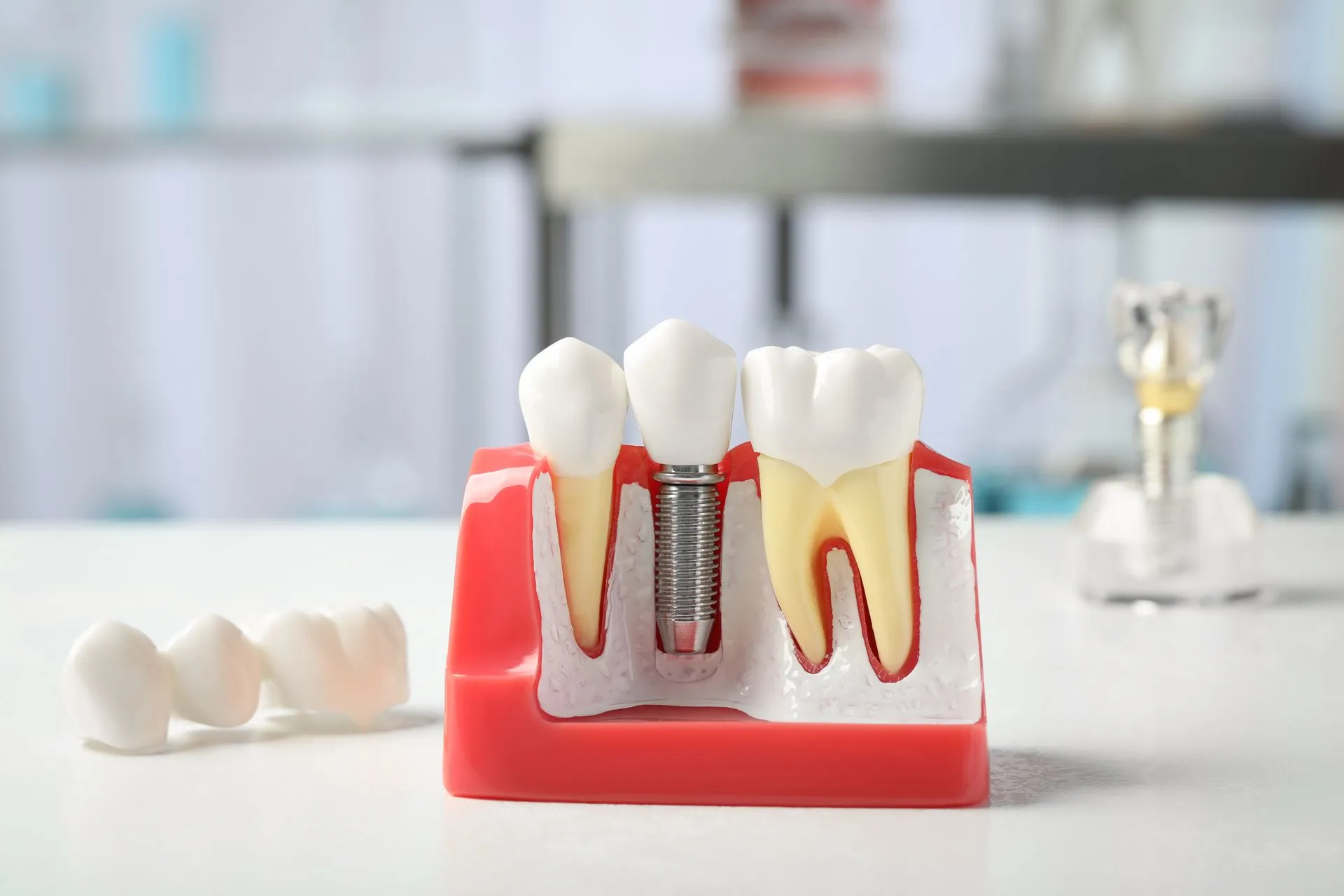
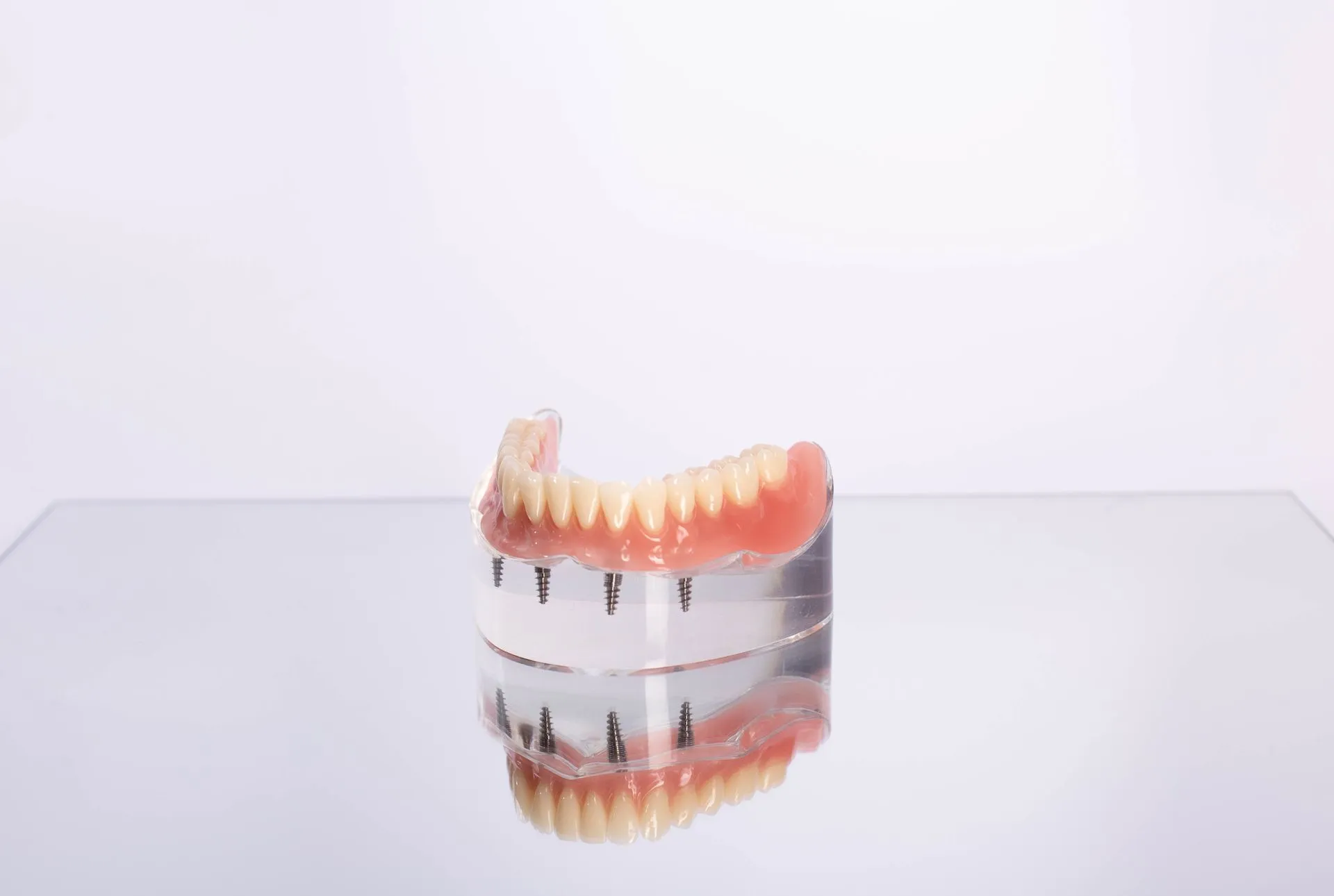
The Fixed Dental Prosthesis on implants is designed to replicate the natural anatomy of the teeth and respect the position of the tongue and oral tissues. Stability is a determining factor. Unlike removable solutions, the fixed prosthesis remains firmly anchored, preventing movement or oscillation during speech.
In most cases, after a short adaptation period, patients report improved clarity of diction. Phonetic adaptation generally occurs within the first two to four weeks, depending on the complexity of the rehabilitation.
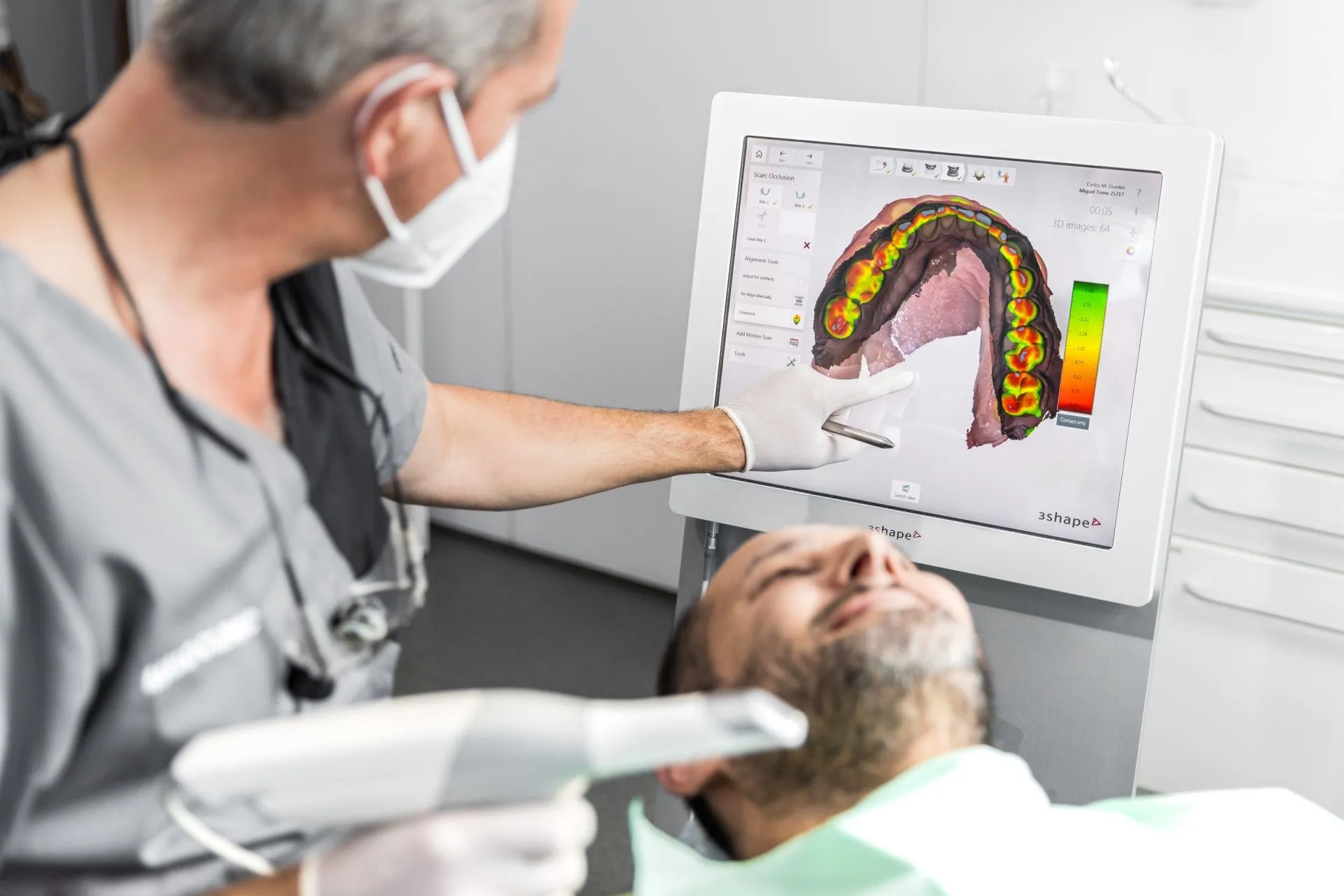
At MALO CLINIC, all planning is carried out using digital technology, including the prior design of the prosthesis, significantly increasing predictability, since precision in defining vertical dimension, the ideal design, and dental positioning reduces the risk of phonetic changes.
What about removable prostheses?
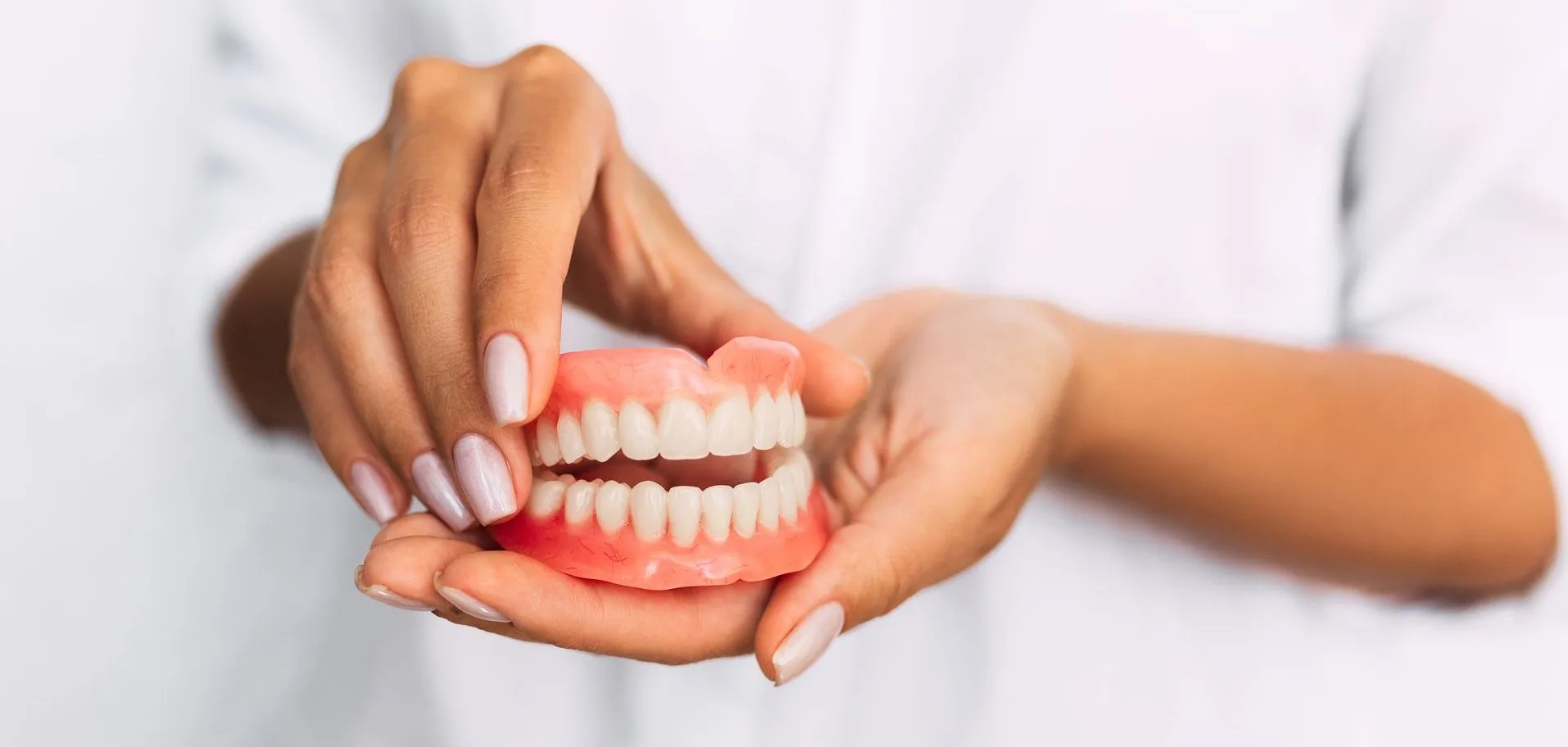
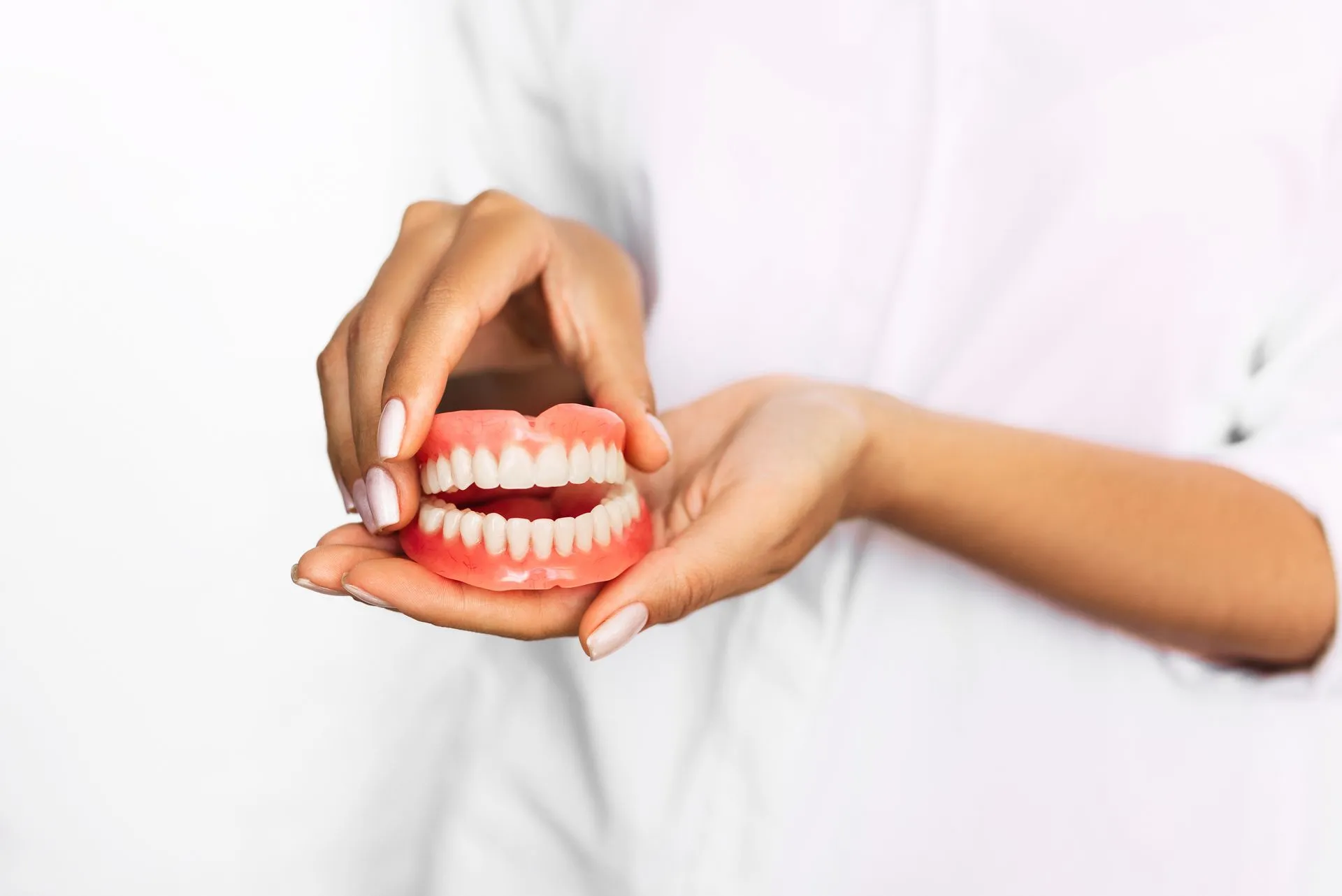
Removable prostheses, whether complete or partial, are more likely to interfere with speech. Their lower stability can cause small displacements during the articulation of words, generating imprecise sounds or even the sensation of a "tongue tied" feeling.
Moreover, the frequent thickness of these solutions, particularly the acrylic base that covers part of the palate in most upper removable prostheses, alters the natural positioning of the tongue.
In summary, removable prostheses are associated with greater instability and functional discomfort, along with a higher likelihood of difficulties in diction. For this reason, many patients report significant improvement in speech after transitioning from a removable prosthesis to a Fixed Dental Prosthesis on implants.
Is there a period of adaptation?
Yes. Even with a well-planned and executed Fixed Dental Prosthesis, it is natural to have an initial period of neuromuscular adaptation. The brain needs to readjust previously established motor patterns.
This process is similar to what happens after the placement of braces. In most cases, adaptation occurs spontaneously.
In very specific situations - particularly in senior patients with previous changes in oral motricity - it may be helpful to resort to speech therapy or myofunctional therapy. These approaches help optimize tongue positioning and muscle coordination, speeding up the adaptation.
Clinical Curiosity
Phonetics is often used by dentists as a tool for clinical validation. The pronunciation of the "s" sound helps assess the vertical dimension of occlusion, while the "f" sound allows verification of the correct positioning of the upper incisors. In patients with poor occlusions, who frequently sibilate the "s" sound, it is possible to correct this in some situations with the fixed prosthesis. This demonstrates how speech and oral rehabilitation are closely linked.
Recommendations for a Faster Adaptation
• Read aloud in the first days after the placement of the fixed prosthesis on implants.
• Practice words with sibilant sounds: "s", "z", "ch".
• Keep follow-up appointments for minor adjustments, if necessary.
• Strictly follow the guidance of the clinical team.
A personalized approach and close monitoring are crucial to ensure functional comfort and phonetic stability.
Frequently Asked Questions
The Fixed Dental Prosthesis is a predictable, stable and highly functional solution. When properly planned, it respects anatomical and phonetic principles, allowing not only the restoration of the smile but also the confidence in communication.
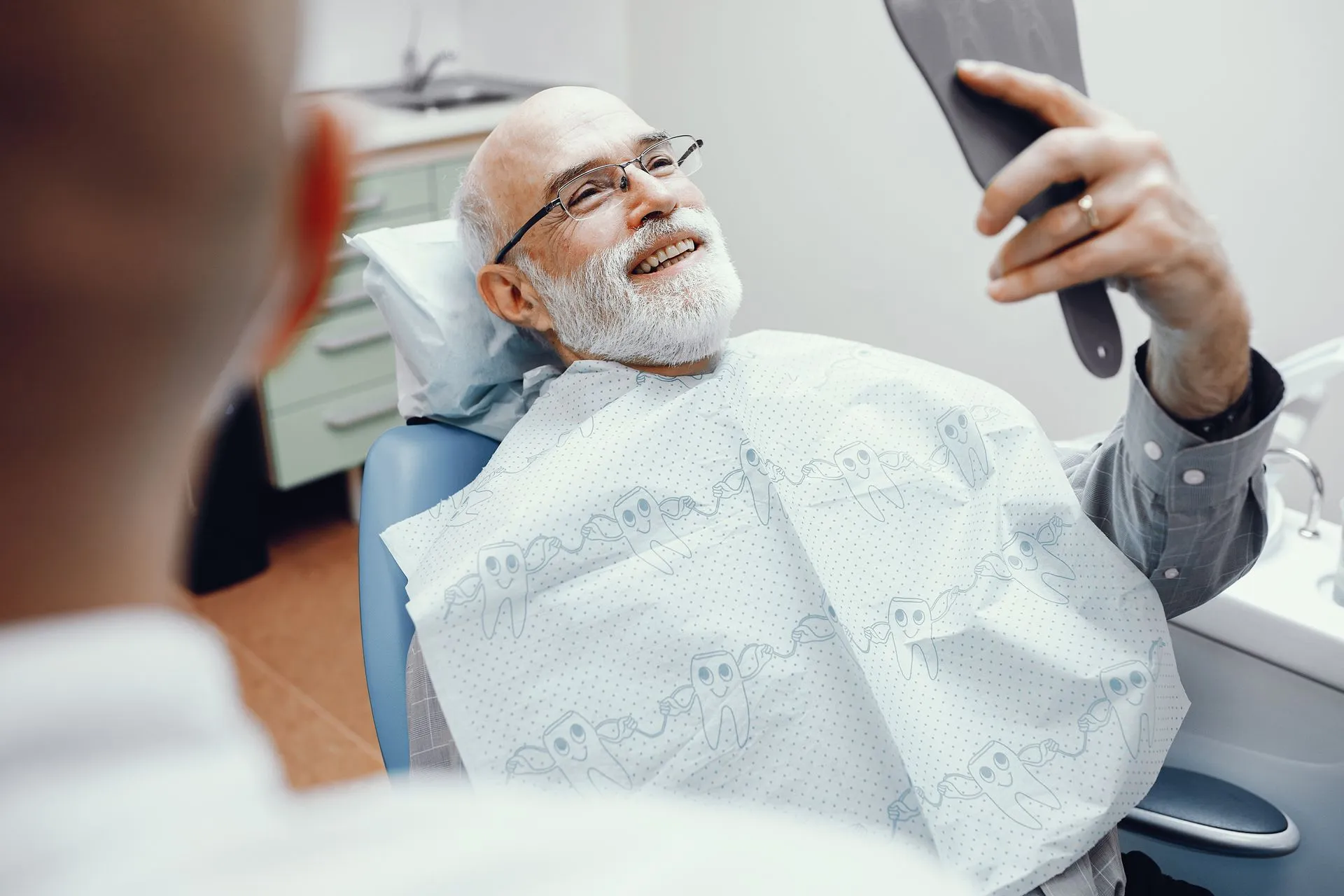
For senior patients, it often translates into a significant improvement in quality of life. The stability provided by implants and fixed teeth reduces the limitations associated with removable prosthetics and promotes clearer, more natural and confident speech.
A rigorous clinical assessment, combined with advanced technology and individualized planning, is crucial to achieving natural, lasting results that are fully adapted to the needs of each patient.