Find out what the best option for your case is!
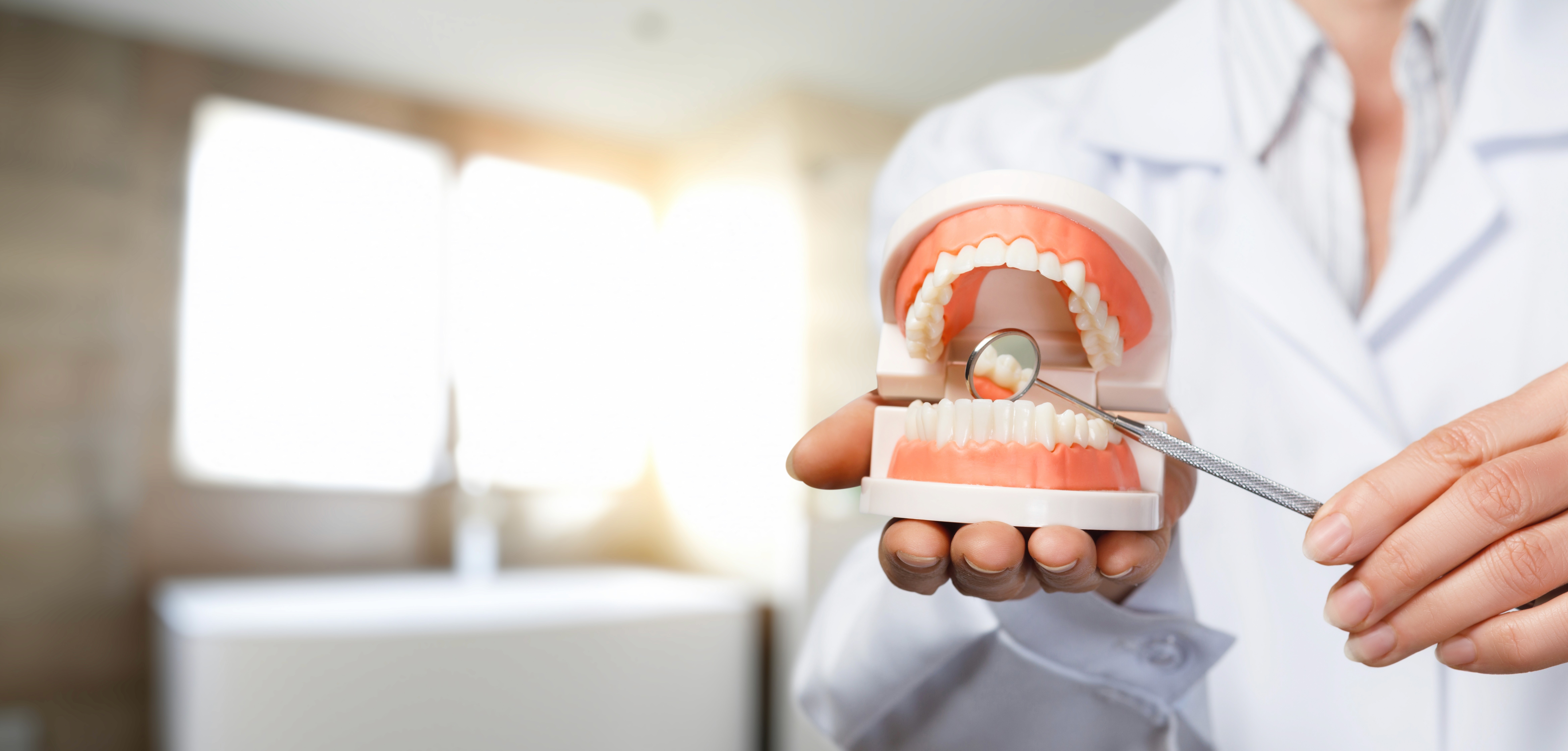
Dental prosthetics are a type of treatment used to replace missing teeth and restore chewing, aesthetic, and phonetic functions. They are designed to fit comfortably and functionally in the patient's mouth, resembling natural dentition as closely as possible.
There are several types of dental prosthetics, including fixed dental prosthesis and removable dental prosthesis, each with its own characteristics and specific indications.
Fixed Dental Prosthesis:
The fixed dental prosthesis cannot be removed by the patient on a daily basis, as it can only be taken out by professionals in the office.
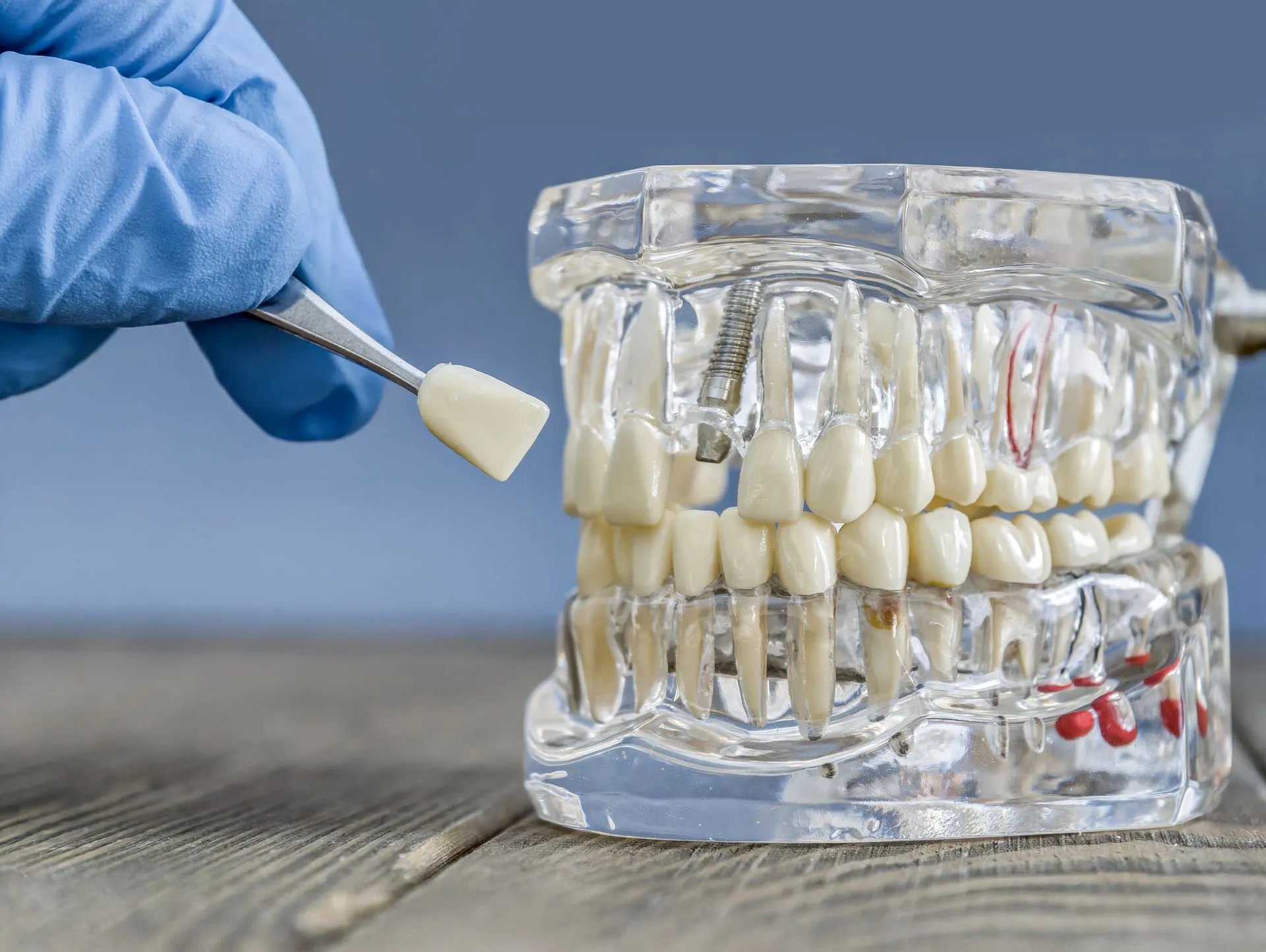
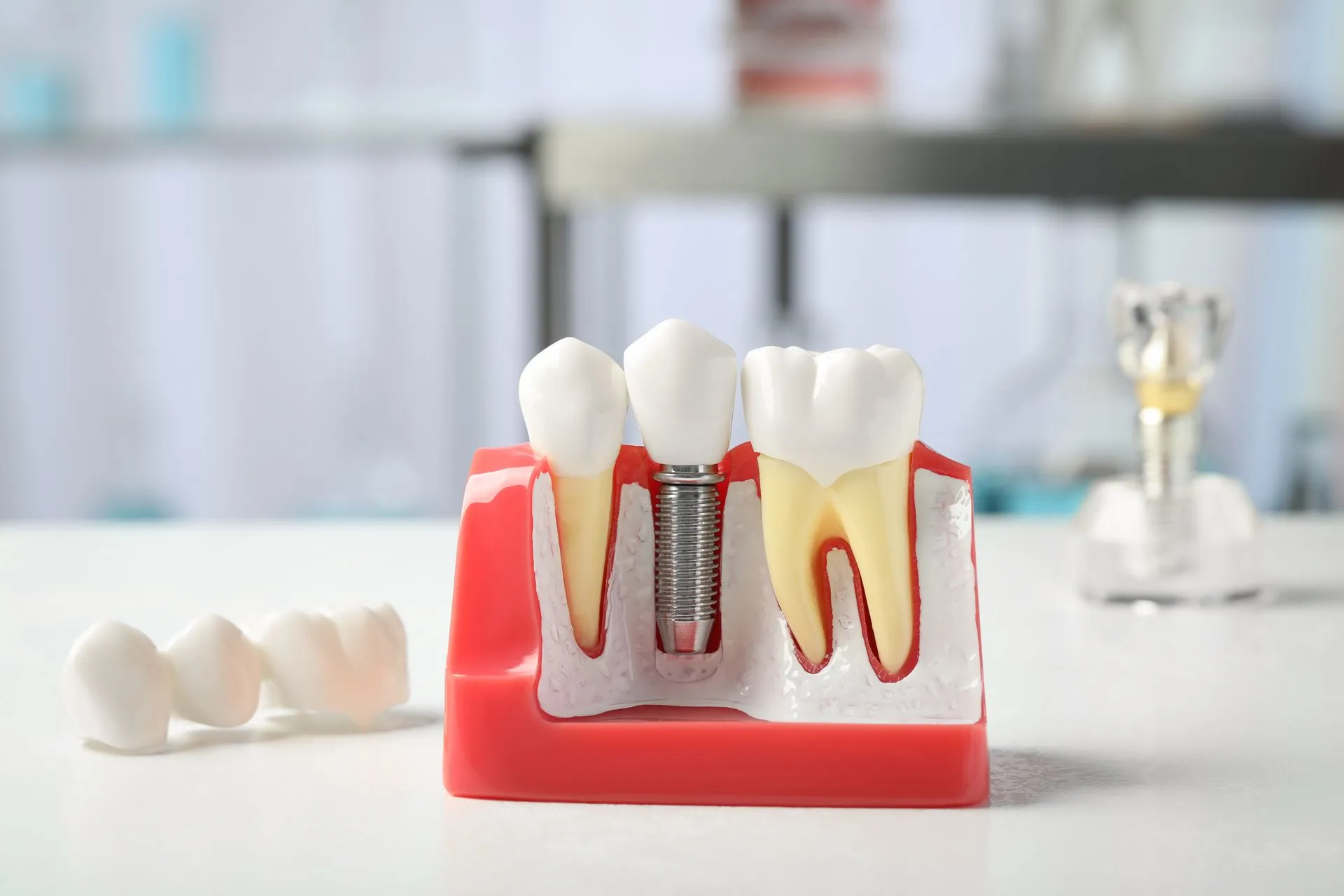
Crowns on teeth or implants: Crowns on teeth are used to cover a damaged or weakened tooth, restoring its shape, size, colour, and function. In the case of tooth loss, dental crowns can be screwed onto implants, reproducing the same characteristics (function and aesthetics) of the lost natural teeth. In terms of materials, prosthetics can be made of metal, zirconia, ceramic, among others.
Dental Bridges: Bridges are used when it is necessary to replace one or more teeth. They consist of a set of adjacent crowns that are connected and fixed between natural teeth. In the case of bridges on implants, these serve as support pillars for the replacement of the missing teeth.
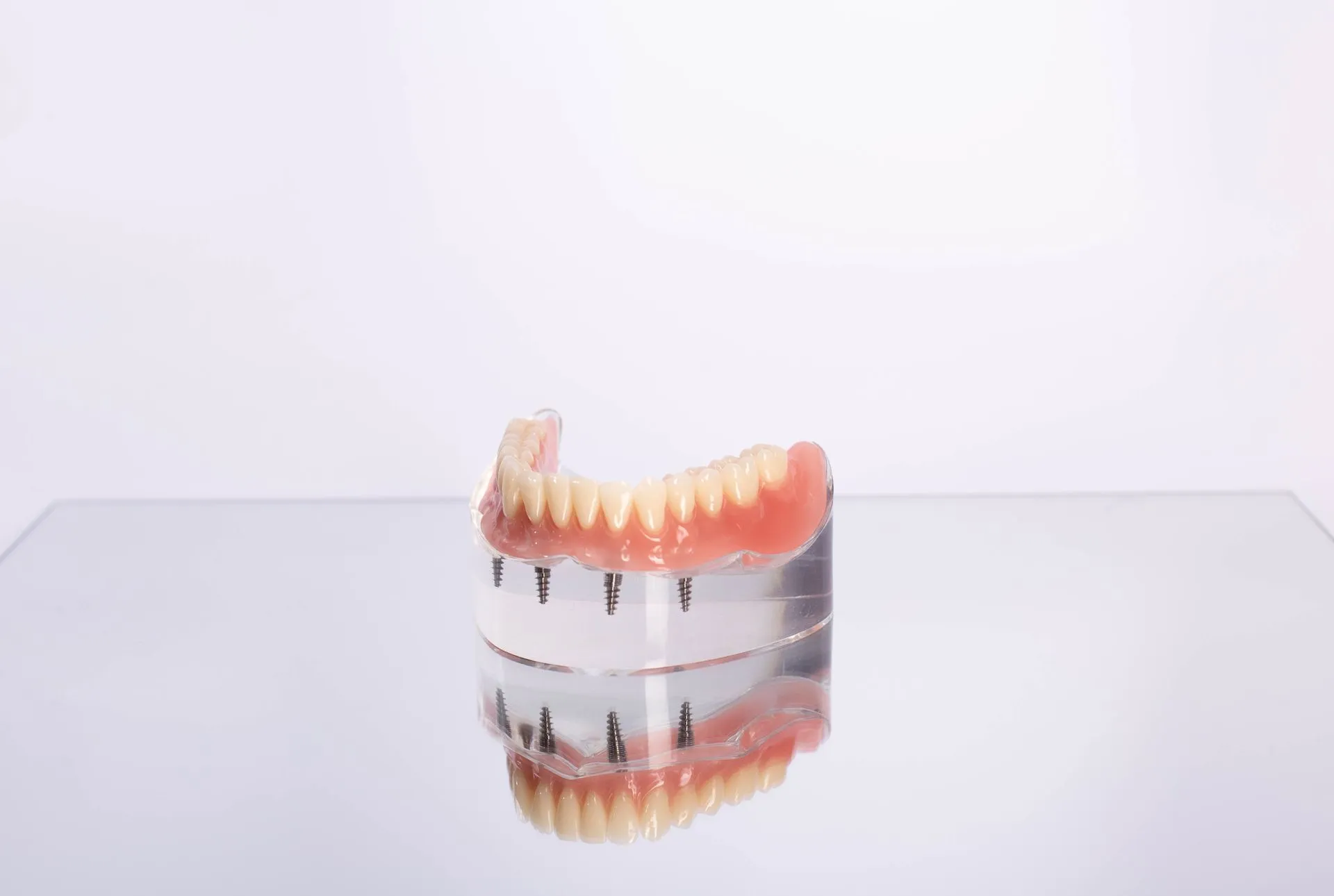
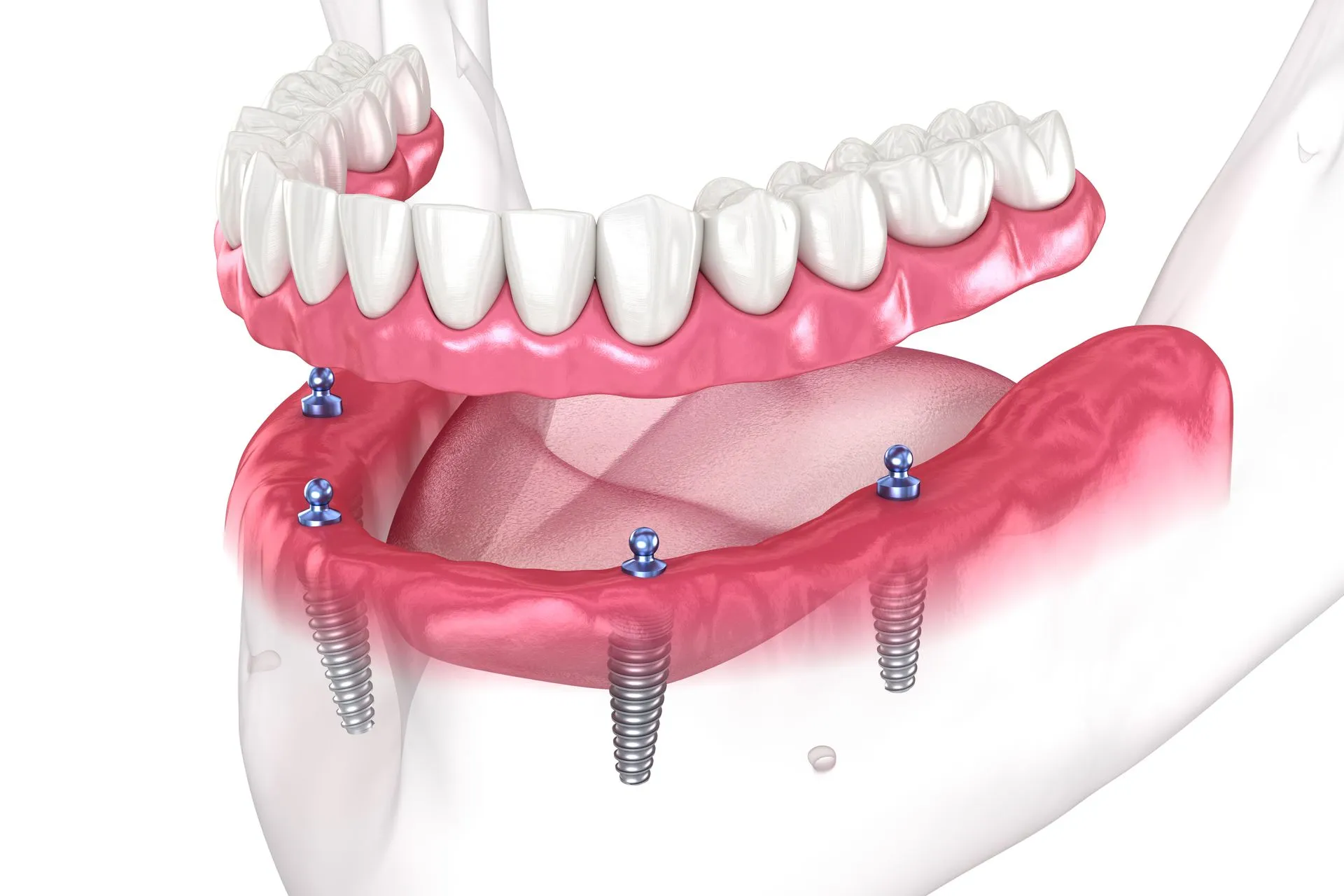
Complete Fixed Dental Prosthesis: Designed to replace the entirety of the dentition, the complete fixed prosthesis consists of a succession of crowns glued together that naturally recreate the entire dentition of the patient. These fixed prostheses are supported by implants, inserted directly into the bone of the maxilla or mandible, providing a more solid and stable base for the artificial teeth. This results in greater stability and durability compared to other prosthetics, which may move or wear down over time. The most used technique is the All-on-4 treatment, where only four implants are used to support the entire prosthesis.
Removable Dental Prosthesis:
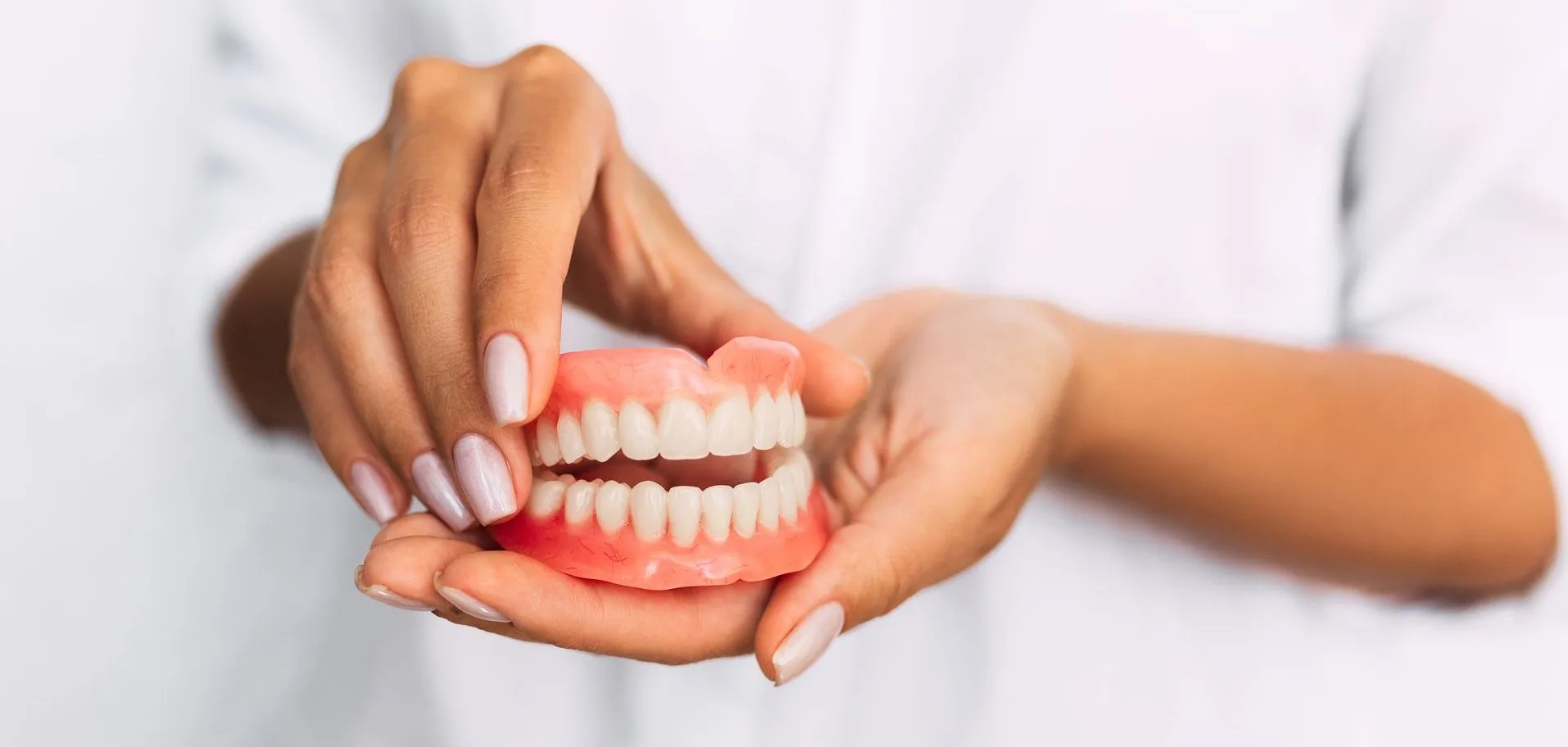
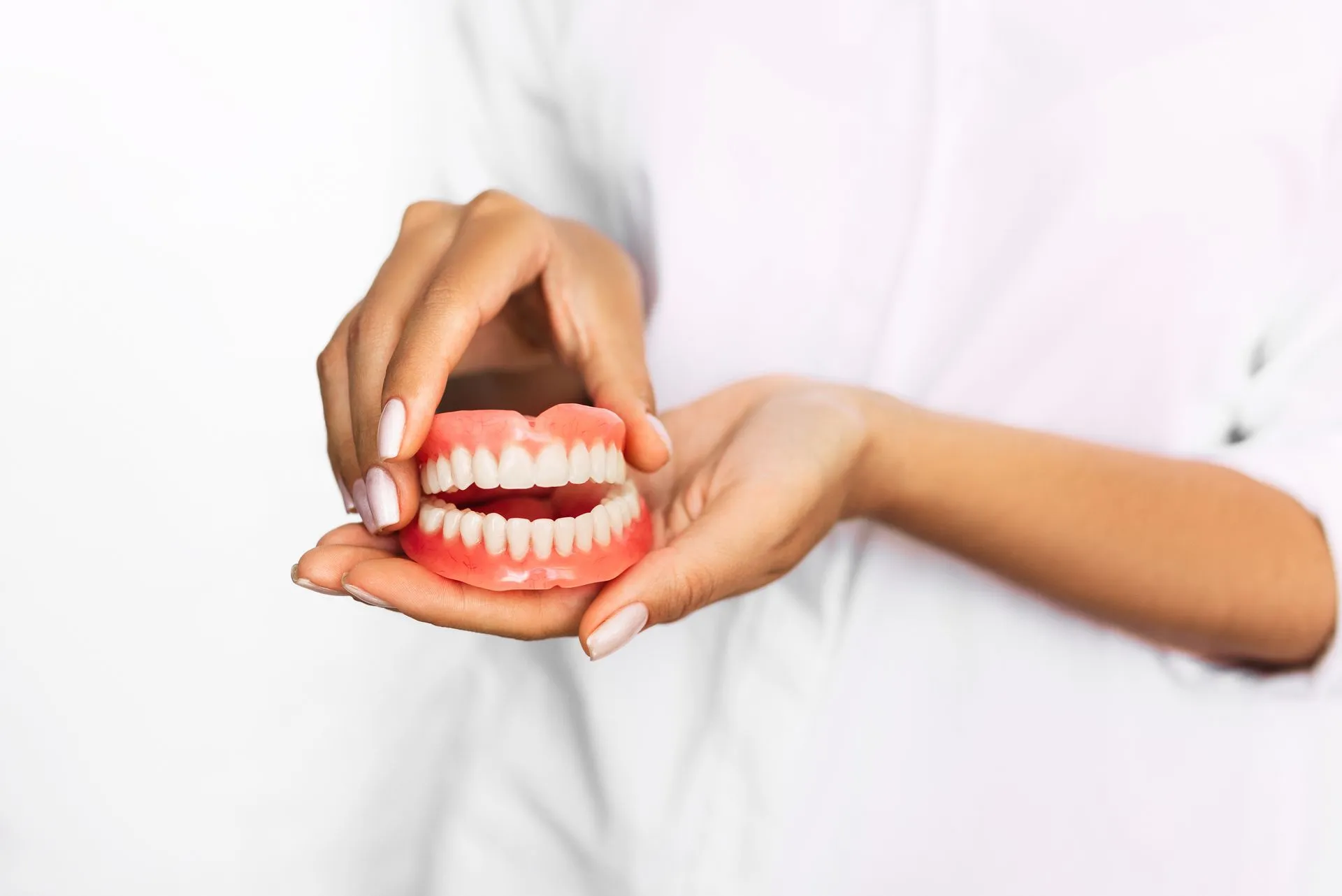
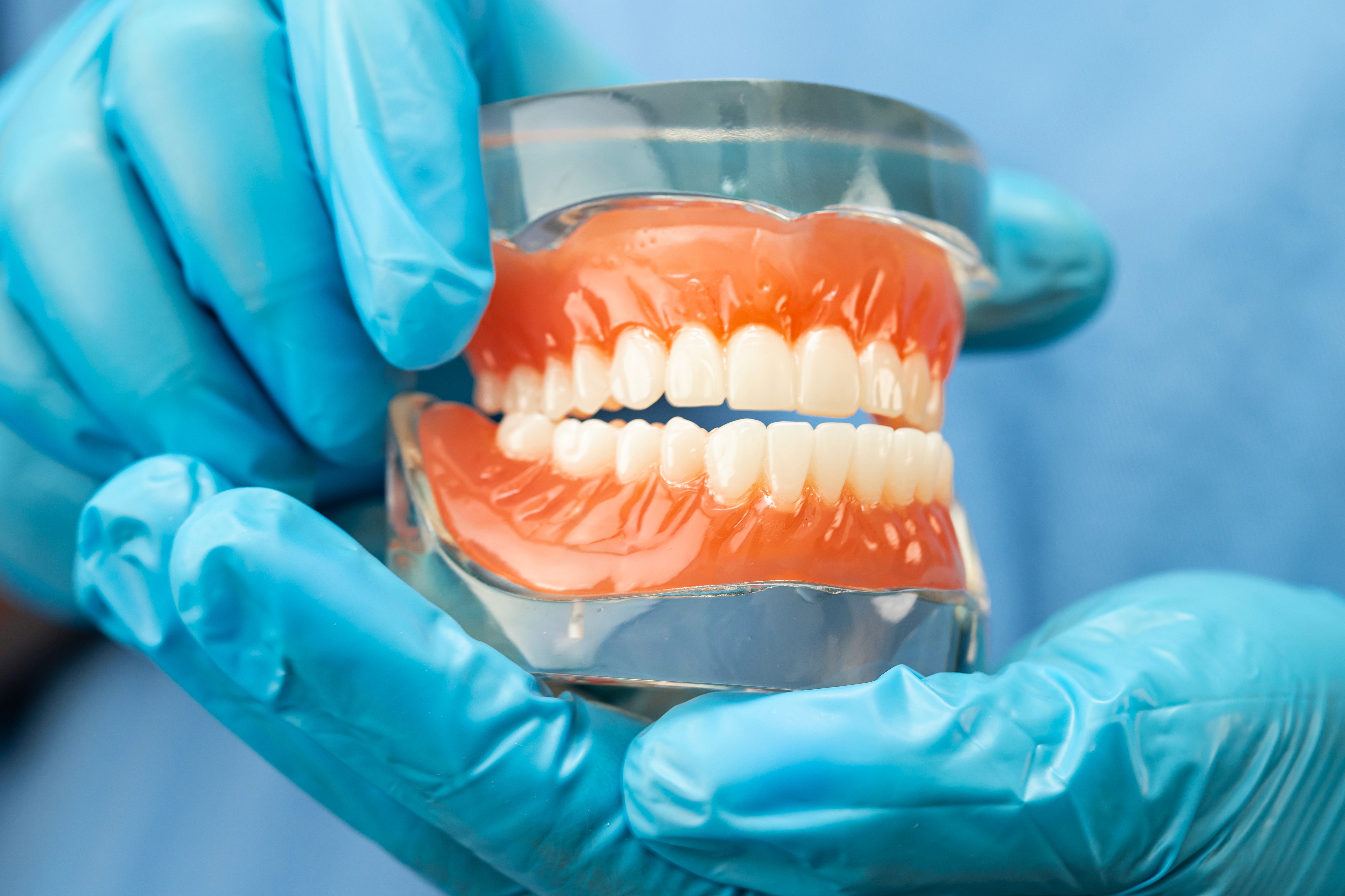
The removable dental prosthesis – commonly known as a “plate” or “dentures” – is a prosthesis that can be manually removed by the patient, for example, to sleep.
Skeletal Prostheses: These prostheses are used when the patient still has some natural teeth. They are made of a metal structure that supports the artificial teeth and fits into the patient's mouth, using hooks on the natural teeth.
Partial or Complete Acrylic Prostheses: Acrylic prostheses are mainly used when the patient has lost several or all natural teeth. Formed through an acrylic base that aims to replicate the gums and natural teeth, this is placed over the base of the gums. The dentures, as they are commonly known, stay in place via suction with the gums or with the roof of the mouth, and in cases of already ill-fitting prostheses, with the use of dental adhesives.
But how to know if, for your case, a fixed or removable prosthesis is more suitable?
The choice between fixed or removable prosthetics depends on various factors, including the patient’s oral condition, their lifestyle and habits, as well as the recommendations of the dentist. However, currently, fixed prosthetics tend to be more recommended due to the numerous advantages for the patient.
Here are the main benefits of the fixed prosthesis:
Stability and functionality: Fixed prosthetics that replace one or more teeth offer greater stability and functionality, as they are permanently fixed to adjacent teeth or dental implants. Therefore, they allow for more efficient chewing and facilitate the ability to speak.
Aesthetics: Due to their composition, prosthetics resemble natural teeth more closely, providing a more pleasant and natural aesthetic appearance.
Preservation of tooth structure: Unlike removable prostheses, which often damage the adjacent teeth they rely on, the fixed prosthesis can protect and even strengthen damaged teeth. In the case of implants, by functioning as artificial roots, they stimulate the bone, preventing or stabilising bone loss.
Longer-lasting comfort: Once placed, the fixed prosthesis generally requires less maintenance and adjustments compared to a removable prosthesis. Additionally, it does not need to be removed, which can provide more comfort during oral hygiene or sleep.
What care should be taken when using dental prosthetics?
Regardless of the rehabilitation in question, it is essential to take some precautions:
In the case of fixed dental prosthesis:
Carry out oral hygiene carefully, through brushing and dental floss, in order to remove any food residues that may have accumulated in areas that the brush cannot reach. In very specific cases, the dentist and/or oral hygienist may even recommend using an irrigator to assist in this task.
Attend the follow-up appointments recommended by the dentist to clean the fixed prosthesis and monitor the success of the treatment.
In the case of removable dental prosthesis:
Remove the prosthesis at night to sleep and clean it daily.
Ensure extra care – if applicable – with natural teeth, as removable prosthetics often depend on the stability and health of these teeth.
Place and remove the prosthesis gently to avoid traumatizing or damaging the surrounding tissues of the mouth.
Dental implants: the present of oral rehabilitation
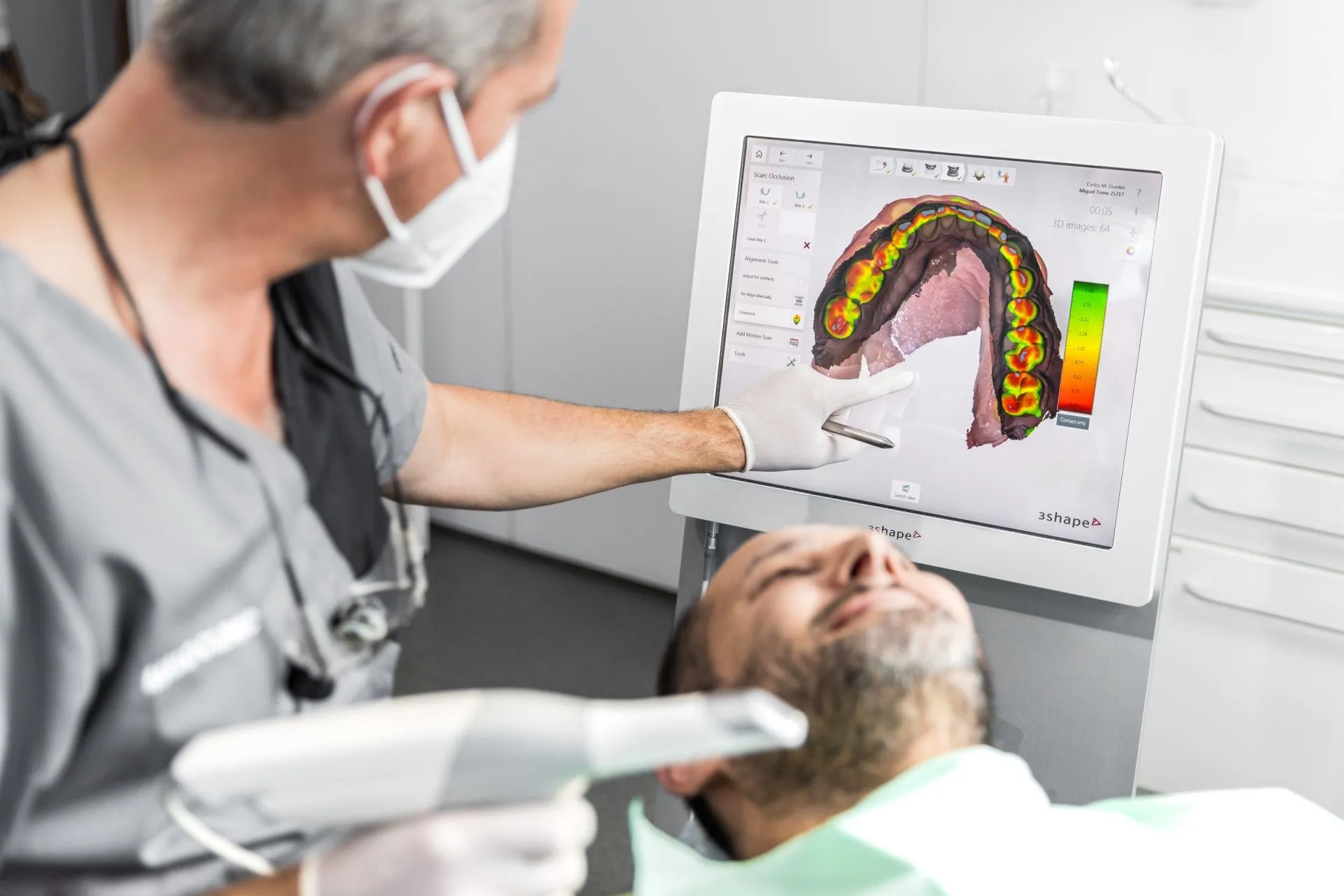
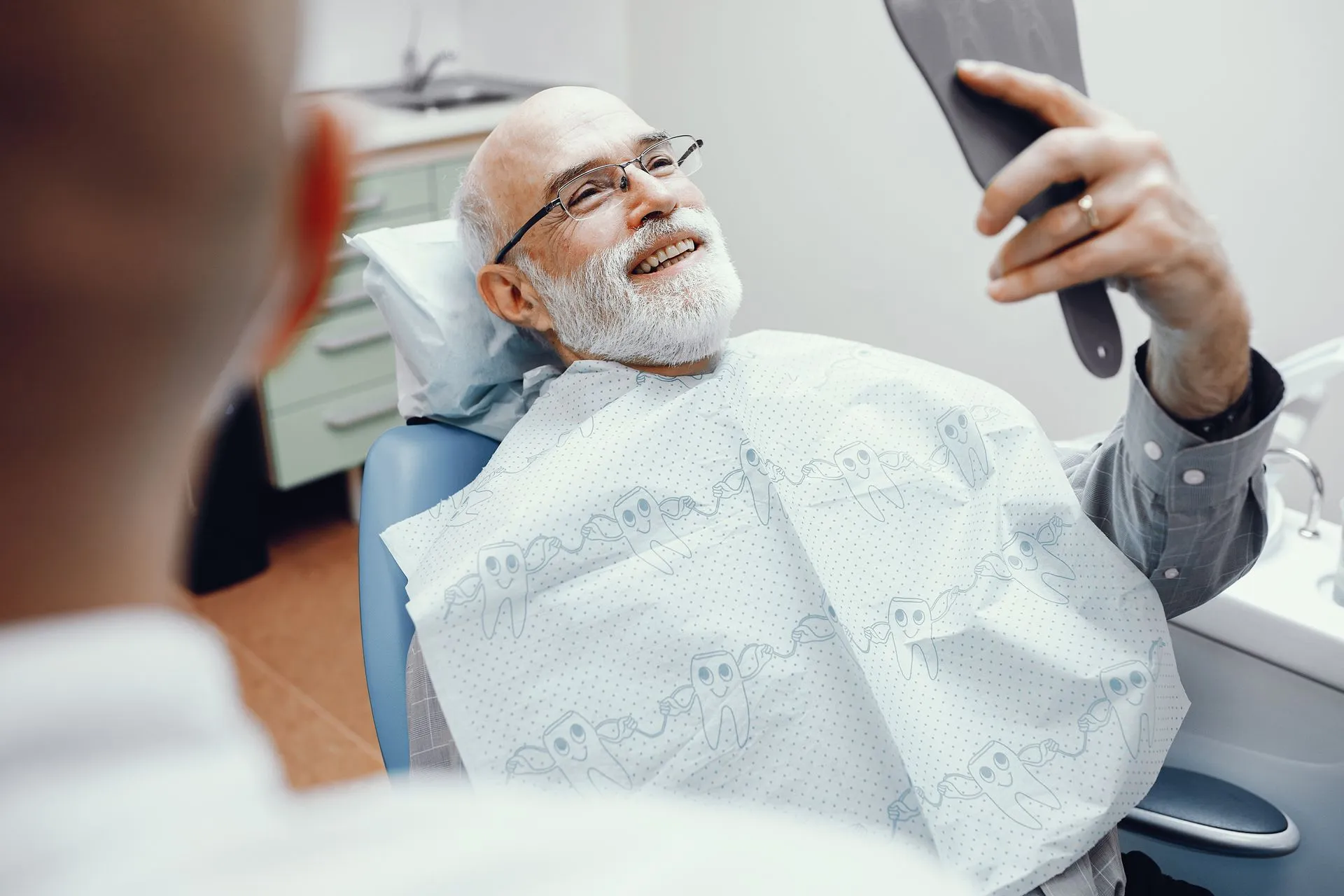
Although removable prosthetics are still a widely used option for patients who are missing one or more teeth, dental implants and fixed prosthetics are becoming an increasingly popular option for those needing to restore their dentition, due to their benefits in terms of comfort, durability, and stability. In fact, it is now possible to restore the entire dentition in less than 4 hours, through the total fixed prosthesis digital protocol.
Although oral rehabilitation with dental implants can be limited in patients with very specific medical conditions that affect the healing process, it is important to emphasise that this type of treatment is not contraindicated for patients with diabetes, osteoporosis, or other health conditions. However, it is always essential to confirm with the dentist which treatment is most suitable for the patient to recover their smile.