
Do you know the differences between a removable dental prosthesis and a fixed prosthesis on implants? We explain!
The loss of teeth has a significant impact on quality of life, potentially leading to complications such as difficulties in chewing, speaking, and even self-esteem issues. In light of this reality, there are now several solutions available to replace lost teeth and ensure functionality. Two of the most common options are: removable dental prosthesis; and fixed prosthesis on implants. But which is the better option?
In this article, we explain the main differences between these two treatment options, as well as their advantages and disadvantages.
What is a removable dental prosthesis?
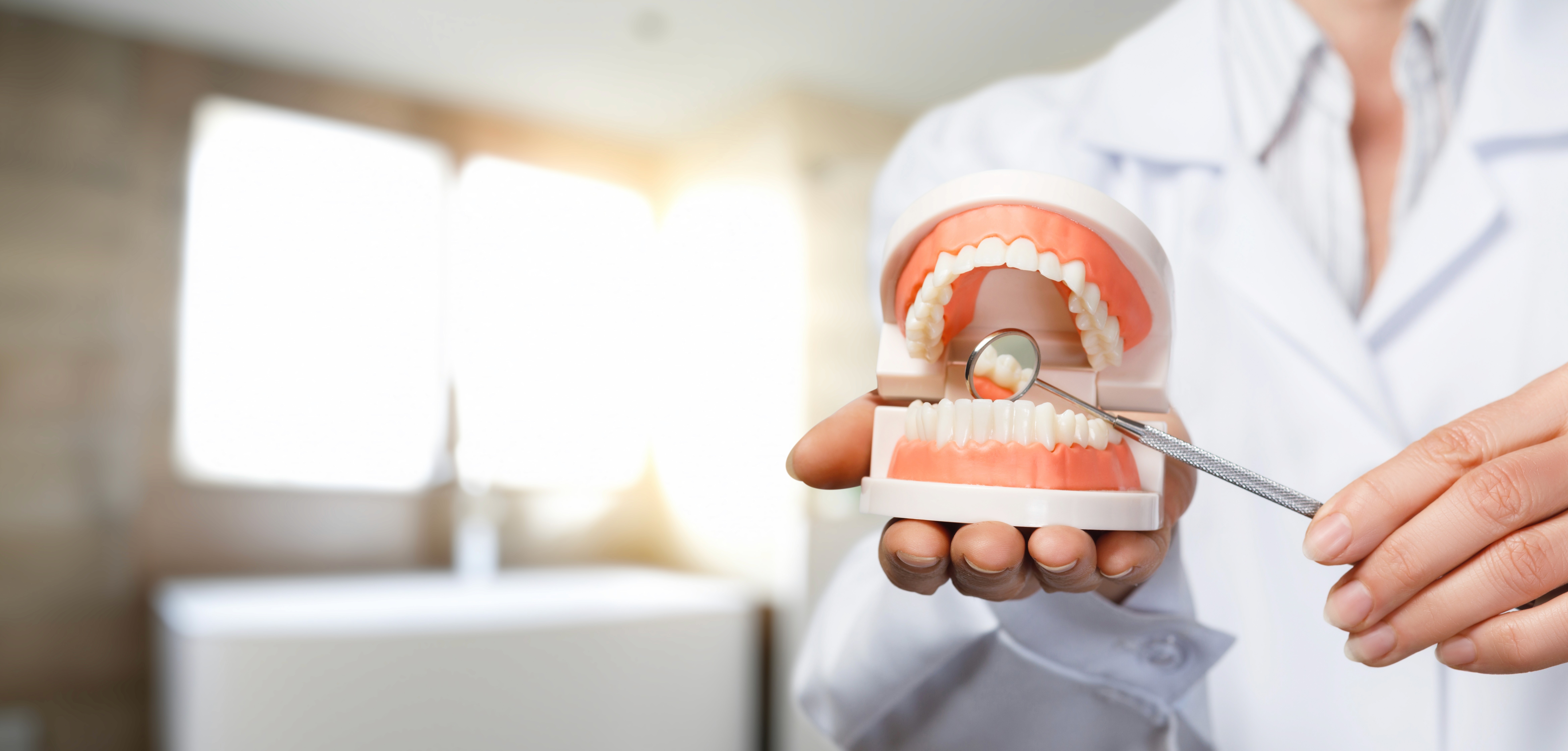
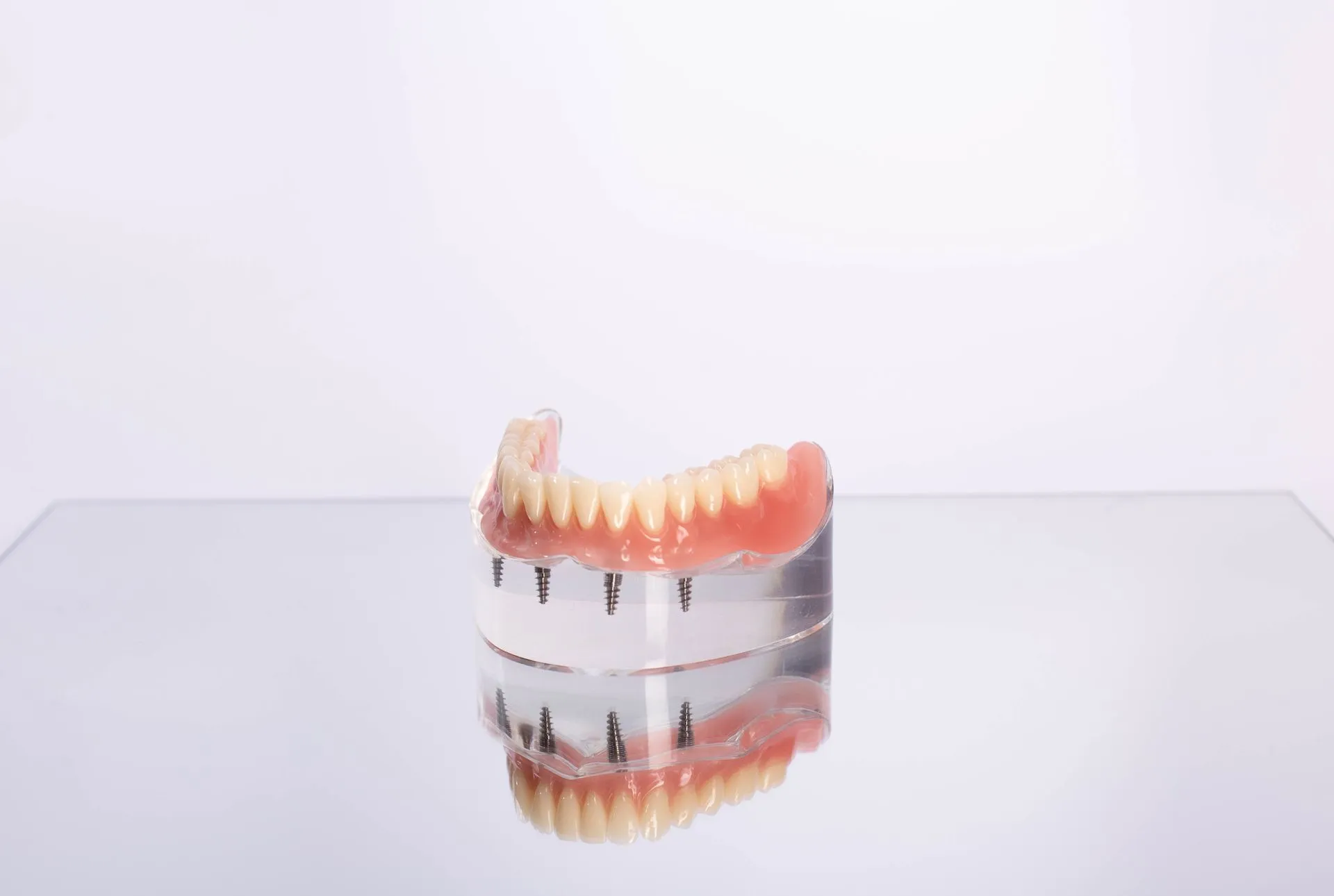
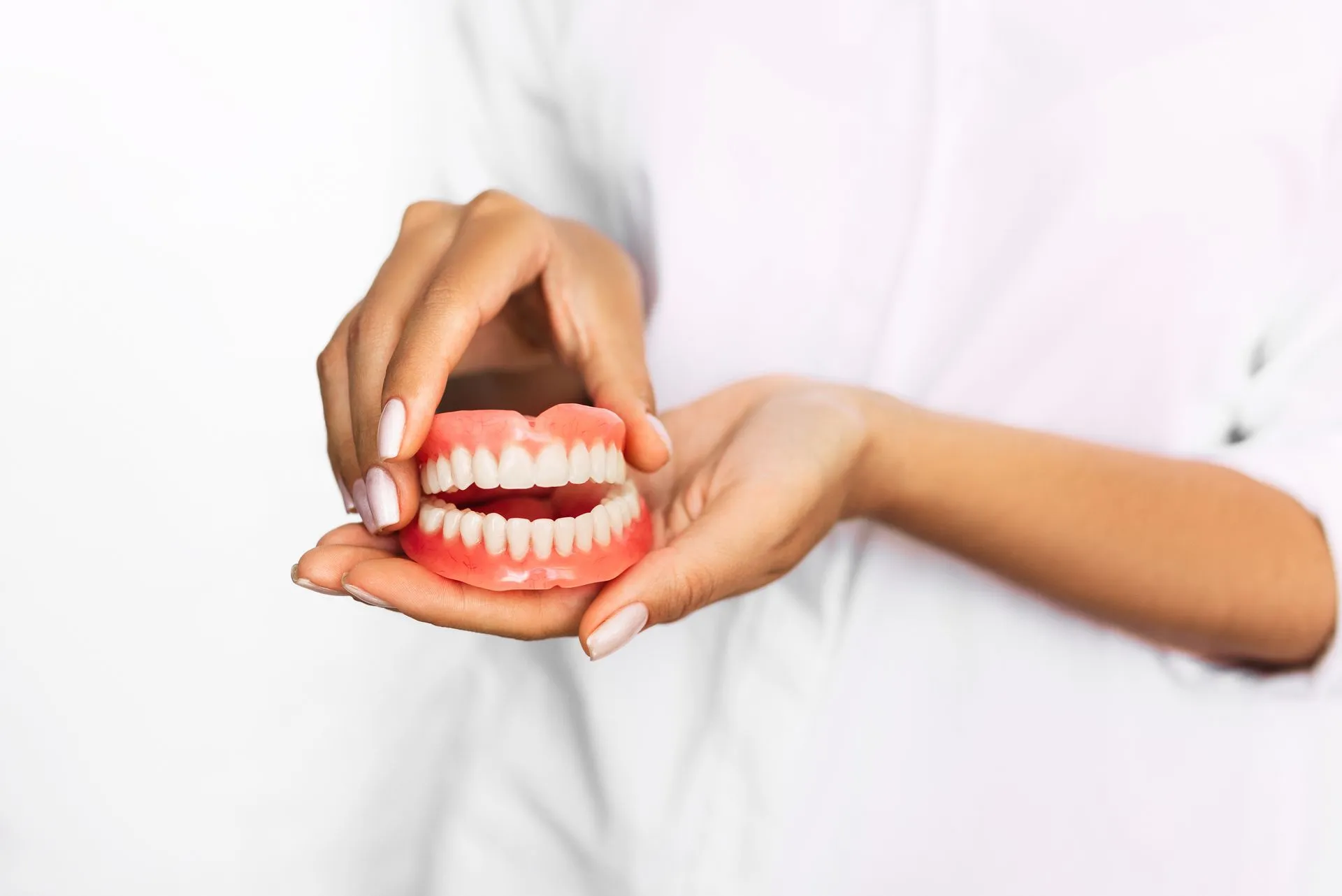
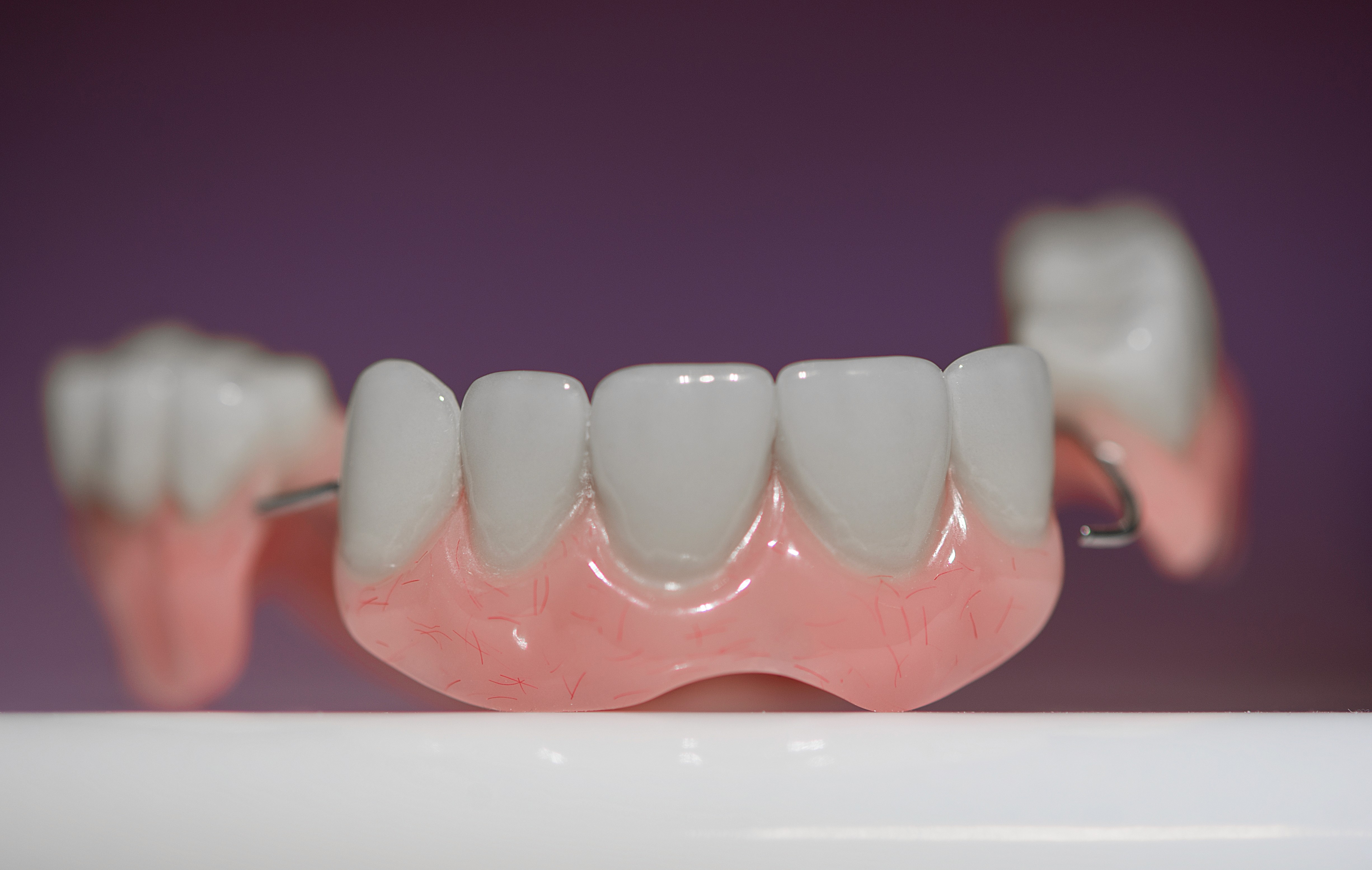
A removable dental prosthesis is a device that replaces missing teeth and can be taken out of the mouth by the patient for cleaning or rest. There are two main types:
Partial removable dental prosthesis: when the prosthesis replaces only some teeth, relying on natural teeth and adjacent soft tissues;
Total removable dental prosthesis (commonly known as dentures): when it replaces all the teeth in a dental arch (upper, lower, or even both).
What is a dental implant?
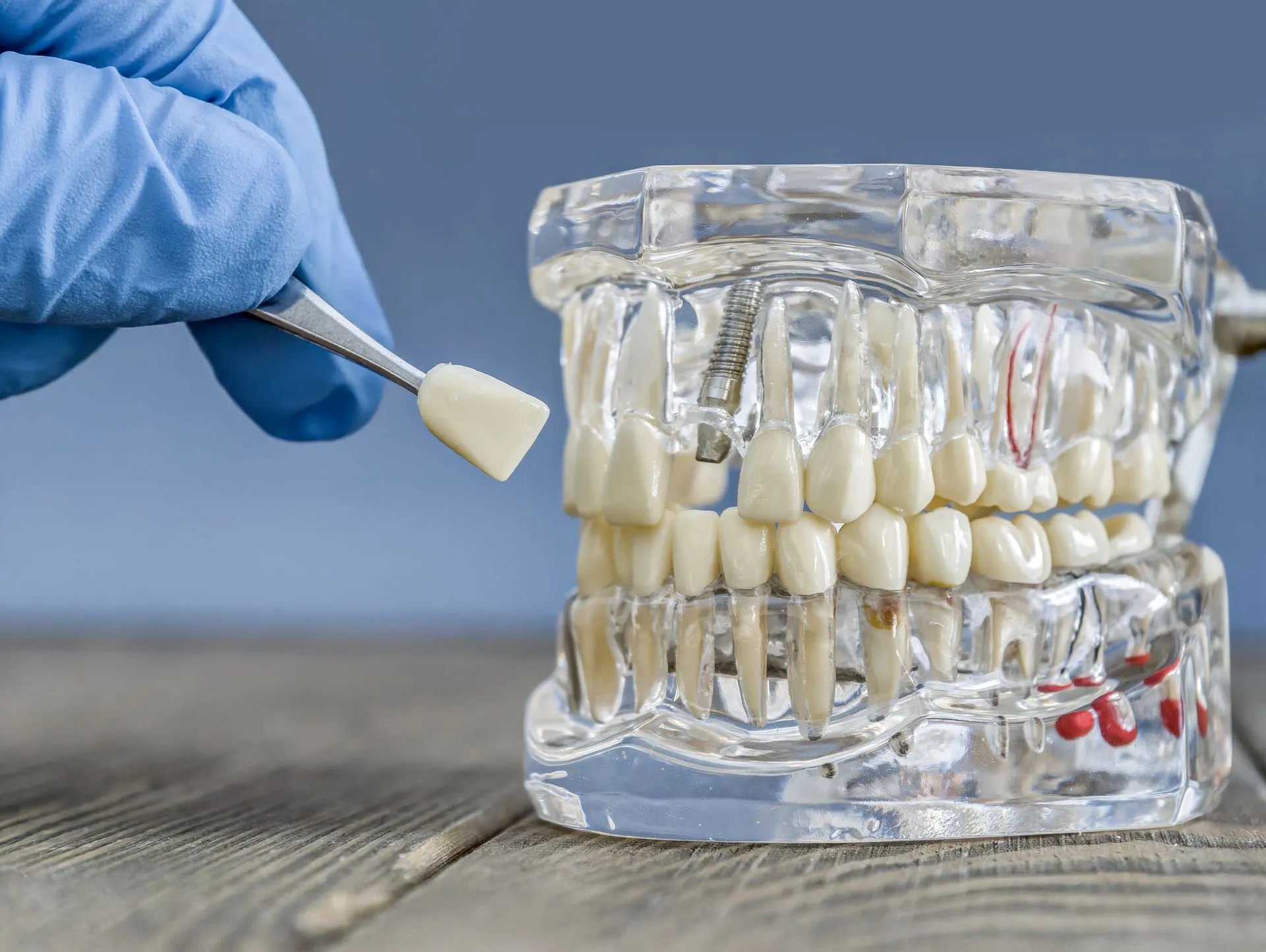
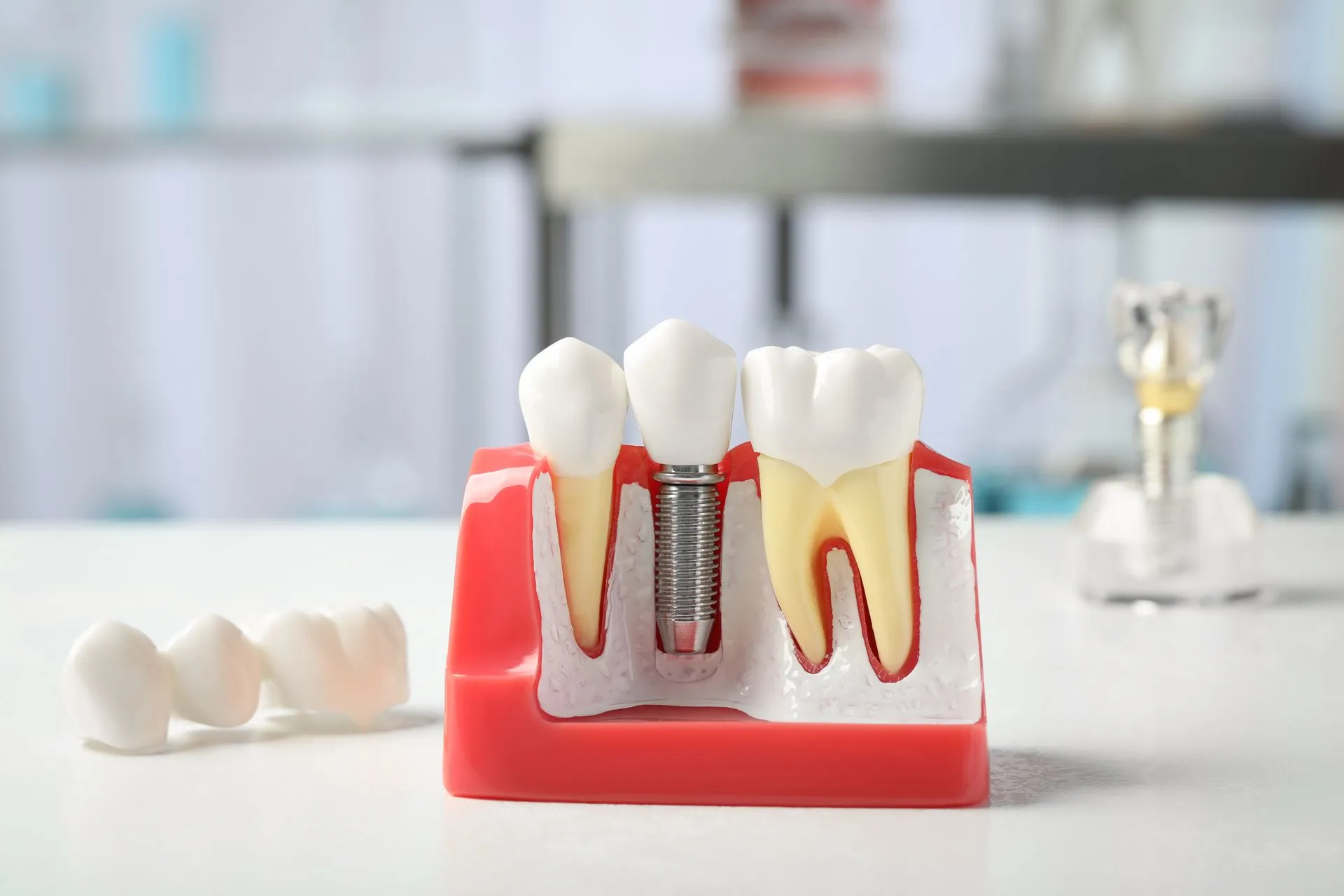
A dental implant is a titanium structure surgically placed in the jawbone, acting as an artificial root. This serves as the base for the crown (or bridge), which is custom-made and placed to permanently and durably replace the lost tooth or teeth.
Unlike removable dental prostheses, once the implants integrate into the bone, fixed prostheses on implants become a more stable, durable, and functional solution that ensures not only aesthetics but also the full function of natural teeth.
What is the best solution?
Despite the lower cost (and being, therefore, a more economical solution), the removable dental prosthesis has some disadvantages compared to fixed solutions on dental implants, including:
Lower stability: Since it can be manually removed by the patient, it is common, especially over time, for it to come loose while chewing or speaking, causing greater discomfort and even a lack of confidence.
Bone loss: It does not stimulate the bone, which can lead to reabsorption over time.
Initial discomfort: In the initial uses, the patient may feel discomfort when using the removable dental prosthesis.
Inferior aesthetics: Although it has evolved and currently resembles natural teeth, it remains a less natural option compared to implant solutions that can be made from nobler materials with better aesthetic and functional characteristics.
On the other hand, dental implants allow:
Maintain aesthetics: The crown or partial or full bridges are placed on the dental implant in a completely personalized manner, both in shape and in color, becoming practically indistinguishable from natural dentition.
Comfort and functionality: Allows chewing, speaking, and smiling with complete confidence, without risks of displacement.
Bone preservation: The implant stimulates the bone helping to avoid or stabilize bone reabsorption.
High durability: With good oral hygiene and adhering to a maintenance protocol with regular check-ups, dental implants offer durability for several decades.
It is important, nevertheless, to understand that this is a solution that involves performing surgery that should be planned and carried out by a dentist specialized in implantology. There is also a postoperative recovery process that, although not complex, requires adherence to various clinical recommendations.
What is the procedure for placing a dental implant?
To place a dental implant, several customized steps are taken. The procedure generally follows these steps:
Initial assessment and planning: The dentist conducts a diagnostic consultation, which may include panoramic X-rays or other radiological examinations such as CBCT (Cone Beam Computed Tomography), to assess the bone condition and accurately plan the placement of the implant.
Implant placement surgery: In a procedure, the implant is inserted into the jawbone. The surgery is performed, in most cases, under local anesthesia, being a painless process.
Immediate crown/bridge placement: In the case of one or more visible teeth, immediately after surgery, a provisional crown or bridge is placed, when possible, that immediately restores function and aesthetics.
Osteointegration period: After surgery, the implant needs time, which can range from 4 to 6 months, to integrate into the bone.
Final crown or bridge placement: When the implant is fully integrated, a custom crown or bridge is placed to fully meet both functional and aesthetic requirements.
Follow-up and maintenance: Like any dental treatment, implants require a protocol of periodic maintenance check-ups and good oral hygiene care to ensure their longevity.
The All-on-4 Solution
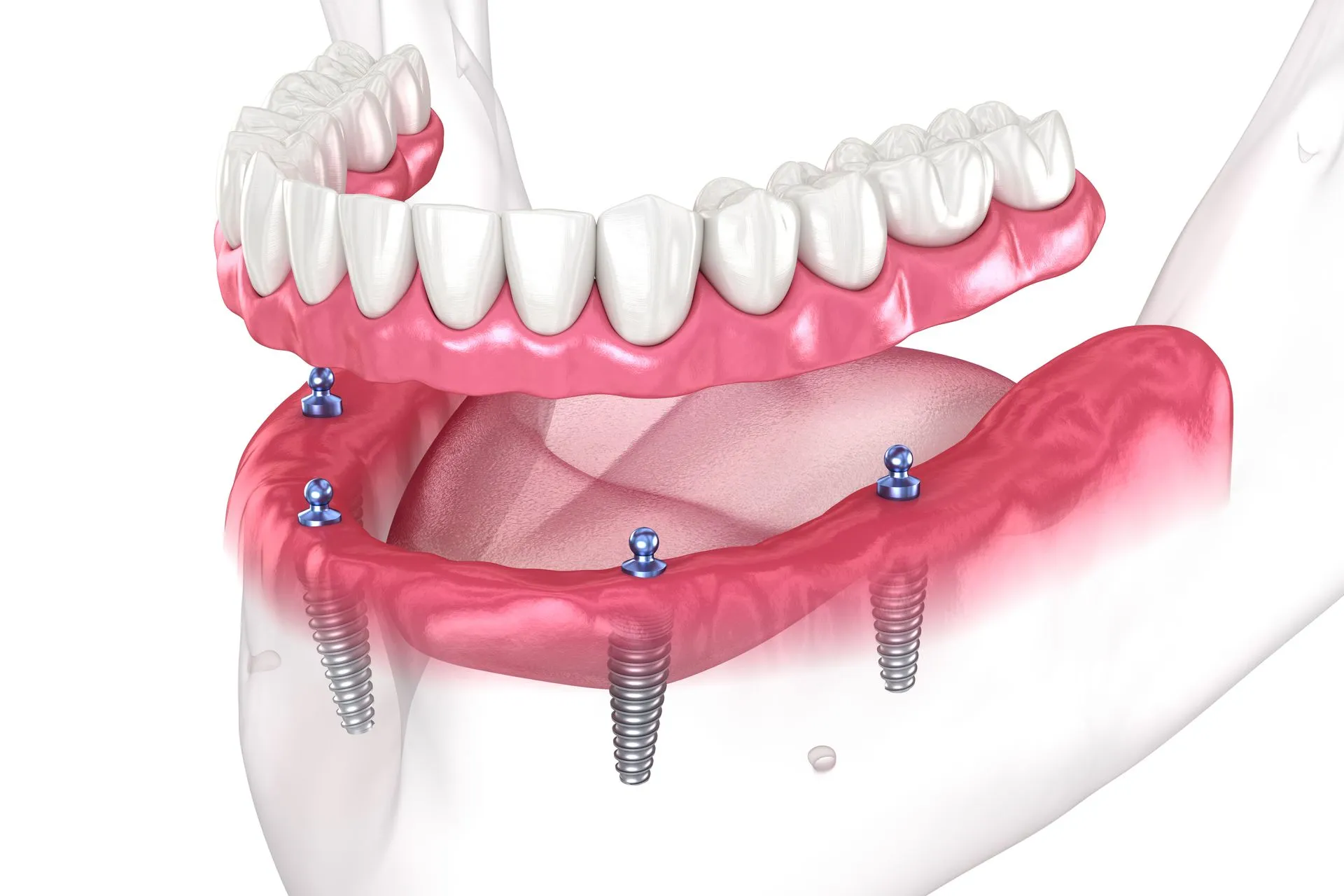
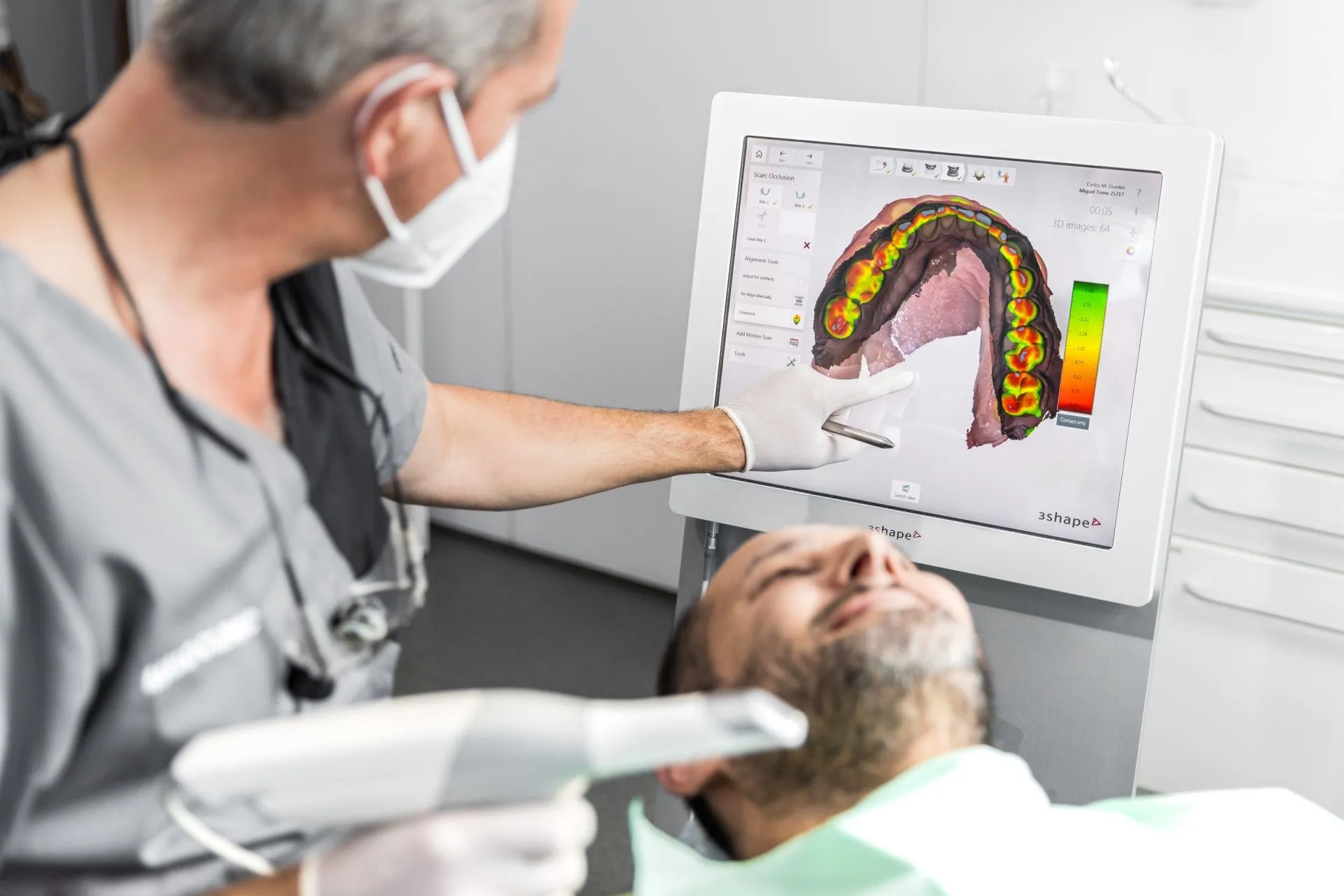
For those who have lost all their teeth, or where the remaining teeth are no longer viable, the All-on-4 treatment, in which MALO CLINIC has been a pioneer for over two decades, can be an effective solution, as it allows for the rehabilitation of fully edentulous patients with the placement of only 4 titanium implants in each jaw, through a quick and minimally invasive procedure. Recently, the All-on-4 procedure has integrated a fully digital protocol that reduces the treatment time from 8 to 3 hours, with much greater predictability, safety, and comfort for the patient.
In conclusion, although removable dentures may seem to be a more affordable solution for replacing lost teeth, dental implants offer a more durable, comfortable, and aesthetically natural alternative. Therefore, if you are considering one of these options, the first step should be to schedule an evaluation appointment with the dentist to understand which is the best solution and to initiate any necessary procedures to restore quality of life.