Can All-on-4 be the ideal fixed teeth solution for me?
The lack of bone in the jaw can be seen as a discouraging obstacle for those wishing to have dental implants. However, the truth is that in the vast majority of cases it is possible to proceed with oral rehabilitation with implants without the need for complex and lengthy bone grafting processes. The All-on-4 protocol allows for the strategic positioning of implants, avoiding areas with significant bone loss. In this article, discover more about this innovative technique and learn how it can be a solution for rehabilitation with fixed teeth, even in more complex clinical cases, such as a lack of bone in the jaw.
Lack of bone in the jaw: the main obstacle to rehabilitation with implants
The lack of bone in the jaw is a natural consequence when teeth are no longer present to stimulate the bone. That is, whenever a tooth is extracted or lost and not replaced, the alveolar bone - which supported it - begins to reabsorb in the absence of functional stimulation, progressively decreasing in height and thickness.
Although tooth loss is the main cause of bone loss, the lack of bone in the jaw can actually be associated with other causes, namely:
Periodontal disease – inflammation and infection of the gums, if untreated, gradually destroys the supporting bone
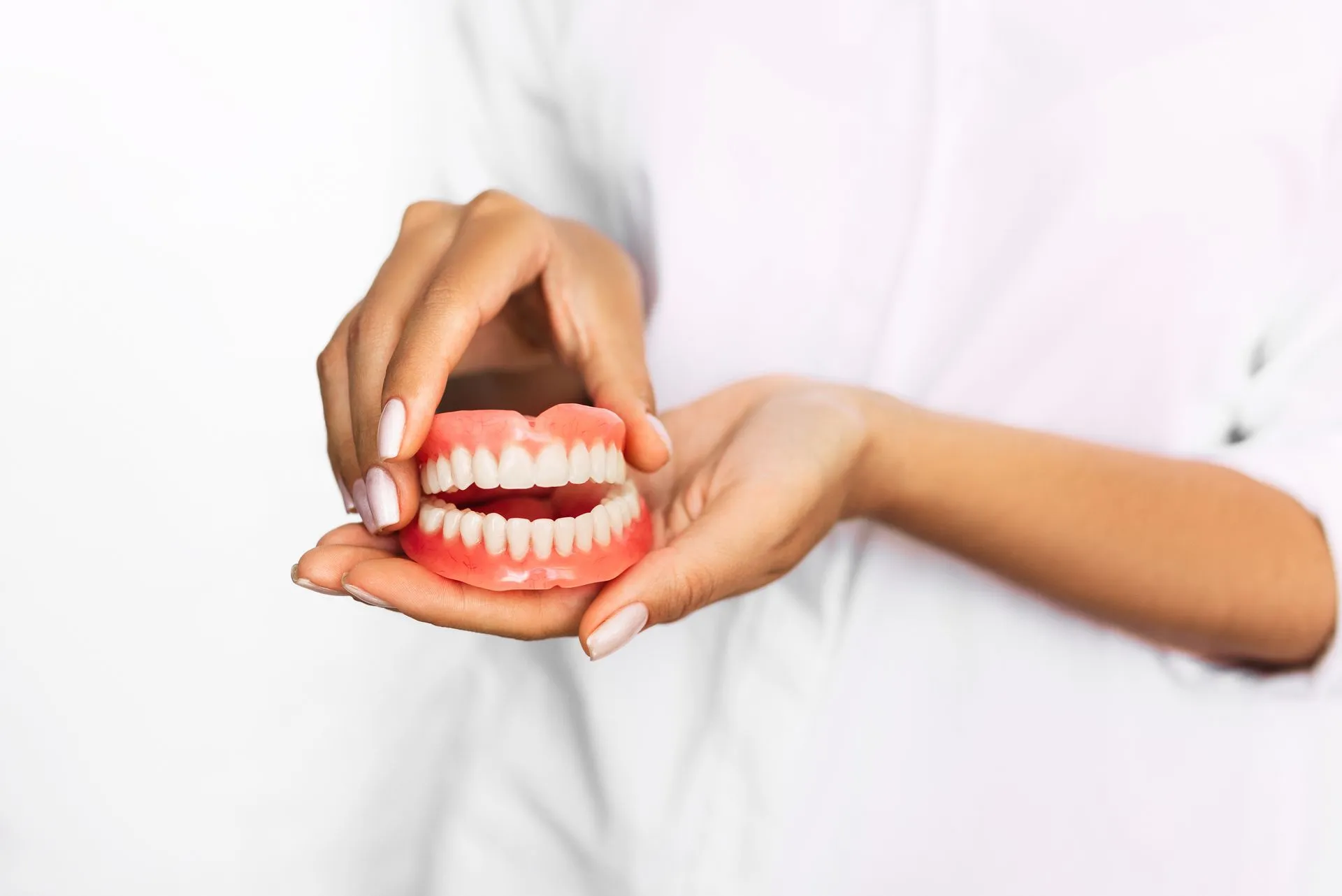
Ill-fitting removable dentures – as they do not provide the necessary masticatory stimulus to prevent the bone reabsorption process.
Dental traumas or infections.
Systemic diseases such as osteoporosis and habits, smoking or poor oral hygiene.
The result is that, over time, the jaw loses volume and bone density. For those wishing to have implants, this reality can become a challenge, as the bone is the fundamental foundation for the stability and durability of implant treatment. In light of this situation,
All-on-4: the rehabilitation solution even in cases of severe bone loss and lack of bone in the jaw
The All-on-4 is not just an alternative. It is a solution developed specifically to address patients with moderate to severe bone loss, and lack of bone in the jaw, where rehabilitation with multiple implants and grafts would be difficult to execute or even contraindicated.
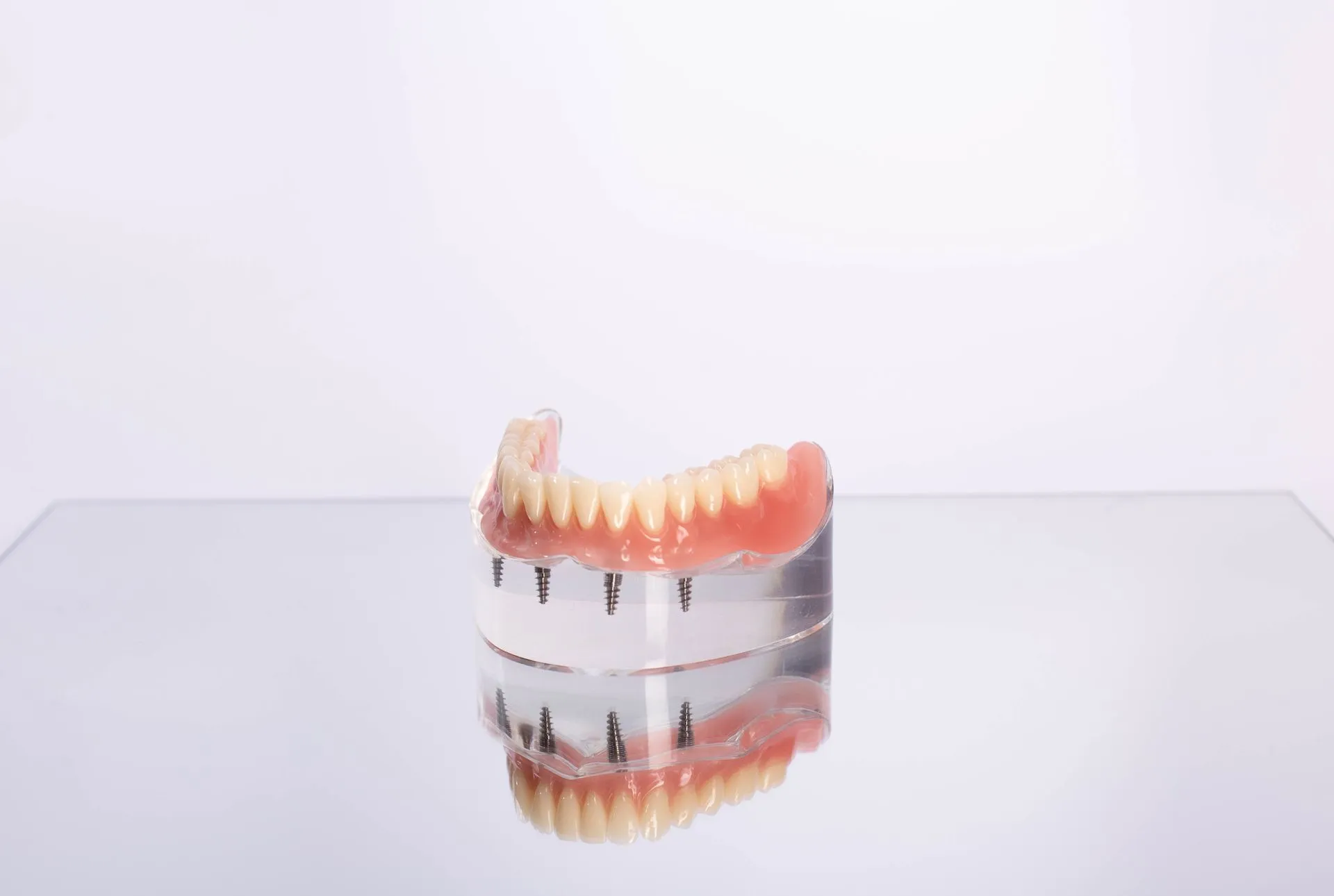
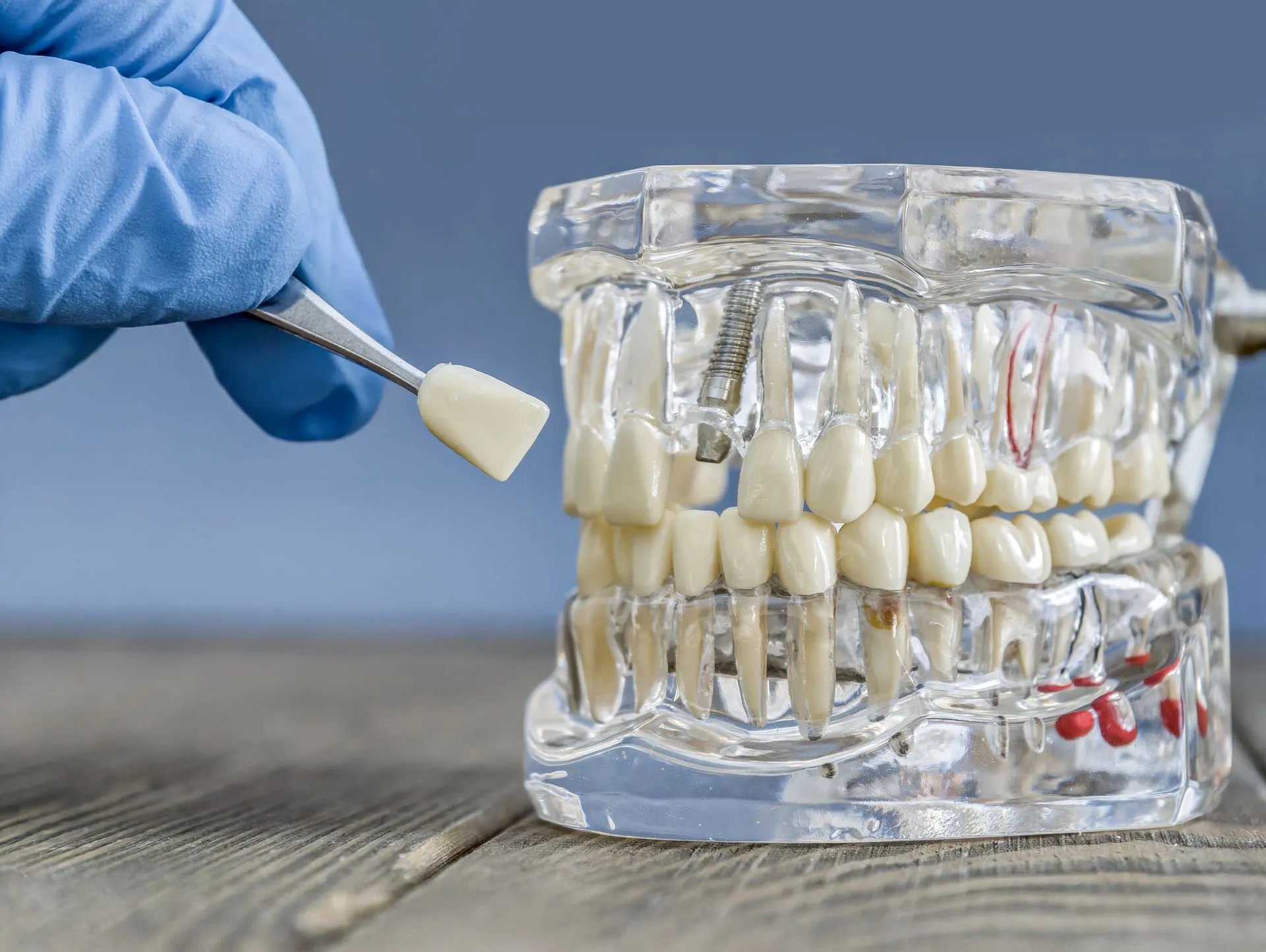
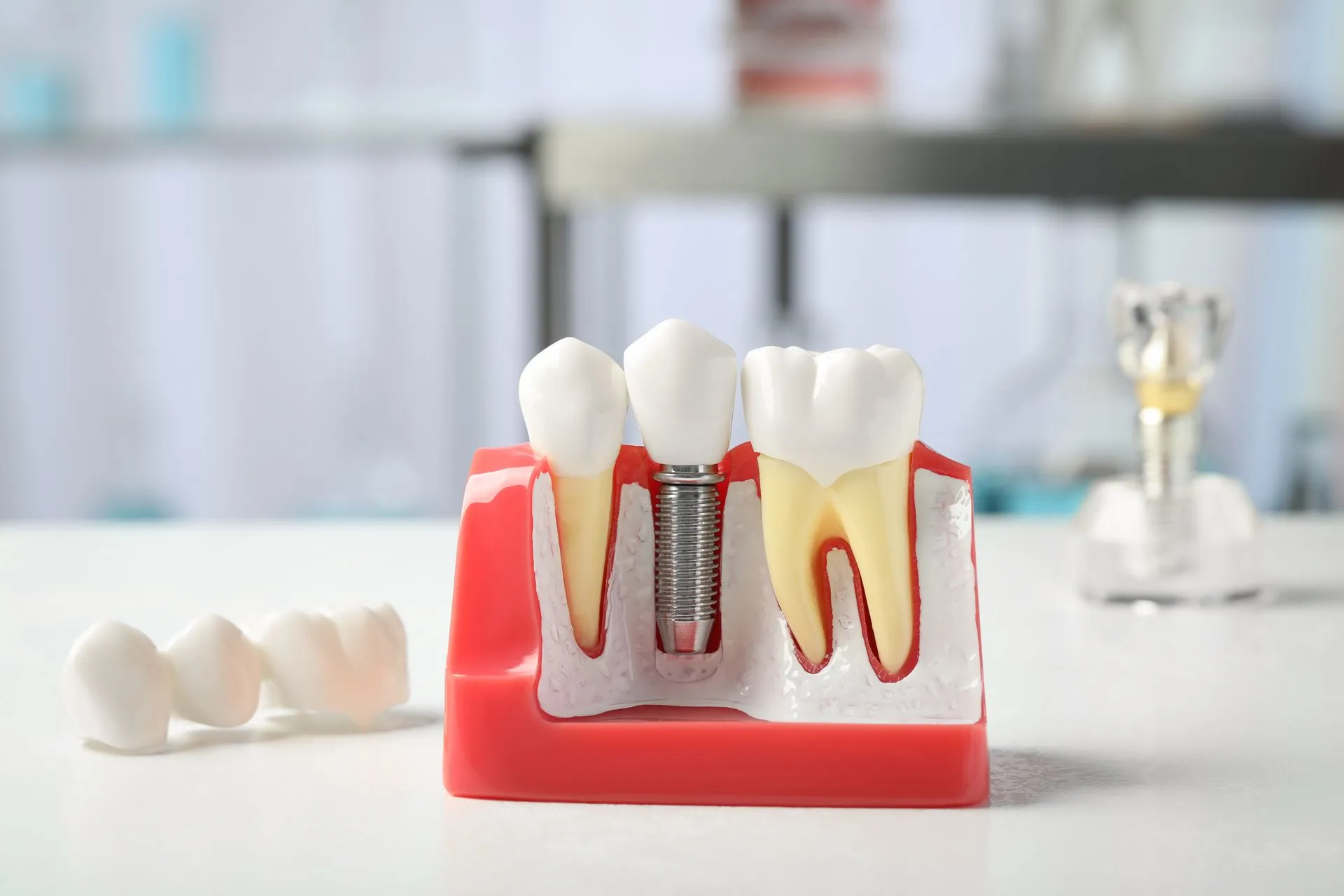
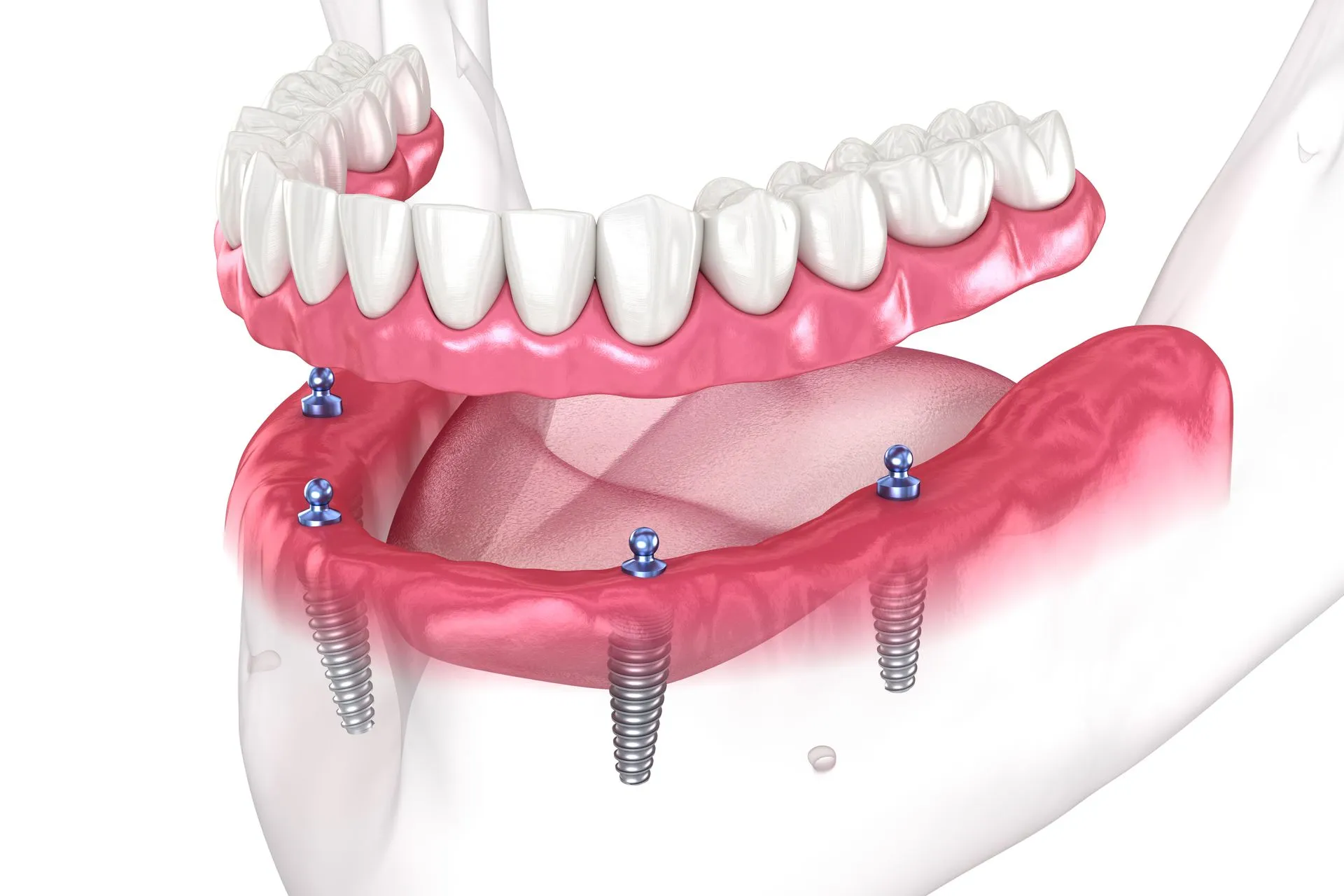
This innovative concept is based on the placement of only 4 implants to rehabilitate a complete arch: two anterior implants in an axial position and two posterior implants inclined up to 45º. This inclination allows for anchoring the implants in anatomical areas where bone is still available, avoiding the need for grafts. In cases of severely atrophic jaws, it is also possible to use longer implants, either exclusively or combined with standard implants, which in this case will anchor in what is called zygomatic bone.
It is a surgical approach that drastically reduces the complexity of the treatment, allowing for the placement of a fixed prosthesis a few hours after the surgery.
What distinguishes this approach in the context of bone loss
Avoids grafts: even in areas where, through conventional means, there would not be enough bone available to place implants;
Minimises the number of surgeries: reduces risks and recovery time;
Allows immediate loading: fixed teeth on the same day and about 4 hours after the start of the procedure;
High success rate even in atrophic maxillas: over 96%* in cases with 10 years of follow-up. This clinical predictability is possible thanks to a rigorous surgical protocol, the careful selection of implants used based on the evaluation of the quality and quantity of available bone, and the integration with digital planning technology.
*de Araújo Nobre, M., Lopes, A., Nunes, M., Vitor, I. “Outcome of Extra-maxillary zygomatic implants using the All-on-4 treatment concept for full-arch rehabilitation of the extremely atrophic maxillae – Retrospective study with 10 years of follow-up”, Clinical Oral Implants Research, 2025; Volume 36: S222-223.
Exclusive digital planning of MALO CLINIC
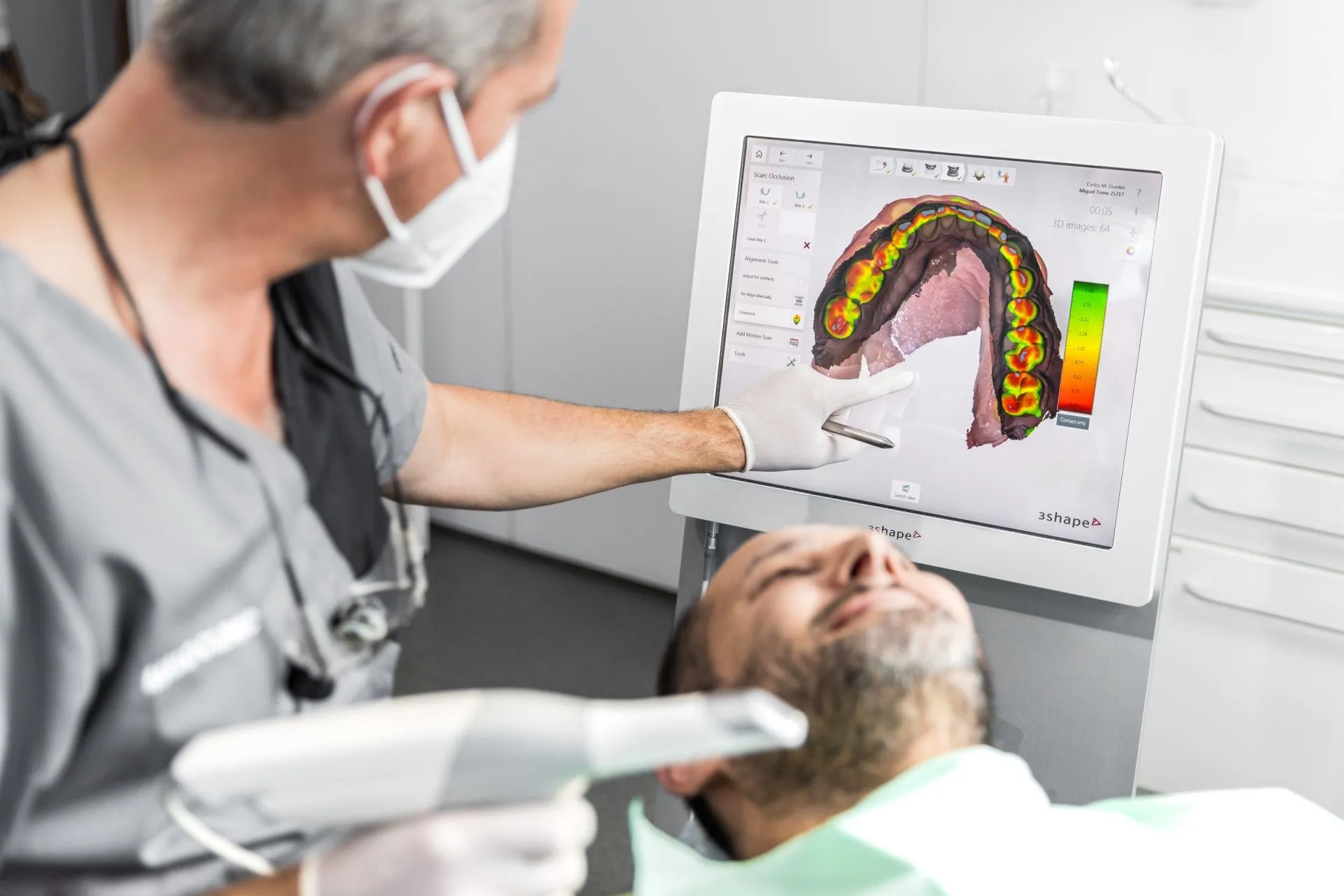
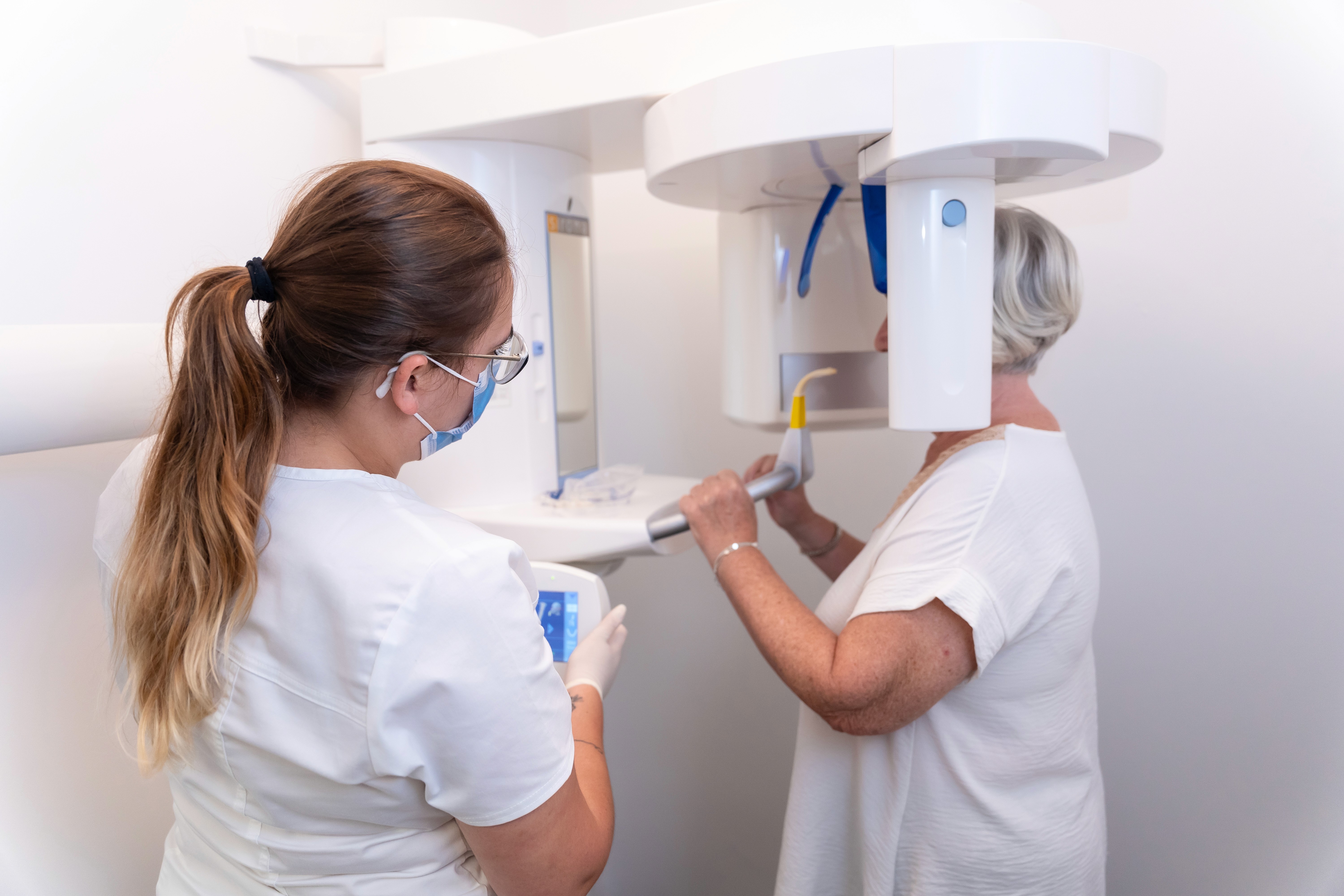
Before surgery, the patient undergoes a computed tomography scan and an intraoral scan. This data is integrated into 3D planning software, which allows accurate visualization of areas with and without available bone.
The surgery is virtually planned, considering critical anatomical structures such as the maxillary sinuses or the inferior dental nerve. This planning ensures the exact placement of implants in areas of residual bone support, allowing the rehabilitation of patients who were considered ‘unsolvable’ at other clinics.
Who are the ideal candidates for All-on-4?
Completely edentulous patients/edentulous for several years with or without bone volume loss;
Users of removable dentures with instability or discomfort;
Cases where grafting has been contraindicated for medical reasons;
Patients who wish to avoid lengthy additional surgeries.
At MALO CLINIC, each case is evaluated based on bone availability and density, maxillary anatomy, general health status, and patient expectations. Even in elderly patients or those with a history of significant resorption, All-on-4 can be performed safely and effectively.
Recommendations for maintaining long-term results
The longevity of the treatment depends on three factors:
Proper maintenance: regular routine check-ups and implant maintenance;
Strict daily oral hygiene: brushing with specific brushes and interdental cleaning devices;
Avoiding risky habits: such as smoking or chewing hard objects.
At MALO CLINIC, all patients undergoing this type of rehabilitation are included in a rigorous follow-up and maintenance protocol to ensure that the results achieved last for decades.
Frequently Asked Questions
With the clinical experience of the MALO CLINIC team, pioneers in the technique and the support of cutting-edge technology, the All-on-4 not only restores smiles but also confidence, function, and the quality of life of patients. Because, even in the face of bone loss or lack of bone in the jaw, there is always a solution to smile securely, book your Evaluation Consultation now.