Discover the most suitable dental implant option for each case!
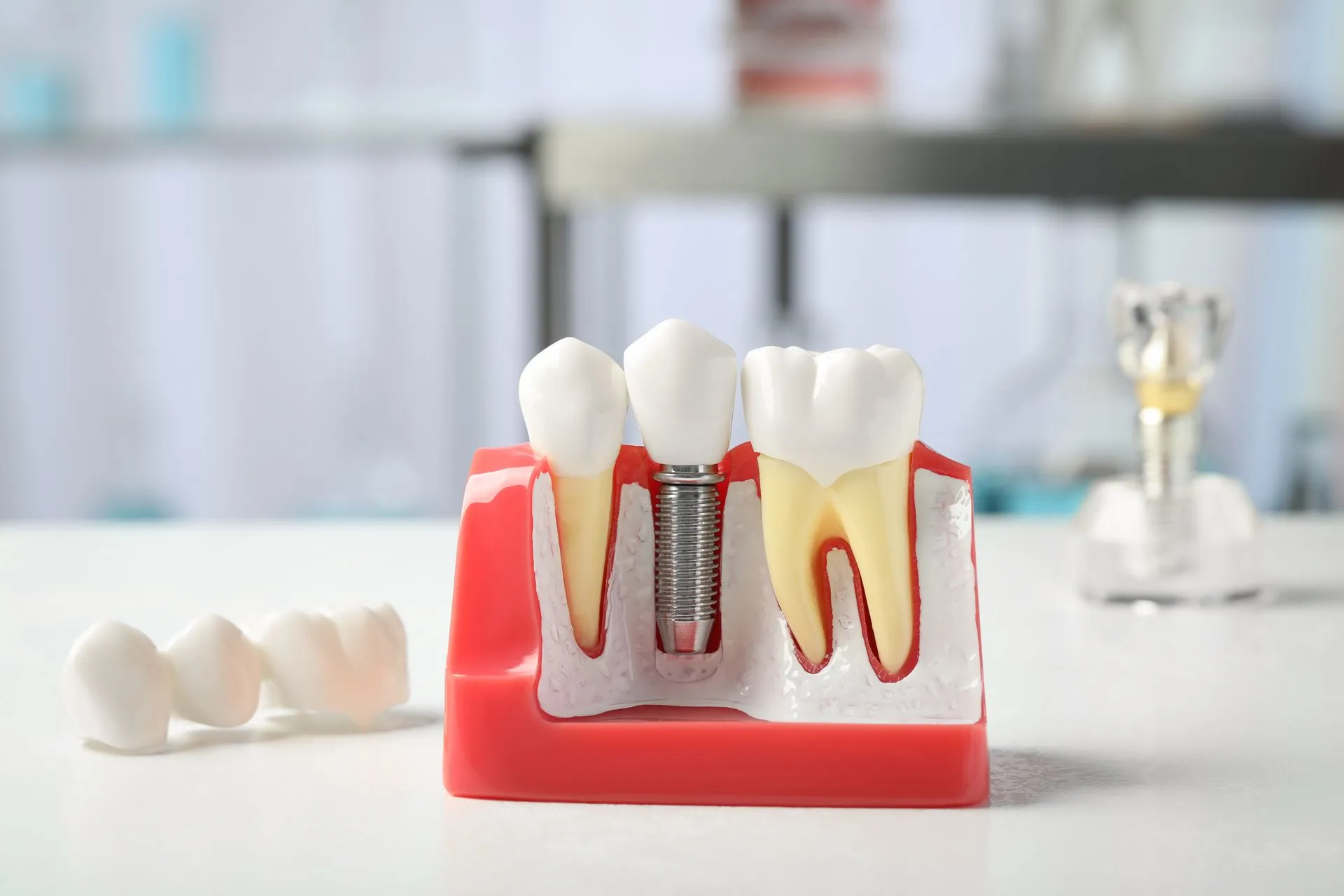
Dental implants are a treatment option for tooth loss, often caused by complications such as dental caries, periodontal disease, or dental trauma. Dental implants are titanium structures that are surgically placed in the upper or lower jawbone, functioning as artificial roots for missing teeth. They serve as support for crowns, bridges, or fixed full dentures, perfectly mimicking natural dentition, allowing for chewing, speaking, and smiling.
What is your case?
Discover the best treatment solution with dental implants:
Just one missing tooth
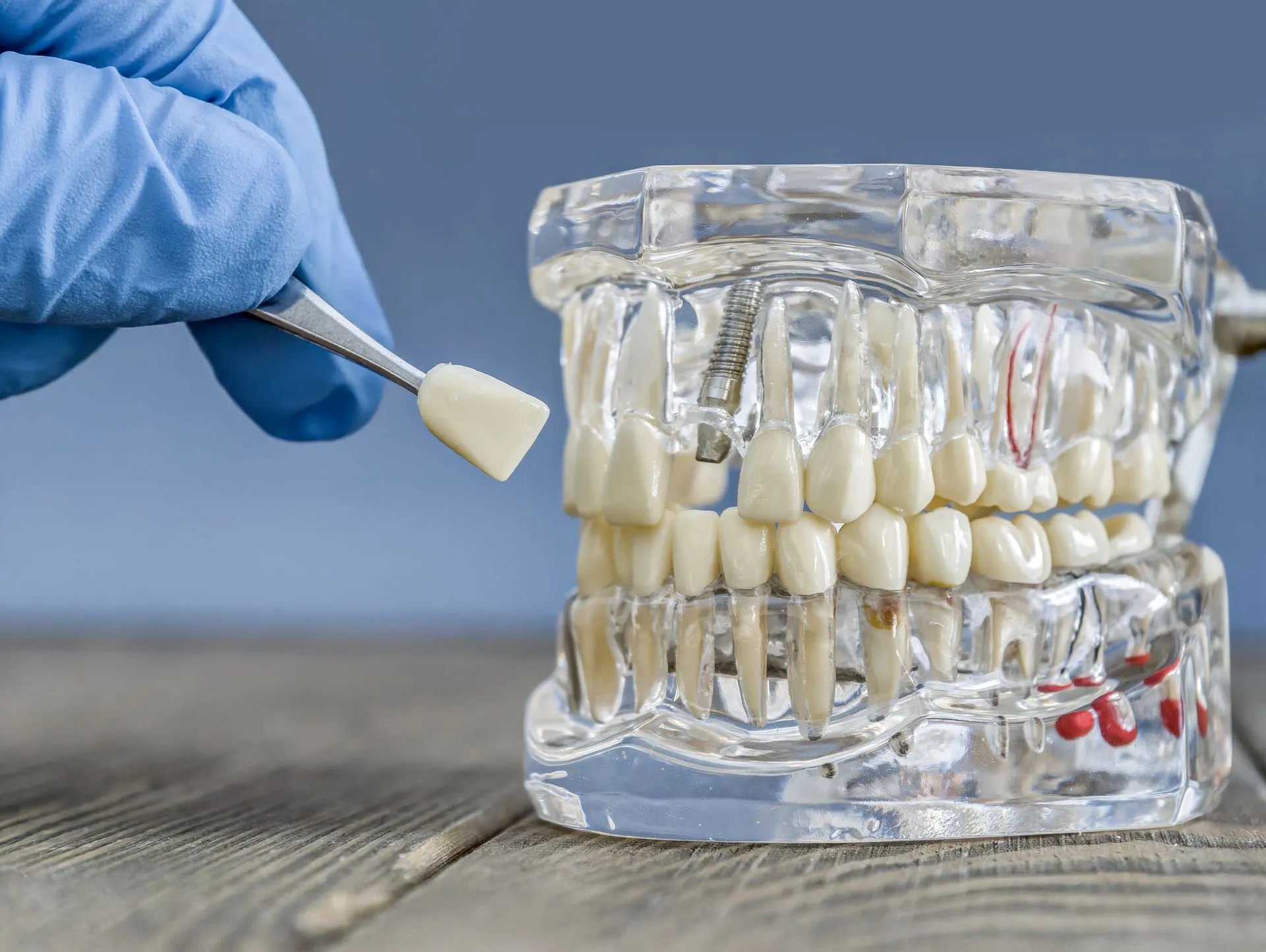
Single dental implants: When it comes to the absence of just one tooth, whether visible or not, it should be replaced to avoid complications in the medium/long term. Dental crowns on implants are one of the most recommended solutions. The crown will be screwed to the implant, perfectly replacing the lost natural tooth, both functionally and aesthetically. This solution also preserves the adjacent healthy teeth as there is no need to wear them down.
Several missing teeth
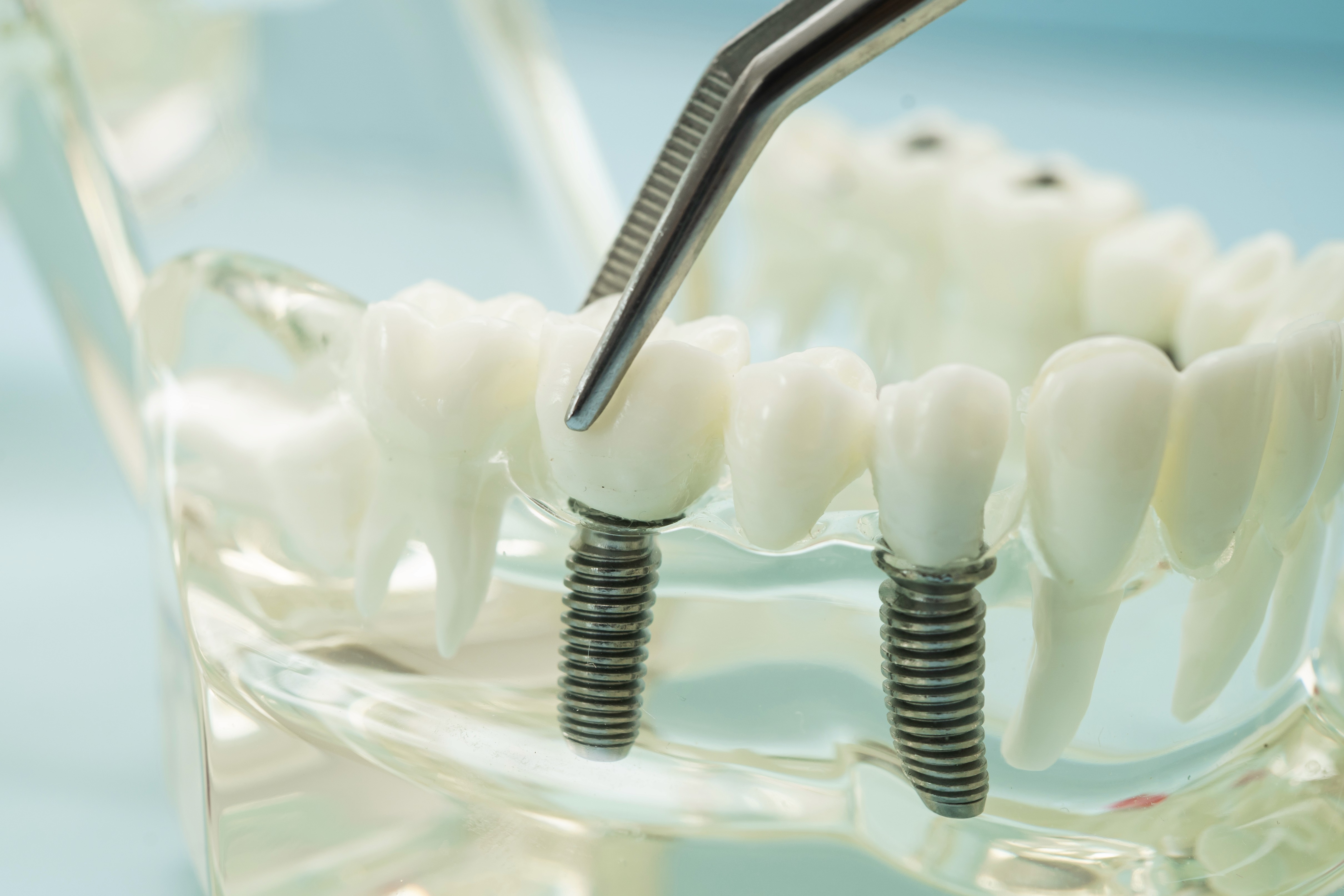
Dental bridges on implants: If you have two or more missing teeth, the ideal solution for your case is to replace them with a bridge supported by dental implants. Bridges consist of a set of adjacent crowns joined together, fixed on just two or more dental implants, which serve as support pillars.
All teeth missing
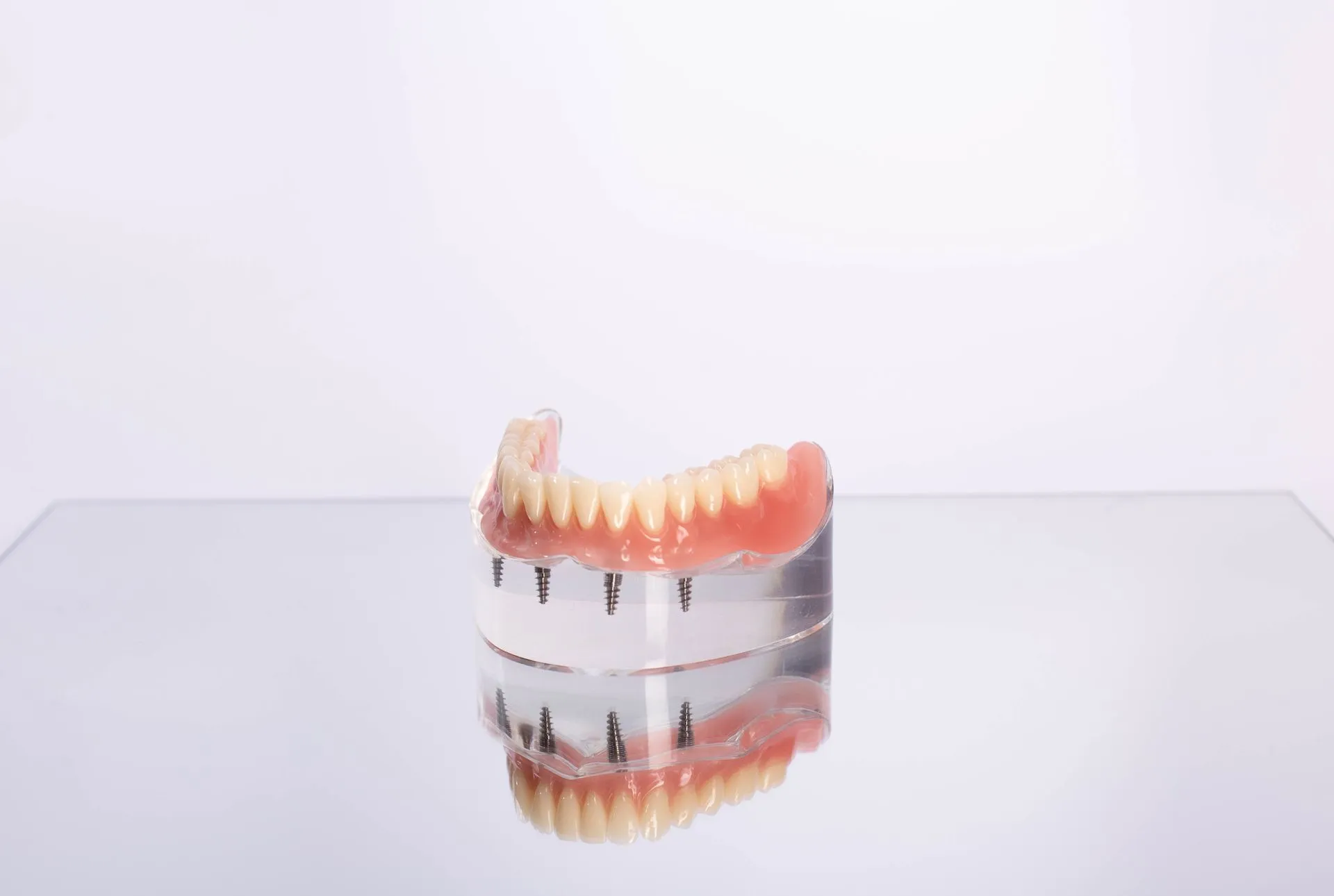
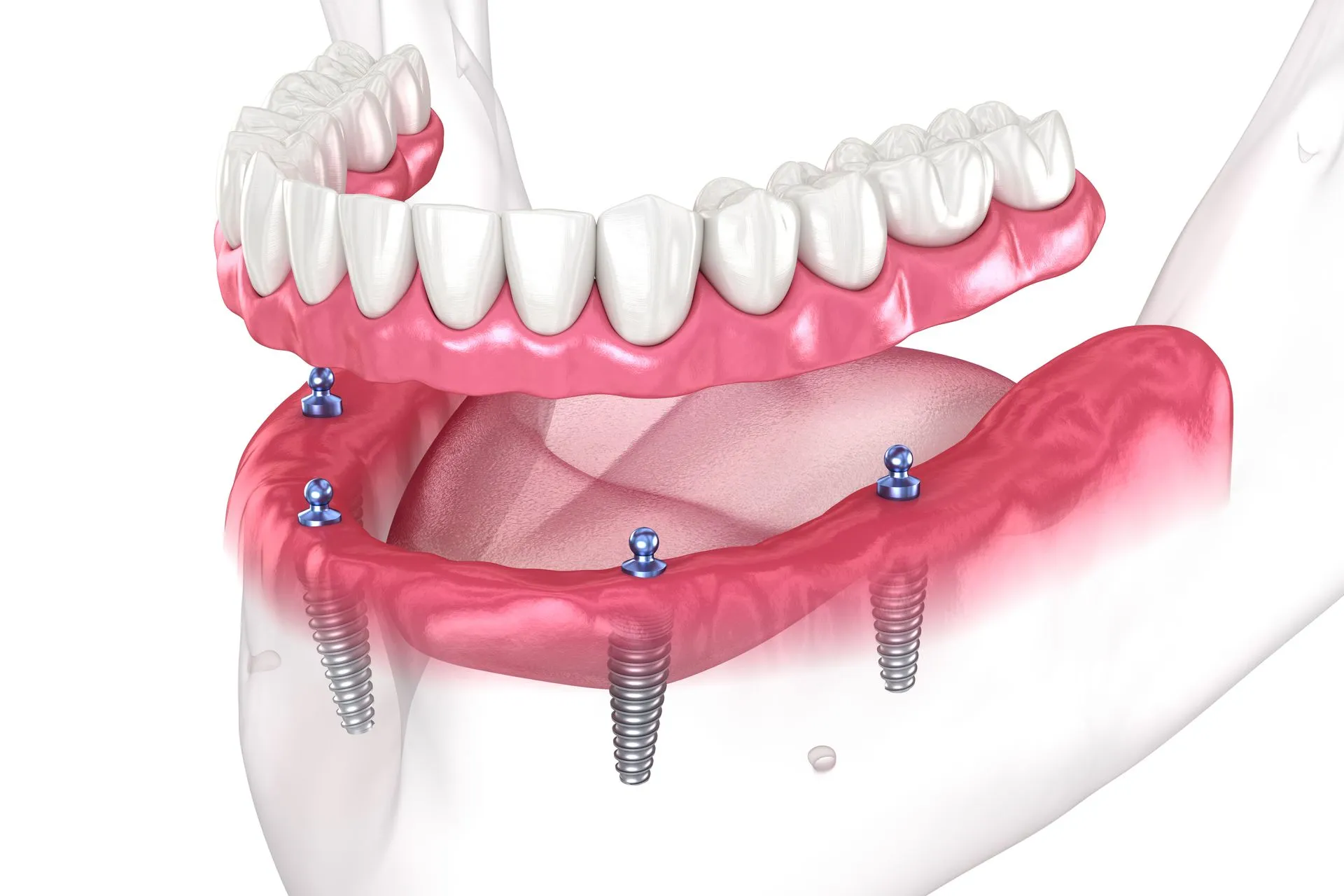
Total rehabilitation with fixed dentures: This is the best solution to replace all teeth in one of the dental arches or both. The implants support a total fixed prosthesis that naturally recreates all teeth. The most recommended technique for total rehabilitation is the All-on-4 treatment, where only four dental implants are used to support the entire prosthesis. This type of treatment, through a simple and minimally invasive procedure, ensures greater stability and durability compared to other dentures.
But what are the advantages of dental implants compared to other tooth replacement options, such as removable dentures?
Durability: Dental implants are designed to offer great longevity as long as the proper care is adopted.
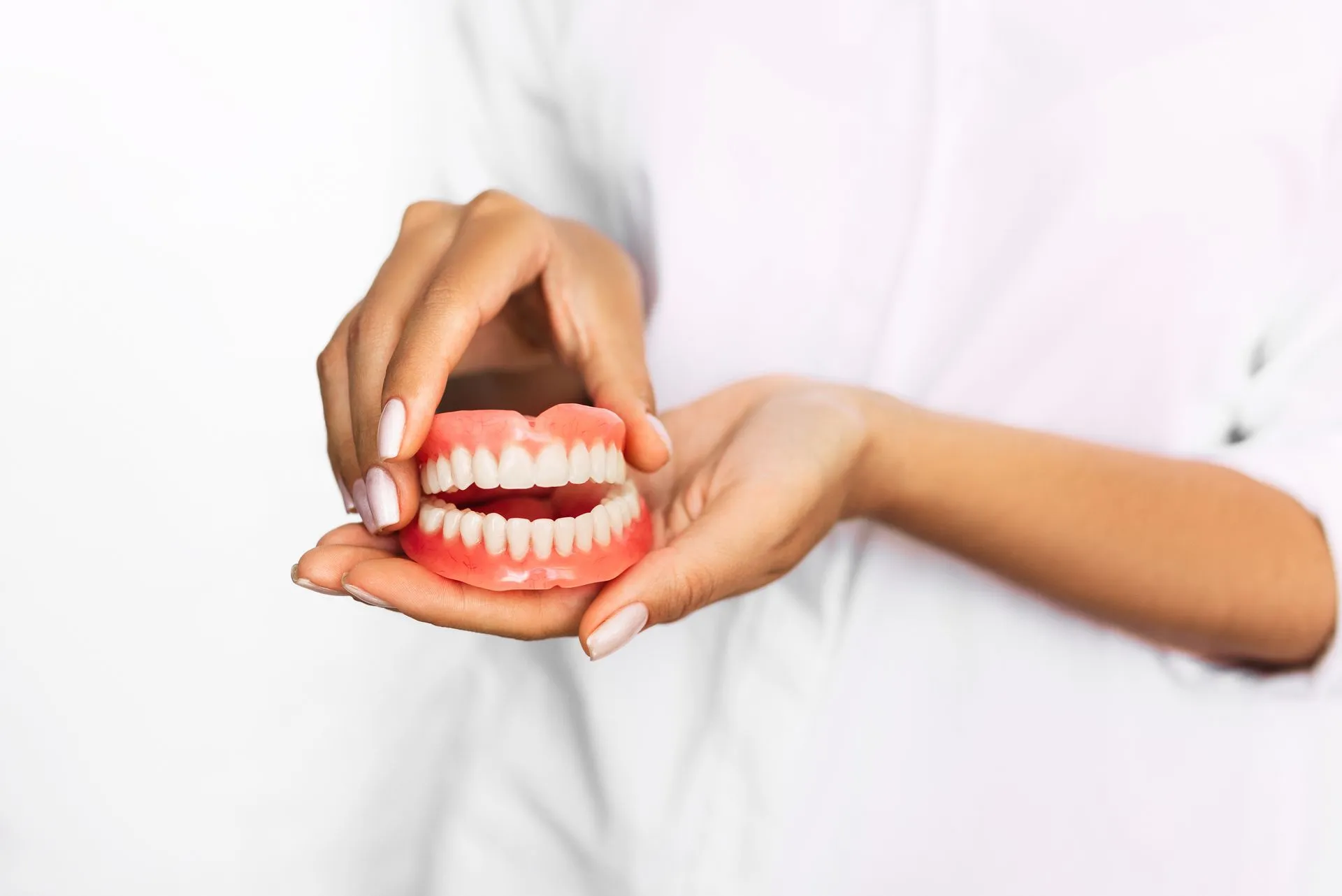
Functionality: Being fixed, dental implants securely and comfortably restore the ability to chew and speak, providing a natural sense of comfort compared to removable dentures, commonly referred to as false teeth.
Aesthetics: They are also tailored to each patient's conditions. The fixed prostheses supported by implants are designed according to the characteristics and expectations of each patient, so that they resemble natural teeth as closely as possible, providing a more natural aesthetic appearance.
Stability: Since they are surgically integrated into the bone structure, dental implants provide superior stability compared to other tooth replacement options that move and are constantly removed. On the other hand, the absence of teeth and prolonged use of removable dentures is associated with continuous bone resorption. By functioning as artificial roots, implants stimulate the bone, preventing or stabilizing bone loss.
How does the process of placing an implant and the prosthesis work?
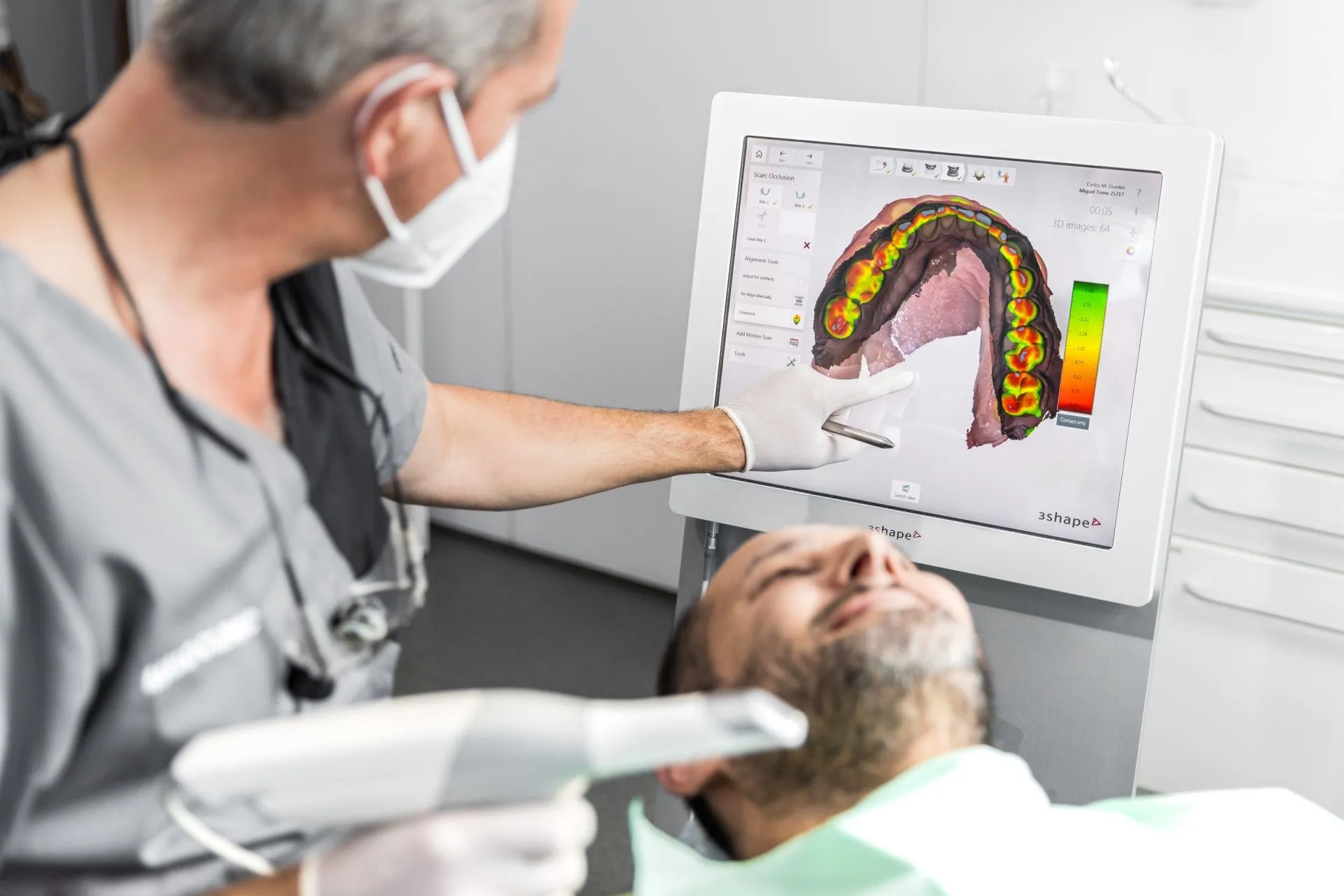
In most cases, the placement of an implant and its respective prosthesis is divided into several phases, and its duration depends on the type of treatment. Currently, it is possible to restore the entire dentition in less than 3 hours through an innovative protocol applied to the All-on-4 concept, the All-on-4 Digital Workflow.
Here are the general steps of an implantology treatment:
Assessment and planning
Implant placement surgery
Production and placement of the immediate prosthesis
Healing period and osseointegration
Placement of the definitive prosthesis
Follow-up and maintenance protocol
Post-operative care
Some of the recommended care and habits after surgery for dental implant placement are:
Medication:
If recommended by the doctor, the patient should follow the prescribed medication. This medication may include pain relievers to alleviate pain and antibiotics to prevent infections.
Apply ice:
To help reduce swelling and alleviate discomfort in the first 36 hours after surgery, it is recommended to apply ice to the facial area corresponding to the surgical site, during regular intervals of 15 minutes with 10-minute breaks. It is also advised to keep the head in a position higher than the body and to sleep with an additional pillow to reduce edema.
Oral hygiene:
To ensure the treatment achieves the desired results, it is essential to maintain good oral hygiene, using a soft-bristled toothbrush and the gel recommended by the dentist twice a day, in the morning and at night.
Diet:
In the first 3 days, the patient should eat cold and soft foods. They should gradually introduce harder and hotter foods while avoiding hard and crunchy foods throughout the process.
Avoid smoking:
Smoking delays healing and increases the risk of complications after surgery. For this reason, the patient should avoid smoking, especially during the recovery period.
Avoid sun exposure and physical exercise:
During the post-operative period (7-10 days), one should avoid sun exposure and should not engage in physical exercise or any activity that requires bending over.
Medical follow-up:
After surgery, a plan will be made with several follow-up appointments to ensure that recovery is progressing as expected.
Although oral rehabilitation with dental implants may be limited in patients with very specific medical conditions that may impact the healing process, it is important to highlight that this type of treatment is not contraindicated for patients with diabetes, osteoporosis, or other health conditions. However, it is always essential to confirm with the dentist which dental implant treatment is most suitable for each patient.