
The lack of dentition is a condition that affects a large part of the Portuguese population, with implications that go beyond aesthetics and can strongly condition the quality of life of patients. After all, the lack of dentition can affect the ability to chew and speak, opening doors to many other complications. But what is the best way to solve this problem? In many cases, the All-on-4® treatment may be the solution.
What is All-on-4?
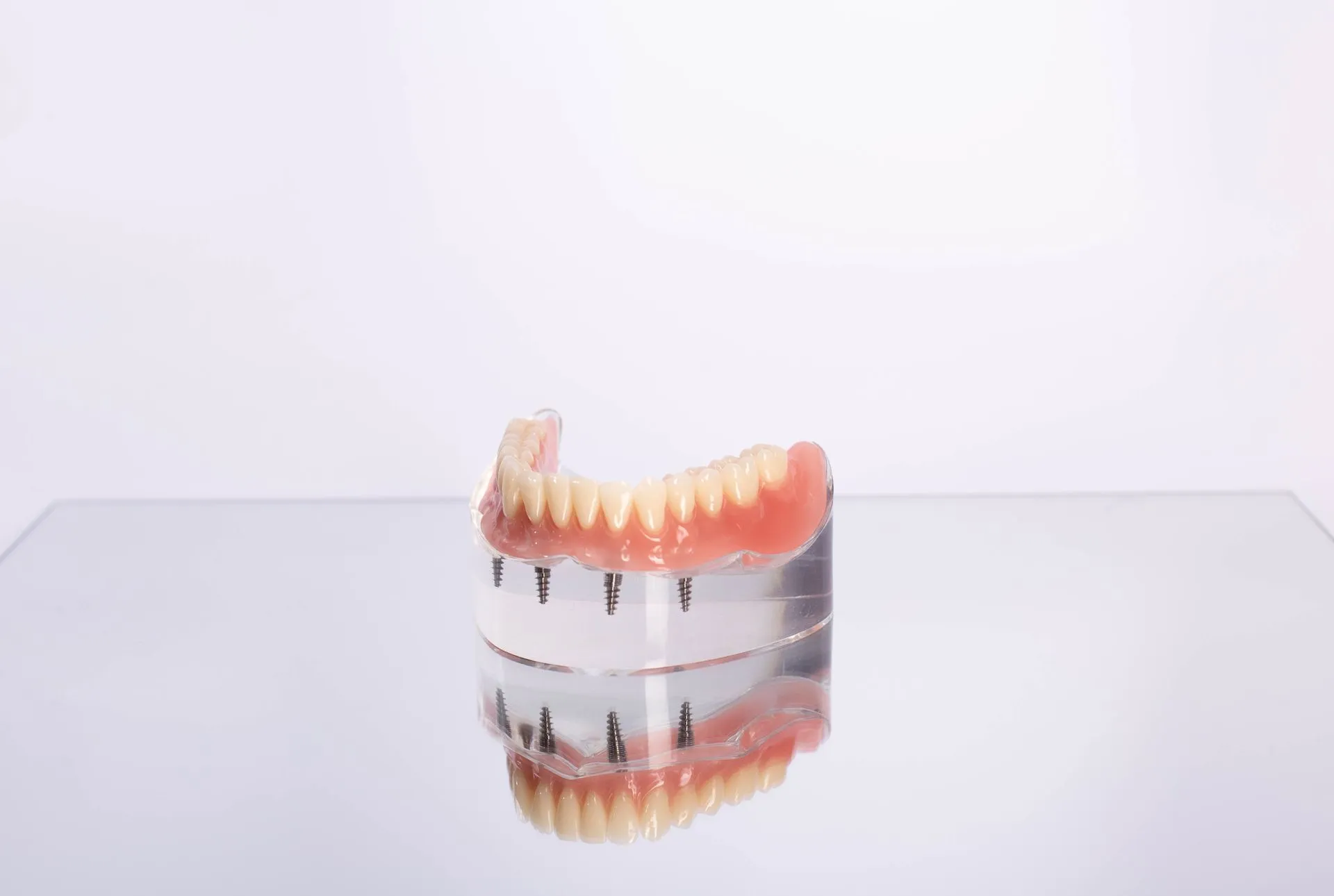
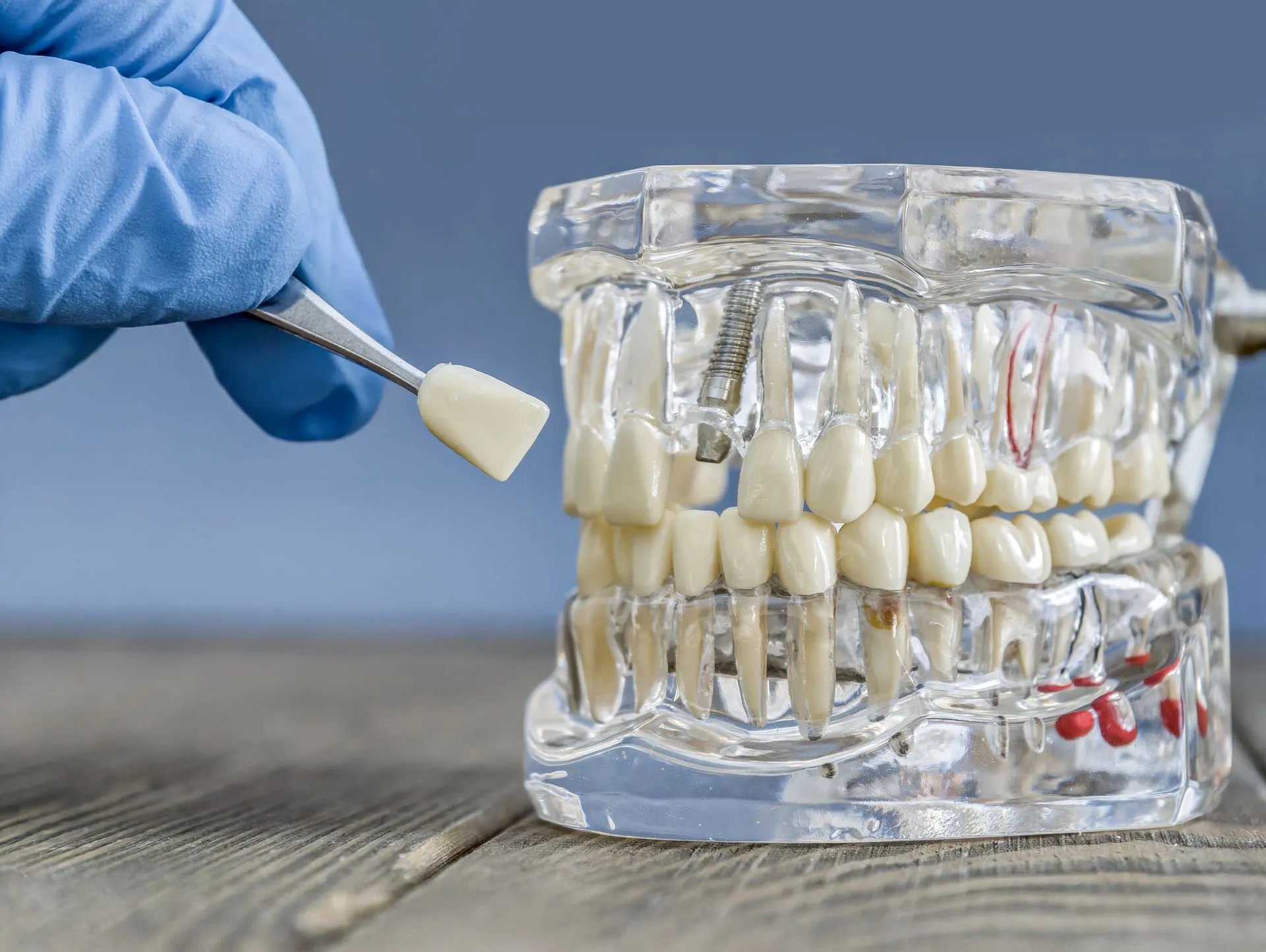
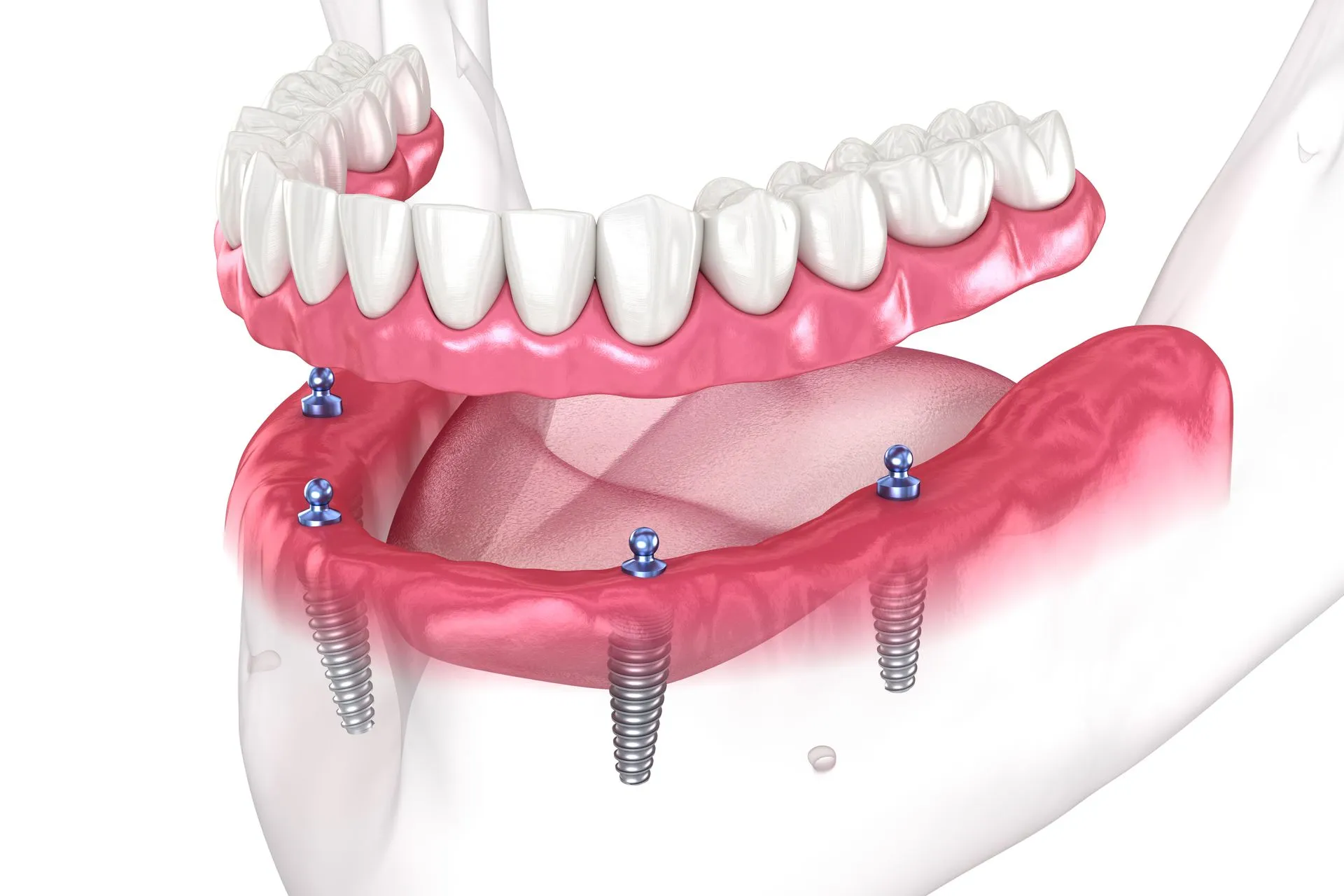
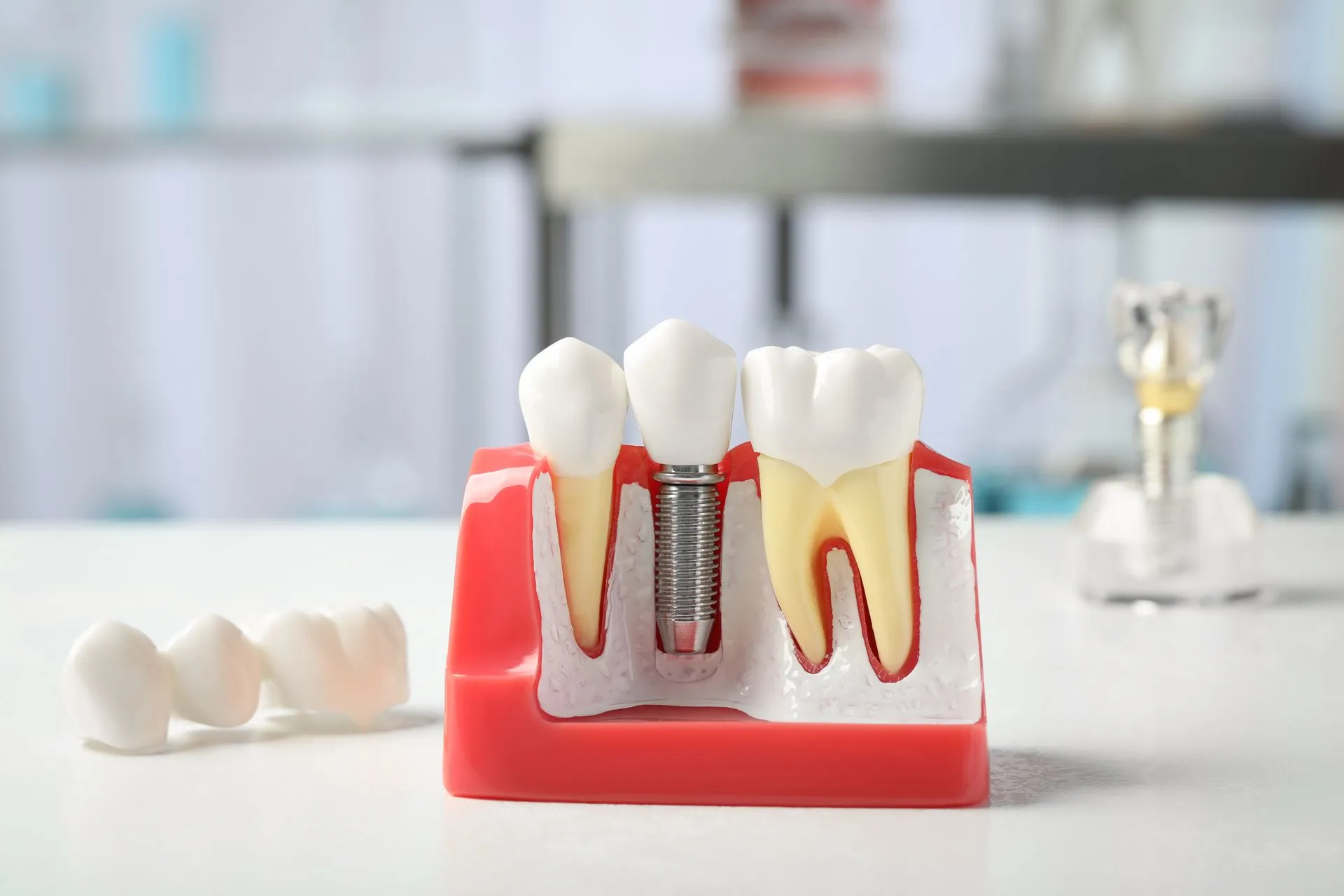
All-on-4 is a procedure developed 25 years ago that allows for the rehabilitation of fully edentulous patients through the placement of four titanium implants in each jaw. This solution distinguishes itself from other total oral rehabilitation procedures since it does not require the placement of multiple implants to recover an entire dental arch. With All-on-4, only four implants in each jaw are needed to recover all teeth, eliminating the need for any bone grafting, even in cases of severe bone resorption.
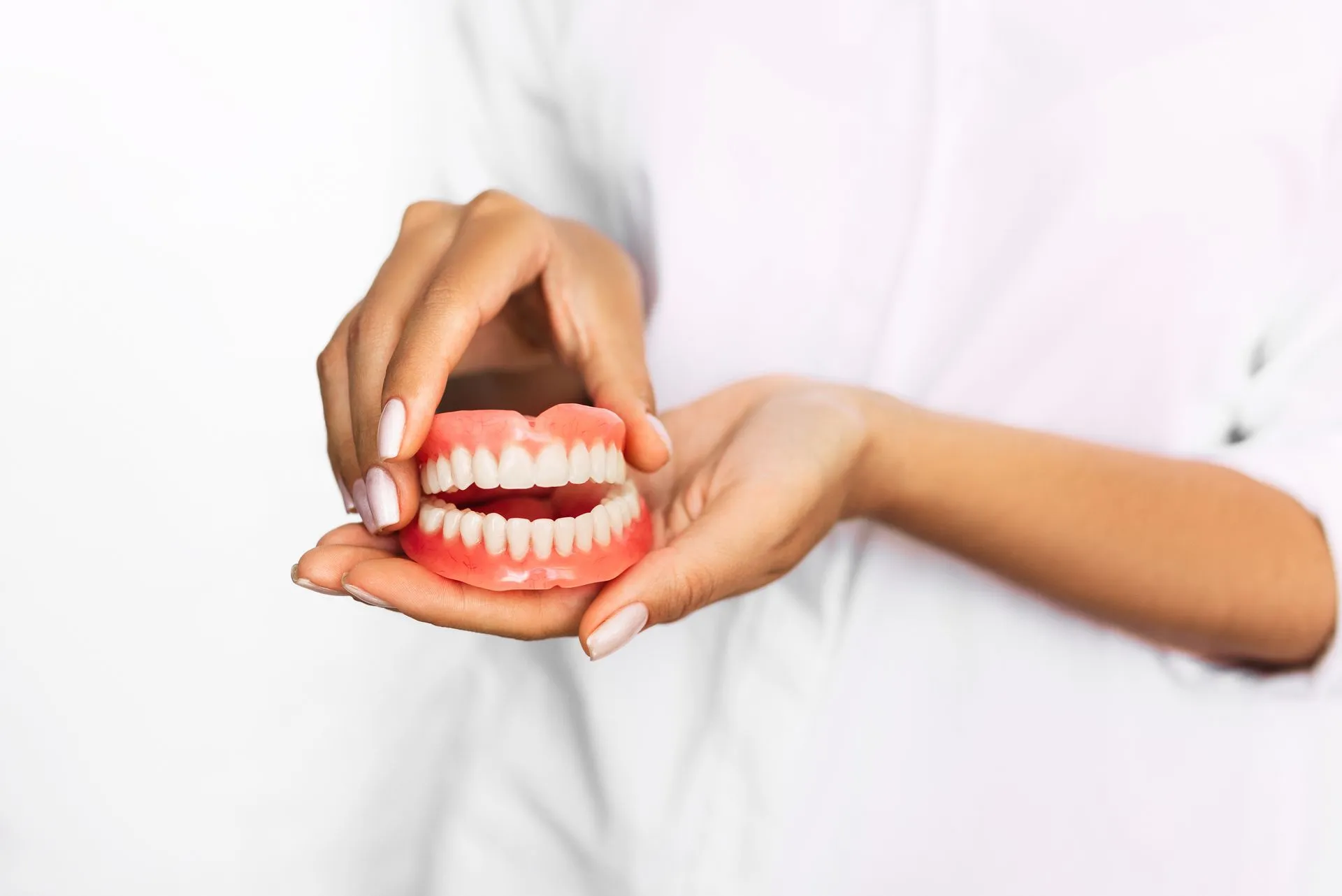
The All-on-4 treatment consists, therefore, of placing a fixed prosthesis over four implants, fulfilling all the functions of dentition, both functionally and aesthetically. This is a treatment that stands out for enabling total rehabilitation in just one day, allowing the patient to obtain fixed teeth right after the surgery.
How does the All-on-4 treatment work?
The process of the All-on-4 treatment is divided into four phases, which begin, initially, with an evaluation and planning moment and, in a final moment, with post-surgical follow-up.
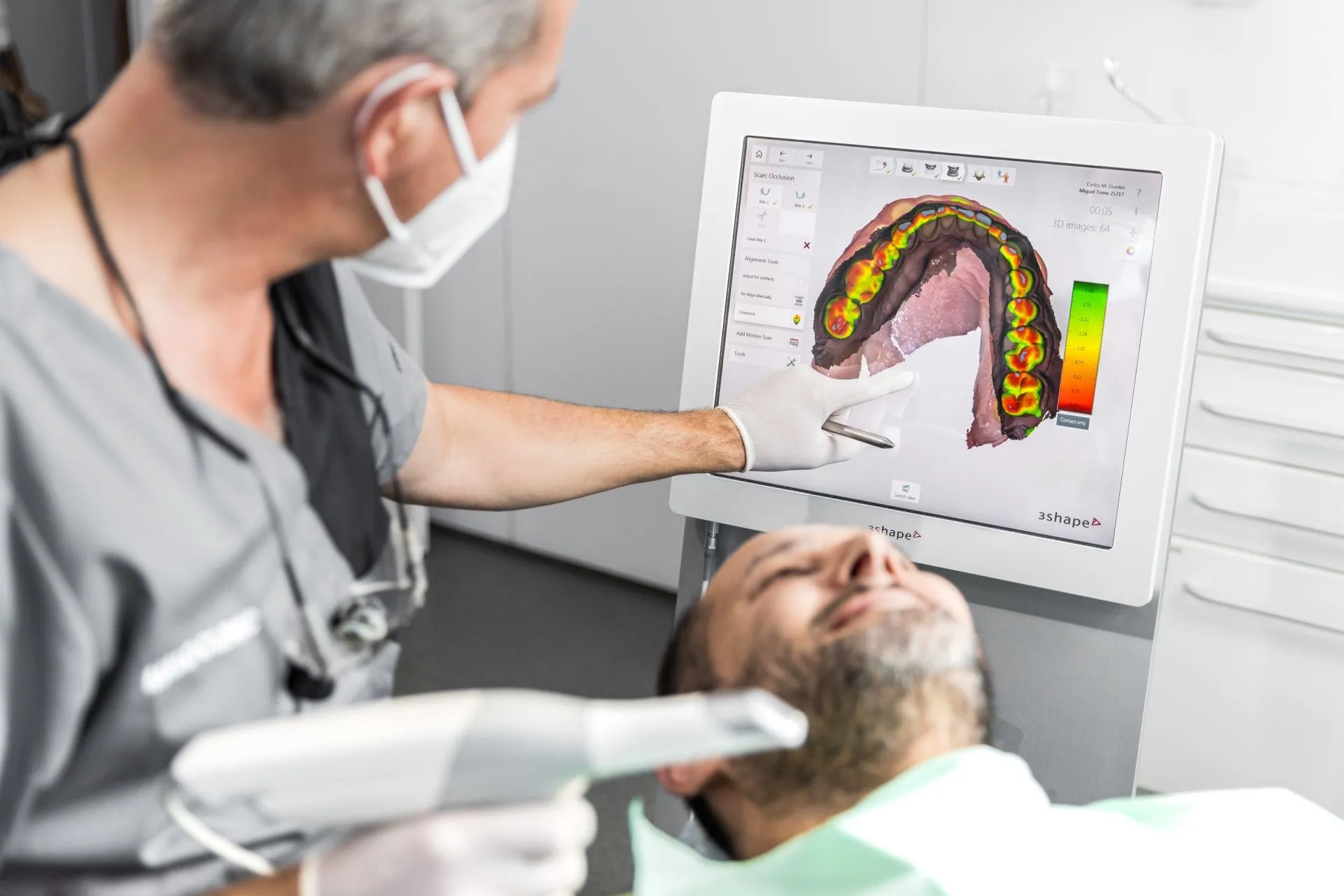
Evaluation and planning: to determine if the All-on-4 treatment is suitable for each patient, it is essential to carry out a detailed assessment to understand their clinical condition. Thus, in this first phase, various exams are conducted, such as X-rays and CT scans, as well as the patient's clinical history. In addition, intraoral scans are performed to provide a deeper understanding of the case, to define the most appropriate approach.
Surgery for implant placement and immediate prosthesis: after carrying out the entire diagnosis, surgery is performed for the placement of the implants – four in each jaw. If there are still teeth that require replacement, they are first removed, and only then is the surgical process of placing the implants undertaken. Once the implants are placed, the immediate prosthesis is secured, allowing the patient to leave with a complete dentition on the very day of the surgery.
Placement of the definitive fixed prosthesis: 4 to 6 months after surgery, the implants should be fully integrated into the jawbone. At this time, and according to the doctor's instructions, the provisional prosthesis is replaced by a definitive one, designed and produced in the laboratory and fully adapted to the functional and aesthetic characteristics and needs of each patient.
Follow-up and maintenance: the patient will need to undergo some regular routine maintenance consultations to monitor the results, receiving all the necessary support for the success of oral rehabilitation with implants. It is essential to adhere to all these procedures, maintaining the recommended oral hygiene habits.

What are the advantages of the All-on-4 treatment?
The All-on-4 treatment can be the ideal solution for those who are missing teeth. This is a technique that, when compared to traditional methods, has very high and scientifically proven success rates, making it possible to maintain the implants for many years or even for the rest of one's life. In addition to this, we reveal some of the main advantages of undergoing the All-on-4 treatment:
Less invasive: The All-on-4 technique does not require bone grafting, even in cases of severe bone loss. Therefore, it is a less invasive surgery, with lower associated costs;
Natural dentition: The fixed prosthesis placed replicates and functions exactly like natural teeth, being specifically adapted and designed for each patient;
Single surgery: To place the entire dentition, only a single surgery is needed, which will place the implants that will support the immediate fixed prosthesis;
Faster process: The surgical procedure and the placement of the prosthesis occur on the same day, allowing the patient to leave the clinic with their new teeth already;
Easy hygiene: The cleaning process for the prosthesis is similar to that of natural teeth, and it is necessary to maintain the oral hygiene habits recommended by the dentist or oral hygienist.