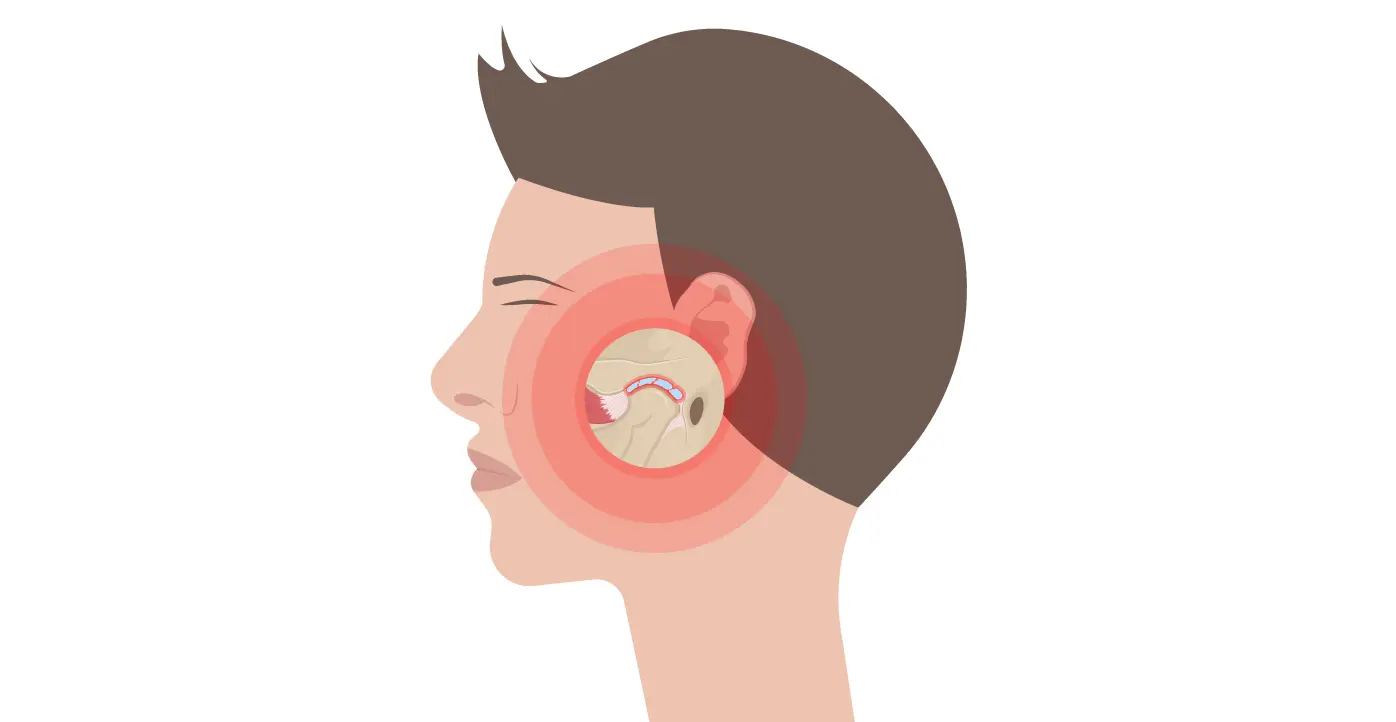
It is, at times, a disease that is difficult to diagnose as it involves a complex joint. Another important point is that it is a problem that affects more women than men (at a ratio of 1 man for every 9 women suffering from the disease).
What is the temporomandibular joint?
The temporomandibular joint, referred to as TMJ, is the joint where the temporal bone (a bone of the skull) articulates with the mandible (lower jaw). It is located in front of the ear and is essential for basic daily functions such as speaking, smiling, chewing, and yawning. In fact, the TMJ performs approximately 2000 movements per day, making it the most used joint in the human body.
Dysfunction of the temporomandibular joint is a set of changes that affect this joint and the associated muscles. It is more common in women aged between 20 and 50 years and is characterized by the symptoms we describe next.
Symptoms of temporomandibular dysfunction
Do you have recurring headaches? Do you feel clicks in your ear when opening your mouth? Do you feel your jaw is stuck or does it dislocate? Do you hear a nearly constant ringing? If so, it is quite likely that you may be suffering from temporomandibular dysfunction. You should consult a specialist for an accurate diagnosis.
Most common symptoms of TMJ dysfunction:
Pain when chewing
Pain in the ear, face, jaw, and neck
Clicks when opening or closing the mouth
Locking of the jaw and/or the temporomandibular joint
Headaches
Temporomandibular dysfunction: causes
The diagnosis of Temporomandibular Dysfunction is not straightforward, and often, the underlying causes of this disease cannot be determined. However, it is known that the origin of temporomandibular dysfunction may lie in one of the following problems:
Occlusion problems;
Trauma to the jaw;
Joint diseases (for example, arthritis);
Bruxism (clenching and grinding of teeth);
Muscle tension;
Stress.

Temporomandibular Dysfunction: Treatment
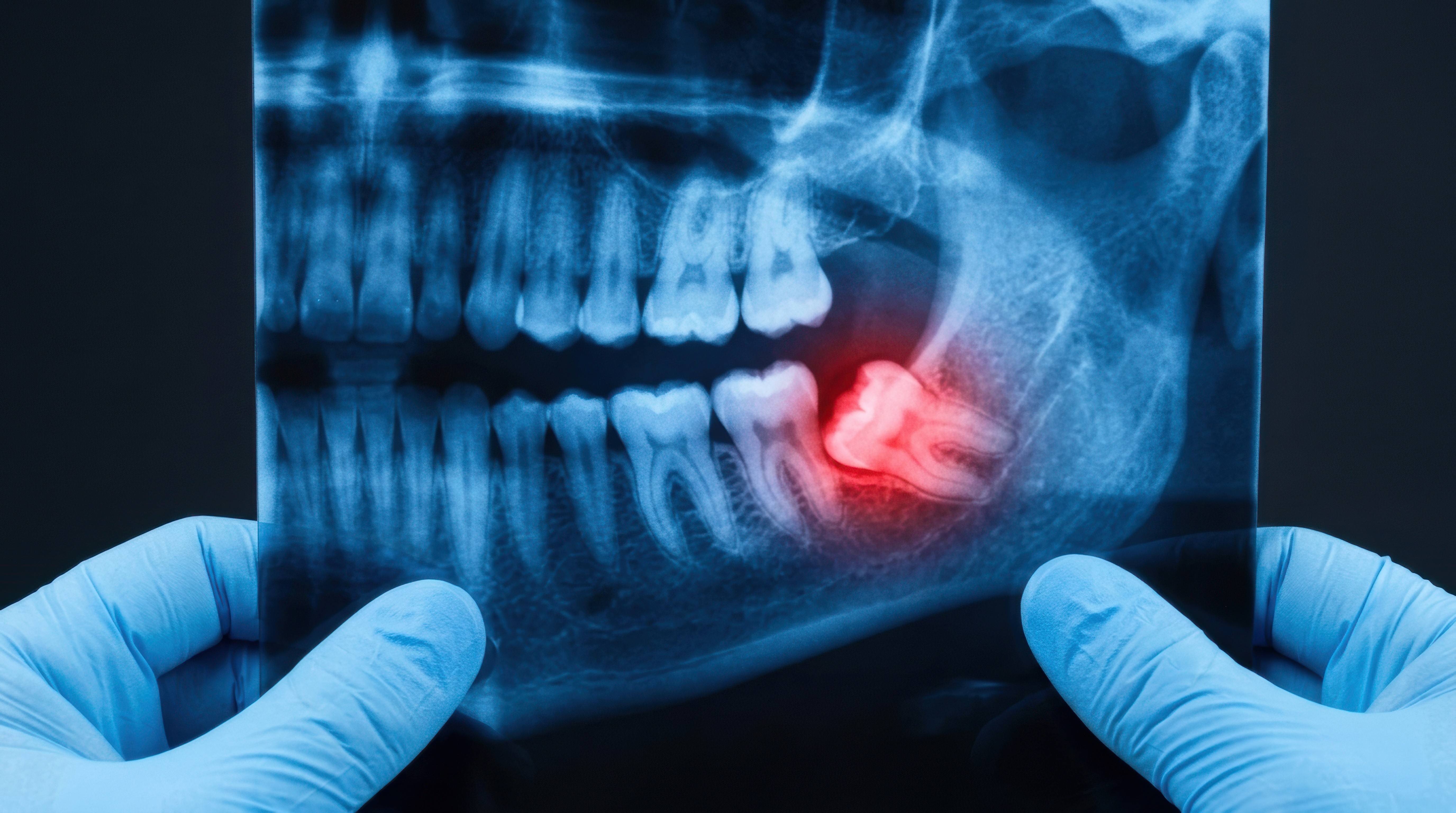
To establish the type of treatment, it is essential to start with a diagnosis. This should be done by a specialist dentist and will be based on the patient's clinical history, as well as a clinical examination that includes an assessment of the joint (ability to perform movements, noises during movements, and evaluation of the oral cavity). Additional diagnostic examinations such as X-rays, CT scans, and magnetic resonance imaging may also be performed.
The treatment of TMJ dysfunction must be prescribed by a doctor. However, it may include:
Medications;
Physiotherapy;
Posture correction;
Use of relaxation splints.
Use of functional orthopedic appliances
Surgical treatment is rare and is reserved for very specific cases.
TMJ: How to Relieve Pain
The doctor may prescribe medications such as analgesics, anti-inflammatories, and muscle relaxants to relieve pain from temporomandibular dysfunction. Physiotherapy treatments may also be prescribed.
There are also some exercises that can help improve pain:
Strengthening the chewing muscles
Stretching the chewing muscles
Relaxing the chewing muscles
Increasing the mobility of the temporomandibular joint
If you feel that you may suffer from TMJ, make an appointment at one of our MALO CLINIC units and obtain an evaluation of your oral health, as well as the correct referral for all necessary care.