
Have you broken a tooth and don't know what to do? First of all, keeping calm is crucial, and bear in mind that a broken tooth is not always a cause for alarm! You can and should seek help and book an appointment with your dentist. To help put your mind at ease, we have prepared a guide that explains everything about this unexpected event.
Broken tooth: what treatments can restorative dentistry offer?
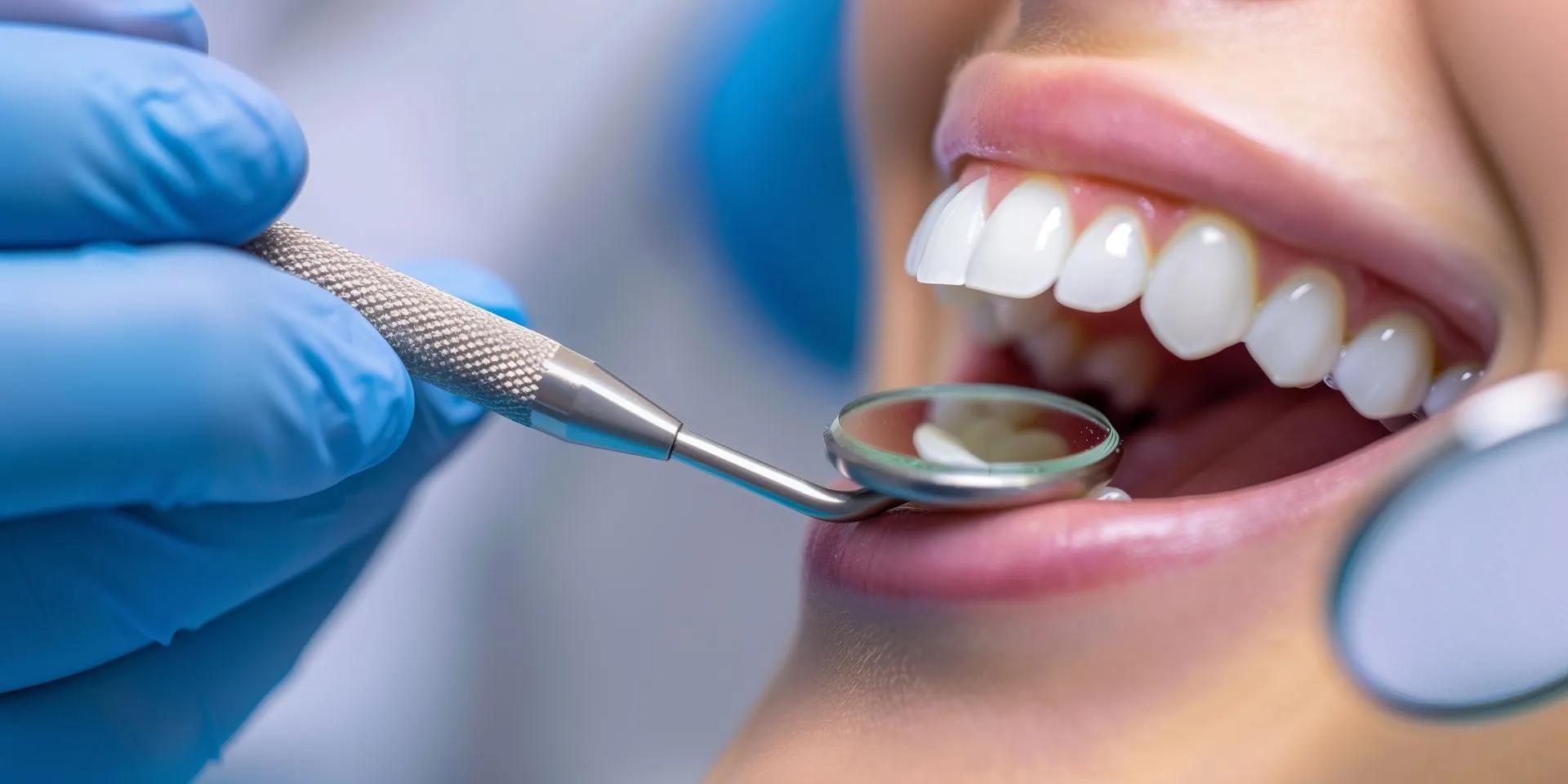
Restorative Dentistry refers to the branch of dental medicine that treats dental lesions, restoring dental aesthetics and function. With the emergence of new technologies and dental materials, Restorative Dentistry has made remarkable progress in recent years, allowing the clinical team to restore teeth conservatively while achieving excellent aesthetic results. This branch includes:
Treatment of decay lesions;
Repair of fractures (broken teeth);
Replacement of old restorations;
Removal of amalgam restorations;
Closing gaps between teeth (diastemas);
Alteration of tooth shape and positioning;
Possible Causes of Broken Teeth
In most cases, teeth break due to a strong impact against a hard surface. However, there are several factors that can contribute to their fragility:
Teeth grinding - Teeth grinding, also known as bruxism, is a condition that usually occurs while we sleep, and in some cases can happen during the day. Over time, it can wear down the surface of the teeth and compromise their integrity.
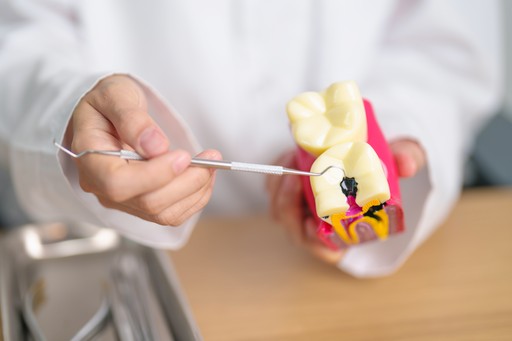
Tooth decay - Tooth decay can cause the partial or complete destruction of a tooth by breaking down the tissues that form it. If left untreated, it can compromise the structure of the tooth, even without any impact event.
Incorrect use of teeth - Using teeth to open bottles/caps or break objects can damage them. We recommend avoiding such practices.
We would like to remind you that although tooth enamel is the hardest part of our body, inadequate oral hygiene and parafunctional habits (such as bruxism) can compromise its integrity. To prevent this, we recommend that you book a Routine or Oral Hygiene Appointment every six months. This way, the dentist or dental hygienist can check your oral health and perform a cleaning to remove plaque and tartar that may be present.
Tooth Broken at the Root/Completely Knocked Out
If you break a tooth at the root or knock it out completely, the first step is to stay calm. While it can be a distressing situation, it is important not to panic.
If you are an adult, you can place a cold, water-soaked gauze in the gap where the tooth was lost until the bleeding stops. We recommend keeping the tooth in water, milk, or saliva and bringing it with you - if the tooth is completely knocked out, it is crucial to avoid touching the root. In these cases, time is an essential factor, so book an emergency appointment as soon as possible, ideally within the first hour following the fracture.
If it is a child and the tooth that fell out was a baby tooth, there may be no cause for concern. However, if there is unusual bleeding, severe pain, discomfort, or if the tooth falls out long before the child turns 6, we recommend booking an appointment – you should always seek medical advice, regardless of age. In the case of primary teeth, trauma can affect the permanent tooth bud.
Relief for a Broken Tooth
If you feel pain in a broken tooth, there are several measures to take to help alleviate the discomfort. Here are some suggestions:
Medication: Taking pain relief medications such as Ibuprofen, Acetaminophen, or Aspirin can help relieve pain and reduce inflammation. Note that medication should be taken under medical supervision.
Cold compress: Applying a cold compress to the affected area can help reduce swelling and numb the pain.
Note that these suggested remedies are only temporary and will not resolve the issue. It is crucial to schedule an appointment as soon as possible to diagnose and properly treat the broken tooth, in order to relieve the pain, address the problem, and prevent further damage.
Treatments for a Broken Tooth
There are different treatment options available, depending on the severity of the situation and how quickly you seek the necessary help. The sooner you consult your Dentist, the higher the likelihood of having a simple and quick treatment.
Dentistry: If only a small part of the broken tooth is lost, dental treatments like composite resins can be a suitable solution. This treatment can restore the natural structure and function of the tooth in a single appointment, making it an efficient option for those seeking a quick and effective solution.
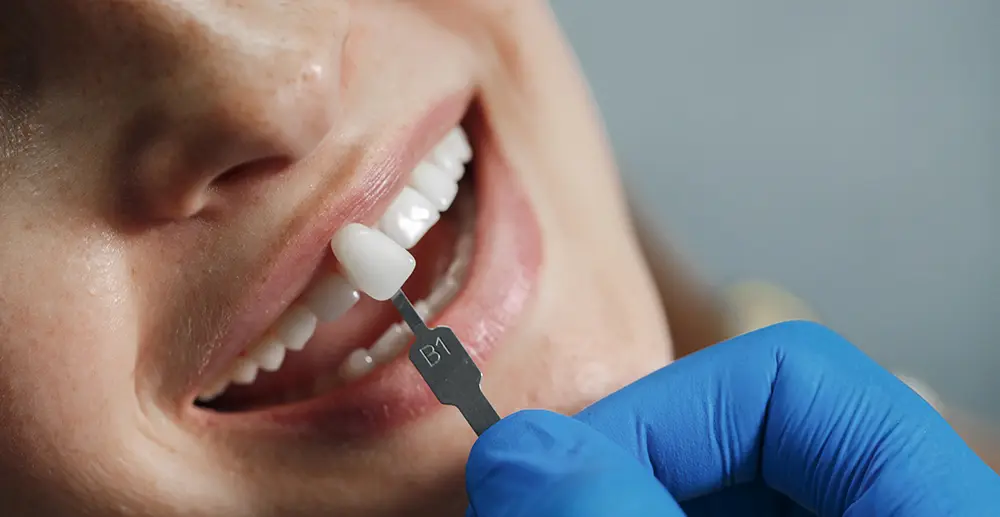
Veneers or dental crowns: If a significant portion of the tooth is lost but it is still vital, dental crowns or veneers may be a suitable solution. These act as ceramic coverings that are placed over the tooth to restore its aesthetics and/or natural function, allowing for incredible and lasting results.
Dental Endodontics: In cases of necrosis or irreversible inflammation of the dental pulp, endodontics (root canal therapy) may be the only solution. This procedure involves the removal of all pulp tissue, after which the tooth is prepared for filling. Once the canals are filled, the tooth is hermetically sealed with cement and restored with composite resins to regain its natural appearance.
Implantology: If the broken tooth cannot be saved, rehabilitation with dental implants may be the best solution. The implant acts as an artificial root, onto which a crown is placed to restore the function of the natural tooth, providing patients with a comfortable and beautiful smile.
If you have a broken tooth, it is extremely important to seek dental care as soon as possible to increase the chances of a less complex treatment. At MALO CLINIC, we have an experienced clinical team and advanced technology to provide you with excellent care. Don't let a broken tooth affect your quality of life!