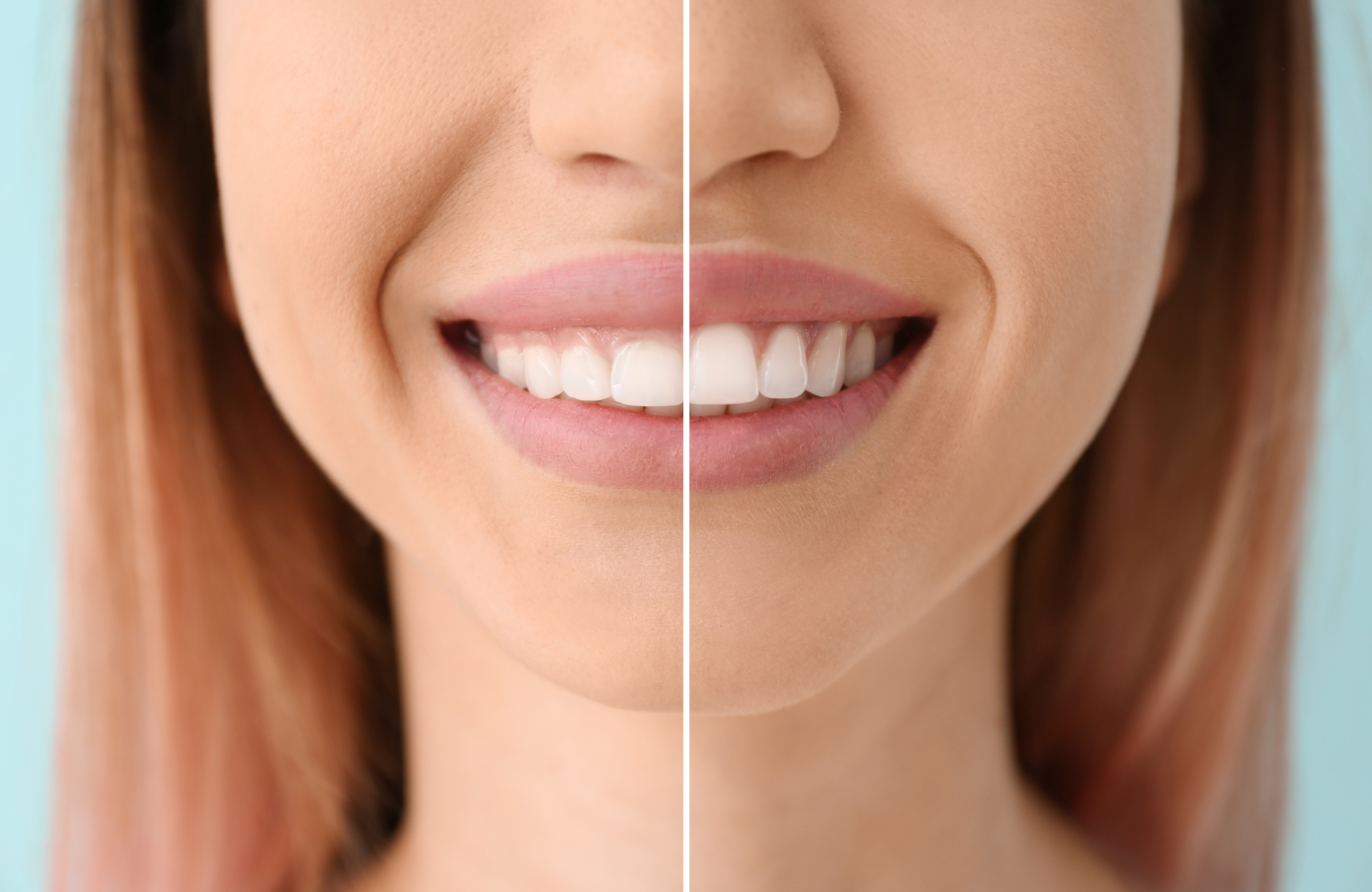
Gummy smile: causes, diagnosis and available treatments
Excessive exposure of the gums when smiling can have different causes. A rigorous diagnosis is essential to choose the most suitable approach to treat a gummy smile.
A gummy smile, also referred to as excessive gingival display, is not a disease in itself. However, it can interfere with how a person perceives their own smile. Since the causes are varied and often combined, there is no single treatment: the solution must be defined after an individual assessment.
What is a gummy smile?
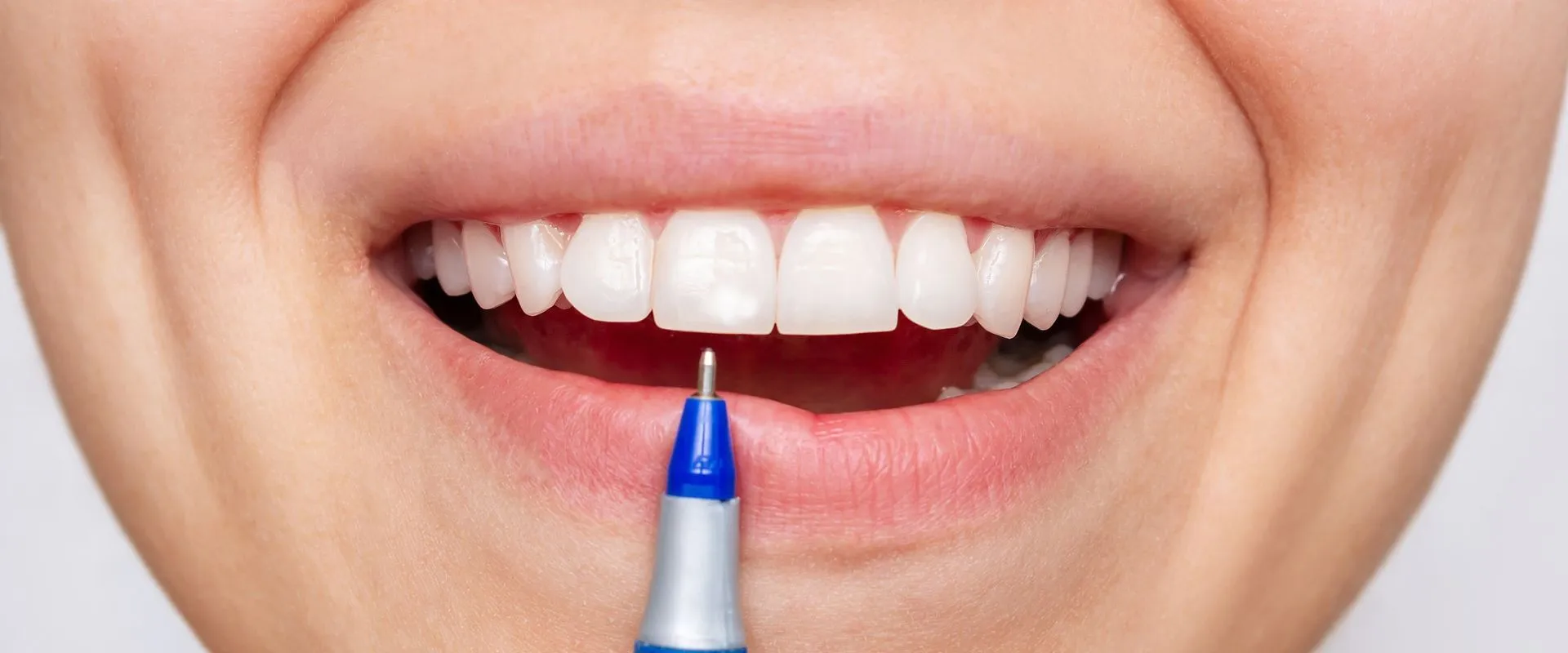
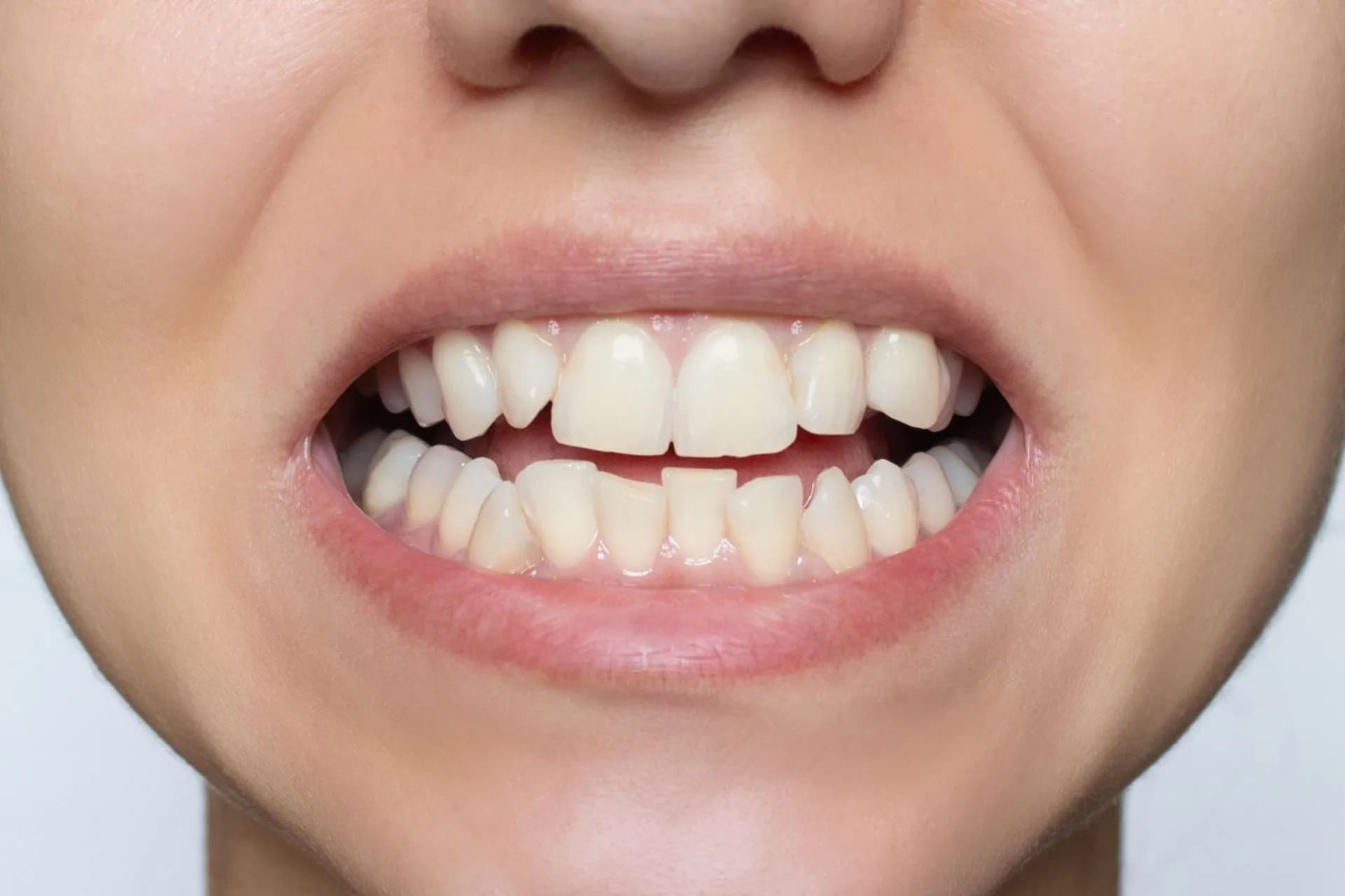
A gummy smile, or excessive gingival display, is when, during a full smile, a band of gum generally wider than 3-4 mm becomes visible. The assessment should not, however, rely solely on this measurement, and must also consider age, sex, the shape and length of the teeth, the lip line and facial proportions.
Thus, 1 - 2 mm of visible gum can be part of a smile considered harmonious, and an exposure of between 2 and 3 mm does not, by itself, constitute a diagnosis. The interpretation must integrate the global analysis of the smile and the identification of the cause.
What are the main causes of a gummy smile?
A gummy smile is multifactorial. A person may present with only one predominant cause or a combination of several factors.
Altered passive eruption and short clinical crowns
After teeth erupt, the gum should progressively position itself in an area closer to the junction between the crown and the root. When this process does not occur completely, part of the tooth remains covered by gum and the crowns appear shorter.
Excess or increased gingival volume
The gums can display greater volume due to their anatomy, inflammation, certain diseases or, in some cases, the use of certain medications. Before any aesthetic correction, it is essential to exclude and treat inflammatory or medical causes.
Short upper lip or high lip mobility
When the upper lip is shorter or lifts too high when smiling, it can expose a wider band of gum. In these cases, the problem is not necessarily in the teeth or gums, but rather in the lip length and dynamics.
Teeth position and dentoalveolar extrusion
The vertical position of the anterior teeth and the bone that supports them can also increase gingival display. This situation must be analysed together with the relationship between the dental arches, the bite and the length of the dental crowns.
Vertical maxillary excess
In some cases, there is an increased vertical development of the upper jaw (maxilla). This skeletal cause can affect facial harmony and, depending on its severity, require a more comprehensive approach.
The diagnosis of a gummy smile before treatment
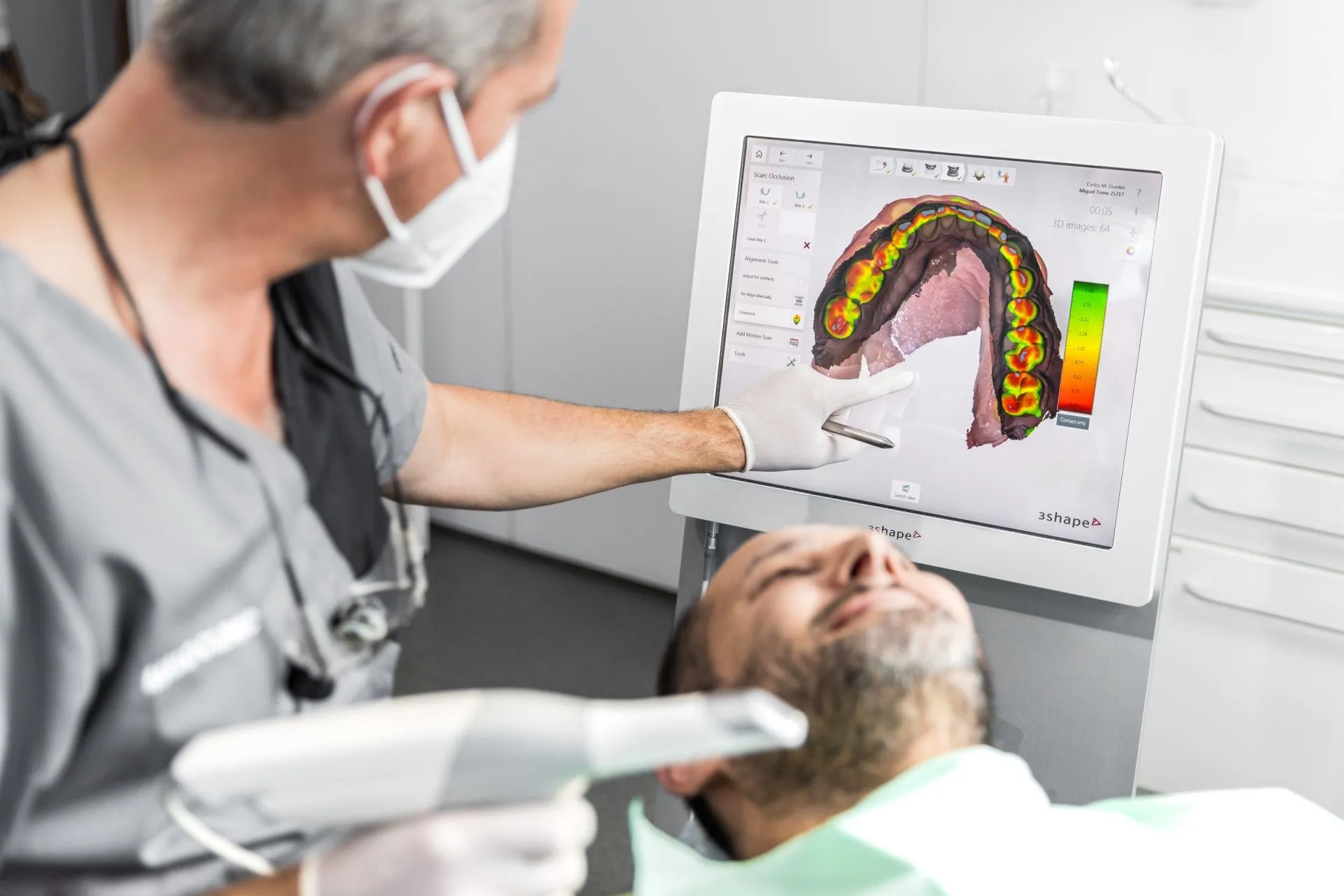
A correct assessment must include the analysis of the smile at rest and in motion, the amount of exposed gum, the length and proportion of the teeth, the position of the gingival margin, the mobility of the upper lip, the relationship between the arches and the facial proportions. Photographs, X-rays, digital models and other diagnostic resources may be useful, depending on the case.
This step is decisive because similar treatments can have very different results when applied to different causes. For example, removing gum tissue does not correct vertical maxillary excess, and botulinum toxin does not resolve altered passive eruption.
Treatments for a gummy smile
The choice of treatment for a gummy smile depends on the cause, severity, individual expectations, and the desired stability. In some cases, a single technique is sufficient to treat a gummy smile; in others, the best option involves combining treatments.
Gingivectomy, gingivoplasty and crown lengthening
When there is excess gum tissue or altered passive eruption, correction of the gum contour may be indicated. Gingivectomy removes excess gum tissue, and gingivoplasty reshapes its outline. When the bone position does not allow for a simple removal of gum tissue, it may be necessary to perform crown lengthening, with tissue repositioning and, in certain cases, bone remodeling.
The technique must be chosen after a periodontal assessment. Not all cases can be treated only with laser or a simple gingivectomy, and the stability of the result depends on the diagnosis and respect for the tooth's supporting tissues.
Orthodontics
When gum exposure is related to tooth position, bite, or dentoalveolar extrusion, orthodontic treatment can help reposition the teeth and improve the relationship between the smile and the gums.
In selected situations, temporary anchorage devices may be used to increase control of tooth movements.
Botulinum toxin
In cases associated with hyperactivity of the upper lip elevator muscles, botulinum toxin can temporarily reduce their contraction and, consequently, gum exposure.
This is a minimally invasive and reversible approach. In clinical studies, the reduction of gum exposure is usually assessed about two weeks after application. The effect tends to remain clinically relevant for at least about 12 weeks and progressively decreases, often approaching baseline values by around 24 weeks. In practice, the most evident effect frequently lasts for about three to four months, although there is individual variation related to anatomy, muscle activity, dosage, and the technique used.
The indication, dosage, and application sites must be defined by a qualified professional after assessing the anatomy and dynamics of the smile. Asymmetry, transient changes in facial expression, or difficulty in certain lip movements are possible undesirable effects.
Lip repositioning surgery
In carefully selected individuals, lip repositioning surgery can limit the elevation of the upper lip during smiling. It can be an option for certain cases of increased lip mobility, although the stability of the result varies and some relapse may occur.
Orthognathic surgery
When the main cause is a moderate or severe vertical maxillary excess, orthognathic surgery may be the most appropriate solution. The objective is to reposition the jaws, improve facial proportions, and correct associated functional alterations. This is a more complex treatment, planned jointly by orthodontics and maxillofacial surgery.
Hyaluronic acid: a highly selected indication
Hyaluronic acid has been described as an option to modify lip support and dynamics in specific situations. However, the available evidence is more limited than for other approaches and it should not be presented as a universal or first-line solution. Its use requires careful selection, anatomical knowledge, and a clear discussion regarding benefits, limitations, and risks.
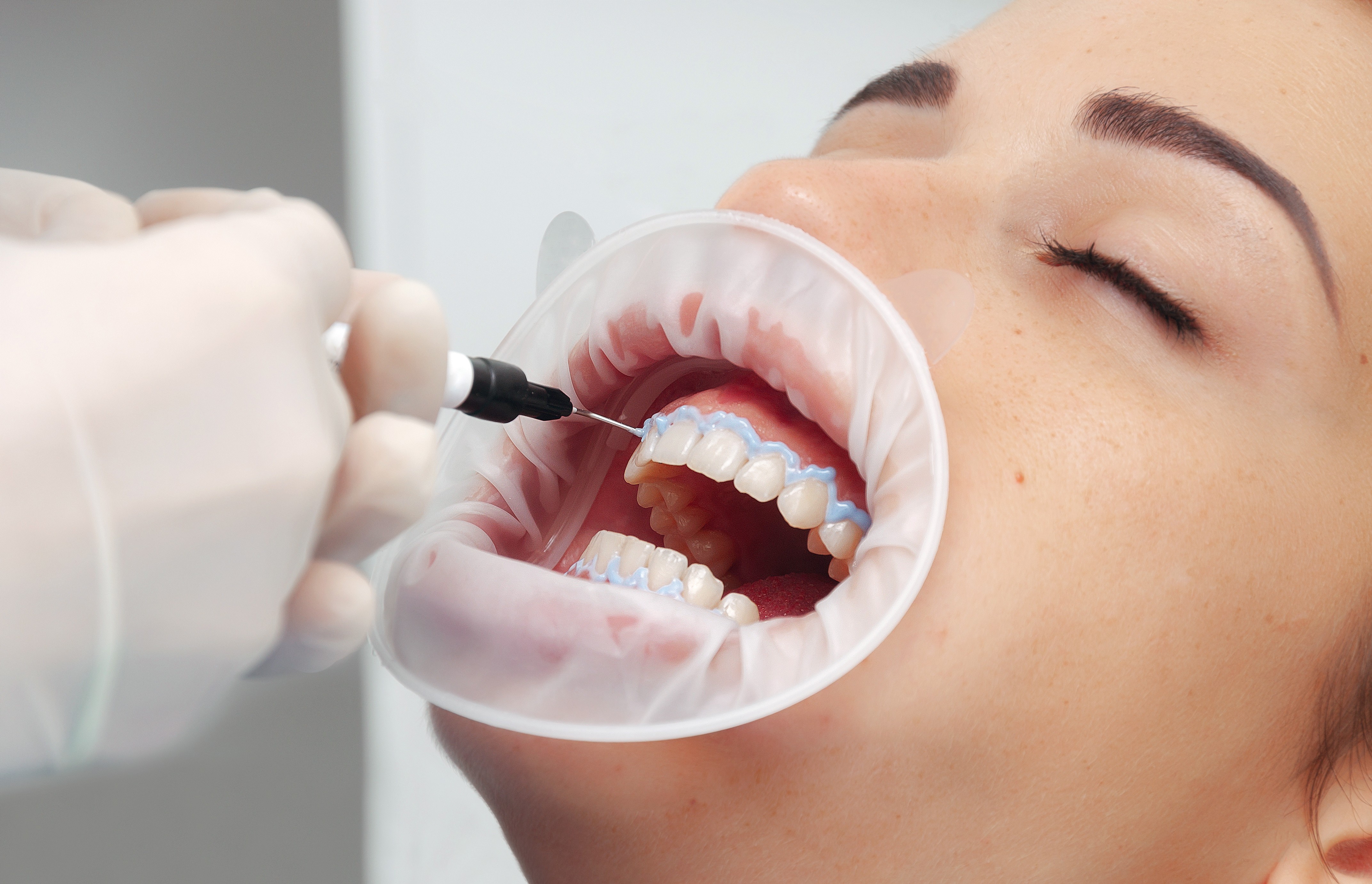
Combined approaches: when do they make sense?
Gummy smiles are often the result of more than one factor. For example, a person may have short clinical crowns and, at the same time, increased mobility of the upper lip. In these cases, combining treatments can provide a more balanced result than using a single technique on its own.
The multidisciplinary approach may involve periodontics, orthodontics, restorative dentistry, maxillofacial surgery, and facial aesthetic techniques. The goal is not to create a "standardised smile", but to achieve a natural, proportional, and harmonious result that fits the face, respecting oral health and the person's expectations.
Gummy smile: impact beyond aesthetics
The smile plays an important role in communication and emotional expression. Some people live comfortably with a gummy smile; others feel self-conscious, avoid smiling, or seek treatment for personal reasons. The decision to pursue treatment should stem from the person's own informed choice, without turning an anatomical variation into a medical condition.
Practical recommendations
Seek an expert evaluation to identify the main cause of the gum exposure.
Address any gum inflammation or oral health issues first.
Ask if the proposed treatment for the gummy smile actually targets the identified cause.
Request information regarding the duration of the results, recovery, risks, and alternatives.
Prioritise a tailored plan carried out by qualified professionals.
Frequently Asked Questions
A gummy smile can be solved, but the answer is not the same for everyone. Excessive gingival display can originate from periodontal, dental, dentoalveolar, muscular, or skeletal factors, which are often combined. Therefore, an accurate diagnosis is the most important step to avoid inadequate treatments and to achieve a natural, functional, and predictable result.
More than just reducing millimetres of gums, the goal should be to harmonise the gummy smile with the face, preserving oral health and respecting the individual characteristics of each person.