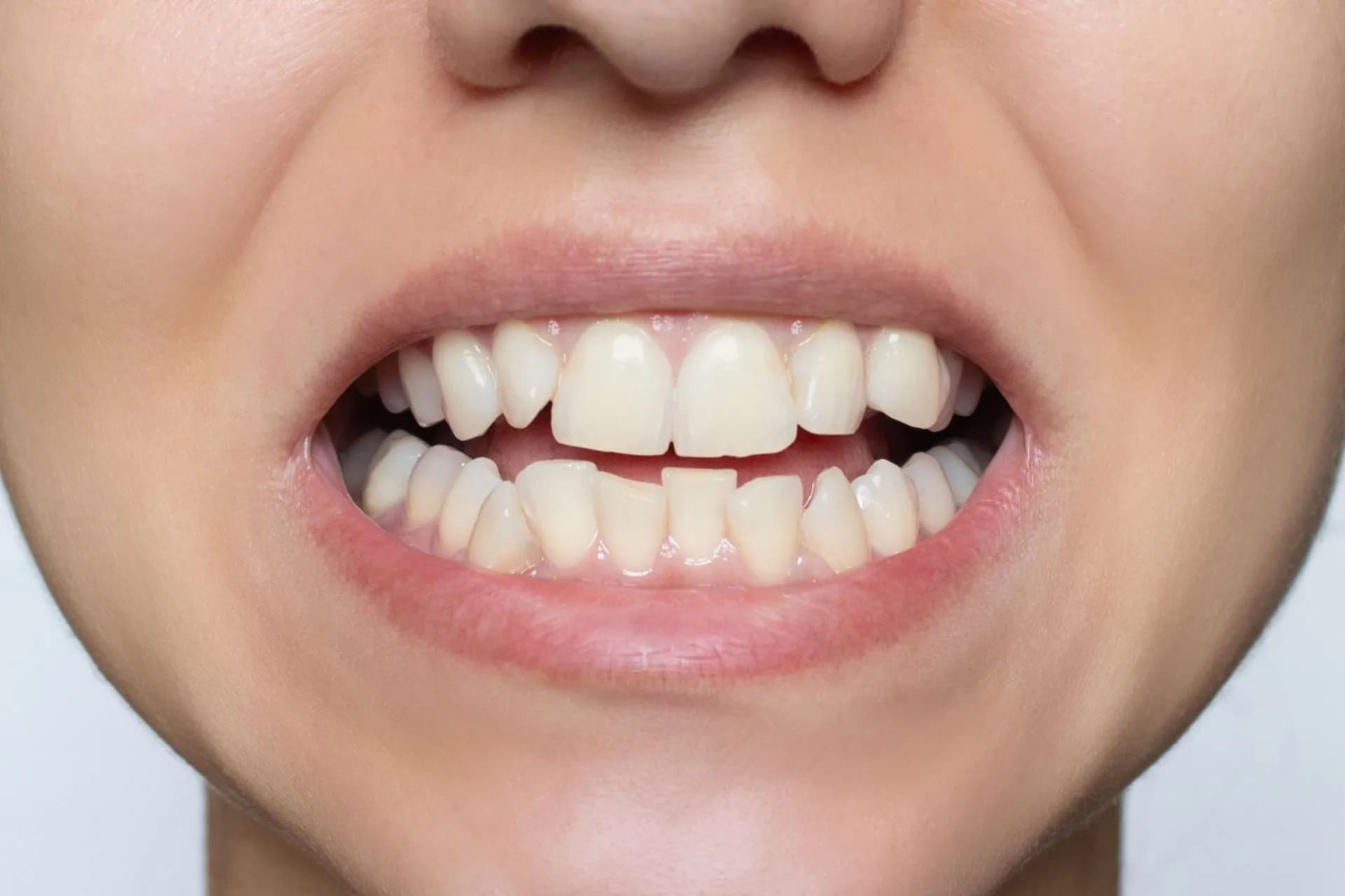
Crooked or misaligned teeth are often an issue that goes beyond aesthetics. In addition to affecting confidence and smiles, crooked teeth can cause functional and oral health problems, such as malocclusion, excessive wear of some teeth, and even jaw pain. Nevertheless, there are effective options to correct crooked teeth and improve oral health. Two of the main solutions are dental veneers and braces.
Dental Veneers
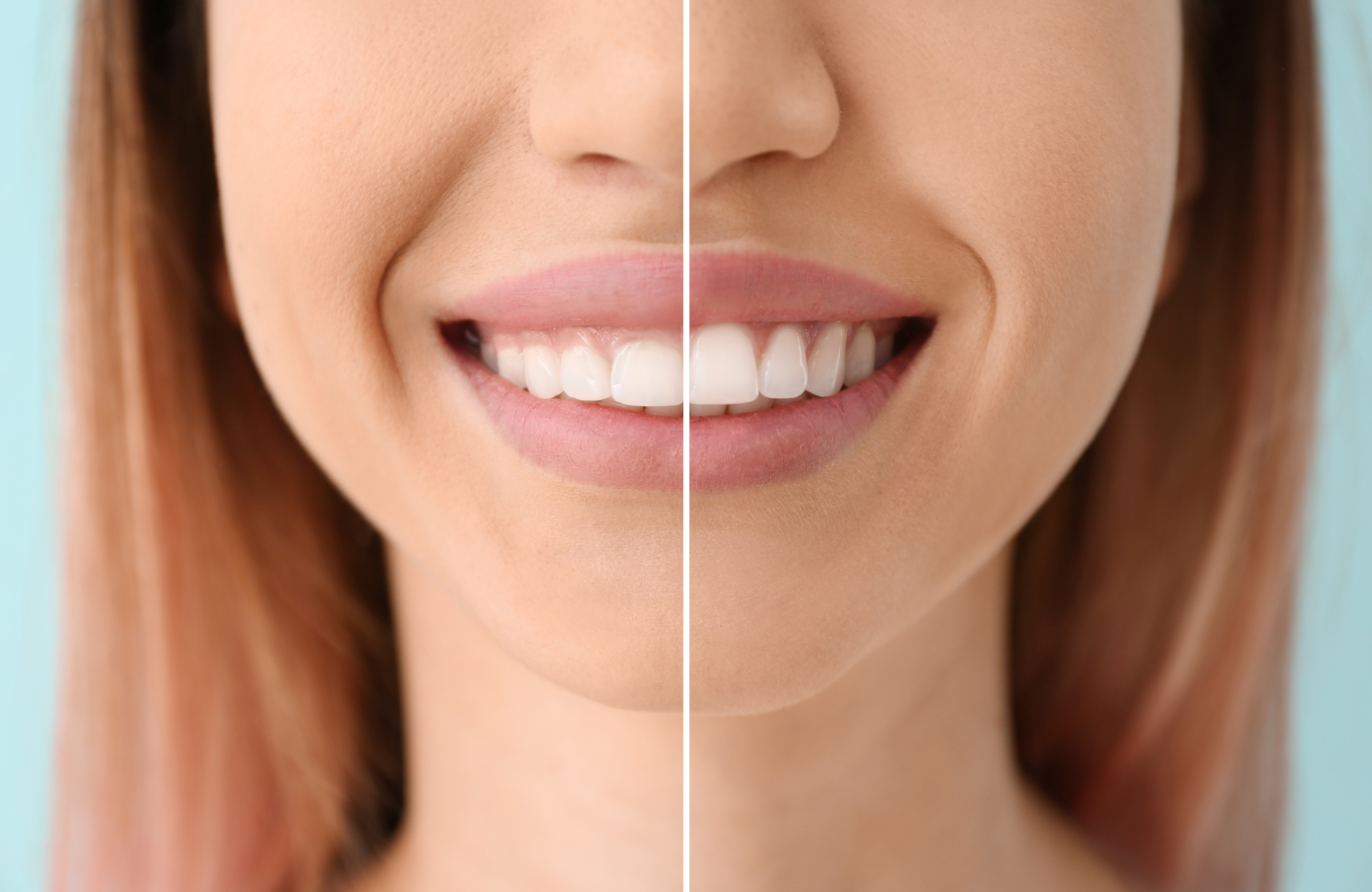
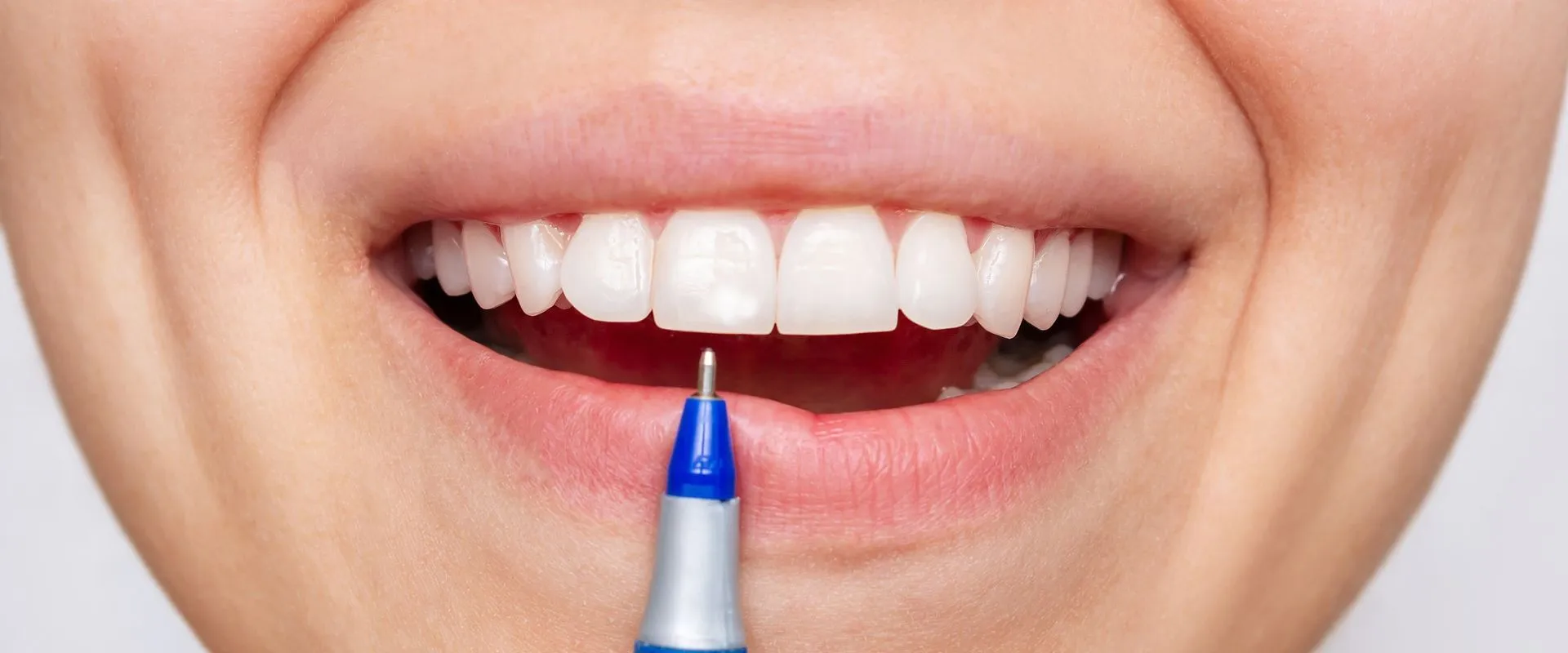
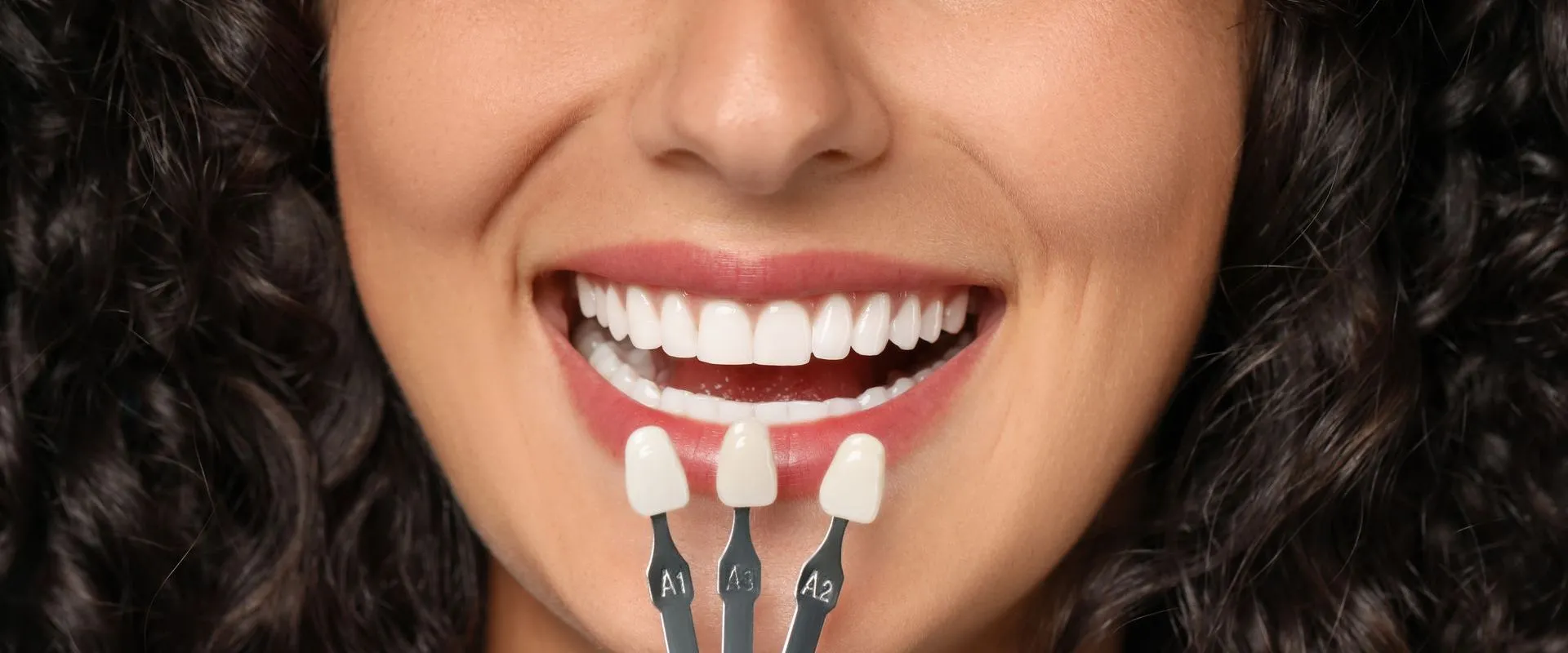
Dental veneers are thin layers of porcelain or composite applied to the surface of the teeth to enhance the appearance of the smile. This procedure is especially effective for those seeking a quick solution for aesthetic issues or slight dental misalignments that do not interfere with proper dental occlusion.
When are dental veneers indicated?
Veneers are ideal for individuals with only minor irregularities in alignment, such as slightly misaligned or spaced teeth. They are also recommended for cases where, in addition to misalignment, the patient seeks to improve the color, shape, or size of the teeth. Some of the primary use cases include:
Slightly misaligned or spaced teeth (diastema)
Worn teeth,
Chipped teeth;
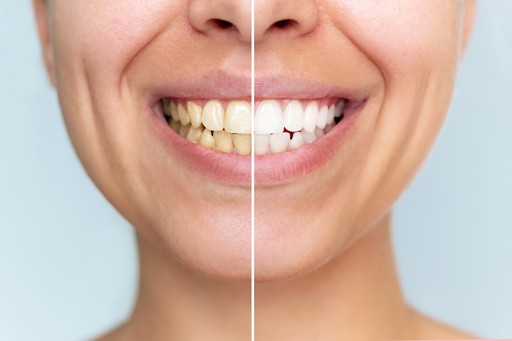
Stained teeth.
Advantages of dental veneers
Quick aesthetic result: Veneers allow achieving an aligned and aesthetically pleasing smile with just a few consultations.
Minimal intervention: To place the veneers, only a minimal amount of tooth enamel needs to be worn down, making the procedure minimally invasive.
Durability: With proper care and following the dentist's recommendations, veneers offer great durability.
Improvement in color and shape: Veneers allow for changing the color and shape of the teeth, providing a personalized smile.
Orthodontic appliance
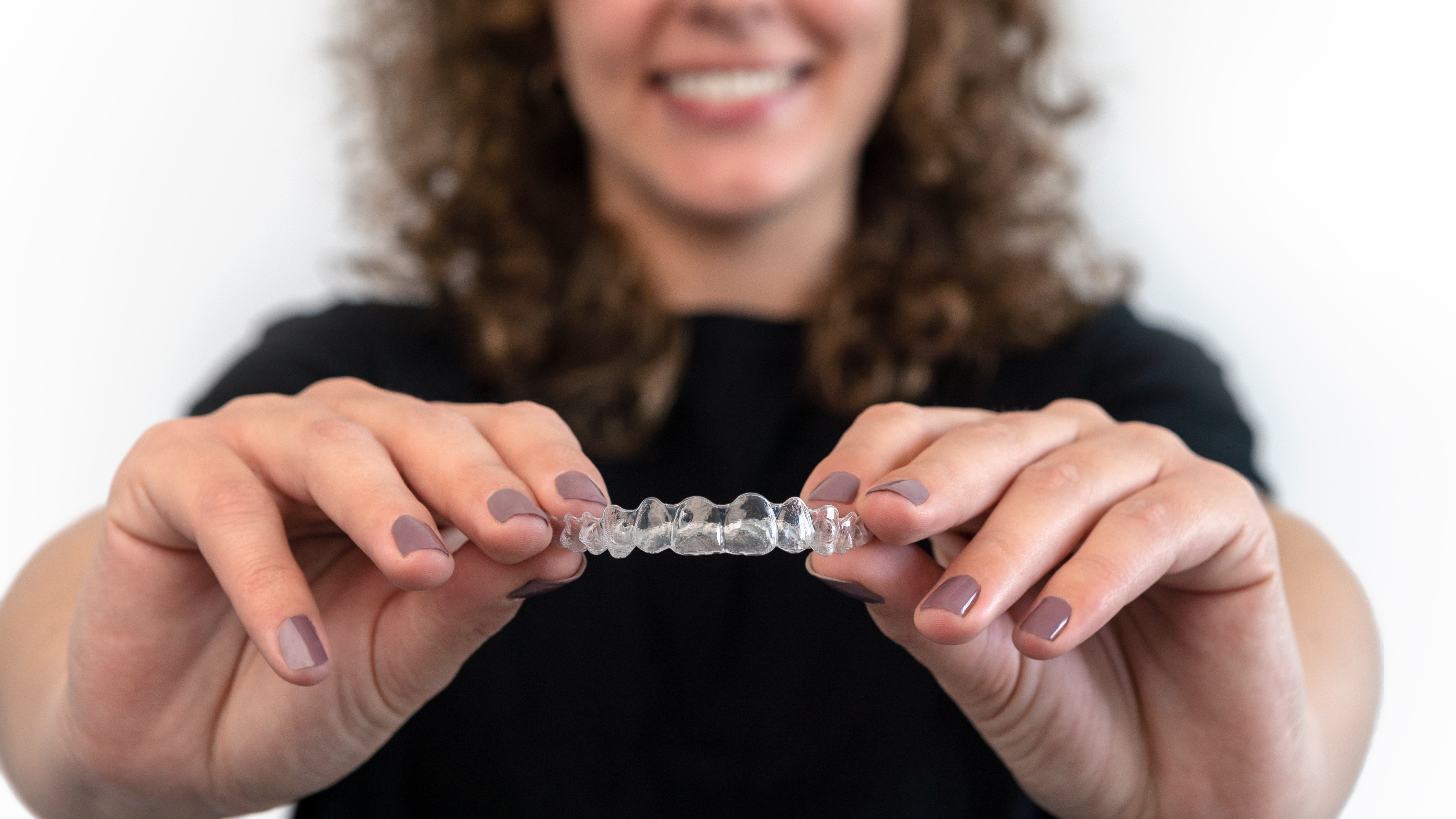
The orthodontic appliance is the most suitable option for correcting crooked teeth and bite problems. Through a gradual force that is exerted on the teeth, the appliance can, over the course of treatment, progressively move them into the correct position. There are several types of appliances, according to the needs and preferences of each patient.
When is the orthodontic appliance indicated?
Unlike veneers, the orthodontic appliance is recommended for people with:
More severe misalignments;
Poor occlusion;
Teeth that are excessively spaced or overlapping (crowding).
The treatment with the orthodontic appliance can reposition all teeth in order to correct alignment, bite, or contact between them.
Advantages of the orthodontic appliance
Complete correction: The orthodontic appliance aligns crooked teeth from their roots, providing the alignment of the arches and correcting the vast majority of malocclusions.
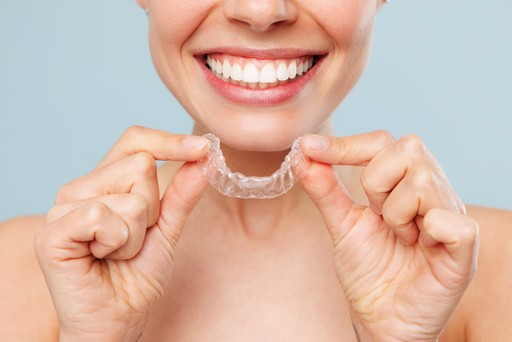
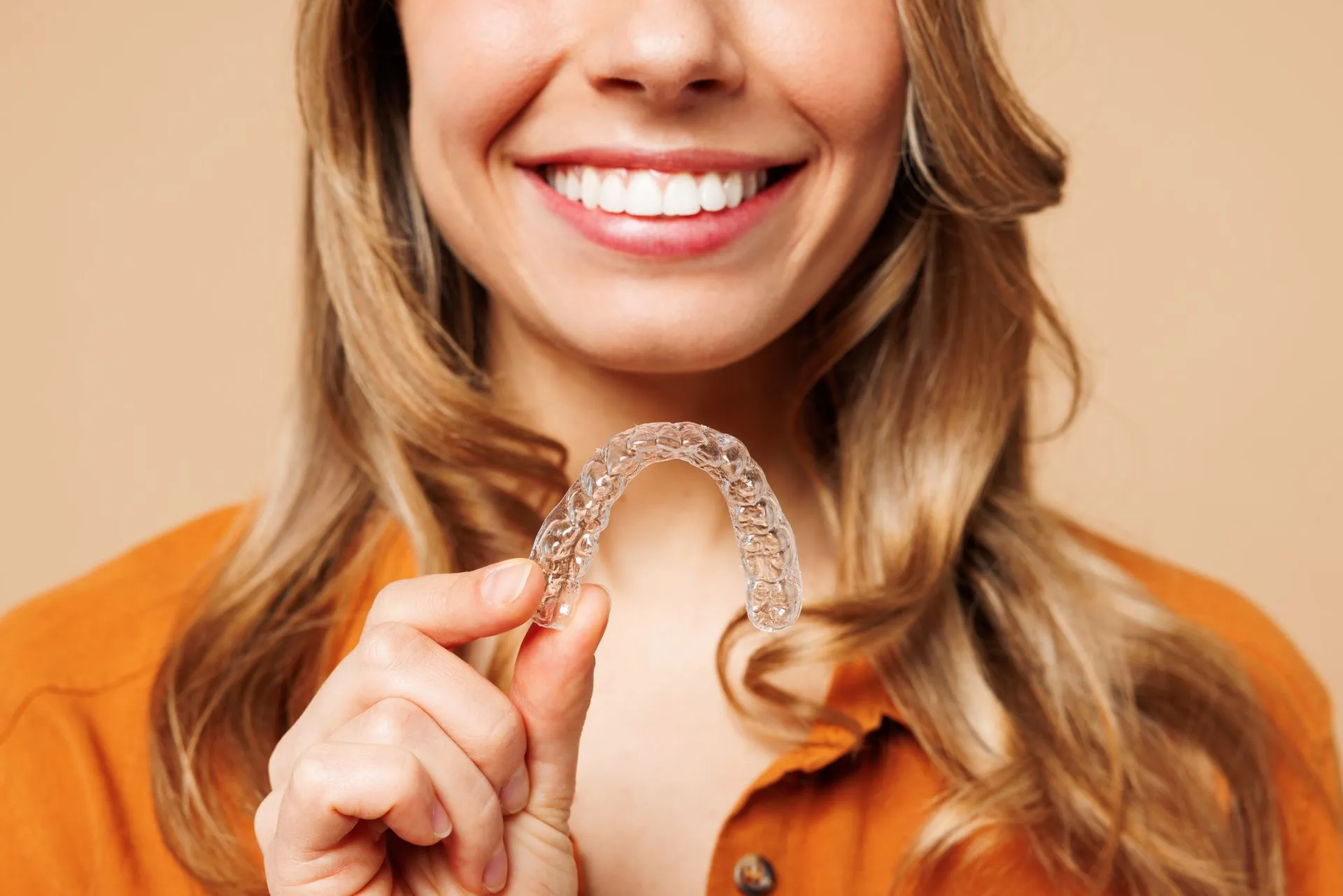
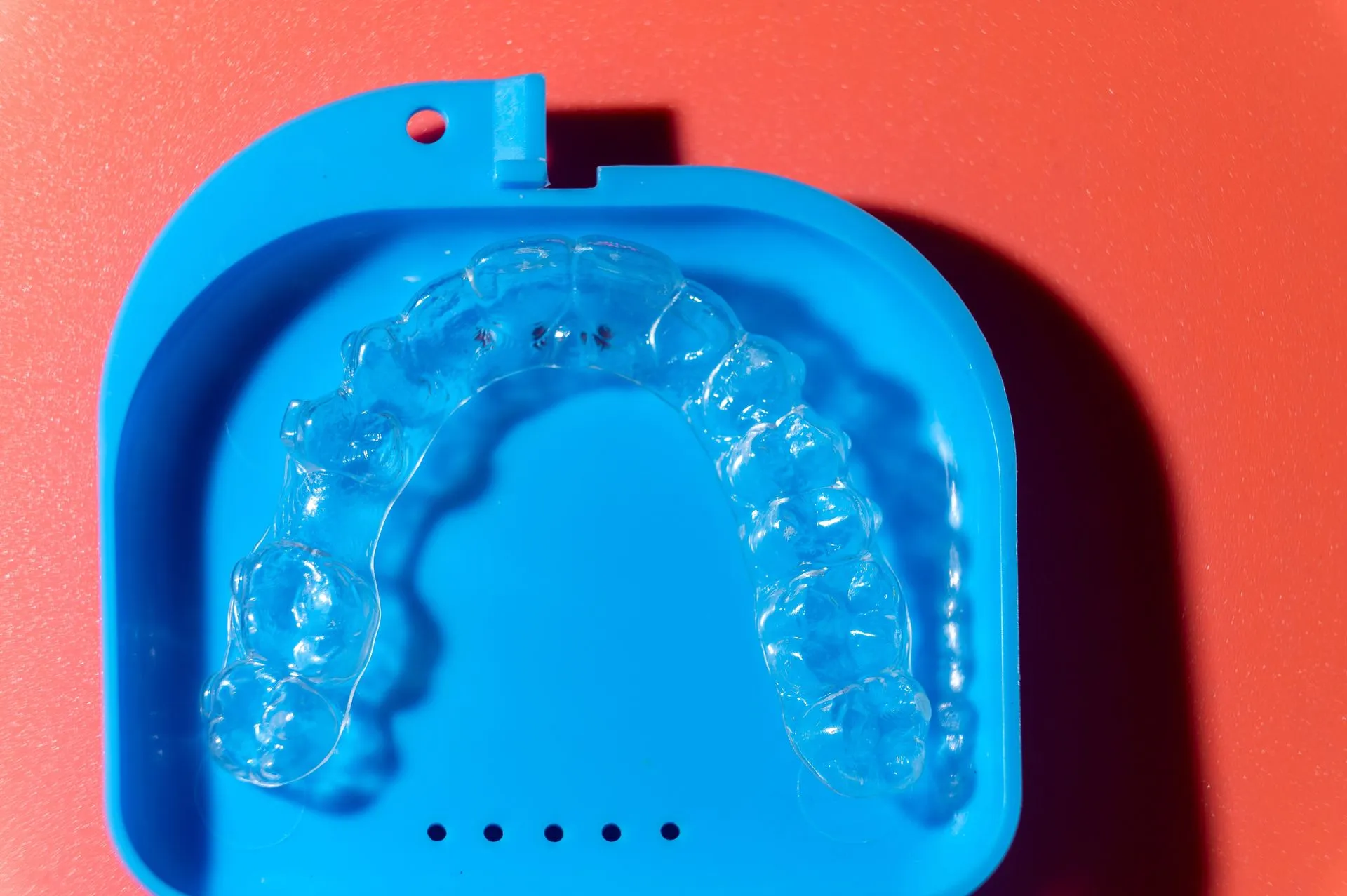
Variety of options: Currently, there are almost invisible appliances, such as clear aligners, which are effective and more aesthetically pleasing.
Long-term oral health: Correcting alignment prevents future problems, such as uneven wear among teeth, dental cavities, gum problems and issues related to chewing or even speaking.
Types of orthodontic appliances
Removable appliances: Removable appliances are devices that can be taken out at certain times, such as for eating or performing oral hygiene, but they must be worn for several hours at a time, without interruptions. Removable appliances can be dental aligners, also known as invisible aligners, or functional orthopedic appliances for the jaws, generally recommended for children and patients with temporomandibular dysfunction.
Fixed appliances: Fixed orthodontic appliances are devices that cannot be removed during treatment and are only recommended for patients who have already developed their permanent teeth. These appliances consist of brackets that are bonded to the teeth, with an average use time of two years.
Veneers or orthodontic braces: which treatment to choose?
The choice between dental veneers and orthodontic braces should always be discussed with the dentist and depends on various factors, including the patient's oral condition.
To correct slight misalignment or the colour of a tooth quickly: If the misalignment is slight and the goal is to achieve a neatly aligned and aesthetically pleasing smile quickly, dental veneers may be the ideal solution. They are especially suitable for those who do not have functional problems and want an almost instant aesthetic change.
For a complete and lasting correction: In cases of more pronounced misalignment, such as crooked teeth, bite problems, or other functional issues, orthodontic braces are the best option. Although the treatment takes longer, the result is more comprehensive and durable.
Some post-treatment care
After any of the treatments, daily care is essential to maintain the health and aesthetics of the smile. Some tips include:
Strict oral hygiene: Brushing your teeth at least twice a day and using dental floss daily is essential to avoid complications. In the case of fixed appliances, it may be necessary to use interdental brushes to ensure thorough cleaning.
Regular consultations with the dentist or oral hygienist: Monitoring the progress of the treatment, whether in the case of orthodontic appliances or veneers, is crucial for the durability of the result or to make any adjustments if necessary.
Avoiding foods that stain teeth: Avoiding foods that stain teeth, such as coffee or red wine, helps keep the smile whiter and more even.
Use of retainers: To prevent the relapse of orthodontic treatment, it is essential to consistently use retainers, according to the dentist's instructions.