Discover how orthodontics can improve not only chewing function, but also aesthetics and facial expression
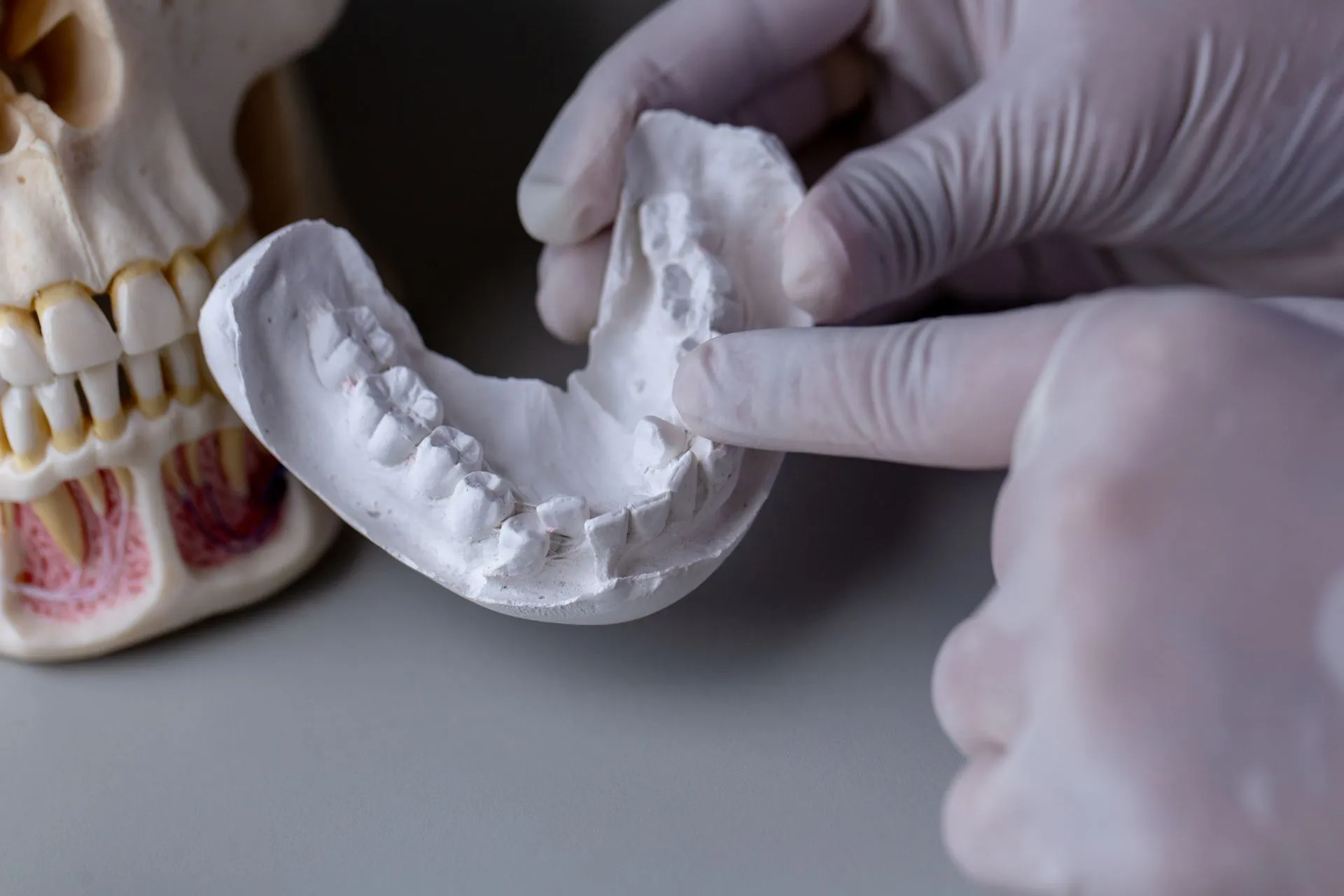
Orthodontics is the field of dentistry responsible for the diagnosis and correction of tooth positioning and the relationship between the jaws. Although many people associate orthodontic treatment only with the aesthetics of the smile, dental alignment also plays a decisive role in chewing function, oral health and facial profile balance.
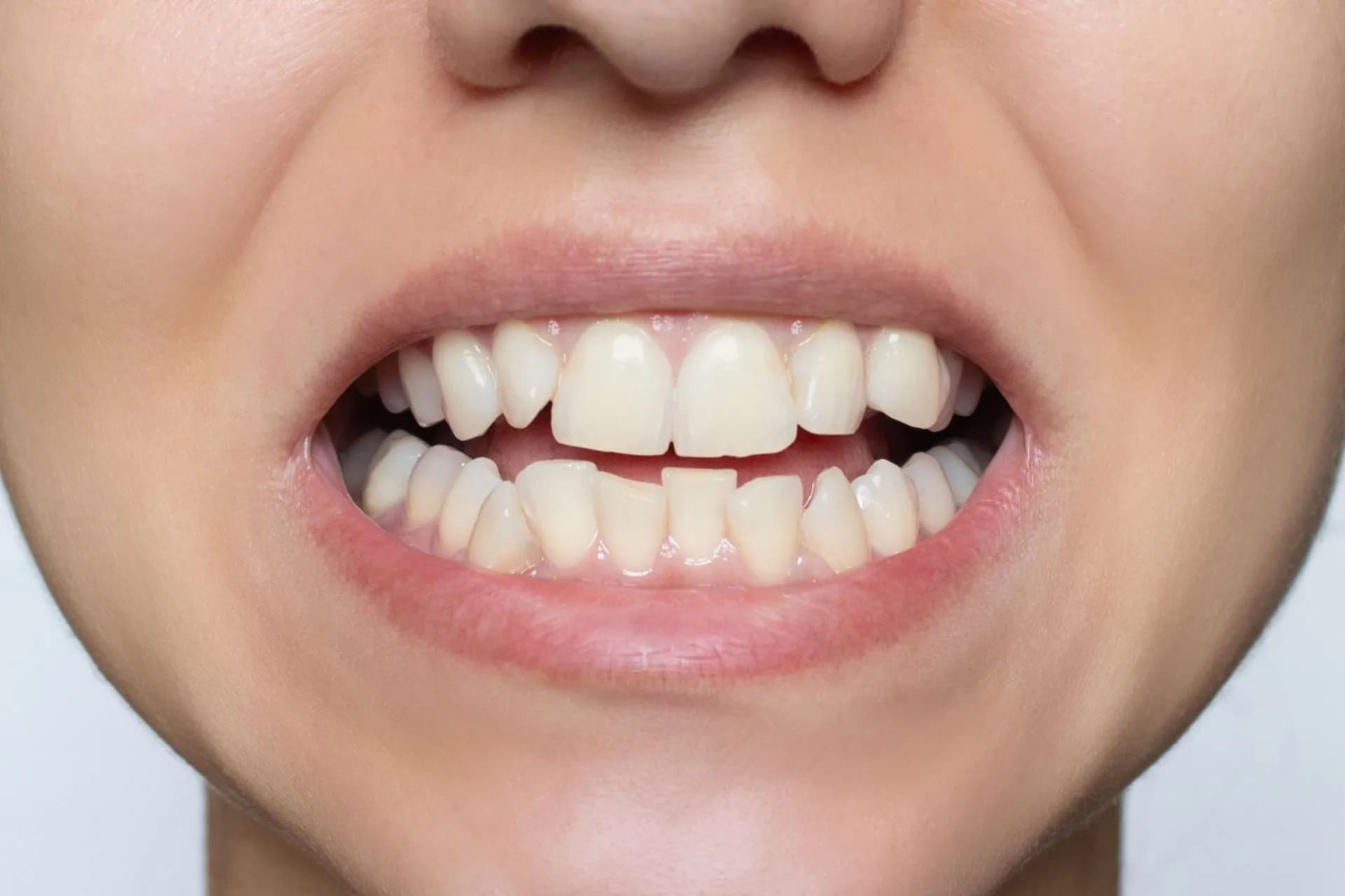
Misaligned teeth or an incorrect bite can cause tooth wear, difficulty maintaining oral hygiene and strain on certain structures of the mouth. At the same time, tooth position influences lip support and the way the smile integrates with the face.
With advances in modern orthodontics, it has become possible to correct these problems in an increasingly precise and comfortable way. There are currently different orthodontic treatment options, including more discreet fixed braces and removable solutions with transparent aligners, which allow the smile to be improved without significant impact on daily life.
The importance of tooth alignment for chewing function
When the teeth are well positioned, the forces generated during chewing are distributed evenly across the entire dental arch. This distribution protects the teeth and the temporomandibular joints.
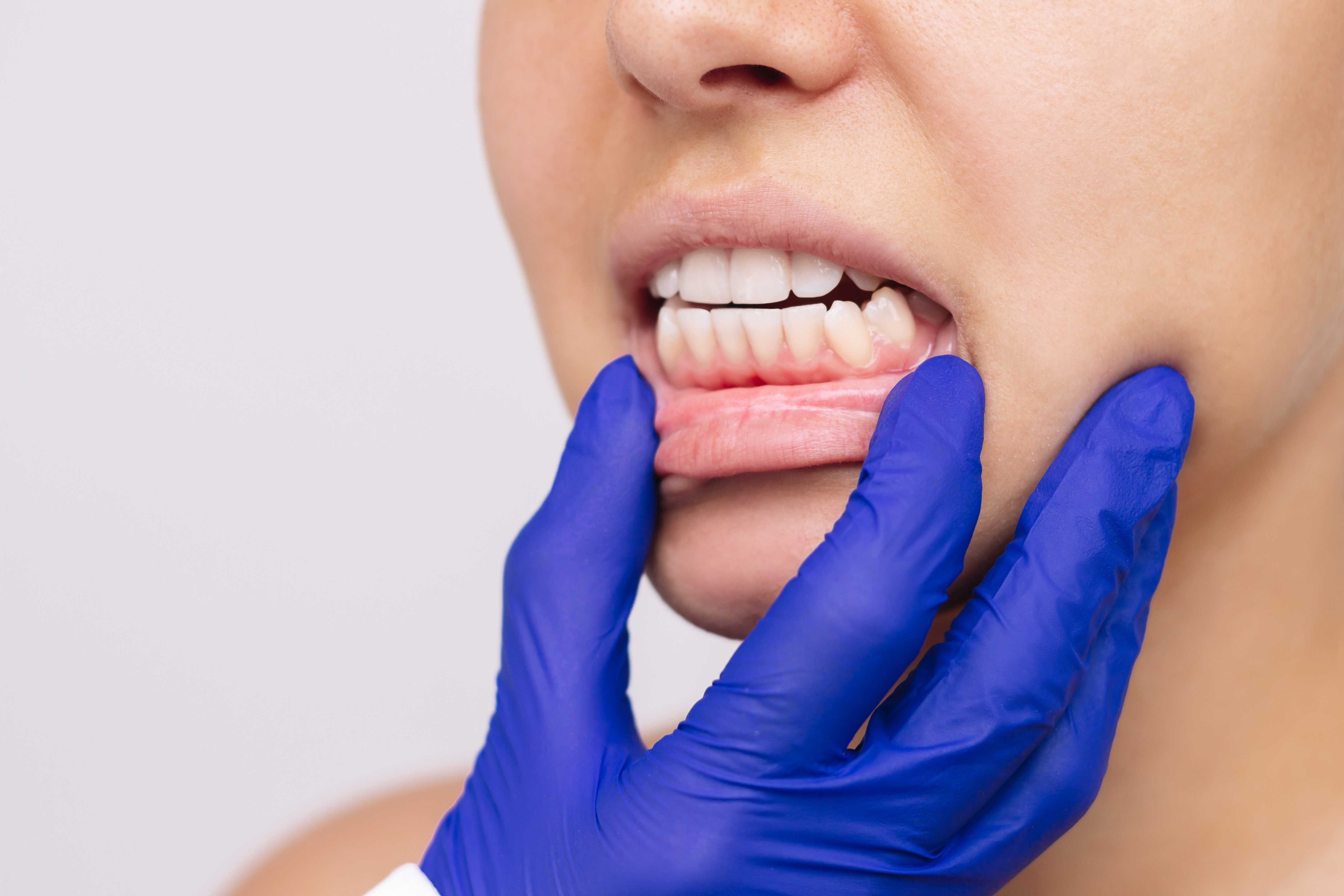
In cases of malocclusion - a term used to describe a misaligned bite - some areas of the mouth receive greater pressure. Over time, this situation can cause enamel wear, dental fractures or muscle pain. Another common problem is related to oral hygiene. Overlapping or very close teeth make brushing and flossing difficult. The accumulation of plaque increases the risk of tooth decay and periodontal disease.
Studies indicate that patients with proper tooth alignment have a lower incidence of gum inflammation and greater effectiveness in removing plaque during daily hygiene.
The impact of orthodontics on smile aesthetics
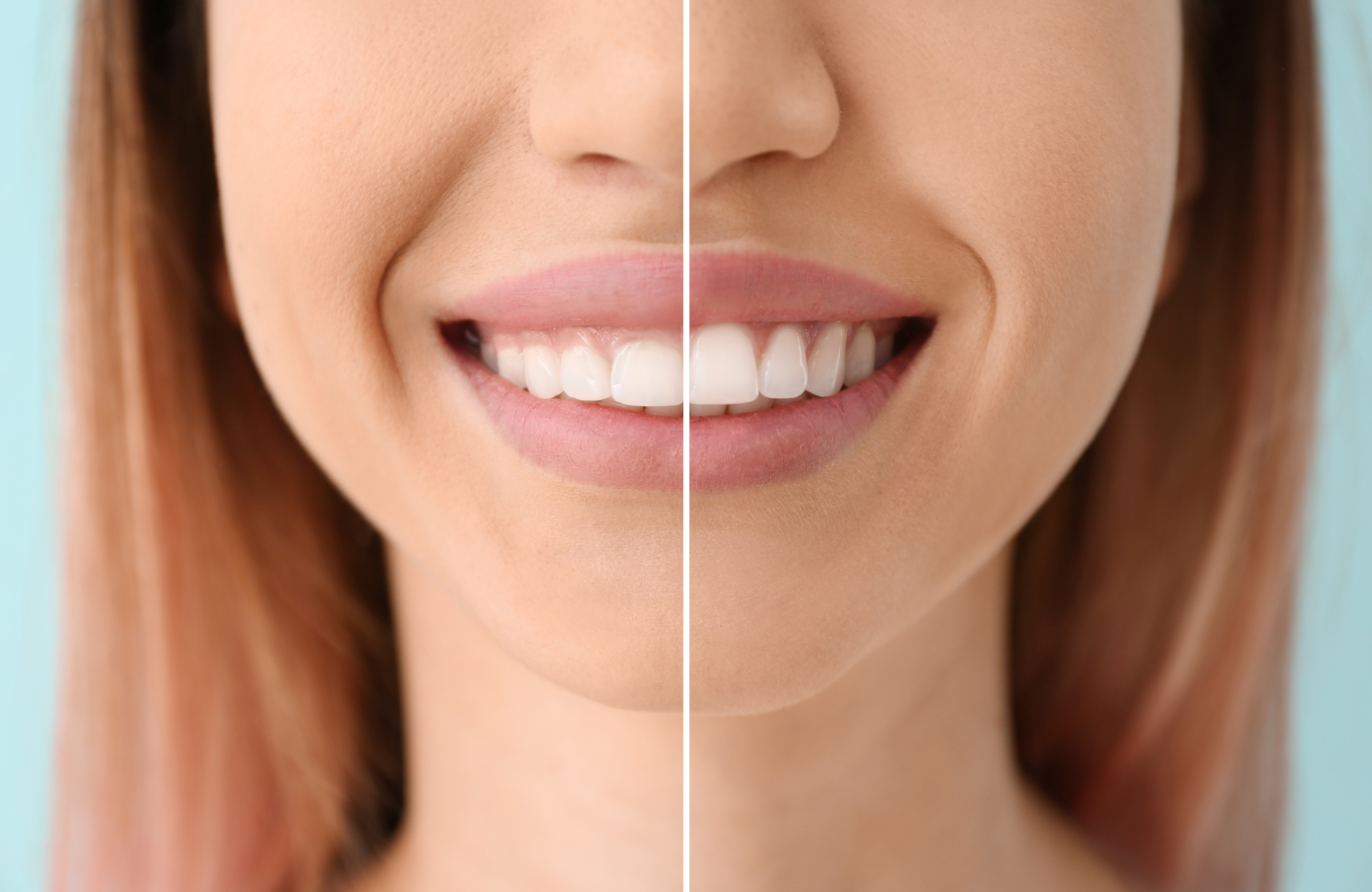
A smile is one of the most striking elements of facial expression. The position, inclination and proportion of the teeth directly influence the perception of harmony and aesthetic balance.
Small corrections in tooth position can significantly alter the way a smile appears. Tooth alignment improves smile symmetry, increases appropriate tooth display and contributes to a more balanced appearance.
Several social psychology studies show that a smile affects the way people are perceived. Aligned smiles are often associated with characteristics such as confidence, health and friendliness.
For this reason, the orthodontic treatment can also have a positive effect on self-esteem and personal confidence.
Orthodontics and facial profile
In addition to dental aesthetics, orthodontics can influence the facial profile. The position of the teeth and jaws determines the support of the soft tissues of the face, including the lips.
In some cases, teeth that are too protrusive can cause lip protrusion, while a retruded position can reduce lip support. Orthodontic correction makes it possible to improve this relationship and create a more balanced facial profile.
Nowadays, many orthodontic treatment plans use digital technology to assess not only the teeth, but also the overall harmony of the face. This approach makes it possible to plan tooth movements that respect and contribute to improving each patient's facial aesthetics.
Main orthodontic treatment options
The choice of orthodontic treatment depends on several factors, including the complexity of the case, the patient's age and aesthetic expectations.
Fixed orthodontic appliances
The fixed braces use brackets bonded to the teeth that are connected by a metal archwire responsible for gradual tooth movement.
Advances in materials have made these braces smaller and more comfortable. Ceramic brackets are also available, whose colour is closer to the tooth's natural shade, reducing the appliance's visual impact.
Orthodontics with clear aligners
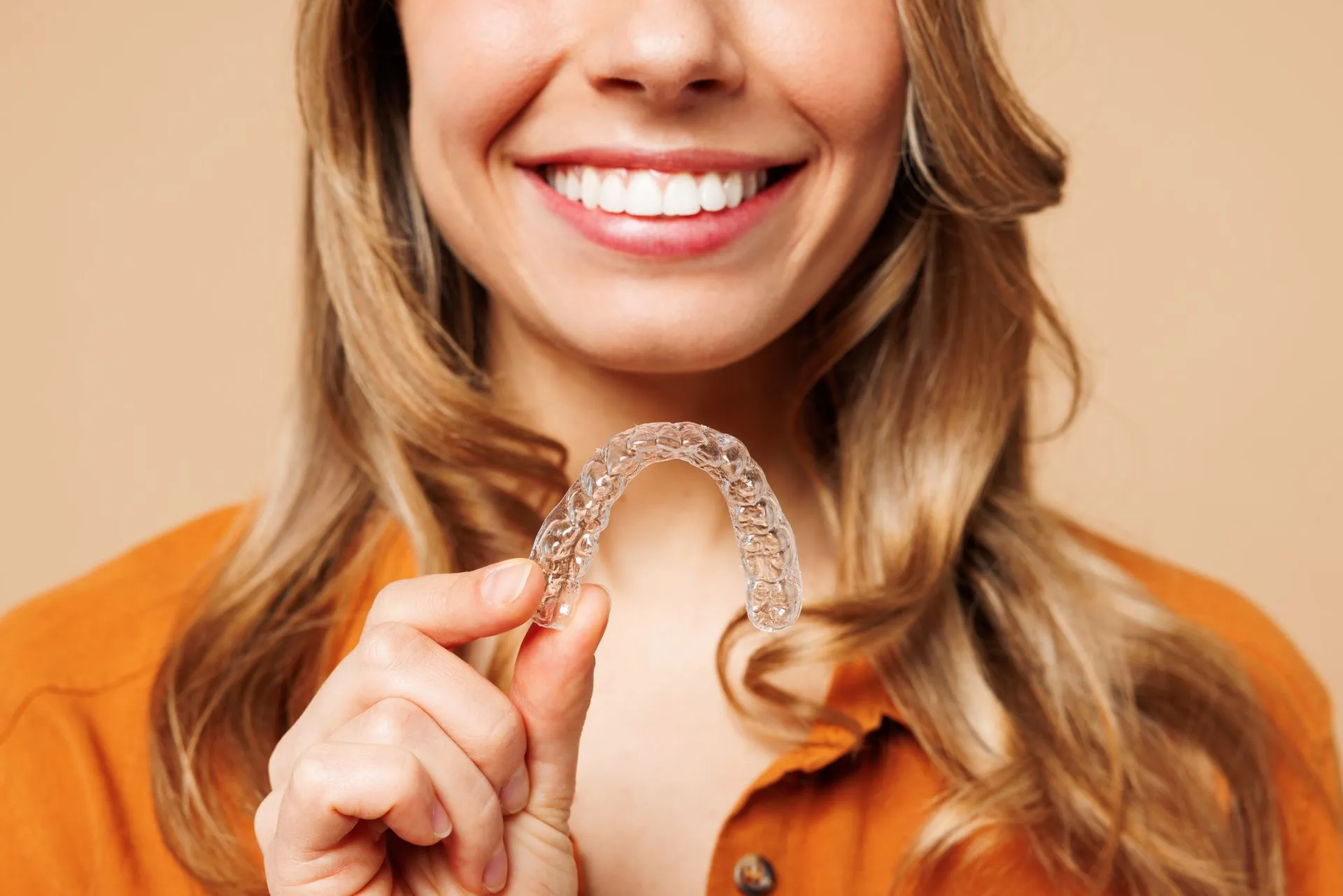
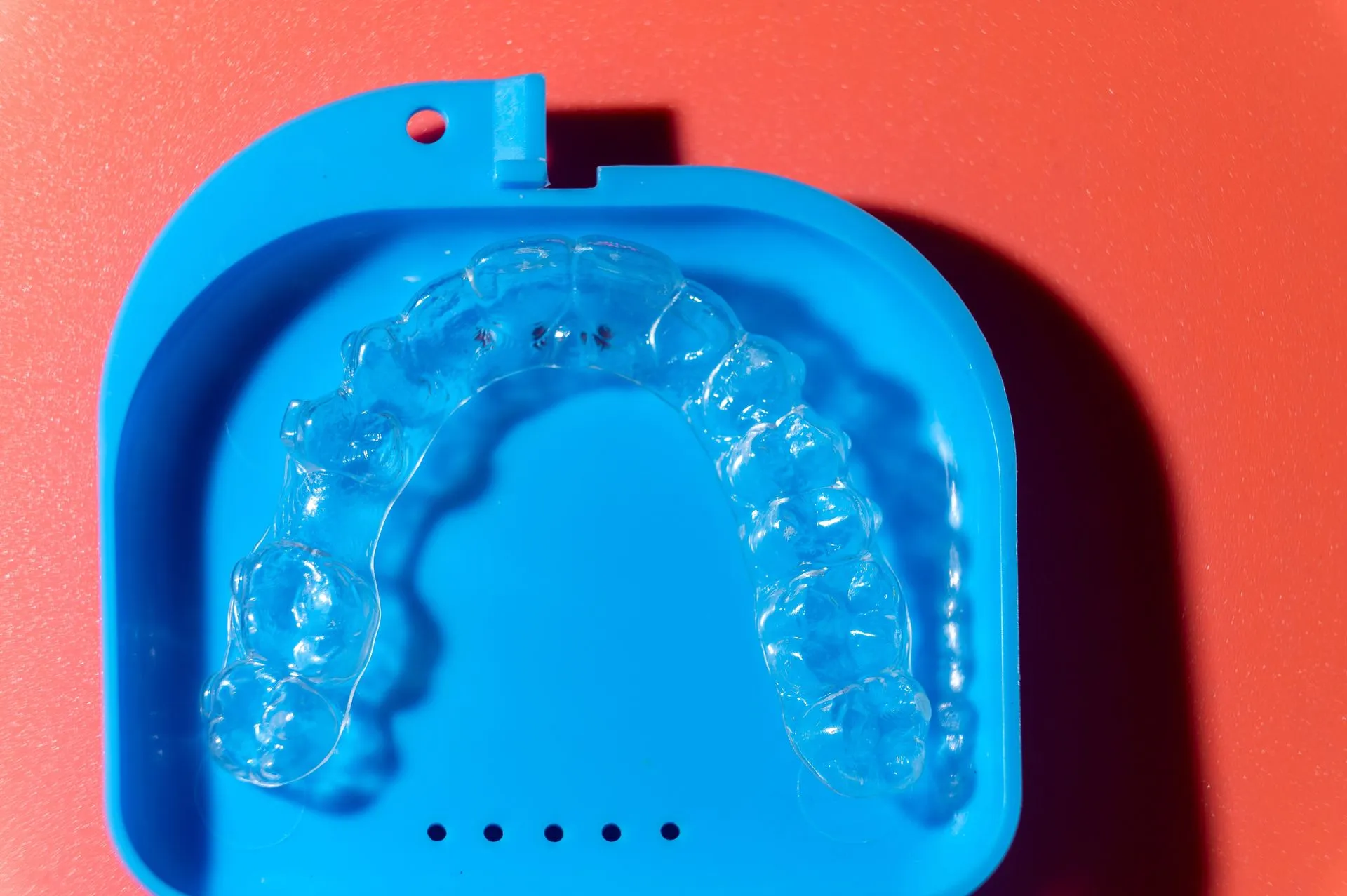
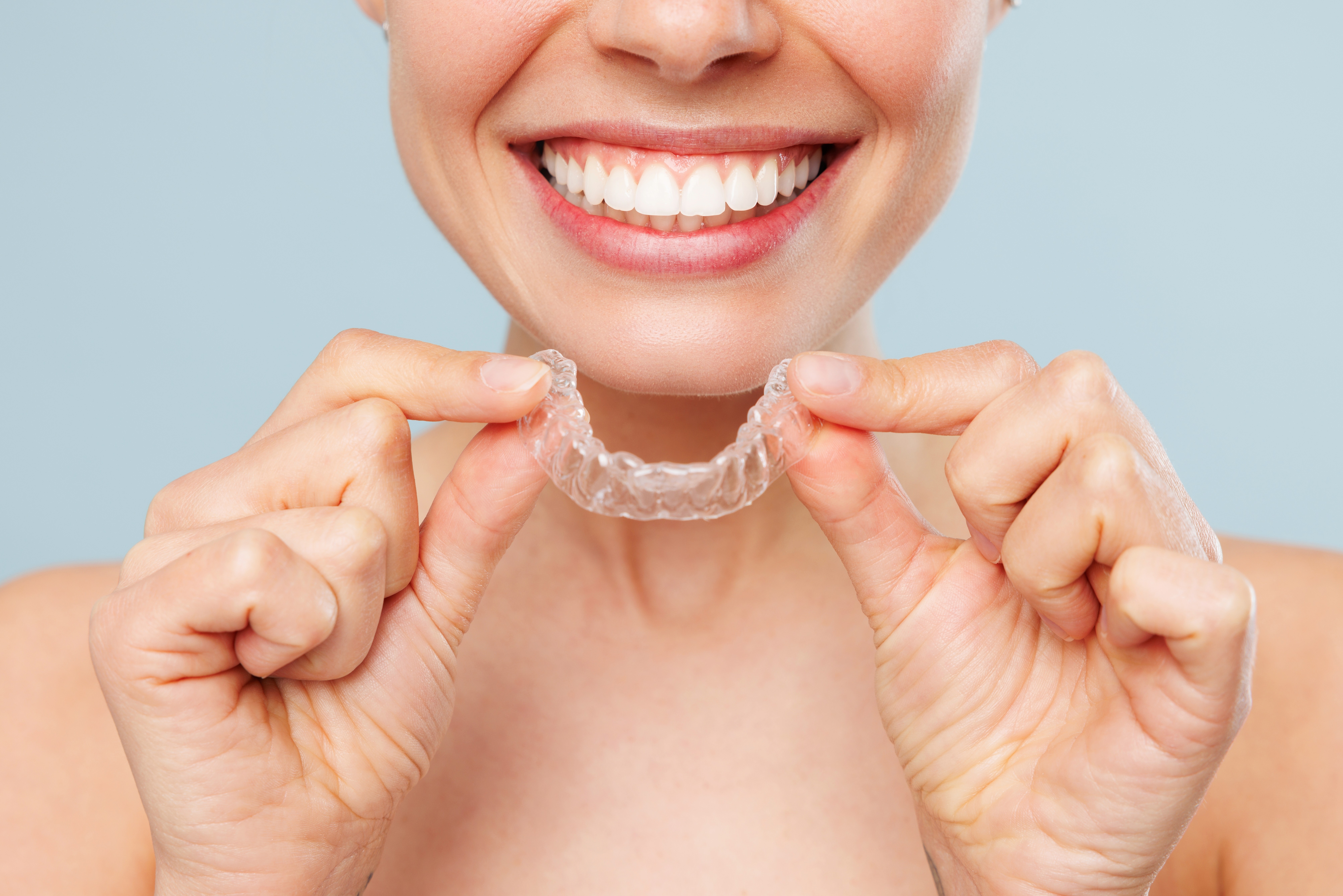
The clear aligners represent one of the most innovative solutions in contemporary orthodontics. These removable devices are made to measure for each patient and apply progressive forces that guide the teeth into the desired position.
The treatment is based on a sequence of aligners that are replaced according to the timeline of the treatment plan defined by the orthodontist.
One of the main advantages of this approach is its aesthetic discretion. The aligners are practically invisible when worn, which attracts many adults looking to correct their smile without resorting to traditional braces.
Another important advantage of orthodontics is related to oral hygiene. As the aligners are removed during meals and during daily oral hygiene, it becomes easier to maintain a complete and effective routine.
In addition, digital planning allows tooth movement to be simulated and the result to be predicted even before treatment begins. Aligners can achieve very effective results in cases of mild to moderate misalignment, provided the patient correctly complies with the minimum daily wear time.
How long does orthodontic treatment last
The duration of orthodontic treatment varies according to the complexity of the clinical case. In many cases, the treatment lasts between 12 and 24 months.
Simpler cases may require shorter periods, while more complex misalignments may need longer treatments.
In the case of aligners, the patient's cooperation plays a fundamental role. For the treatment to work properly, the aligners must remain in the mouth for about 22 hours a day.
After completion of active treatment, the orthodontist usually recommends the use of orthodontic retainers. These devices keep the teeth in their new position and reduce the risk of relapse.
Frequently Asked Questions
Orthodontics plays a fundamental role in oral health and facial aesthetics. By correcting tooth alignment and the relationship between the jaws, the treatment improves chewing function, facilitates oral hygiene and contributes to a more harmonious smile.
Thanks to technological advances, there are now increasingly discreet and comfortable solutions, such as clear aligners, which make it possible to correct the smile with minimal impact on daily life.
A detailed clinical assessment makes it possible to define the most appropriate treatment plan for each patient, with the aim of achieving a healthy, functional and aesthetically balanced smile.