Find out what can cause stains on teeth
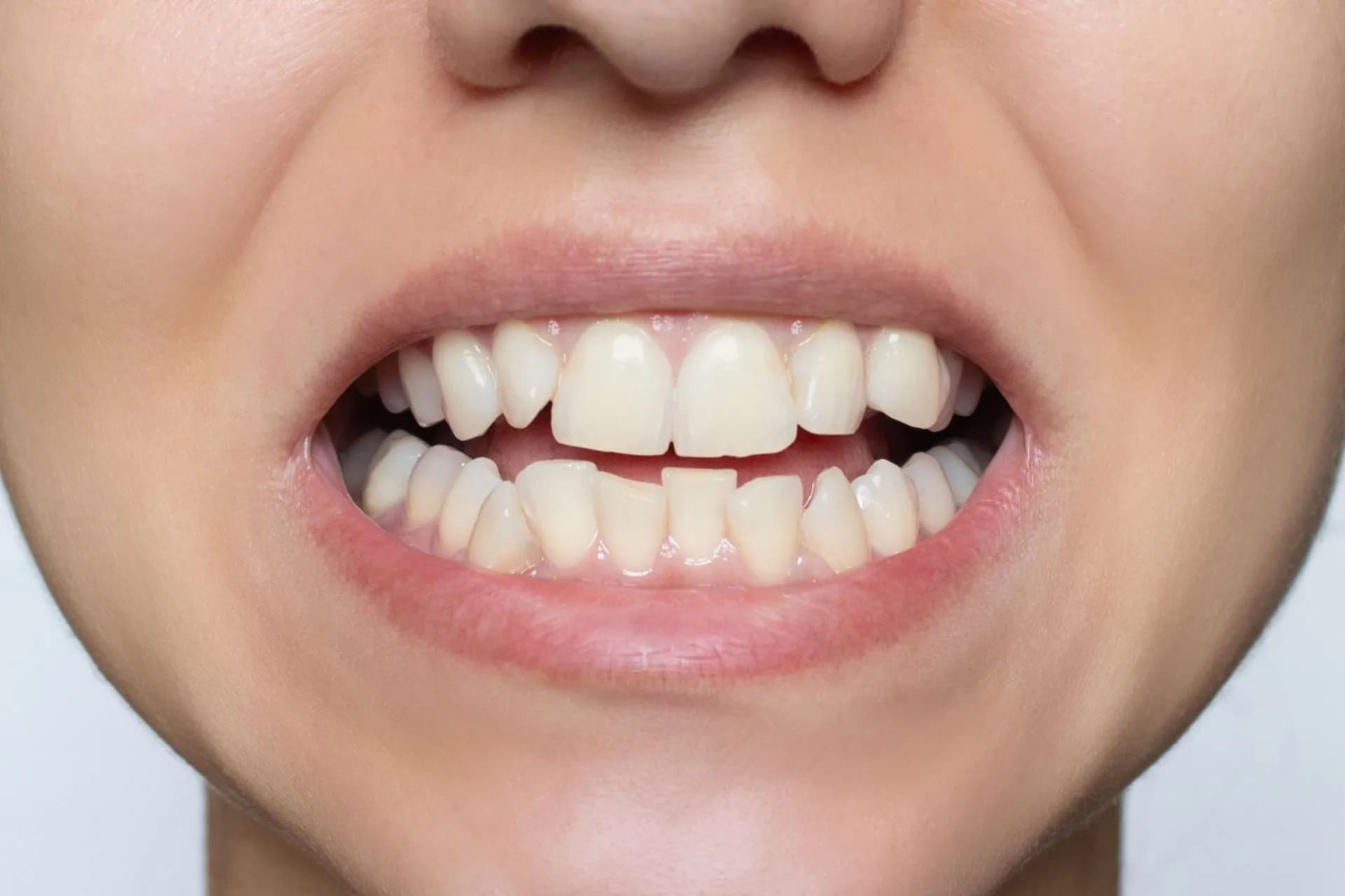
Changes in tooth coloration are one of the most common aesthetic complaints in dental medicine. The presence of stains on teeth can significantly affect a patient's confidence and self-esteem. The key is to be able to distinguish them and identify their origin, in order to determine not only the prognosis but the entire therapeutic plan.
In this article, we explore these conditions, their causes, and, when possible, strategies to prevent them, as well as the treatments available to correct or alleviate them.
What are stains on teeth and what is dental fluorosis?
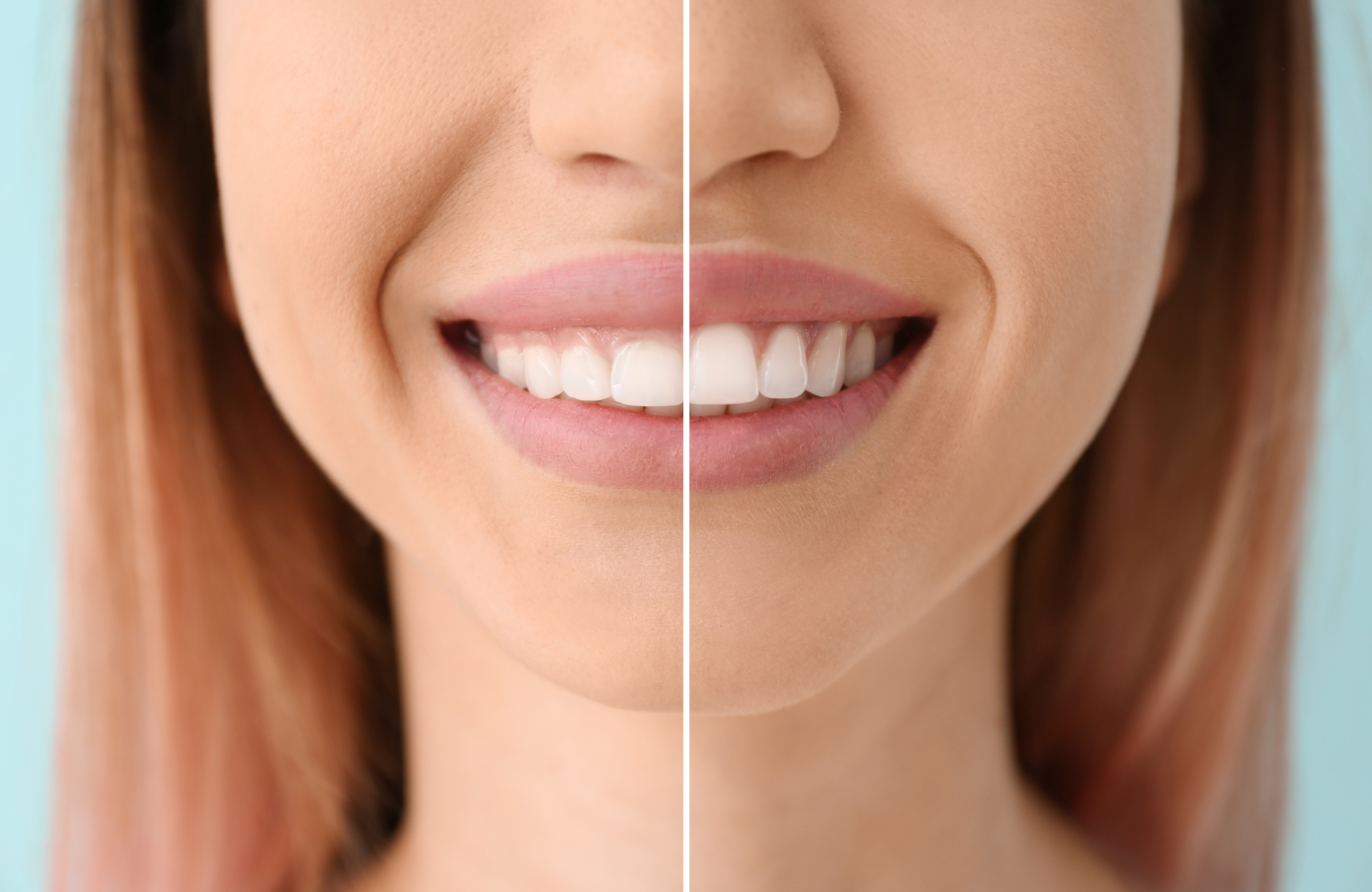
Stains on teeth can have various origins: from external factors (commonly referred to as extrinsic), such as the consumption of pigmented foods and/or beverages, or, on the other hand, factors associated with the formation of the tooth (commonly referred to as intrinsic), such as dental fluorosis.
This condition results from excessive exposure to fluoride during the formation phase of permanent teeth, that is, before their eruption. Excessive exposure to this element interferes with the formation of the enamel of the permanent teeth, potentially causing changes not only in color but also in the structure of the teeth.
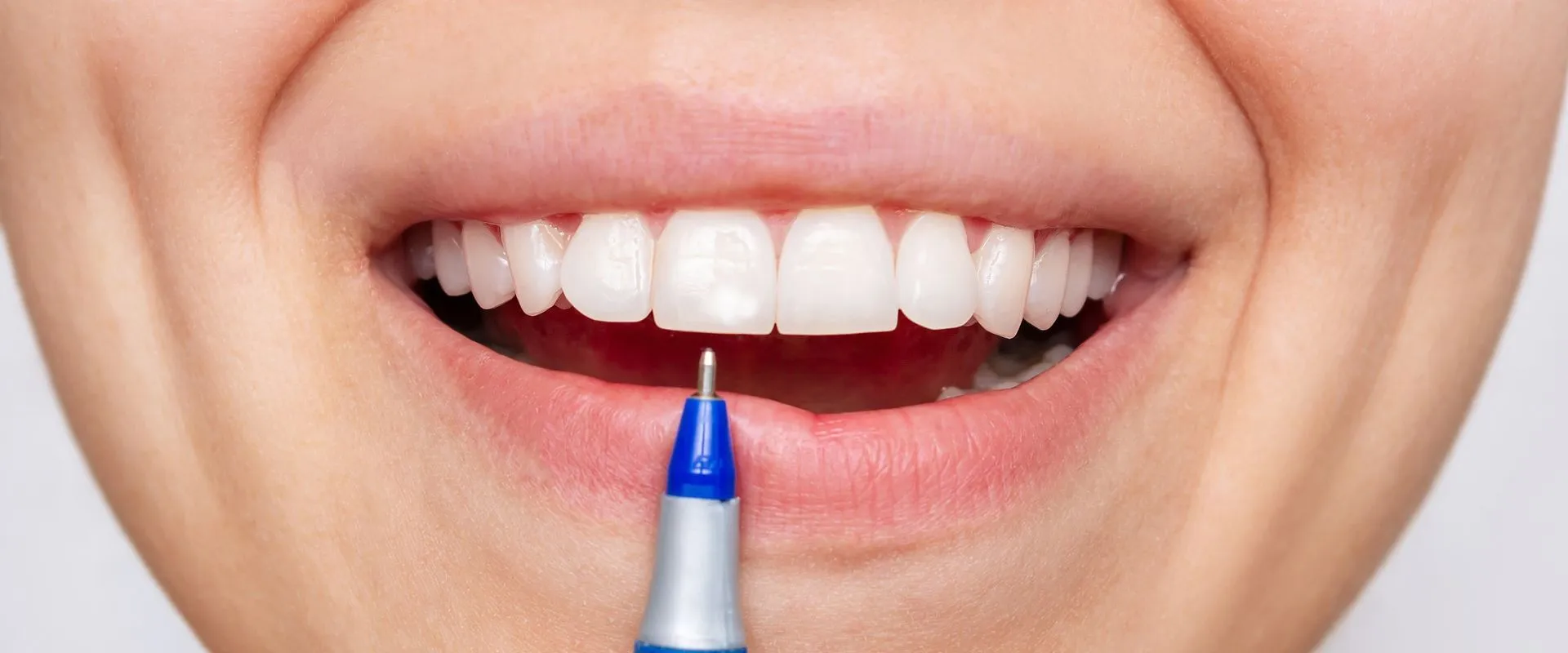
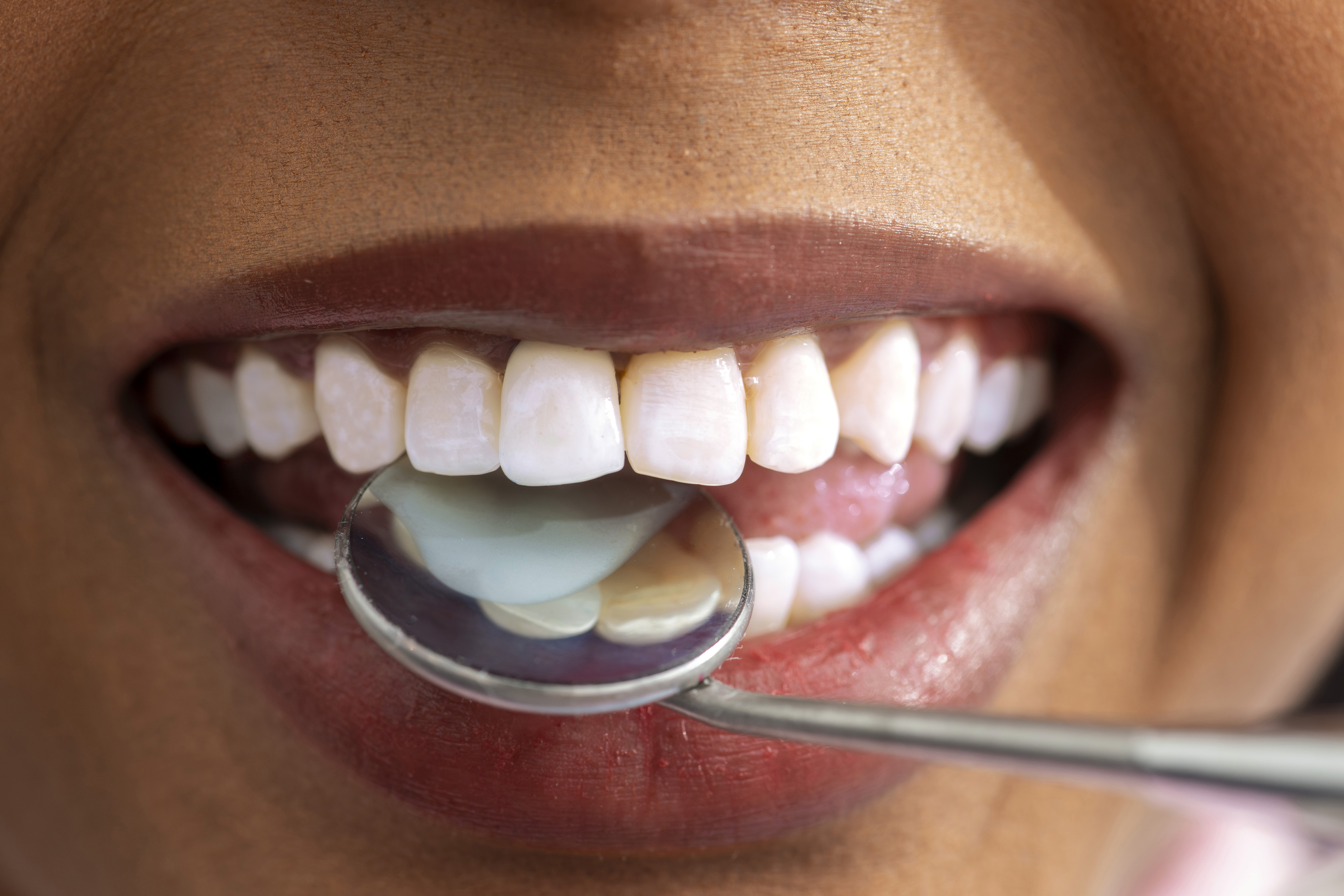
The manifestations of fluorosis can vary from small whitish lines to brown and porous spots, which affect aesthetics and, in more severe cases, the strength of the teeth.
Causes of stains on teeth
Dental fluorosis
Dental fluorosis, or stains on teeth due to intrinsic factors, is associated with excessive fluoride intake during childhood, particularly during the years when permanent teeth are forming. It is believed that the critical period for overexposure to fluoride, which may result in aesthetic changes, occurs between ages 1 and 4, and that only after age 8 is the risk of developing dental fluorosis surpassed.
Globally, the most common causes of this condition include:
Fluoridated water - the main factor for dental fluorosis, whether through direct consumption or its use in food/reconstituted milk;
Fluoridated toothpaste – It is estimated that 30% of cases of fluorosis are due to accidental ingestion of toothpaste during tooth brushing, by children up to the age of 5;
Fluoride supplements/tablets - although indicated in deficient areas, they significantly increase the risk of fluorosis, especially when combined with the consumption of fluoridated water (quadrupled risk);
Elixirs - the use of unsupervised elixirs in children younger than 6 years may also contribute to dental fluorosis, although with lower severity compared to toothpaste.
Other causes of stains on teeth
Not all dental stains are the result of fluorosis. There are other common origins:
Frequent consumption of staining beverages, such as coffee, tea, red wine, and soft drinks;
Smoking habit, which causes the appearance of dark pigmentation on tooth surfaces;
Poor oral hygiene, which promotes the formation of bacterial plaque and tartar that facilitate the adhesion of pigment;
Some gels, toothpastes, and mouthwashes;
History of taking certain families of antibiotics, such as tetracyclines, during dental development;
Dental traumas or infections.
How to avoid stains on teeth?
Preventing fluorosis and other stains on teeth involves careful monitoring and good practices from childhood.
Practical tips:
Supervise the use of fluoride toothpaste in children up to 6 years old — for children up to two years, “dirty” the tip of the toothbrush, 3-5 years, the toothpaste should be equivalent to the size of a grain of rice. From the age of six, the amount of toothpaste used should be the size of a pea.
Avoid allowing children to swallow toothpaste;
Get informed about the levels of fluoride in the drinking water in your region (in Portugal, they are generally within safe limits);
Avoid fluoride supplements, except on medical advice;
Promote a diet low in sugars and staining agents;
Maintain regular dental check-ups from childhood.
Treatments for stains on teeth and dental fluorosis
The treatment will depend on the origin, extent, and depth of the stains on teeth. An appropriate clinical diagnosis is essential to define the most effective approach. Some options may include:
Professional prophylactic polishing – for superficial stains caused by food pigments or tobacco;
Teeth whitening under medical supervision – can even out the color of the teeth, even in cases of mild dental fluorosis;
Enamel micro-abrasion – a minimally invasive technique that removes the thin layer of stained enamel, recommended for mild fluorosis;
Use of infiltrative resins - fluid materials of low viscosity that penetrate the enamel and mask mild intrinsic stains;
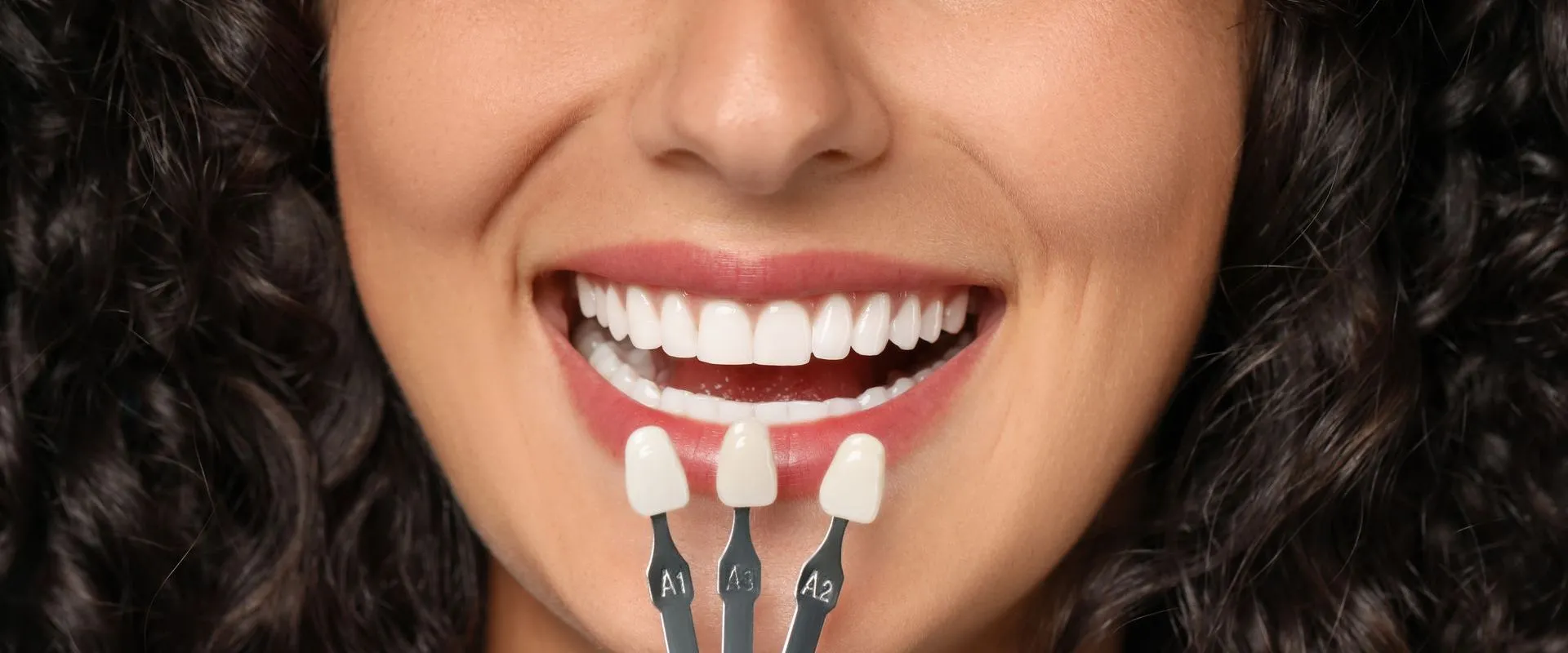
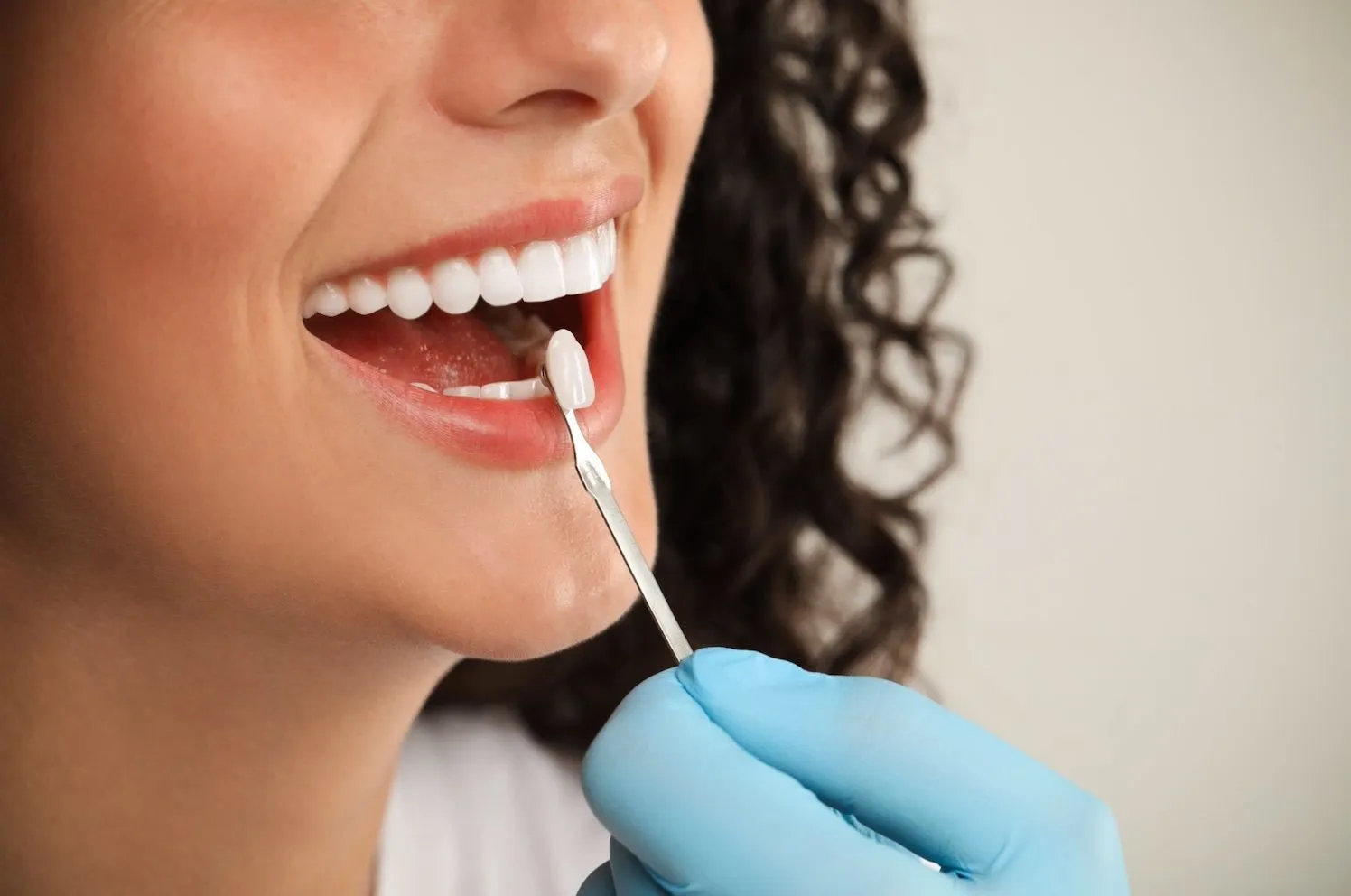
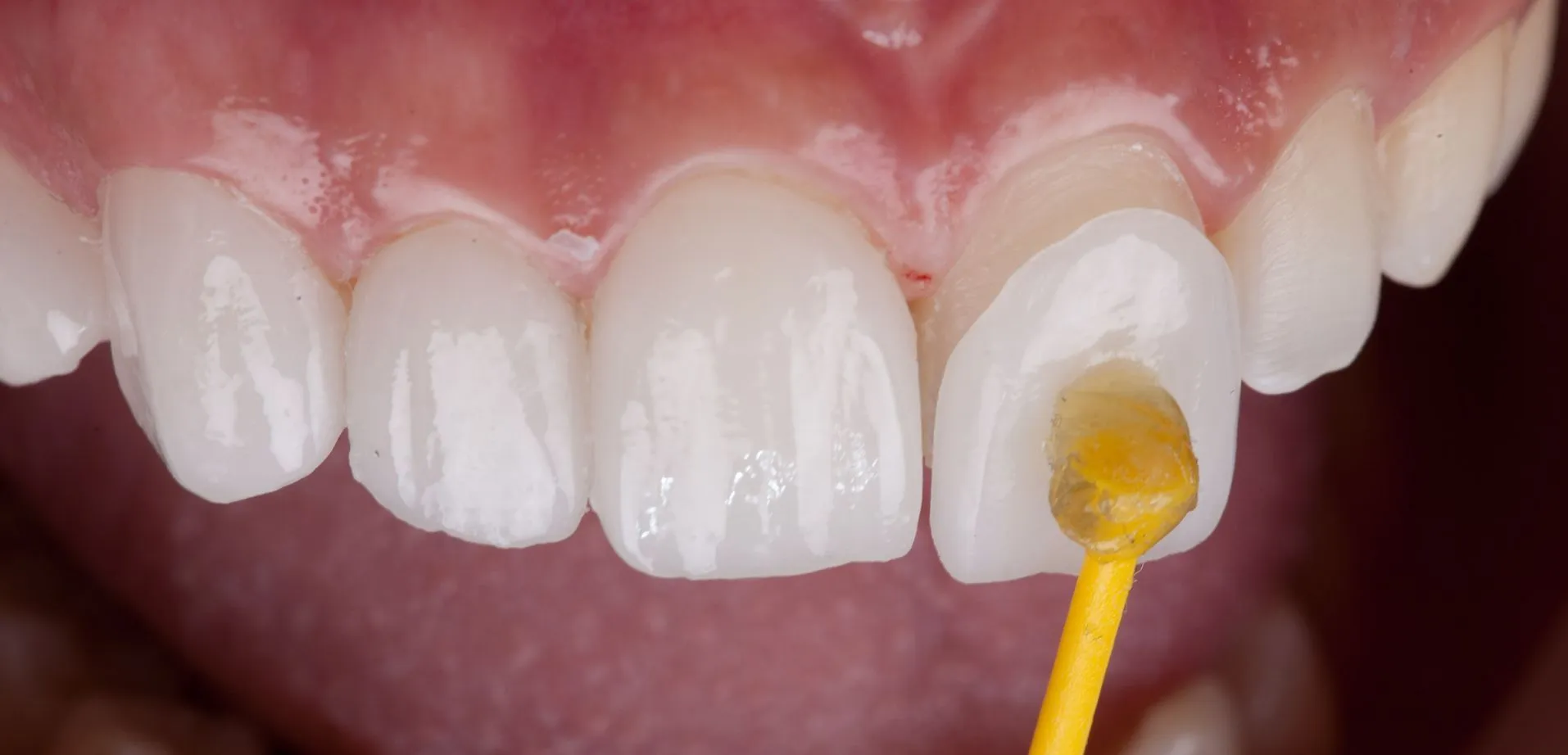
Ceramic or composite resin veneers – ideal for correcting color or shape alterations;
Crowns – used in severe cases where there is structural fragility of the tooth associated with dental fluorosis.
The importance of clinical evaluation
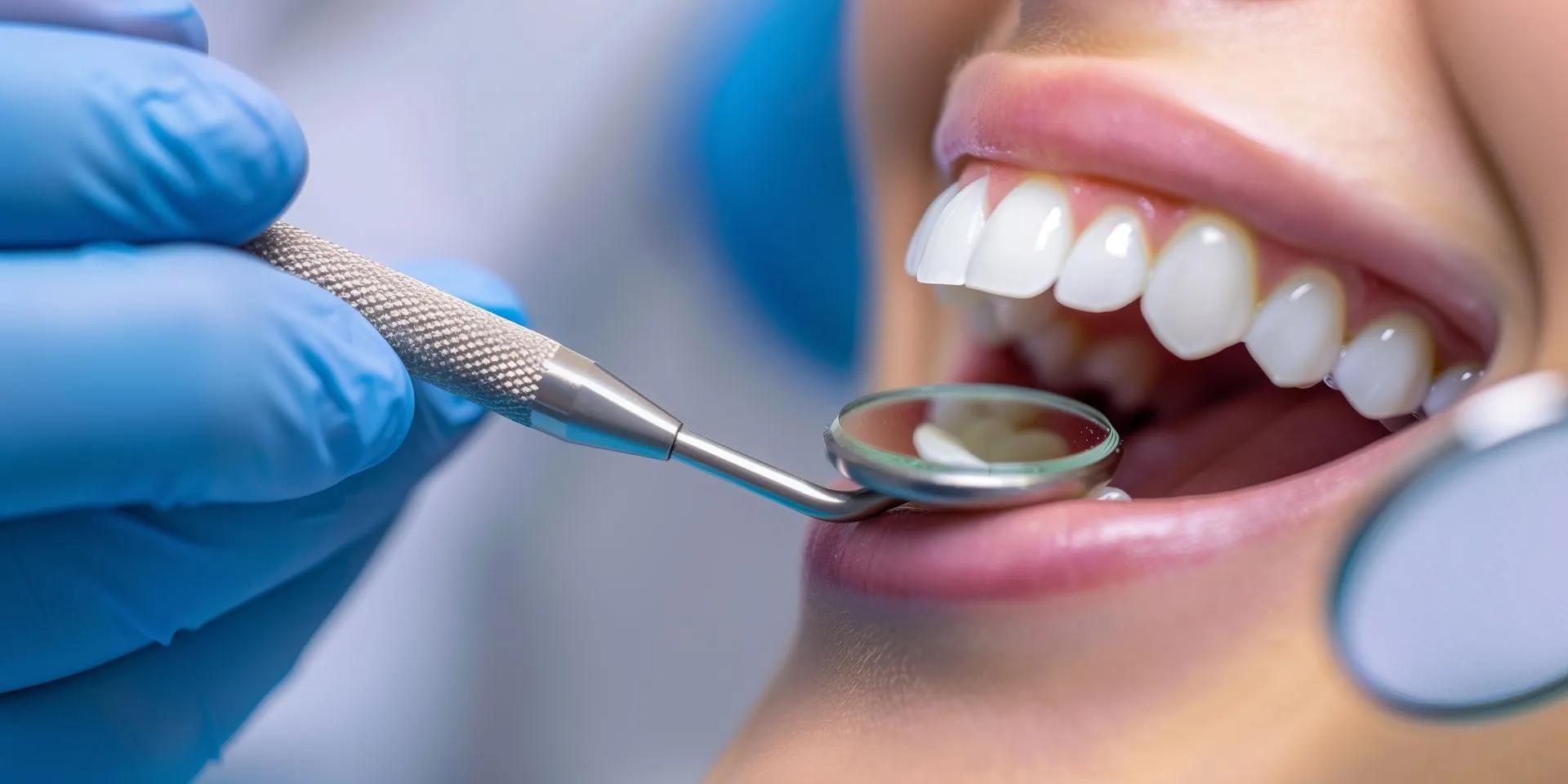
Not all stains on teeth require immediate treatment. Evaluation by an experienced oral health professional allows for the distinction between harmless aesthetic changes and more complex conditions that require intervention.
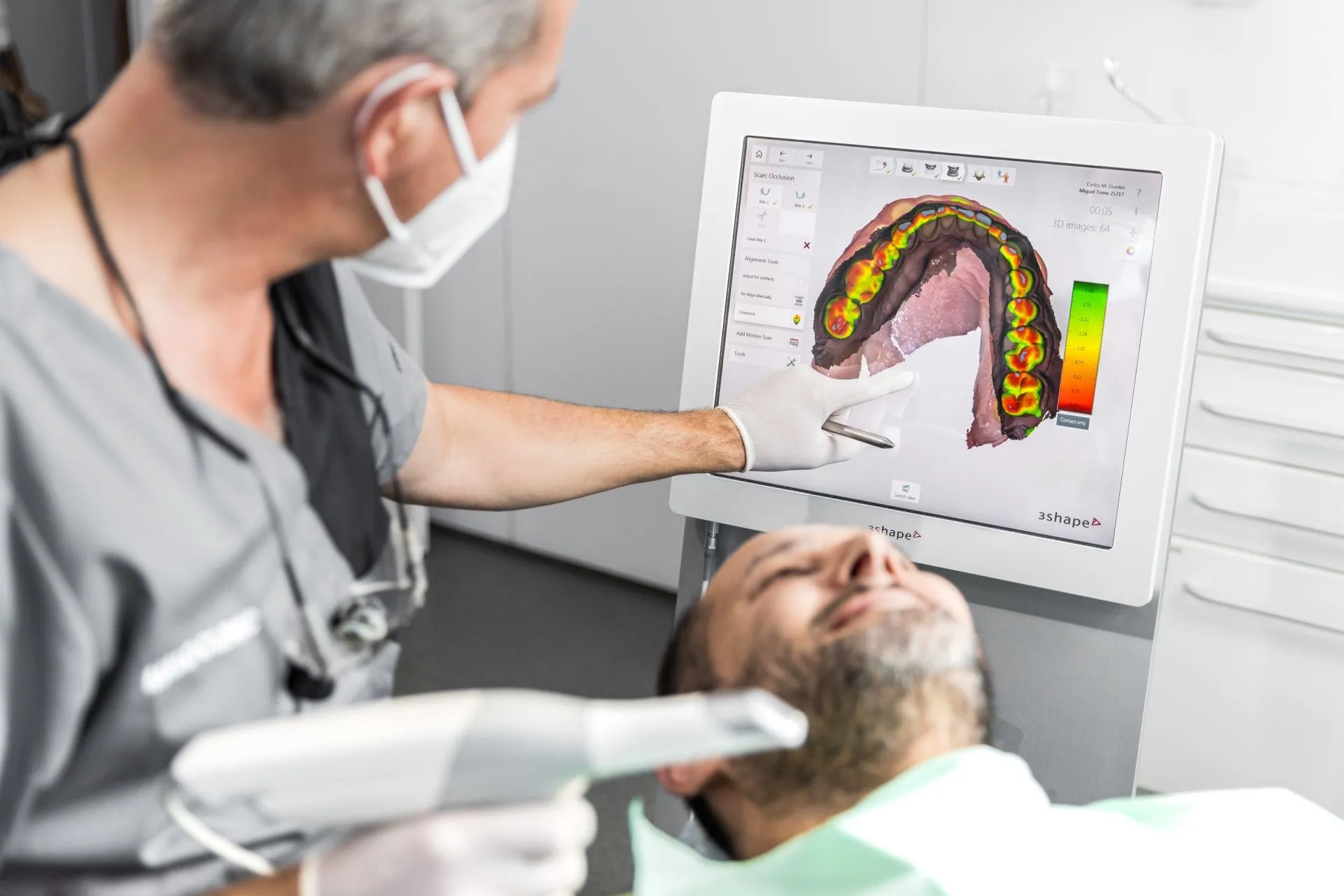
MALO CLINIC has a multidisciplinary and experienced team capable of offering personalized diagnosis and clinically predictable solutions, focusing on the recovery of oral health, function, and aesthetics.
Did you know...?
The World Health Organization recommends that fluoride levels in drinking water should not exceed 1.5 mg/L. In Portugal, there may be residual traces of fluoride in the water due to natural processes and its treatment;
Fluoride levels in water are frequently monitored to ensure they remain within regulated limits;
Dental fluorosis occurs in permanent teeth during formation due to excessive exposure to fluoride;
Fluoride is an ally of oral health when used correctly, as it strengthens enamel and reduces the risk of dental caries.