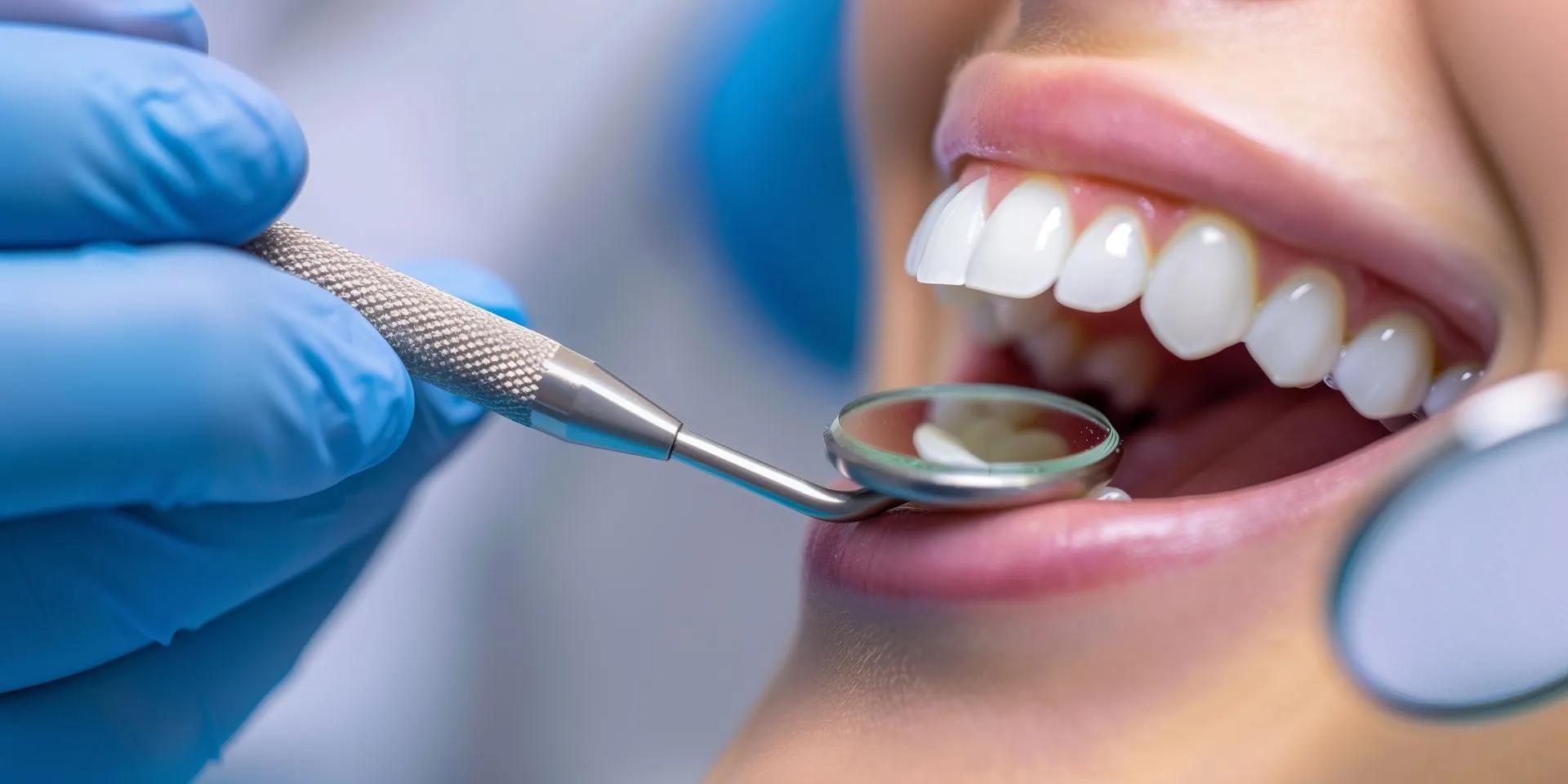
Learn more about the specialty of oral hygiene, its benefits, and the conditions it helps to treat, to keep your smile always impeccable.
Maintaining a healthy smile goes beyond daily brushing of teeth. In fact, oral hygiene appointments play an essential role in preventing oral diseases and promoting the maintenance of oral health. In this article, we will explore what the specialty of oral hygiene is, its benefits, and the conditions it helps to treat.
What is oral hygiene?
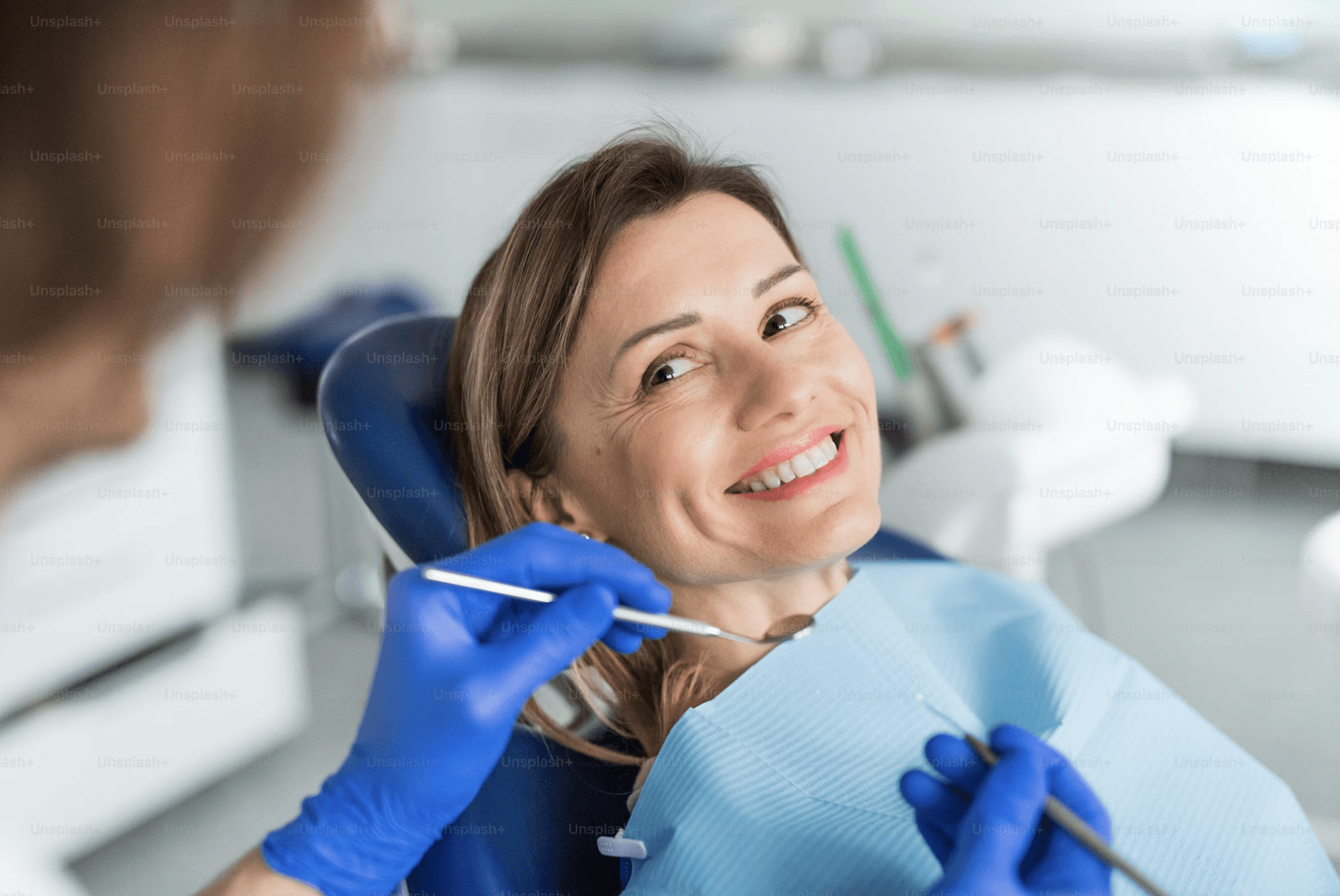
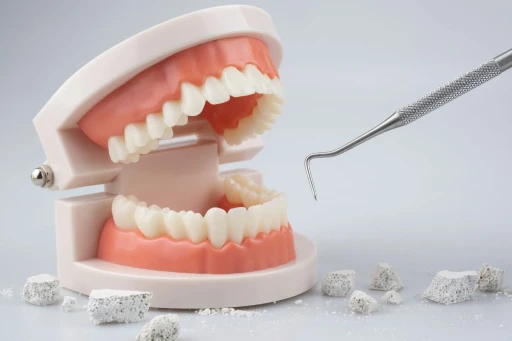
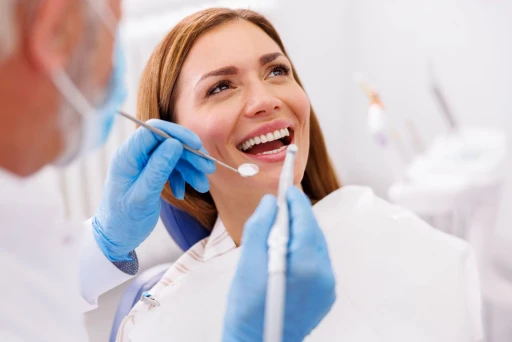
Oral hygiene is a field of dental medicine, focused on the prevention, diagnosis, and treatment of oral diseases. The oral hygiene appointment is conducted by a specialized professional - the oral hygienist - who performs deep cleaning and provides guidance on the best daily care to take for oral health.
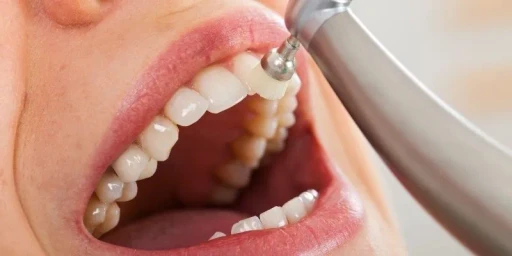
Oral hygienists are professionals who play a central role in the prevention of oral diseases, working in collaboration with dentists to ensure the health of patients, adapting specific oral hygiene habits for each patient. During the appointment, specific instruments are used to remove accumulated debris from the teeth and gums, preventing the emergence of future problems.
Benefits of oral hygiene appointments
Oral hygiene appointments offer multiple benefits for health and aesthetics. Among the main ones are:
Prevention of cavities and gum diseases, as well as more serious complications: Removing plaque and tartar during appointments significantly reduces the risk of cavities and gum inflammation, such as gingivitis and periodontitis. Moreover, it can even identify suspicious signs that may be related to more serious conditions, such as oral cancer, thus allowing for early diagnosis and more effective treatment.
Fresh and healthy breath: The accumulation of food debris and bacteria can cause bad breath, so professional hygiene helps to eliminate these substances.
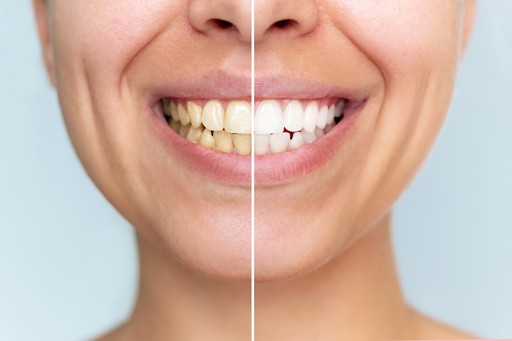
Natural whitening of teeth: During the appointment, superficial stains caused by substances such as coffee, tea, tobacco, and other pigmented foods are removed, leaving the teeth lighter and shinier.
Improvement of overall health: Oral health is directly linked to the health of the body. In fact, oral problems can increase the risk of heart disease, diabetes, or even complications during pregnancy. Therefore, maintaining healthy teeth is an important step towards a healthy body.
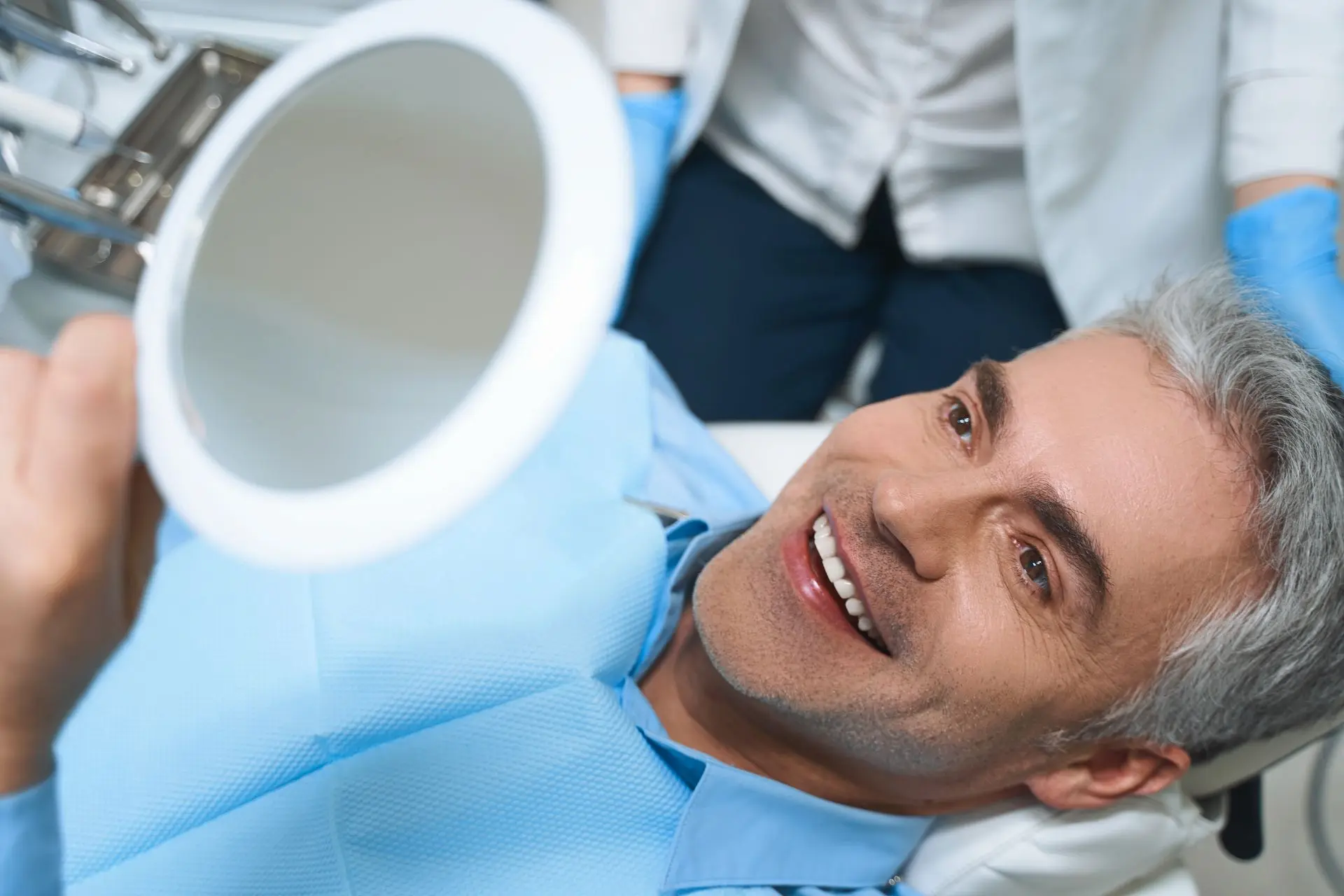
Aesthetic improvement of the smile: Oral hygiene appointments can also help enhance the appearance of the smile by correcting elements such as stains on the teeth. This aesthetic improvement can further have positive impacts on confidence and self-esteem, promoting more smiles.
The importance of regular appointments
Many people only seek medical help when they feel pain or discomfort, but oral hygiene should be a regular and preventive practice. In fact, it is important to have oral hygiene appointments at least every six months, although this frequency may vary depending on the specific oral condition of each patient.
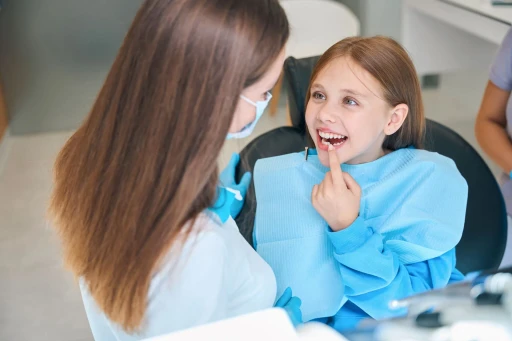
During the appointment, in addition to the removal of plaque and tartar, the oral hygienist can recommend specific products for each case, teach brushing techniques and the use of dental floss and/or interdental brushes, clean the tongue, and suggest dietary adjustments.
Conditions that oral hygiene helps to treat
Regular oral hygiene check-ups have the ability to prevent certain conditions, including:
Gingivitis: Inflammation of the gums caused by the accumulation of bacterial plaque, which can progress to periodontitis if not treated in time.
Periodontitis: Infection of the gums that can lead to bone and tooth loss, requiring more complex treatments.
Halitosis (bad breath): Often associated with the accumulation of bacteria on the tongue, gums, and teeth.
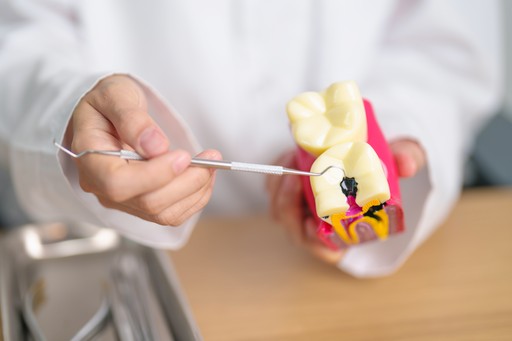
Caries: Although the definitive treatment involves restoring the tooth, oral hygiene helps to prevent and control the progression of the disease.
Stains on teeth: Accumulated tartar can darken teeth, and good oral hygiene contributes to a cleaner and brighter smile.
Guided Biofilm Therapy Protocol – the Oral Hygiene solution for those suffering from tooth sensitivity
For patients with tooth sensitivity, oral hygiene appointments can be quite uncomfortable and even painful, often causing delays in regular visits. The latest technology offers a solution to these situations.
The GBT Protocol (Guided Biofilm Therapy), by combining a fine powder jet with heated water, makes the removal of bacterial plaque much more pleasant. On the other hand, the use of ultrasonic technology allows for effective tartar removal, with gentle and safe vibrations. This innovative protocol thus enables the oral hygiene appointment to be conducted with the same effectiveness while making the experience much more comfortable and safe for the patient. An added advantage is the use of a revealing dye that makes the biofilm visible, identifying areas of greater bacterial plaque accumulation, allowing the patient to be instructed and motivated on the points to improve in their daily oral hygiene between appointments.
Tips for maintaining oral health between appointments
To ensure that oral health is maintained between oral hygiene appointments, it is essential to have some daily habits, such as:
Brush teeth and clean the tongue after meals, at least twice a day.
Use dental floss and/or interdental brushes to remove debris from interdental spaces, at least once a day, at night.
Use a fluoride toothpaste (containing between 1000 to 1500 ppm) and do not rinse with water after brushing.
Avoid excessive consumption of sugars and acidic drinks, as they can weaken tooth enamel, increasing the risk of cavities and the likelihood of tooth sensitivity.
Drink plenty of water to keep the mouth hydrated and stimulate saliva production.
Replace the toothbrush every three months or whenever the bristles are damaged.
Include fiber-rich foods in the diet, such as fruits and vegetables.
Avoid habits like smoking, as it stains teeth, harms gum health, and contributes to the appearance of oral cancer.
Oral hygiene check-ups are essential for maintaining oral and overall health. With a preventive and personalized approach, they help avoid future problems, ensuring a healthier and more confident smile. For this reason, it is essential to consult the dentist or oral hygienist regularly and preventively, avoiding unnecessary complications.