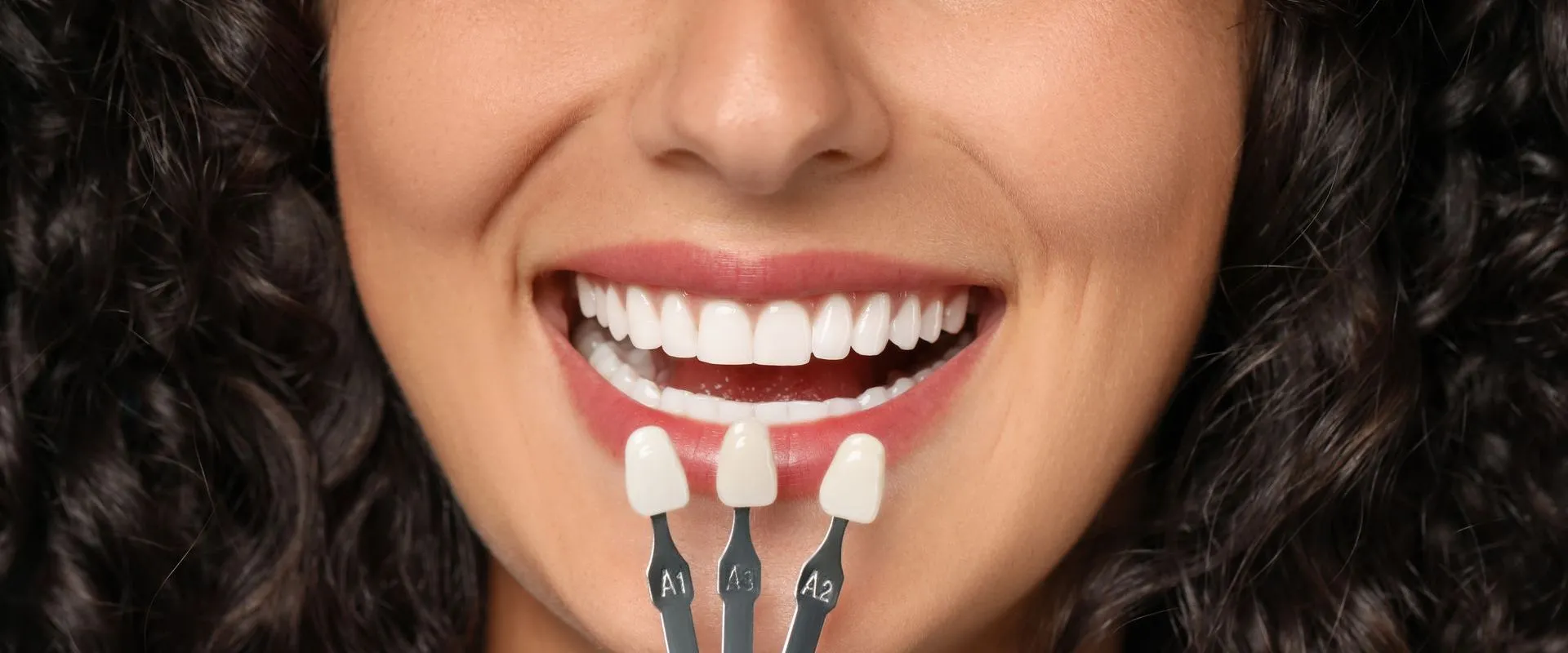
Dental Aesthetics

Dental Aesthetics

Dental Facets, or Veneers on the Tooth

Discover what dental veneers are, their benefits, and when you should put a lens on a tooth to achieve a better aesthetic result.

Written by:

Abílio Pereira Fernandes | Dentist

Abílio Pereira Fernandes

Dentist

No. 6448/OMD

Dental Facets, or Veneers on the Tooth

Learn when you should place a veneer on your tooth to enhance the aesthetics of your smile.

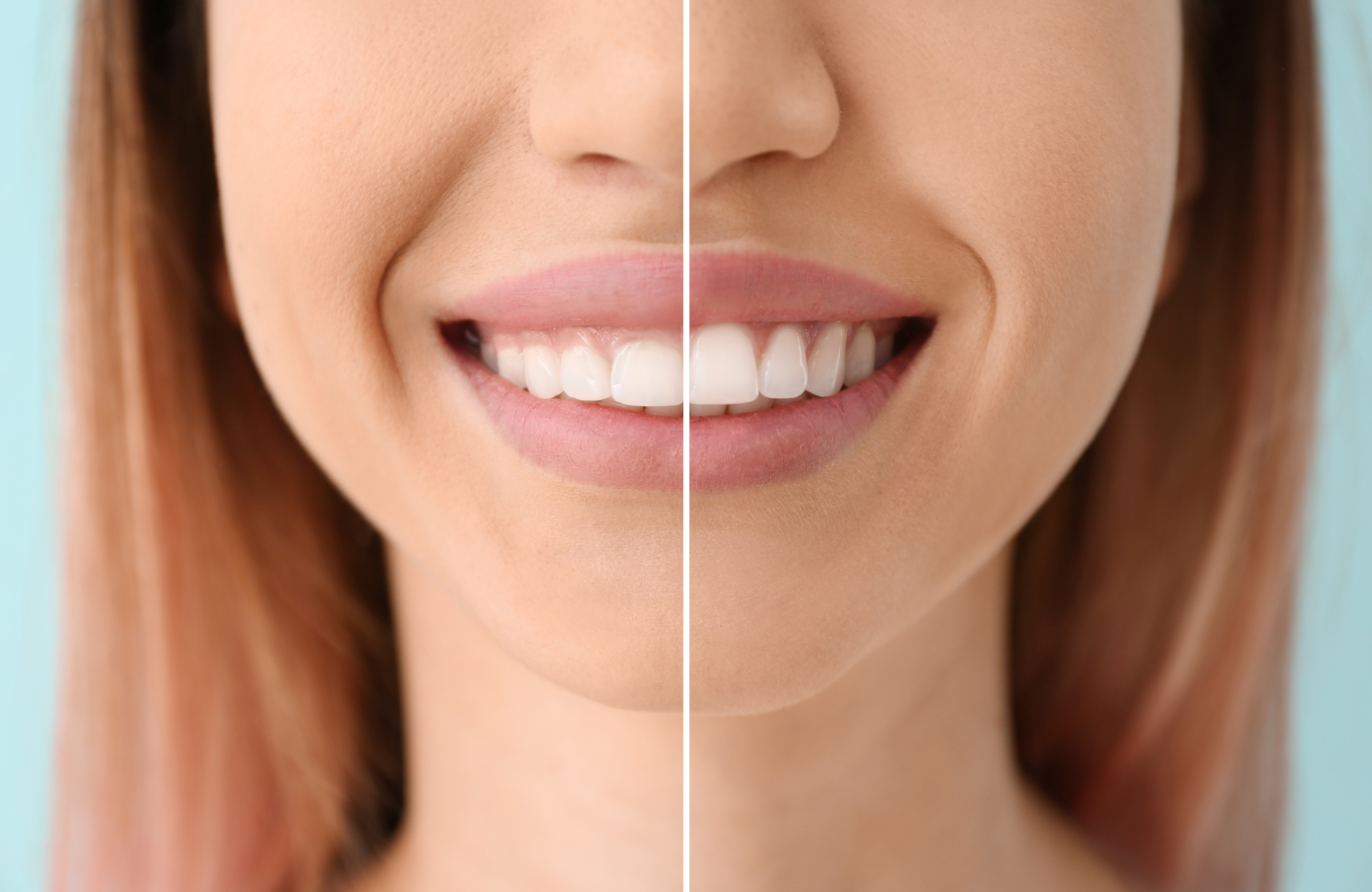
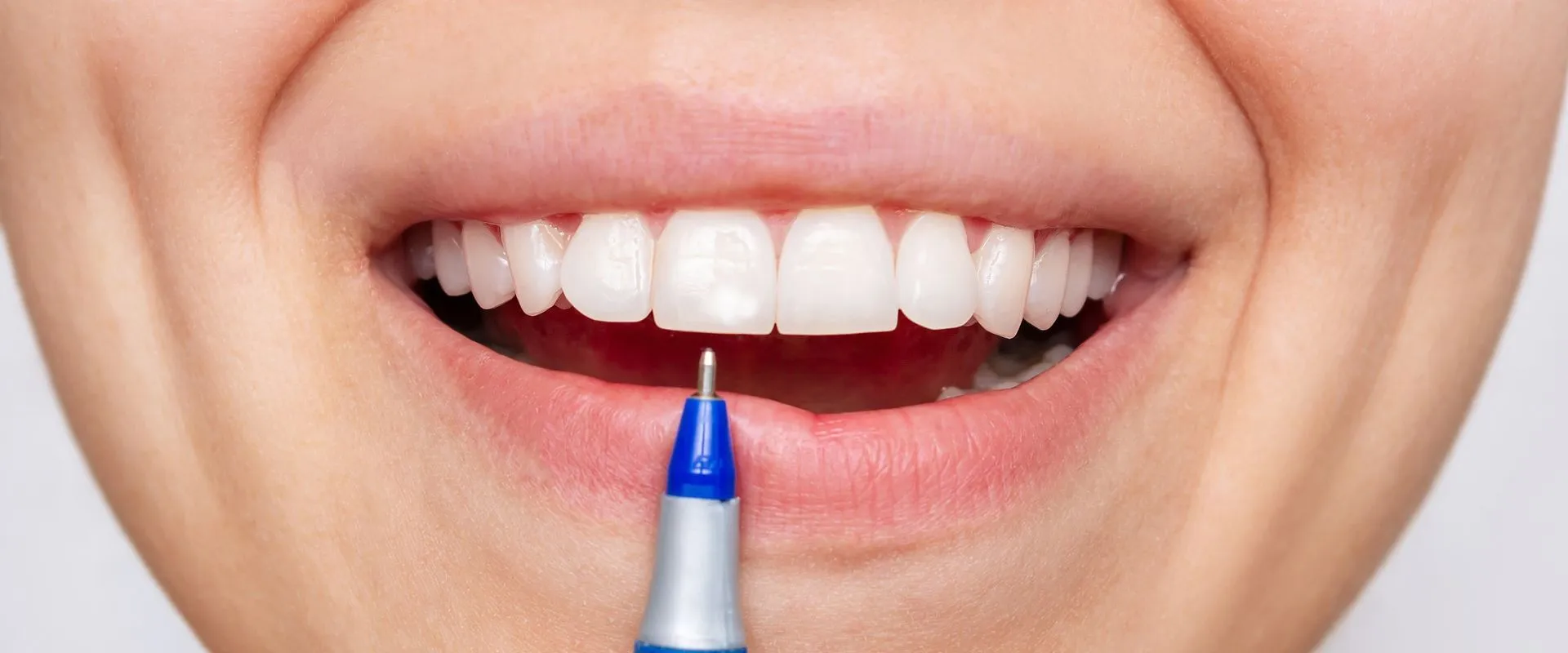
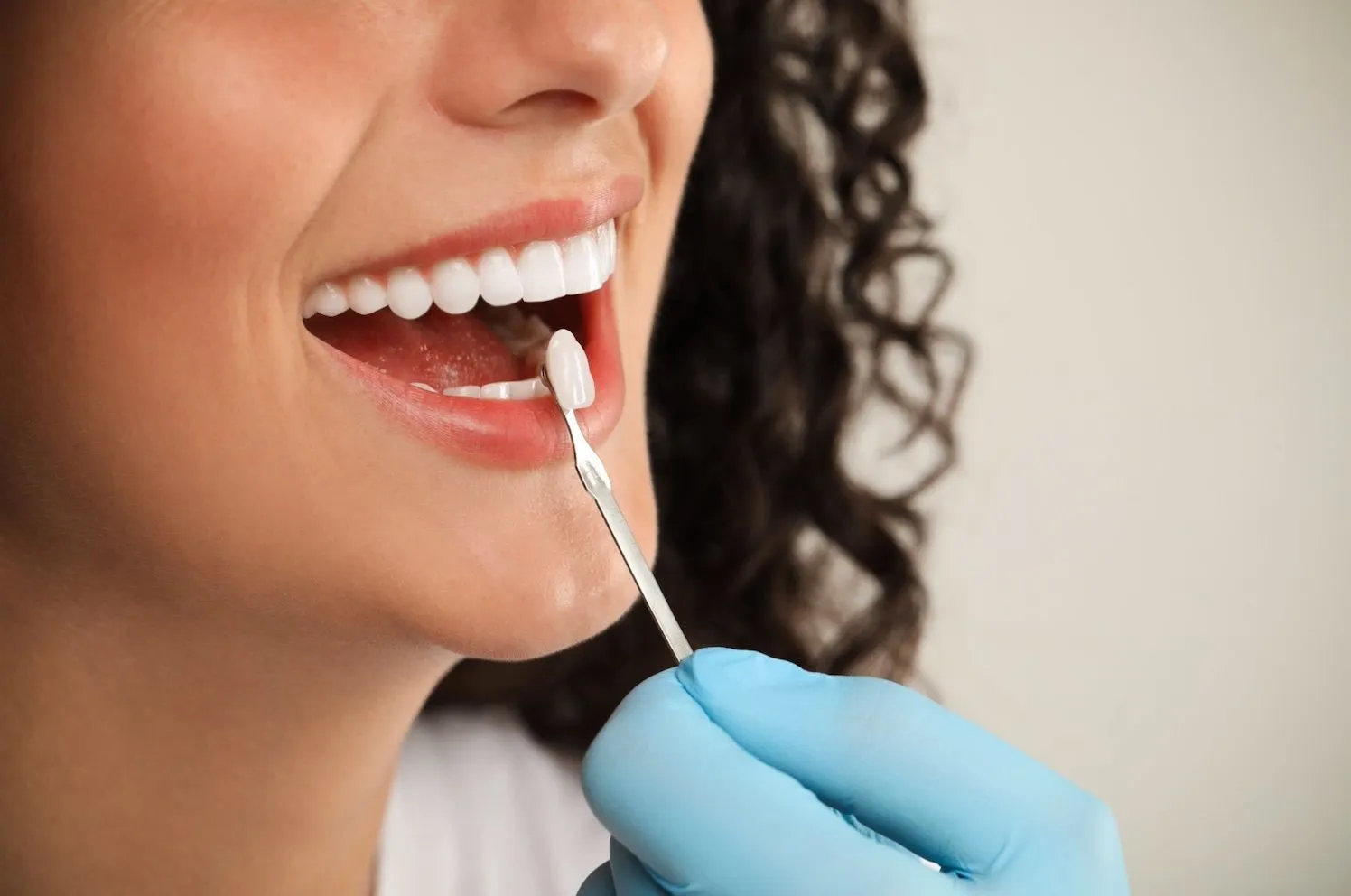
Dental veneers are commonly known as tooth veneers or dental contact lenses, precisely because their extremely thin thickness is similar to that of an eye contact lens. This is an increasingly sought-after solution for those who wish to improve their dental aesthetics in order to achieve a more harmonious smile.

But in what situations is their placement indicated? Can anyone resort to this type of treatment? And what do you need to know before making that decision?

In this article, we explain in detail when the placement of dental veneers is indicated, the benefits of the treatment, and the most important recommendations from a clinical perspective.

What are dental veneers, or a lens on the tooth?

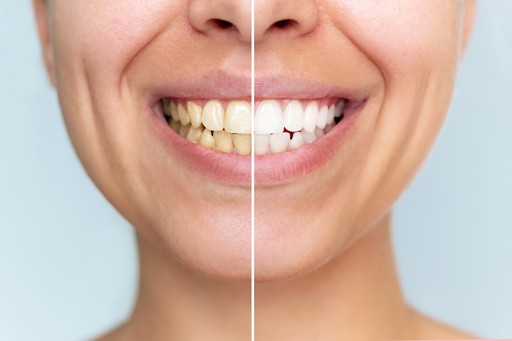
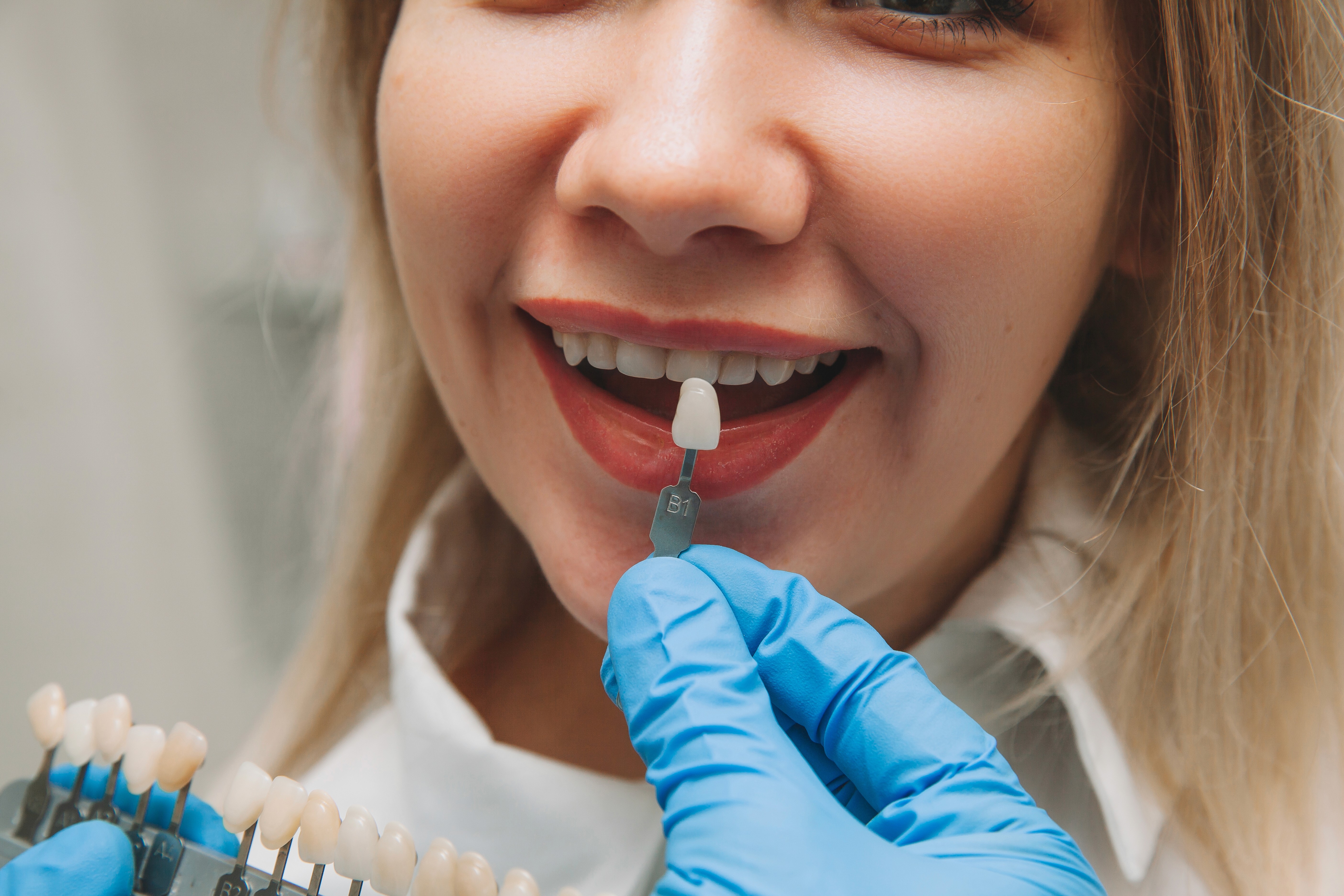
Veneers or dental contact lenses are extremely thin layers, usually made of ceramic, that are placed on the front surface of the teeth. The main aim is to improve the aesthetic appearance of the teeth, especially the front teeth, correcting small imperfections related not only to the shape of the teeth but also to their color, size, and even positioning. Despite their extremely thin thickness, the lens on the tooth is quite a durable and long-lasting piece when well cared for.  

When should I consider getting a veneer or lens on the tooth?

The placement of dental veneers is mainly indicated in cases of:

  • Teeth with altered coloration that do not respond well to tooth whitening;

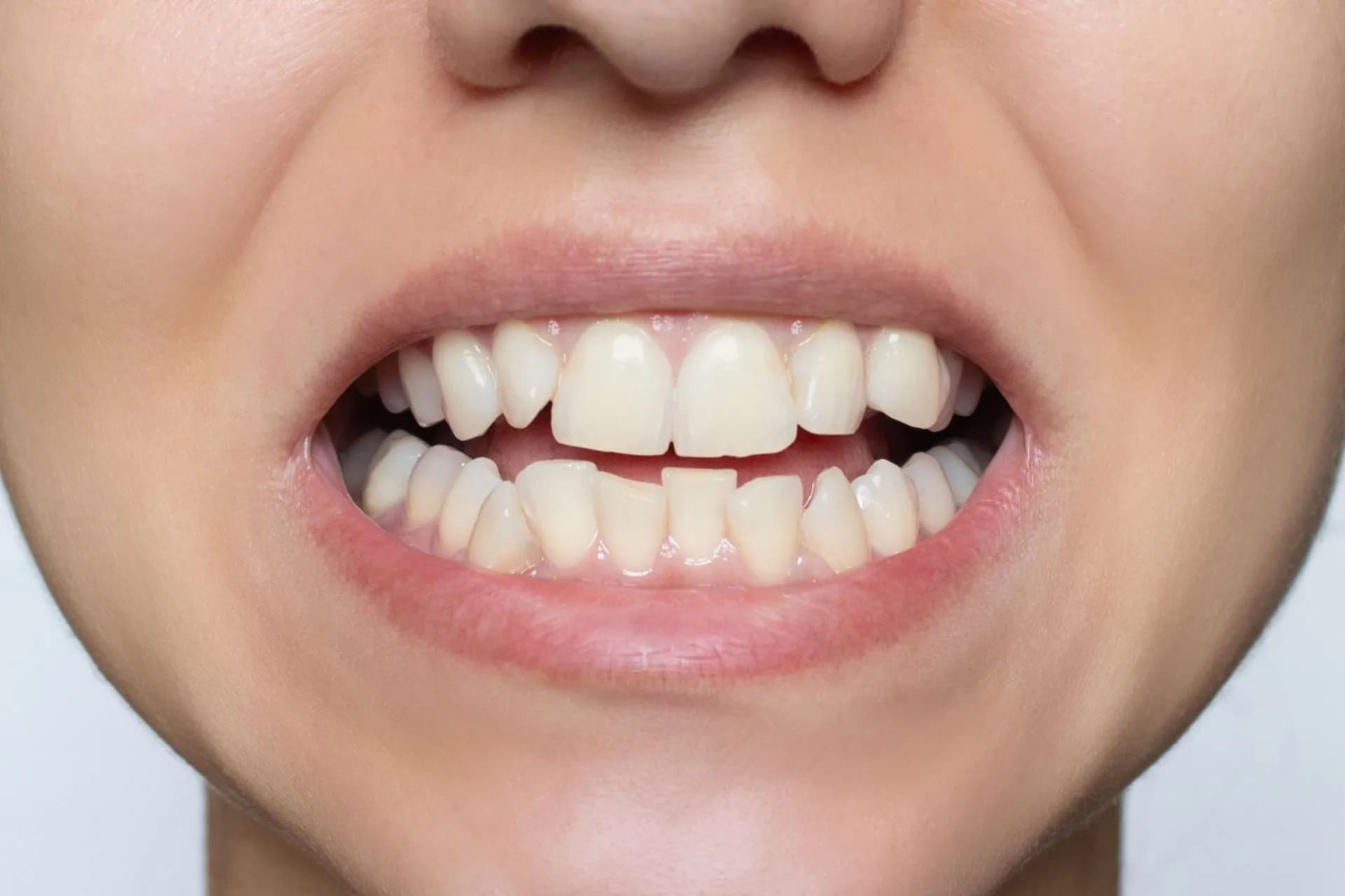
  • Teeth with irregular or disproportionate shape compared to the others;

  • Closure of small gaps between teeth (clinically referred to as diastemas);

  • Dental fractures;

  • Small misalignments or rotations of teeth (when the case does not require a more comprehensive Orthodontic treatment);

  • To harmonize the smile and improve the patient's self-esteem.

This treatment option is especially useful for those who want to improve the aesthetic component of their smile, quickly and effectively, without sacrificing a natural result.

Clinical assessment: the essential first step 

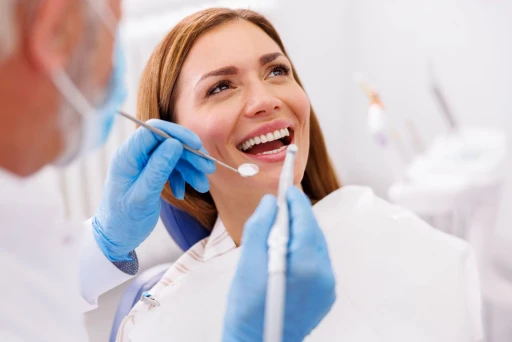
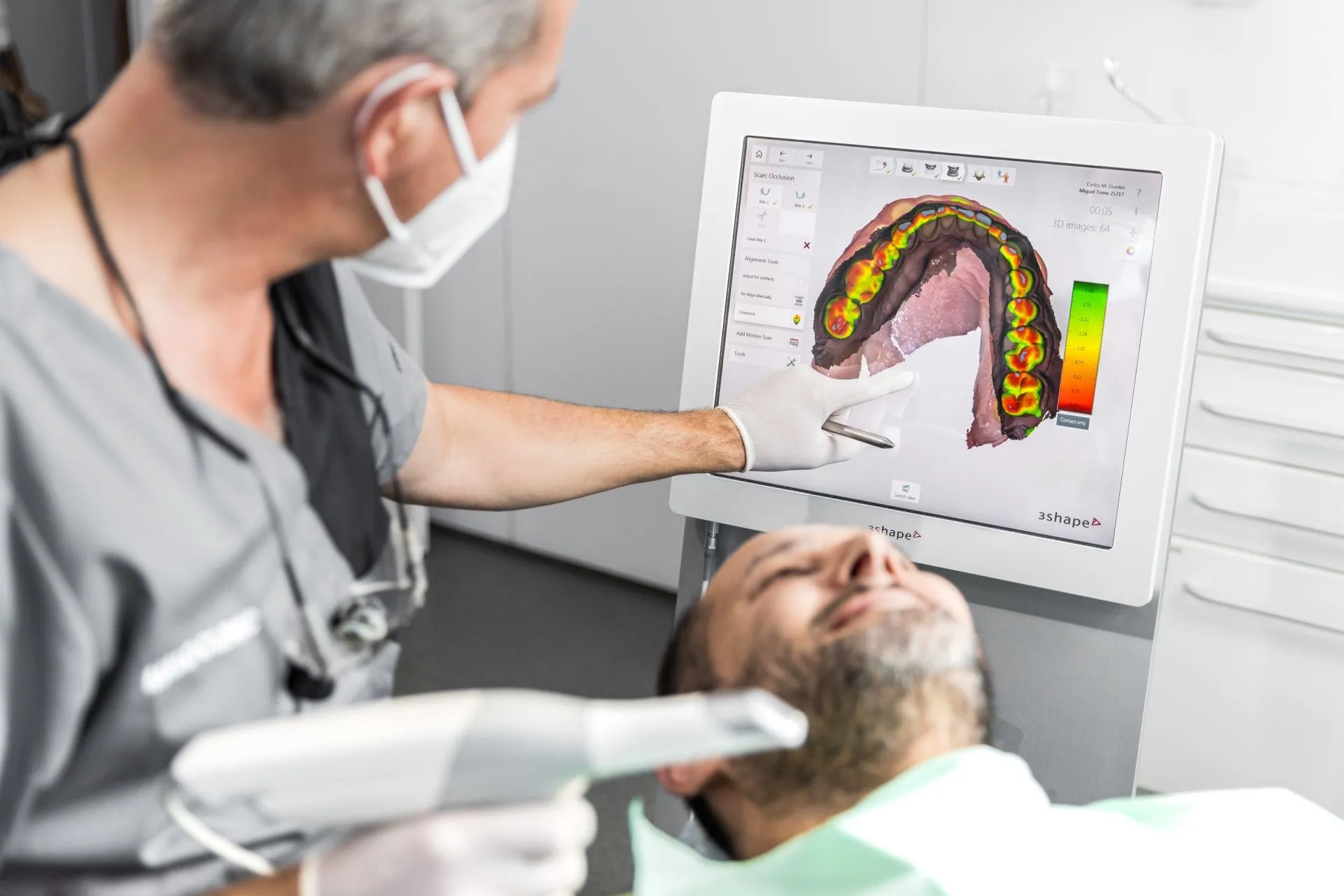
Before proceeding with any dental aesthetic treatment, it is essential to undergo an assessment with an experienced dentist, ideally with exclusive clinical practice in Aesthetic Oral Rehabilitation. In this initial consultation, a detailed analysis of your oral health status and the characteristics of your smile is carried out. Personalization of the treatment is essential to ensure a natural result adapted to the morphology and expectations of each patient.

Not all cases are suitable for the application of a lens on the tooth. It is very important that the dental pieces receiving the veneers ensure a minimum level of integrity. For example, heavily worn teeth, those with extensive restorations, or periodontal issues should be evaluated with special care. In some cases, it may be necessary to resort to other rehabilitation solutions, such as crowns over teeth or even over implants.
Benefits of Dental Veneers

  1. Immediate and Lasting Aesthetics – The results are visible in just a few appointments, and with proper oral hygiene and maintenance, the veneer on the tooth can remain stable for several years.

  2. Preservation of Tooth Structure – As a minimally invasive procedure, a slight reduction of the natural tooth may or may not be necessary for its application.

  3. Biocompatible and Durable Material – The ceramic used is safe and biocompatible with dental tissues, and is durable, not changing color over time.

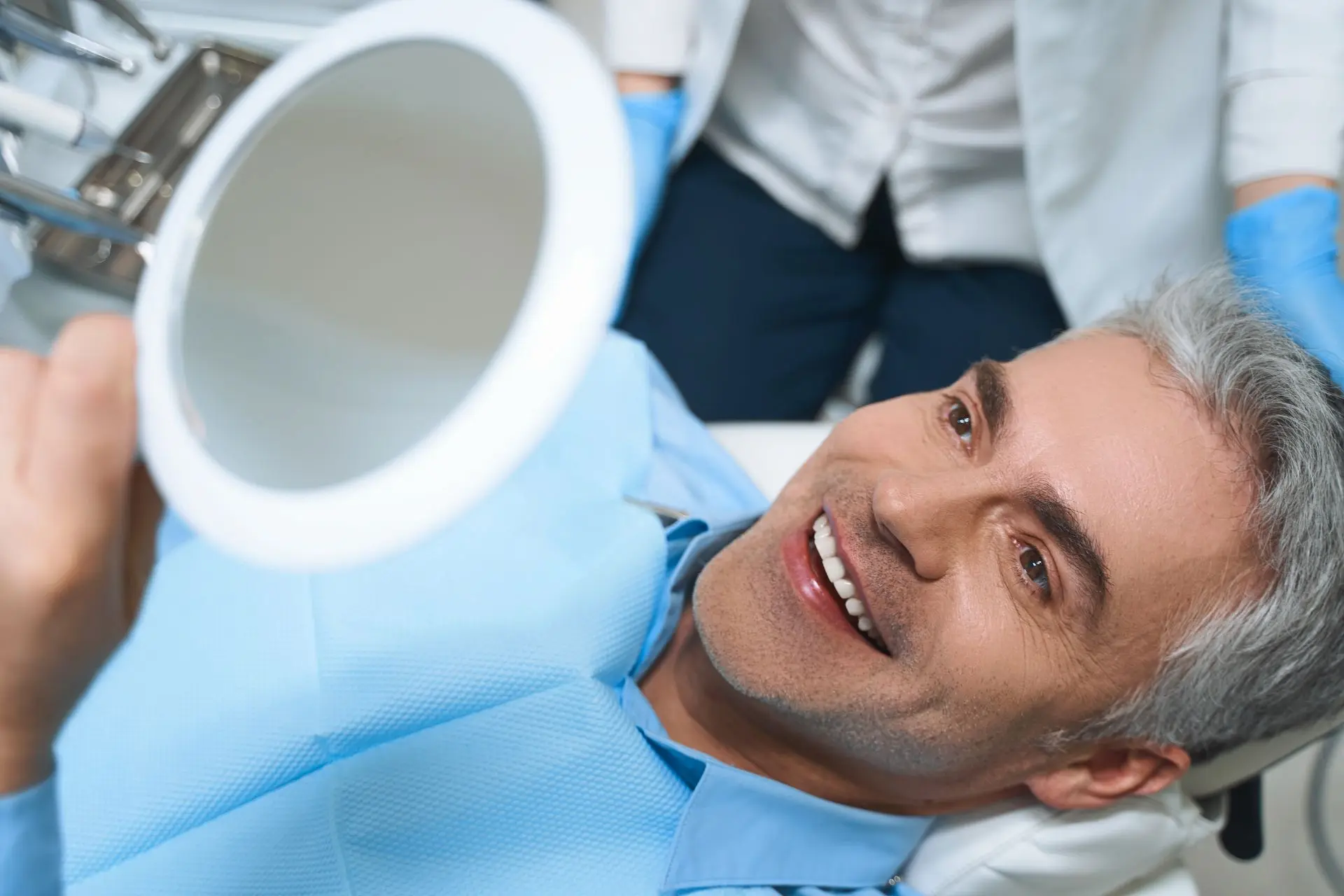
  4. Improvement of Self-esteem and Confidence – A more attractive smile often translates into greater confidence for patients in social and professional interactions. Scientific studies* indicate that 85% of patients who opt for the placement of a veneer on the tooth report a significant increase in satisfaction with their smile. 

*Gürel G. Porcelain laminate veneers: minimal tooth preparation by design. Dent Clin North Am. 2007 Apr;51(2):419-31, ix. doi: 10.1016/j.cden.2007.03.007. PMID: 17532920.

Frequently Asked Questions

1

Is the placement of the veneers/lens on the tooth painful?

No. The procedure is minimally invasive and generally does not cause pain. When necessary, a slight dental abrasion is performed using local anesthesia.

2

What is the durability of dental veneers/contact lenses?

With proper care, these treatments are quite durable. Certain scientific studies* indicate that they have about 98% survival at 5 years, 95% at 10 years, and 87% at 20 years, maintaining integrity both in terms of shape and color. Proper maintenance care includes good oral hygiene, regular visits to the dentist, and avoiding harmful habits such as nail biting or chewing on hard objects.

*Aslan YU, Uludamar A, Özkan Y. Clinical performance of pressable glass-ceramic veneers after 5, 10, 15, and 20 years: A retrospective case series study. J Esthet Restor Dent. 2019 Sep;31(5):415-422. doi: 10.1111/jerd.12496. Epub 2019 Jun 6. PMID: 31168916.

3

Is it possible to place veneers on all teeth?

Yes. Dental veneers can be applied to all teeth; however, it is essential to make a correct diagnosis in order to choose the best treatment option.

4

Can dental veneers fall off?

It is rare, but it can happen if they are not well cared for or if there is a problem with the preparation and application process. Periodic review with the dentist or oral hygienist helps to prevent this type of situation and to identify any issues related to the integrity of the treatment early on.

5

Do dental veneers whiten?

No. Dental veneers do not change color over time, but they also do not respond to conventional whitening treatments. On the other hand, natural teeth can change color over time. Therefore, it is important to define the desired color at the time of planning and production of the veneers. If you are thinking of having tooth whitening done, it is ideal to do it before the application, so that the chosen shade of the veneers harmonizes with the remaining teeth.

If you want to improve the aesthetics of your smile in a safe, lasting way with visibly natural results, dental veneers may be the ideal solution. Consult your dentist and assess whether this treatment option is the most suitable for your case.

At MALO CLINIC, we combine clinical excellence, advanced technology, and personalized care to provide each patient with the smile they have always dreamed of.

1

Is the placement of the veneers/lens on the tooth painful?

No. The procedure is minimally invasive and generally does not cause pain. When necessary, a slight dental abrasion is performed using local anesthesia.

2

What is the durability of dental veneers/contact lenses?

With proper care, these treatments are quite durable. Certain scientific studies* indicate that they have about 98% survival at 5 years, 95% at 10 years, and 87% at 20 years, maintaining integrity both in terms of shape and color. Proper maintenance care includes good oral hygiene, regular visits to the dentist, and avoiding harmful habits such as nail biting or chewing on hard objects.

*Aslan YU, Uludamar A, Özkan Y. Clinical performance of pressable glass-ceramic veneers after 5, 10, 15, and 20 years: A retrospective case series study. J Esthet Restor Dent. 2019 Sep;31(5):415-422. doi: 10.1111/jerd.12496. Epub 2019 Jun 6. PMID: 31168916.

3

Is it possible to place veneers on all teeth?

Yes. Dental veneers can be applied to all teeth; however, it is essential to make a correct diagnosis in order to choose the best treatment option.

4

Can dental veneers fall off?

It is rare, but it can happen if they are not well cared for or if there is a problem with the preparation and application process. Periodic review with the dentist or oral hygienist helps to prevent this type of situation and to identify any issues related to the integrity of the treatment early on.

5

Do dental veneers whiten?

No. Dental veneers do not change color over time, but they also do not respond to conventional whitening treatments. On the other hand, natural teeth can change color over time. Therefore, it is important to define the desired color at the time of planning and production of the veneers. If you are thinking of having tooth whitening done, it is ideal to do it before the application, so that the chosen shade of the veneers harmonizes with the remaining teeth.

If you want to improve the aesthetics of your smile in a safe, lasting way with visibly natural results, dental veneers may be the ideal solution. Consult your dentist and assess whether this treatment option is the most suitable for your case.

At MALO CLINIC, we combine clinical excellence, advanced technology, and personalized care to provide each patient with the smile they have always dreamed of.

Schedule your assessment and discover how to achieve a more confident and harmonious smile.

Explore related articles

Book your
Appointment

Fill out the form and our team will get in touch with you to schedule your appointment.

Book your
Appointment

Fill out the form and our team will get in touch with you to schedule your appointment.

Book your
Appointment

Fill out the form and our team will get in touch with you to schedule your appointment.

We accompany each step of your clinical journey, focusing on your comfort, confidence, and smile.

@ 2026 ALL RIGHTS RESERVED - MALO CLINIC SA NIF 503411434 ERS No. 12920

Developed by

We accompany each step of your clinical journey, focusing on your comfort, confidence, and smile.

@ 2026 ALL RIGHTS RESERVED - MALO CLINIC SA NIF 503411434 ERS No. 12920

Developed by