
Discover the types of dental braces and which is most suitable for you
Dental braces – also known as orthodontic braces – are a type of treatment used to correct issues related to poor dental occlusion and misalignment of the teeth and jaw. They work by applying gradual and controlled forces to the dentition, slowly moving it until it is in the correct and desired position.
Although there are several models and types of dental braces, it is always necessary to conduct a diagnosis to determine which is most suitable for each case. The two main types of dental braces are primarily divided between removable and fixed.
Removable dental braces
Removable dental braces are devices that can be taken out at certain times, such as for eating or performing oral hygiene, but must be worn for several consecutive hours without interruption. There are two types of removable dental braces:
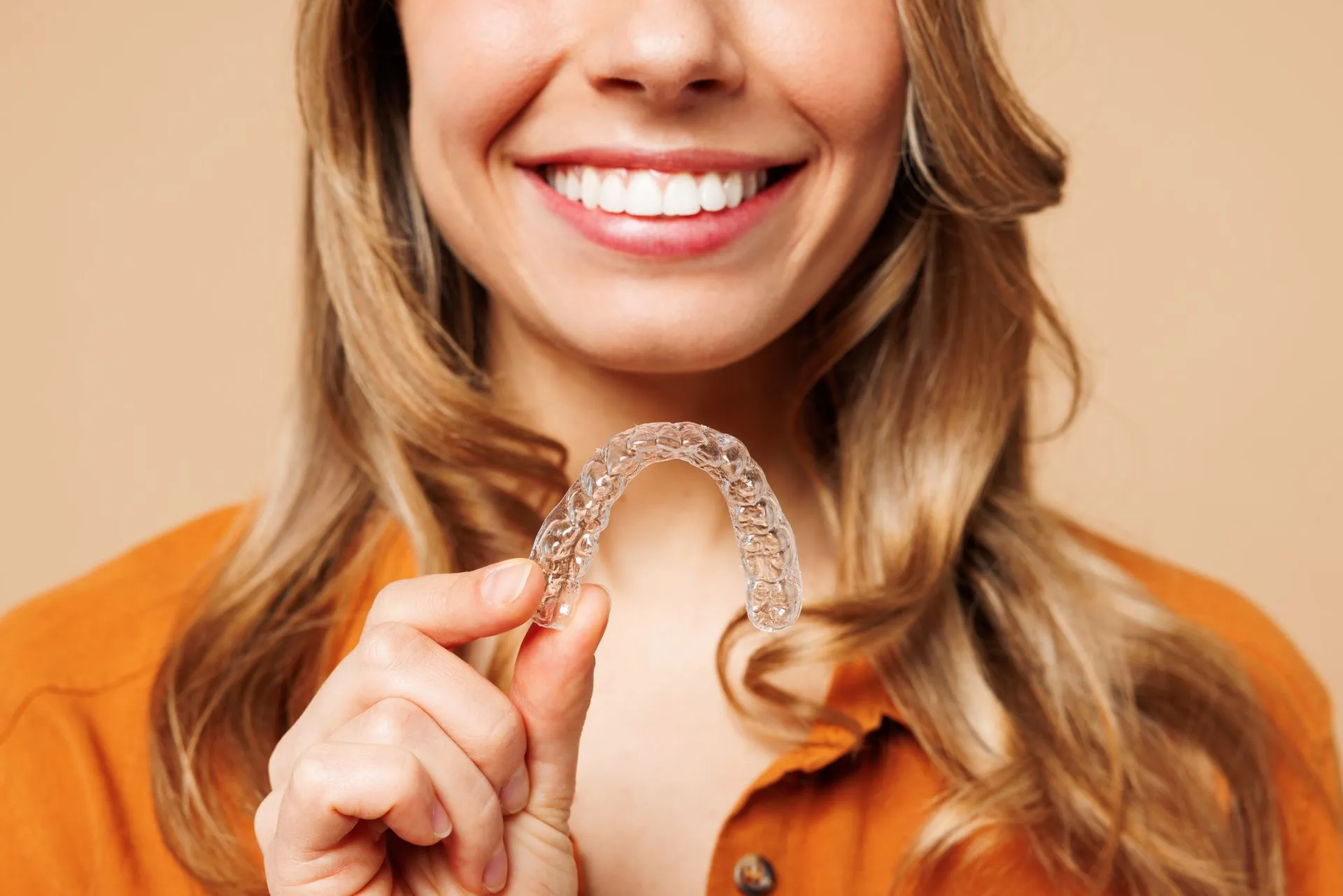
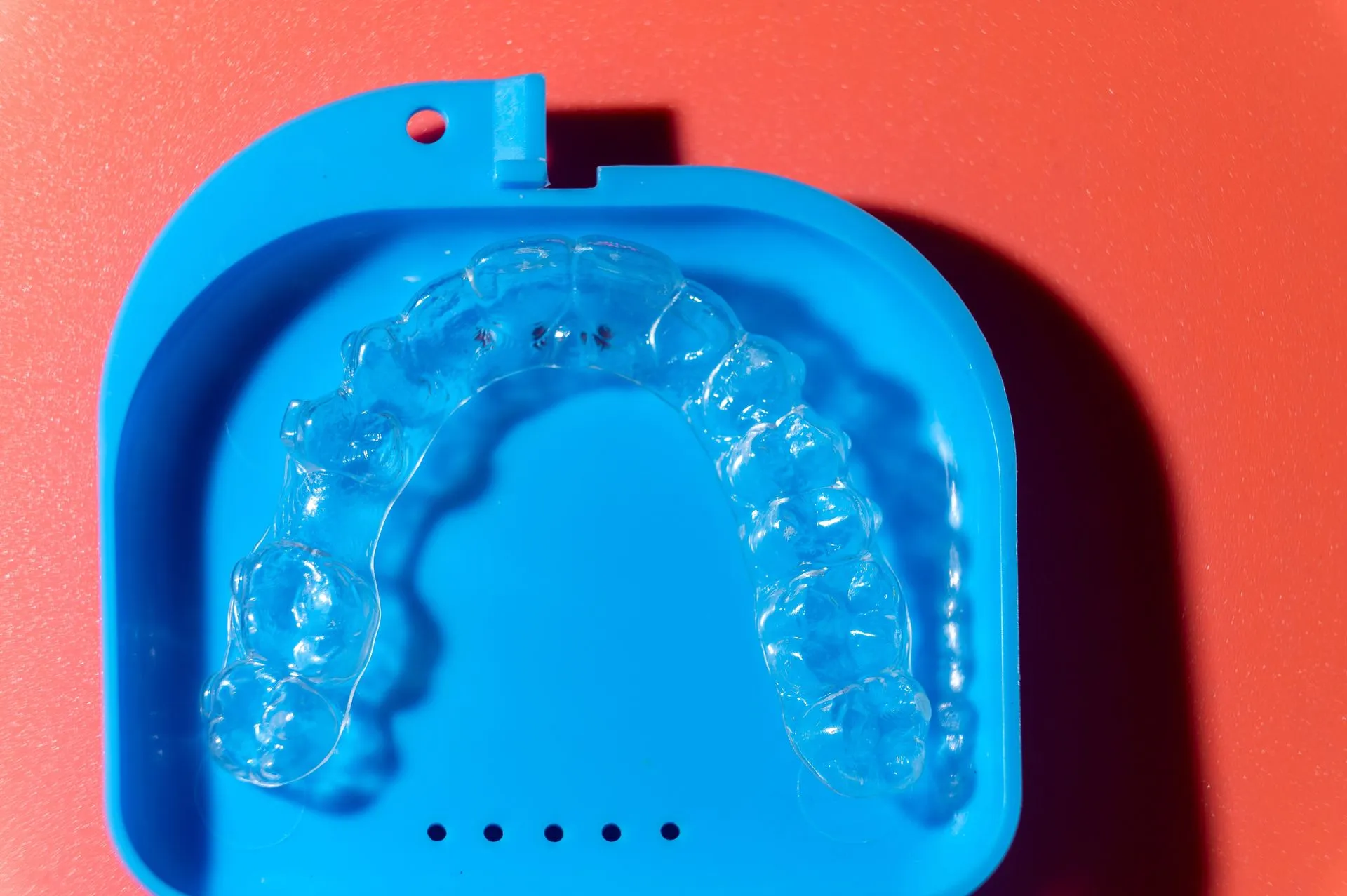
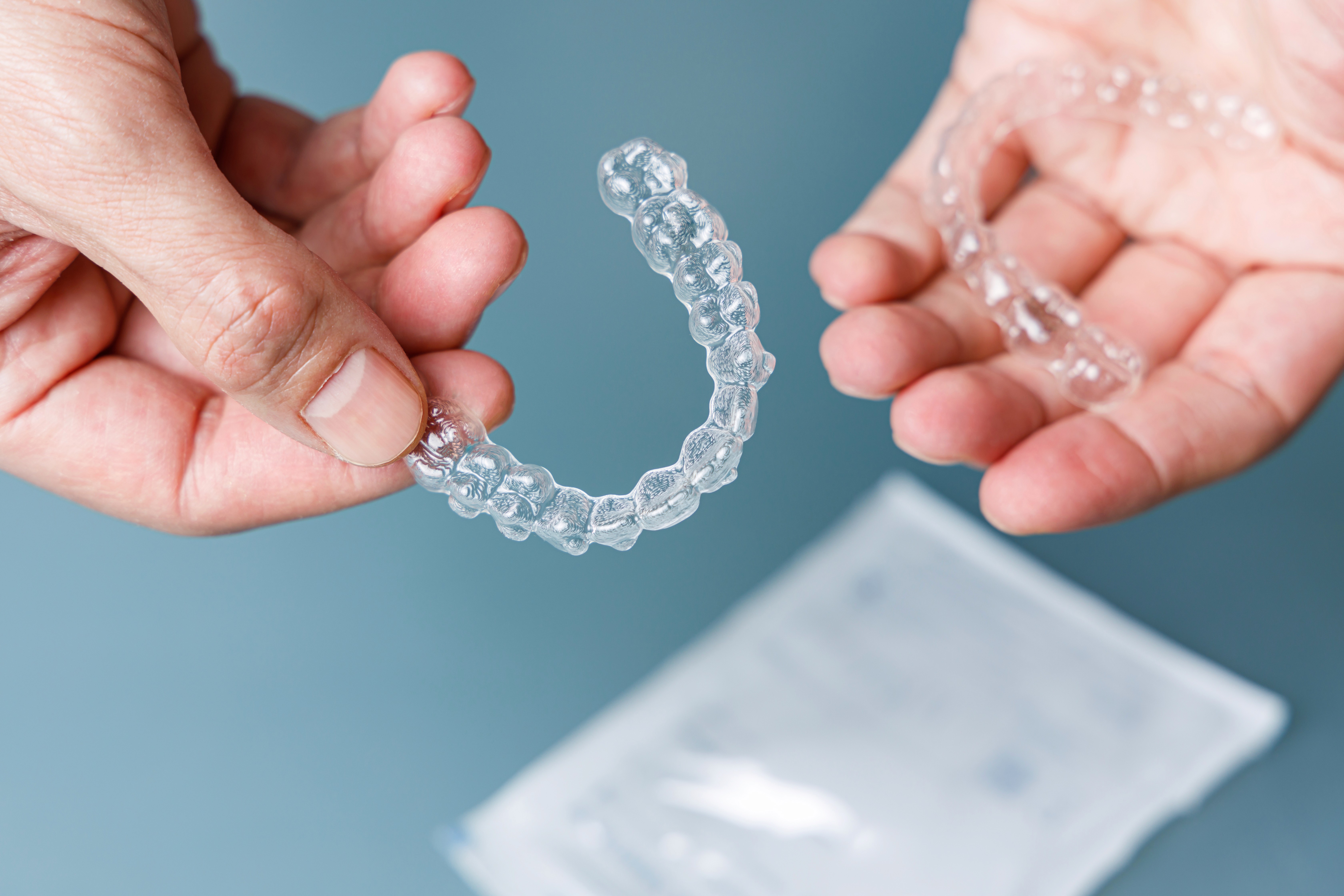
Dental aligners: Dental aligners – also known as invisible aligners – are the most discreet option for aligning and correcting orthodontic issues. They consist of the use of transparent moulds that, when fitted onto the teeth, apply the necessary pressure to ensure they are in the correct position. They are tailored for each patient and removable, which facilitates daily oral hygiene and meal times.
Removable dental braces: Generally recommended for children up to 15 years old, removable dental braces aim to correct the position of the teeth at a stage when children may still have baby or mixed dentition. This type of brace consists of a base usually made from an acrylic material, complemented by metal that fits into the dentition. It can also be used as a final complement to treatment with fixed braces or dental aligners.
Fixed dental braces
Fixed orthodontic braces are devices that cannot be removed during treatment. These dental braces consist of the placement of brackets that are bonded to the teeth, having a usage time that can vary from 6 to 24 months.
Conventional fixed dental braces: Conventional fixed orthodontics is perhaps the most commonly used solution for aligning teeth. This type of brace uses brackets and a metal arch – held by a set of elastics – that apply a gentle constant force on the teeth, so that they gradually take the correct position. Although they cannot be removed during treatment, they must be adjusted monthly by the dentist, making it essential to ensure regular attendance at follow-up appointments to ensure treatment success.
Self-ligating dental braces: Unlike conventional fixed braces, self-ligating dental braces do not require the use of elastics, securing the metal arches directly to the brackets.
In what situations should I consider this type of treatment?
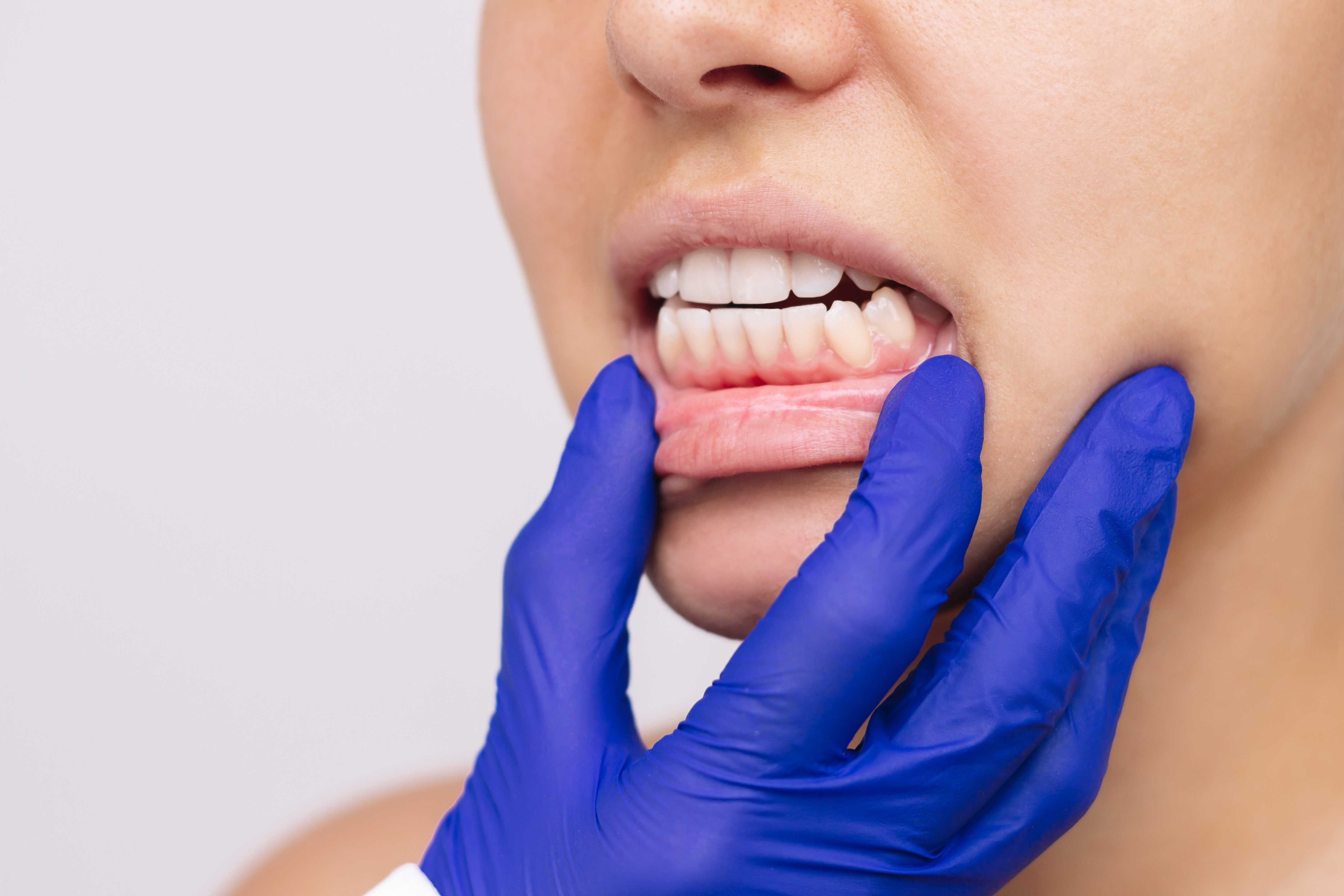
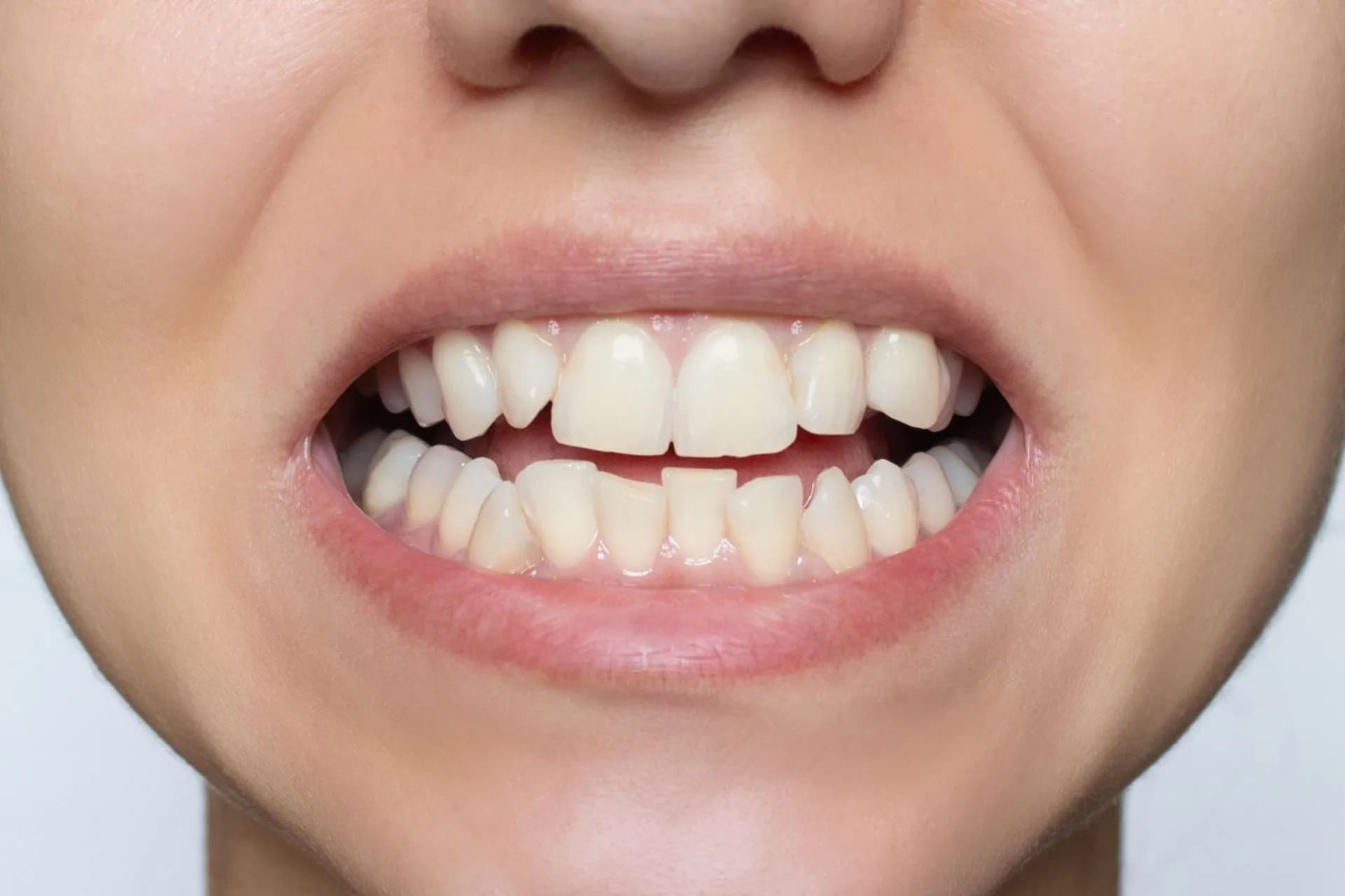
Poor dental occlusion: In cases of poor dental occlusion, the upper teeth do not fit properly with the lower teeth, making it necessary to resort to orthodontic treatment.
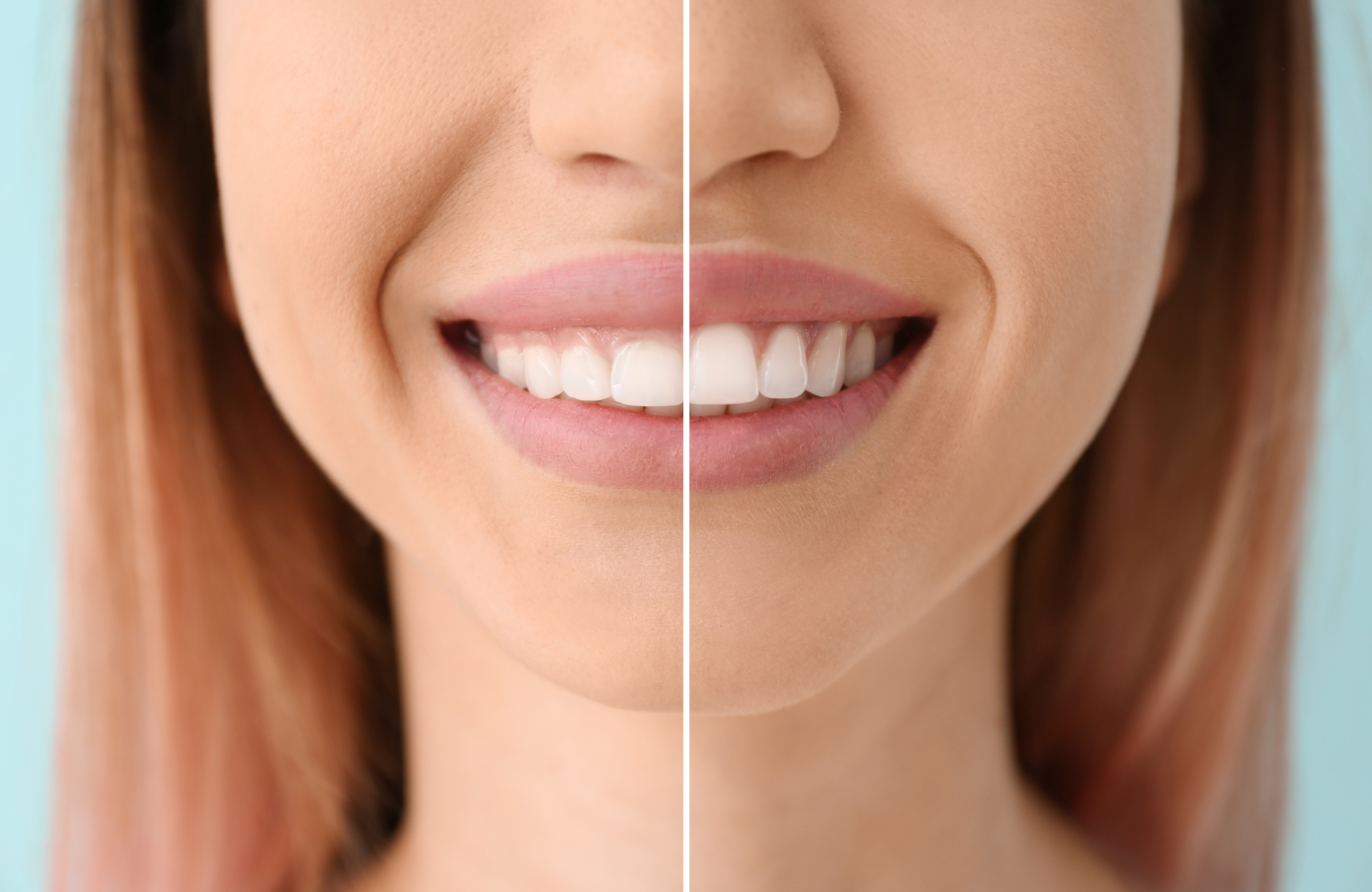
Misaligned teeth: Misaligned, crowded, or crooked teeth can be corrected with orthodontic treatment to improve aesthetics and facilitate tooth cleaning, reducing the risk of cavities and gum diseases.
Excessive spacing between teeth: If there is excessive space between the teeth, this can be corrected with orthodontic treatment, improving dental hygiene and the aesthetics of the smile.
bite problems: Issues such as crowding, overbite, crossbite, and other misalignments can cause discomfort, difficulty in chewing and speaking, and even respiratory problems. Orthodontic treatment can correct these bite issues and improve oral function.
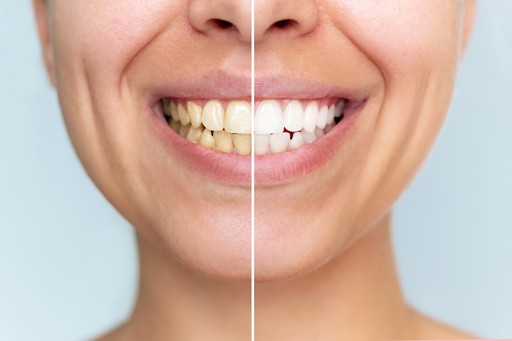
Aesthetic concerns: Although it is not just a health issue, many people seek orthodontic treatment to improve the aesthetics of their smile, correcting misalignments and thus achieving the desired smile.
What is the best time to get braces? Is there a minimum age?
The ideal time to start this type of treatment will always depend on the specific condition of each patient, so it's essential to maintain regular check-ups with the dentist or oral hygienist to determine the need to begin treatment. Nevertheless, when necessary, this treatment is highly recommended in the early stages of life, as it means a simpler, more effective, and stable approach, which can have skeletal, dental, respiratory, and phonetic benefits. In this regard, ideally, the first assessment of the need for braces should be made around the age of 6-7 years.
However, there is also no upper age limit for aligning teeth and using braces, so this is a treatment that can be done at virtually any stage of life.
For more information on the use of orthodontic appliances during childhood, consult the article "Orthodontic appliances for children".
How does this type of treatment work?
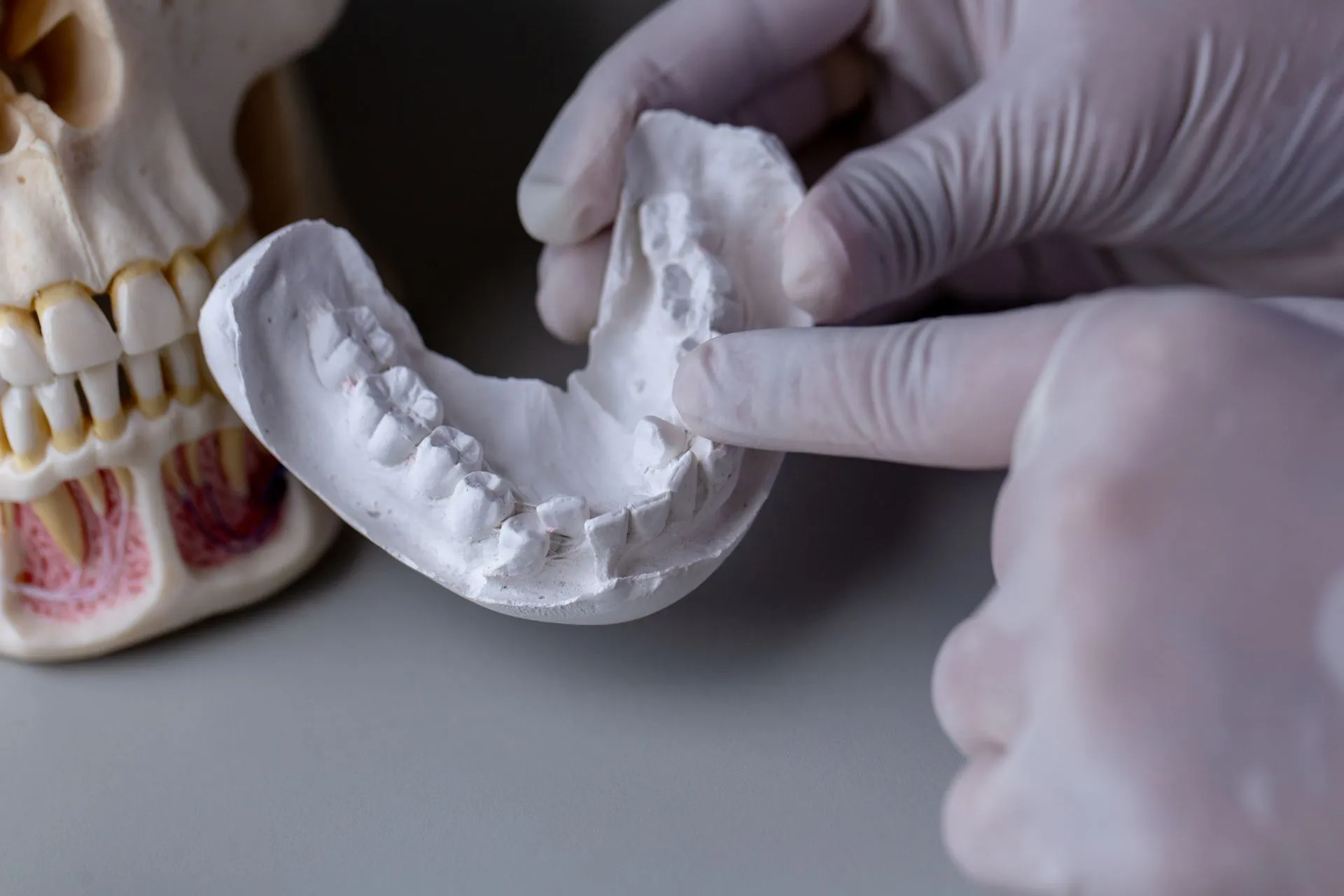
Initial assessment: In this first phase, a complete assessment of the patient's oral health is carried out, including clinical examinations, X-rays, and dental digital scanning. At this moment, the need for orthodontic treatment and the most suitable option are also determined.
Placement of the appliance, adjustments, and maintenance: Once the treatment plan has been established, the braces are put in place. If it is a fixed appliance, brackets are placed on the teeth according to the pressure needed to align the teeth. If it is a removable appliance, the patient receives all the instructions to use it correctly. Throughout the treatment, the orthodontist will monitor progress, making adjustments as necessary to ensure that the teeth assume the desired position.
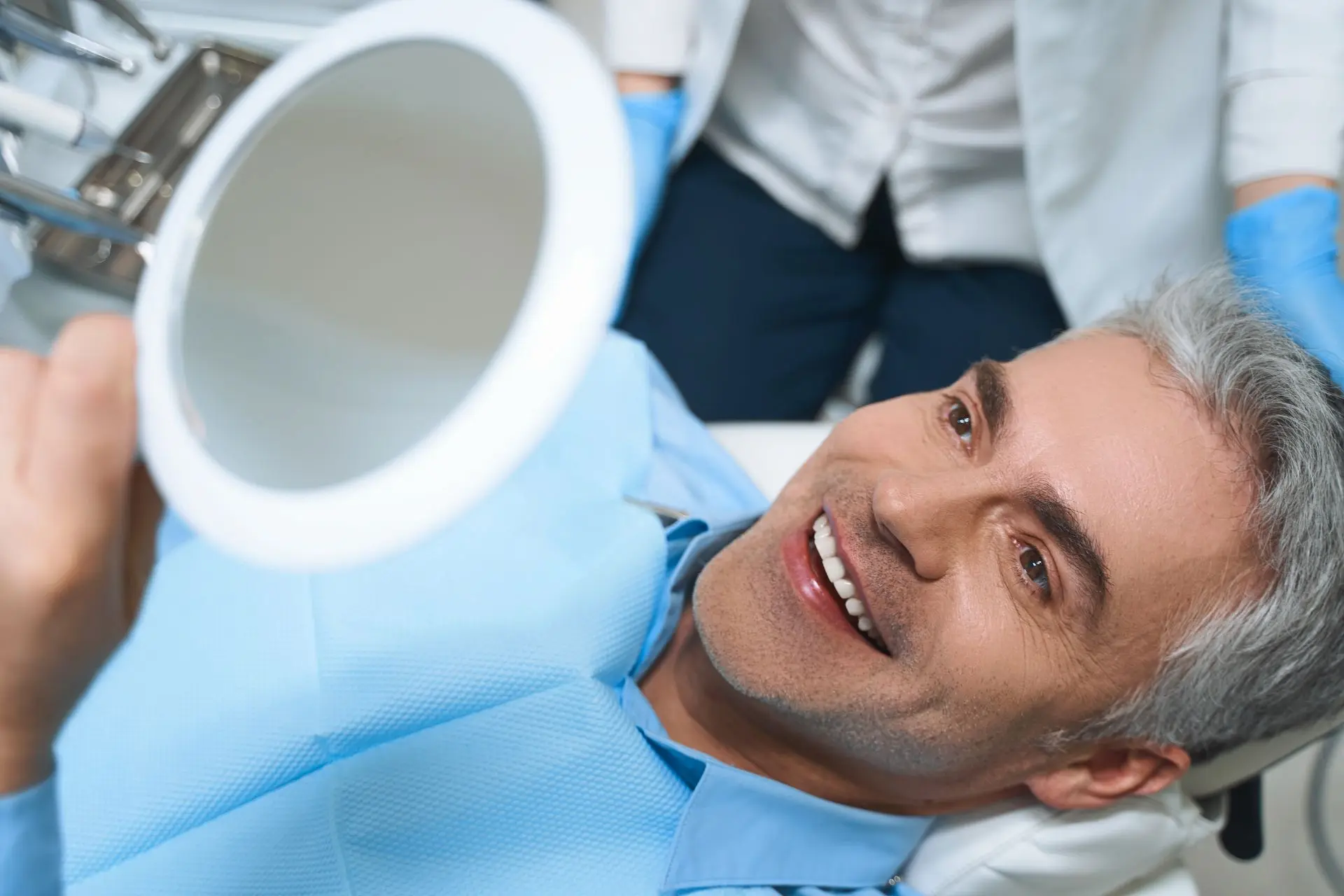
Removal of the appliance: When the treatment is finished and the teeth are in the desired position, the braces are removed. At this stage, some additional procedures may be necessary, such as placing retainers, which are removable or fixed appliances bonded to the back of the teeth, to keep the teeth in the new position and prevent them from returning to the original position.
Retention phase: Finally, the patient enters the retention phase, where they must follow the orthodontist's instructions regarding the use of retainers. It is essential that they also attend all recommended follow-up appointments to ensure the success of the treatment.