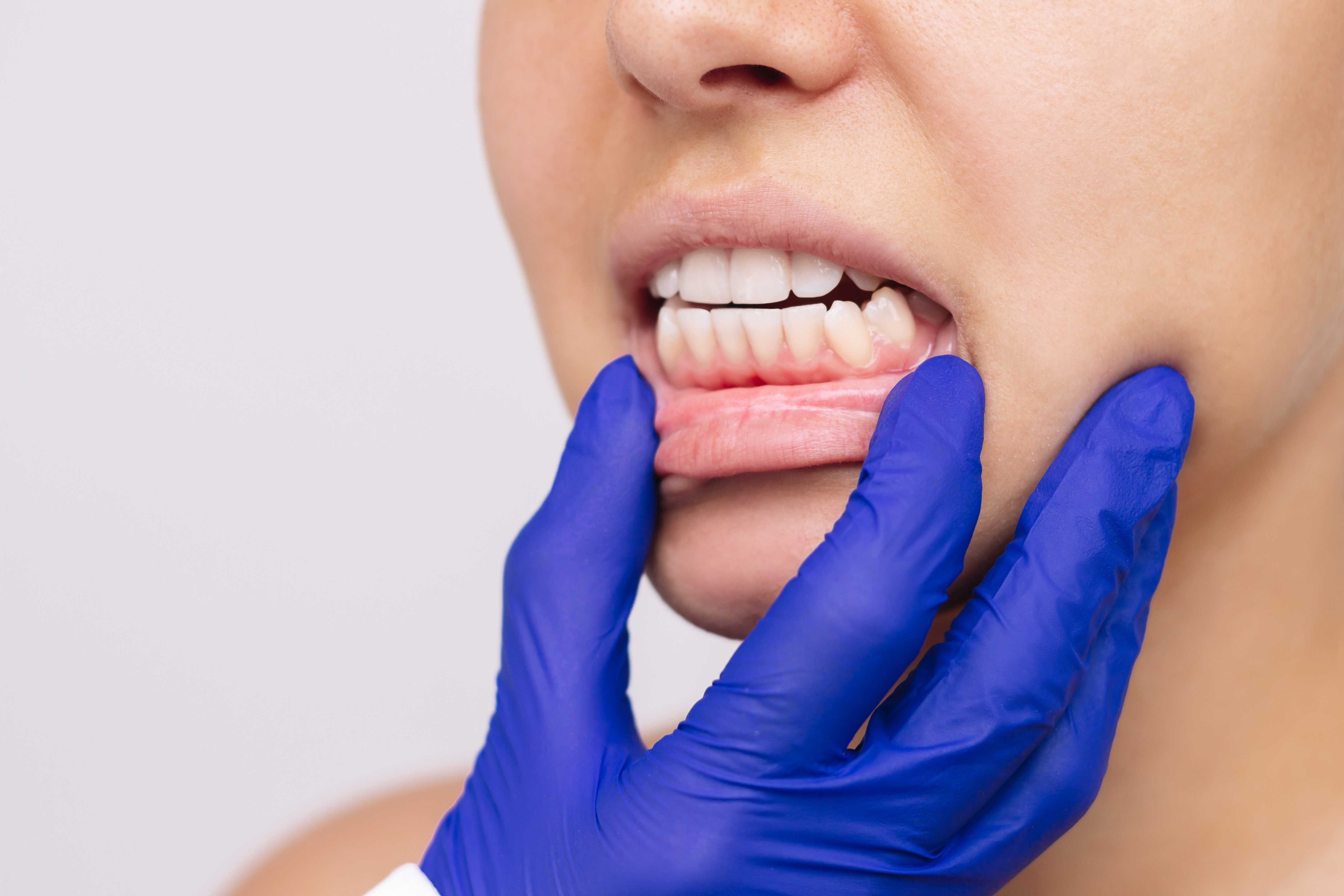
Discover how an open bite can affect chewing, speech, and oral health, and when is the best time for its correction.
Throughout this article, we explain what an open bite is, what its consequences are, and how it can be treated - with a differentiated approach for children and adults, based on scientific evidence and clinical experience.
What is an open bite?
An open bite is one of the most frequent malocclusions in orthodontics and is characterised by the absence of contact between the upper and lower teeth, most commonly in the anterior region but also occurring in the posterior/lateral area of the dentition, creating a visible space between the front teeth. Although many times only the impact on the aesthetics of the smile is valued, an open bite can condition essential functions such as breathing, chewing, swallowing, and speaking.
What are the main causes of an open bite?
Childhood oral habits
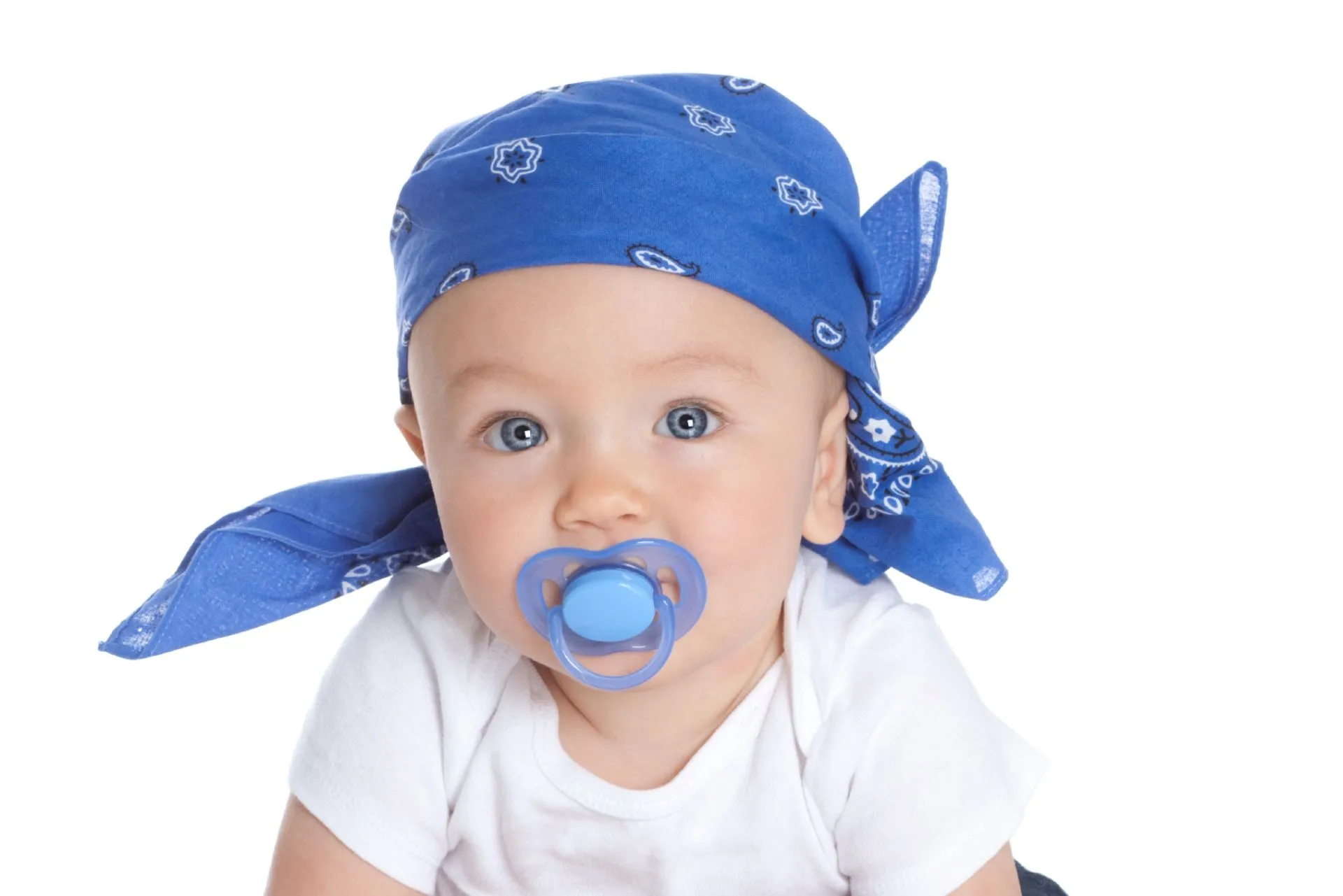
Some prolonged behaviours in the first years of life are frequently associated with the development of this condition, namely the prolonged use of pacifiers and thumb sucking.
Mouth breathing
Nasal breathing promotes the proper structural and functional development of the craniofacial complex. In mouth breathing, to facilitate the entry of air through the mouth, the lips become slightly parted, there is a greater rotation of the mandible downwards and backwards, which allows the extrusion of posterior teeth and excessive alveolar growth, and so the open bite arises. The neural endings of the nasal passages are not stimulated, and there is no developmental response from them and the maxillary sinuses.
The tongue drops into the oral cavity, acquiring a low and forward posture, often interposed between the dental arches, the palate becomes deep, high-arched, and the dental arch constricted.
Soft and pureed diet
Chewing provides the appropriate movements for physiological swallowing, requires respiratory coordination, and prepares the oral musculature for speech.
Changes in orofacial motor skills
Changes in the position and dynamics of the tongue, incorrect positioning of the tongue in the oral cavity, changes in tongue mobility, a short lingual frenulum, and swallowing with tongue interposition, also known as infantile swallowing.
Open bite: impact beyond aesthetics
Although the aesthetic alteration is evident, the consequences of an open bite go far beyond appearance.
Changes in chewing
A balanced occlusion allows forces to be correctly distributed during chewing. When there is an open bite, this distribution becomes irregular and chewing efficiency can be compromised, particularly the cutting of food in the case of anterior open bites.
Speech difficulties
The development of speech is linked to the correct anatomical and functional development of the stomatognathic system. There is a hierarchy in speech acquisition that stems from the muscular exercise provided by nutritive sucking, especially breastfeeding, and by chewing. The muscular balance of the stomatognathic system is closely related to the position of the teeth and tongue and influences the articulation of sounds.
Alterations in this relationship can compromise diction, especially in certain phonemes and in the development and acquisition of speech.
Mouth breathing
In an open bite, the tongue at rest is normally low and positioned forward.
When should an open bite be corrected?
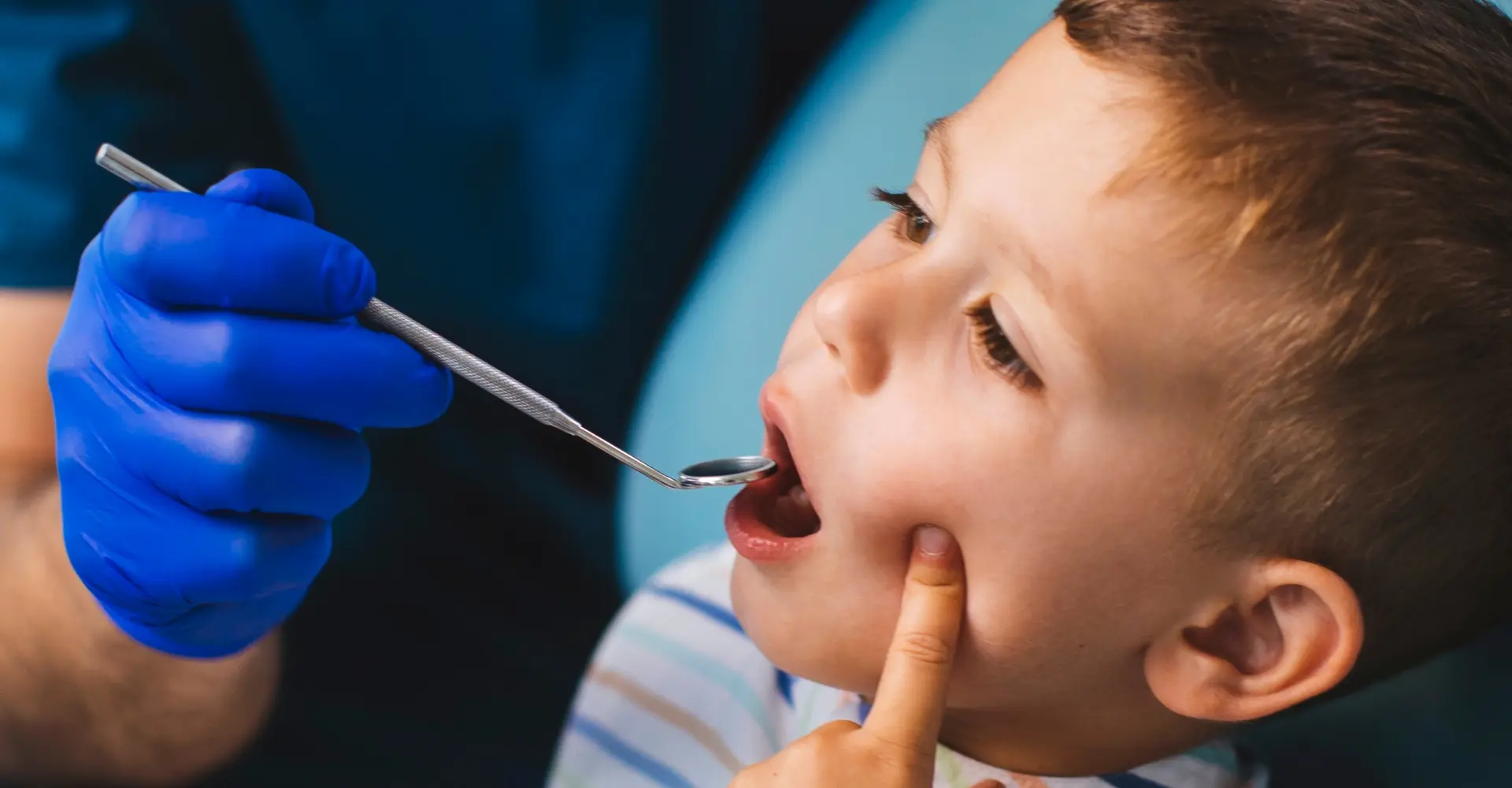
As soon as the presence of an open bite is detected, an evaluation should be carried out in Orthodontics/Dentofacial Orthopedics.
The development of the craniofacial skeleton is the result of intrinsic and extrinsic factors, with 80% of craniofacial growth being completed by age 6;
Correction depends on the severity of the case, the patient's age and the underlying cause.
In general, an evaluation is recommended when one or more of the following situations are present:
- Difficulty chewing.
- Speech changes.
- Change in the position of the tongue at rest and when swallowing.
- Persistence of harmful oral habits.
- Psychological, emotional or social impact.
- Significant aesthetic impact.
Early diagnosis is crucial to simplify treatment and improve long-term results.
During a diagnostic consultation we will carry out:
Intra-oral evaluation
Tongue posture, breathing pattern, size and shape of dental arches, intermaxillary relationship.
Extra-oral evaluation
Facial biotype, facial muscle balance, asymmetries, lip seal, breathing pattern, postural pattern.
Evaluation of the masticatory pattern
Evaluation of the type of diet and chewing guidance.
Radiological diagnosis
Panoramic radiograph and profile teleradiography (cephalometry).
Treatment of open bite in childhood
Why it is important to intervene early
The development of the craniofacial skeleton is the result of intrinsic and extrinsic factors, with 80% of craniofacial growth being completed by age 6.
Function acts as a determining factor in bone growth; if it is altered, the form will also be altered, and once the form is altered, the function can no longer be carried out properly.
Therapeutic approach
Very early treatment is the key to prevention. Functional balance prevents the establishment of dysfunctions that cause secondary deformations in the shape of bones and dental arches and which, in turn, will negatively influence the development of orofacial functions.
In our practice, we will apply forces that redirect growth, trigger bone remodeling, re-educate functional habits in order to promote the best development of the child's face and jaws, improve their quality of life and prepare the mouth for the eruption of permanent teeth.
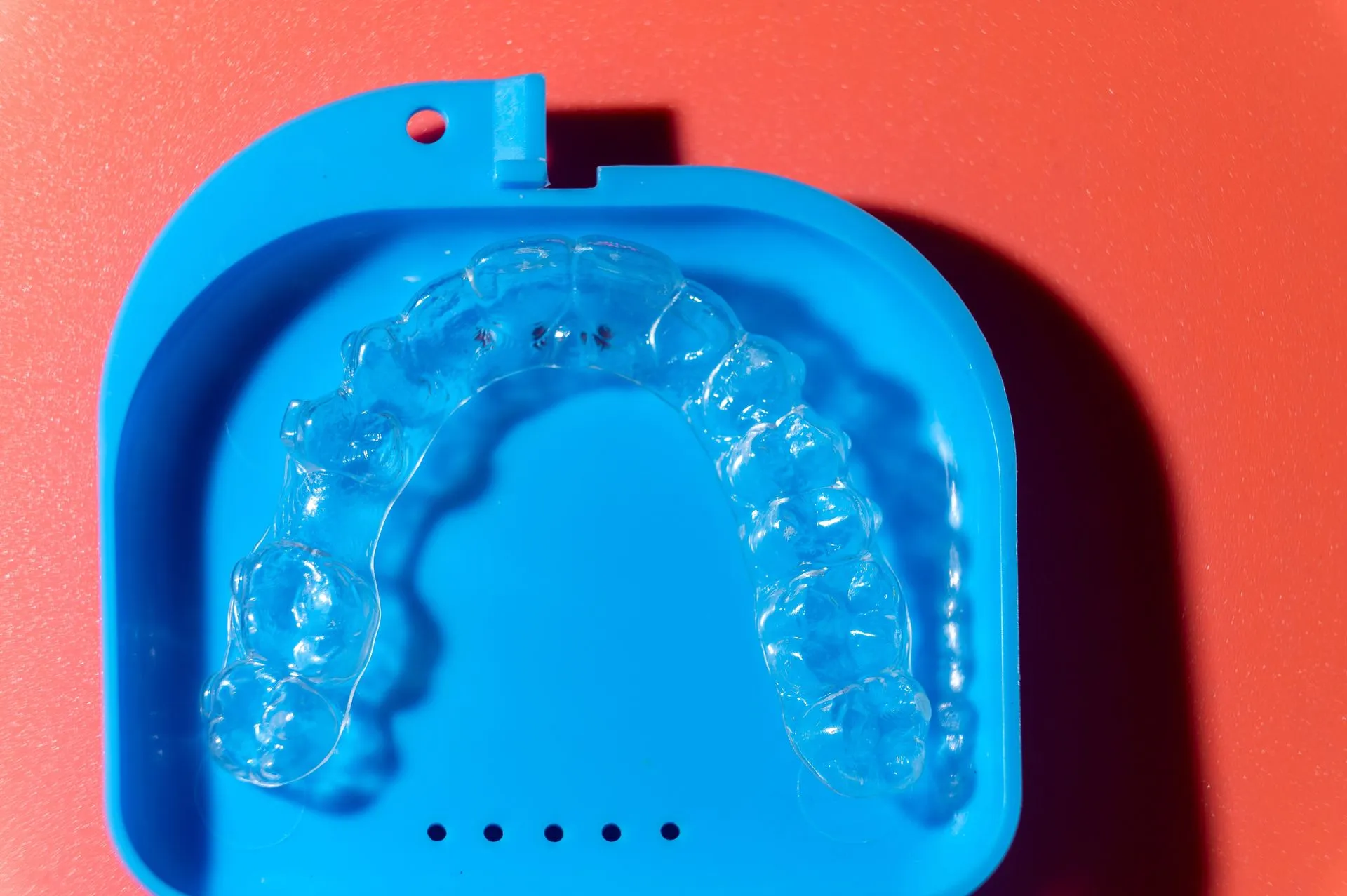
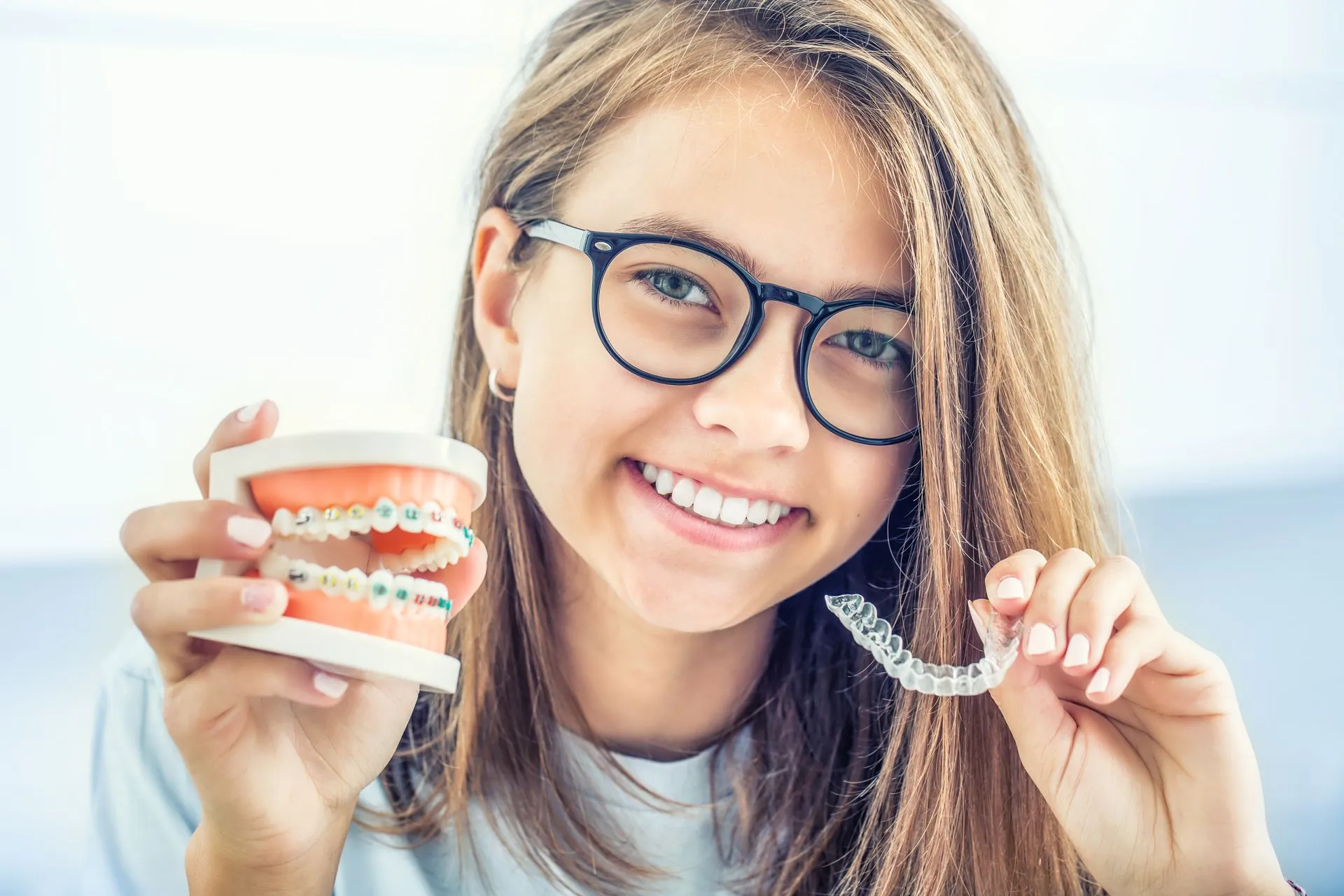
The therapeutic approach is individualised and depends on the age and severity of the malocclusion. Functional orthopedic appliances or invisible aligners with functional accessories may be used. Due to technological advances, children's treatment today can be digital, using aligners.
This type of approach is especially effective because it acts at a stage where it takes advantage of and redirects jaw growth, promoting a more balanced and harmonious growth of the face.
Another relevant aspect is the functional impact. By stimulating more appropriate muscle dynamics and improving patterns such as breathing, chewing and tongue posture, these appliances contribute to an overall improvement in oral health.
Naturally, the success of the treatment also depends on the correction of harmful habits. Eliminating factors such as thumb sucking or prolonged pacifier use is fundamental to ensuring stable results.
In many cases, an approach involving other specialties, such as Speech Therapy focusing on Myofunctional therapy, is necessary, in order to promote the balance of orofacial motor skills and allow for the normalisation of functions and long-term treatment stability.
The key lies in prevention: encouraging nasal breathing, promoting breastfeeding, encouraging correct chewing and avoiding prolonged non-nutritive oral sucking habits.
Benefits of early intervention
According to the literature, 61 to 75% of facial growth is complete by age 1 and 80% by age 6.
Early treatment will take advantage of the quantity and quality of facial growth.
- Improves chewing and respiratory function. Correct chewing increases the overall oxygenation of the body; increases hemoglobin levels in the brain; improves digestive function;
- Generates a greater amount of saliva, which protects the digestive and respiratory mucosa. Correcting the shape of the dental arches allows for the adoption of a correct position of the tongue at rest on the palate and promotes the improvement of the lip seal at rest, allowing for the adoption of a nasal breathing pattern.
- Promotes the correction of harmful oral habits.
- Reduces the need for more invasive treatments in the future and ensures greater stability of treatments.
- Promotes functional balance and the adoption of more balanced patterns of orofacial motor skills, which allows for success in muscle training in cases of speech and swallowing changes.
Treatment of open bite in adults
What are the challenges in adulthood
Unlike in childhood, the treatment of an open bite in adults can no longer rely on bone growth as an ally. At a stage where the jaws have already reached maturity, intervention depends primarily on tooth movement and biomechanical control of the applied forces.
This limitation does not mean that the problem cannot be corrected. On the contrary: modern orthodontics offers highly effective and predictable solutions today. However, it requires a more technical and customised approach, adjusted to the origin of the open bite, which may be dental, functional or, in some cases, skeletal.
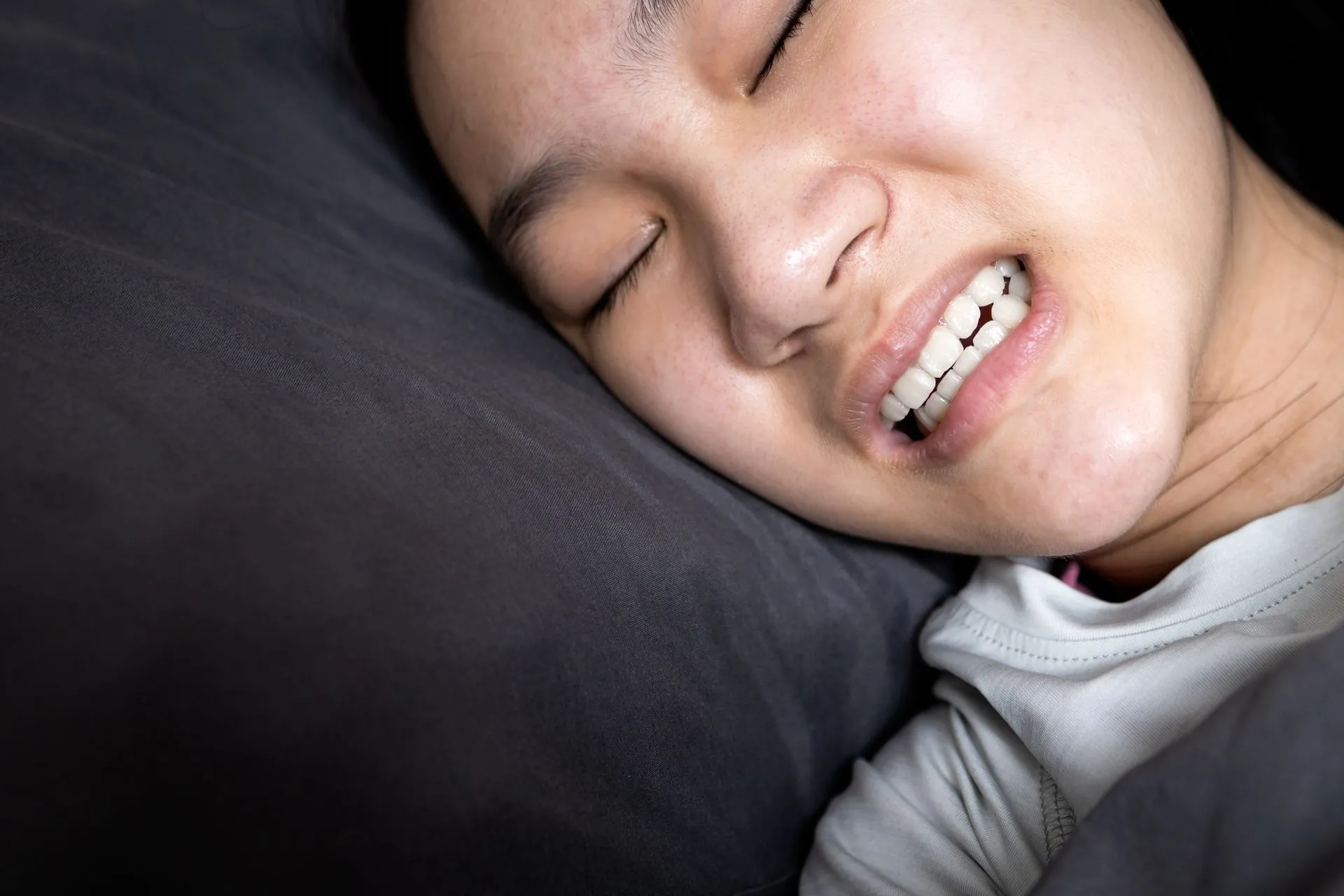
Furthermore, factors accumulated over time, such as wear on teeth, changes in tooth position or habits like bruxism, can increase the complexity of the treatment.
In extreme cases, a combination of orthodontic appliances with corrective surgery of the position and size of the jaws, orthognathic surgery, may be necessary.
The role of aligners and modern techniques
Just as orthopedic appliances help guide growth in younger patients, in adults the focus turns to precisely controlling tooth movement and the relationship between the arches.
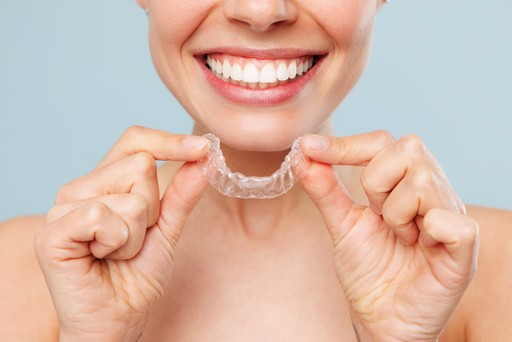
Clear aligners play a central role today in the treatment of open bite in adults. These removable devices are designed through digital planning and apply light, progressive forces, allowing teeth to be repositioned in a controlled manner.
Unlike traditional braces, tooth movement does not happen in a generic way. Each stage of the treatment is pre-calculated, which allows for the adjustment of details such as inclination, extrusion or intrusion of the teeth, movements that are particularly relevant in correcting an open bite.
For the patient, this approach translates into greater predictability, comfort and integration into daily life. The possibility of visualizing the result even before starting the treatment also strengthens commitment and adherence to the therapeutic plan.
In more demanding situations, orthodontics uses micro-implants (also known as temporary anchorage devices) to increase control over tooth movements.
These small devices, placed in a minimally invasive way in the bone, function as stable supporting points. In practice, they allow for the application of specific forces without compromising the position of the remaining teeth, which is particularly important in correcting vertical discrepancies associated with an open bite.
With this type of additional anchorage, it becomes possible to perform movements that would be difficult or less predictable with conventional techniques, increasing effectiveness and reducing treatment time in many cases.

Digital planning: the foundation of modern treatment
One of the greatest developments in modern orthodontics is the integration of digital technology in diagnosis and planning.
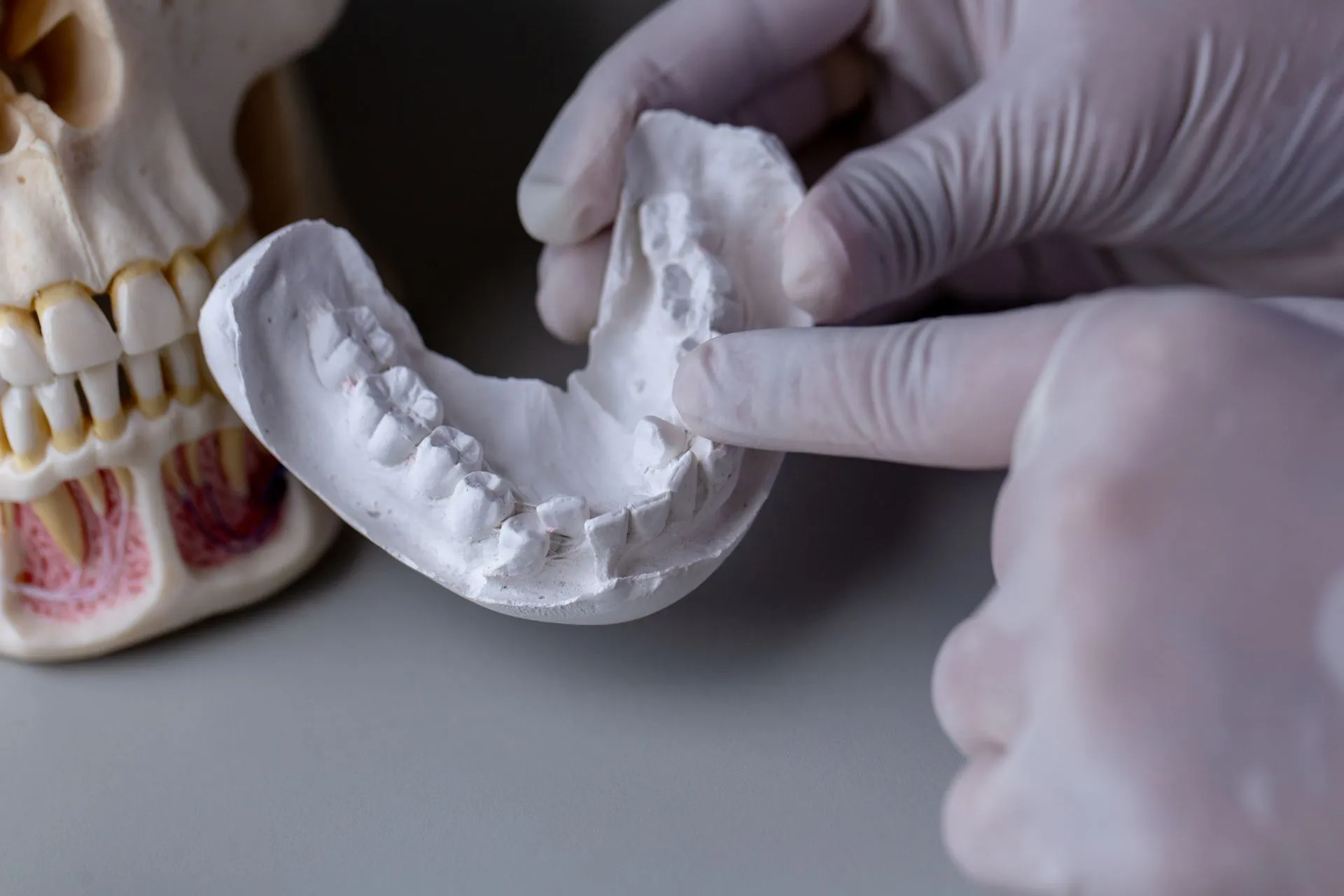
Through intraoral scanners, imaging tests and 3D software, it is possible to accurately analyse the position of the teeth and the relationship between the jaws. This process makes it possible to:
- Simulate different therapeutic approaches
- Predict the progress of the treatment
- Adjust each phase in a personalised way
This approach significantly increases the predictability of results and allows the treatment to be tailored to the specific needs of each patient.
Much more than aesthetics
Just as in childhood, correcting an open bite in adults is not limited to the smile.
A balanced occlusion allows the masticatory forces to be properly distributed, protecting the teeth and joints over time.
In addition, it can contribute to:
- Improving chewing efficiency
- Reducing tooth wear
- Improving speech
- Reducing overload on the temporomandibular joint
This functional dimension is essential to ensure not only an aesthetic result, but an overall improvement in oral health.
The importance of follow-up and stability of results
As with any orthodontic treatment, the final phase is crucial to ensuring the stability of results.
After correcting the bite, retainer devices are commonly used - fixed and/or removable - to help keep the teeth in their new position.
This follow-up is essential to avoid relapse and to consolidate the result achieved throughout the treatment.
Frequently Asked Questions
An open bite is a condition that can compromise not only the aesthetics of the smile, but also essential functions such as chewing and speech.
Its correction depends on the age and the cause of the problem. In childhood, early intervention allows guiding the growth of the jaws and acting on the root cause. In adults, modern orthodontics offers effective and personalised solutions, using aligners and advanced techniques.
Regardless of the stage of life, a rigorous diagnosis and specialised follow-up are key to ensuring stable, functional and long-lasting results.